Water Damage Restoration in Mesa, AZ
Mesa is the central commercial and residential anchor of the East Valley, home to over 500,000 residents across 138 square miles. Bordering the Salt River and Superstition Mountains, Mesa encompasses established lake communities in Dobson Ranch, citrus orchard subdivisions, and modern master developments, presenting acute challenges from aging plumbing and intense monsoon weather.
Mesa, AZ Coverage Facts
- Jurisdiction
- Maricopa County
- Target Response Time
- 45 to 60 Minutes On-Site
- Disaster Coverage
- 24/7, 365 Days a Year
- Covered ZIP Codes
- 85201, 85204, 85207, 85210
Housing Architecture & Water Risks in Mesa, AZ
Housing stock in Mesa includes 1960s–1980s slump block and stucco ranch homes on monolithic slabs in West Mesa, alongside contemporary master developments in Eastmark and Red Mountain. Mature homes frequently contain aging copper water lines embedded in concrete that suffer from corrosive soil conditions.
Key Local Restoration Issues in Mesa
Aging Under-Slab Copper Supply Line Pinhole Leaks
Subdivisions built during the 1970s and 1980s suffer from pitting corrosion in copper supply lines beneath concrete slabs, producing slow water leaks that rot baseboards and foster concealed mold.
Dobson Ranch Lake Seepage & High Groundwater Saturation
High water tables surrounding man-made retention lakes saturate subsoil beneath concrete foundation slabs, causing moisture migration that buckles luxury vinyl plank and tile flooring.
Monsoon Wind-Driven Tile Roof Dislodgement & Ceiling Collapse
Convective microburst winds dislodge concrete roof tiles, allowing torrential monsoonal rainwater to penetrate unsealed underlayment and collapse saturated ceiling drywall.
Regional Climate & Weather Risks in Mesa
Geology, Soil & Foundation Dynamics in Mesa
Building Stock & Primary Dispatch Triggers in Mesa
Single-story stucco ranch homes on post-tensioned concrete slabs, master-planned suburban developments, and manufactured home communities.
- •Attic water heater tank and flex line ruptures accelerated by extreme ambient heat
- •Monsoon flash flood breaches through exterior patios and garage doorways
- •Reverse osmosis and water softener line failures in residential kitchens and garages
- •Plumbing supply line pinholes from high mineral content and water pressure surges
Local Water & Infrastructure Profile: Mesa
Local Response & Property Access Protocols in Mesa
Insurance Claim Documentation & Billing Guidelines in Arizona
In Arizona, emergency water damage claims fall under the jurisdiction of the Arizona Department of Insurance and Financial Institutions (DIFI) under A.R.S. § 20-461 and A.A.C. R20-6-801. Insurers must acknowledge claims within 10 working days and provide acceptance or rejection within 15 business days after receiving completed proofs of loss. Arizona property owners have the right to select their own restoration professional. In the desert Southwest, high indoor temperatures accelerate evaporation and secondary moisture damage to slab-on-grade flooring and drywall. Certified contractors establish dry standards using moisture meters and furnish adjusters with itemized Xactimate documentation to facilitate direct insurance billing. Arizona Department of Insurance and Financial Institutions (DIFI) regulations require verifiable proof of sudden water discharge under A.R.S. § 20-461. In the desert Southwest, high indoor heat accelerates evaporation, necessitating controlled containment and daily psychrometric logging of ambient humidity, temperature, and material moisture content. Technicians provide adjusters with thermal imaging maps, plumbing breach photography, and standardized Xactimate line-item estimates, allowing direct insurance reimbursement and zero upfront out-of-pocket expenses on covered claims.
Policyholder Rights & Independent Contractor Selection in Arizona
Under Arizona insurance regulations, residential and commercial property owners maintain the full legal authority to hire any licensed, independent disaster restoration contractor of their choice. Insurance carriers and claims adjusters are prohibited from steering or mandating the use of preferred network vendors. WaterRestore Pro dispatches certified local mitigation specialists who adhere strictly to ANSI/IICRC S500 standards, recording daily psychrometric logs, moisture baselines, and thermal imaging scans. All repair scopes are compiled using standardized Xactimate line items and submitted directly to your insurance company, supporting direct carrier billing and protecting homeowners from upfront costs on covered peril claims.
Common Emergency Calls in Mesa
Local ProtocolWater Damage Restoration→
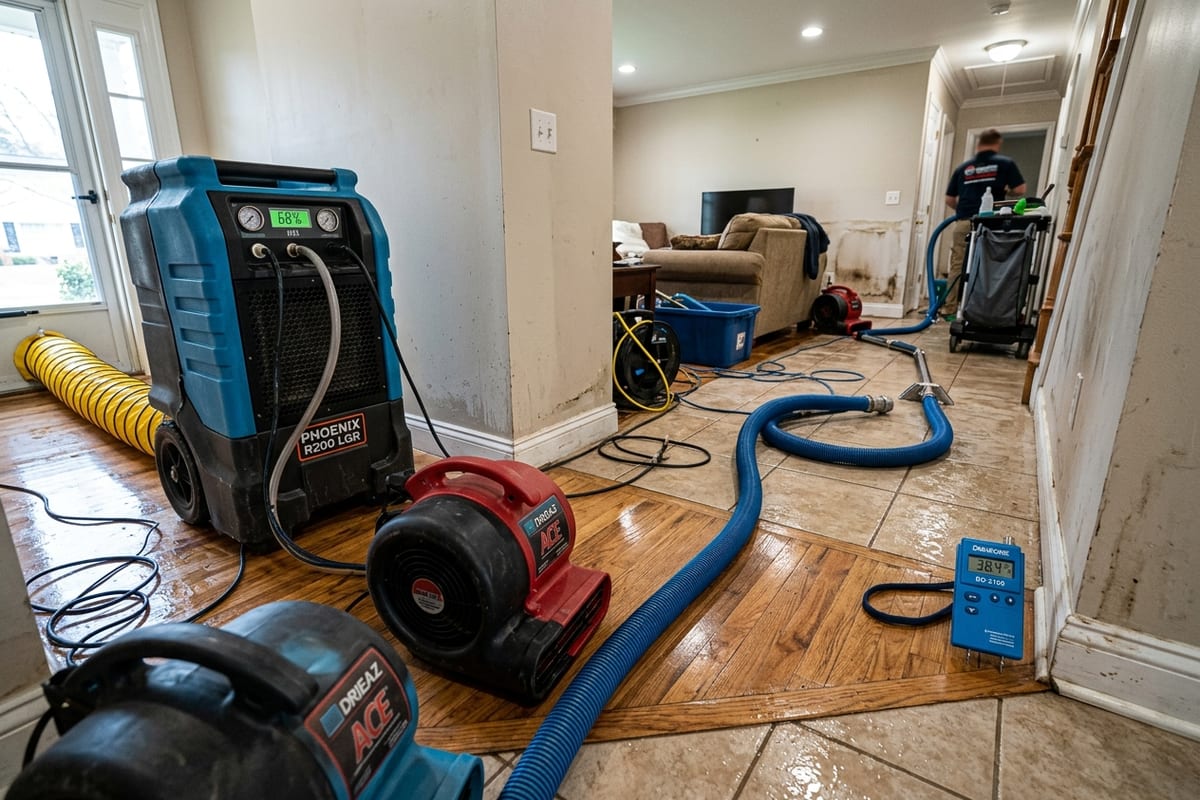
Professional water damage restoration stops progressive structural deterioration, extracts standing water with truck-mounted pumps, and dries internal wall cavities using industrial dehumidifiers within 72 hours to prevent hazardous mold growth.
 Local Protocol
Emergency Water Extraction→
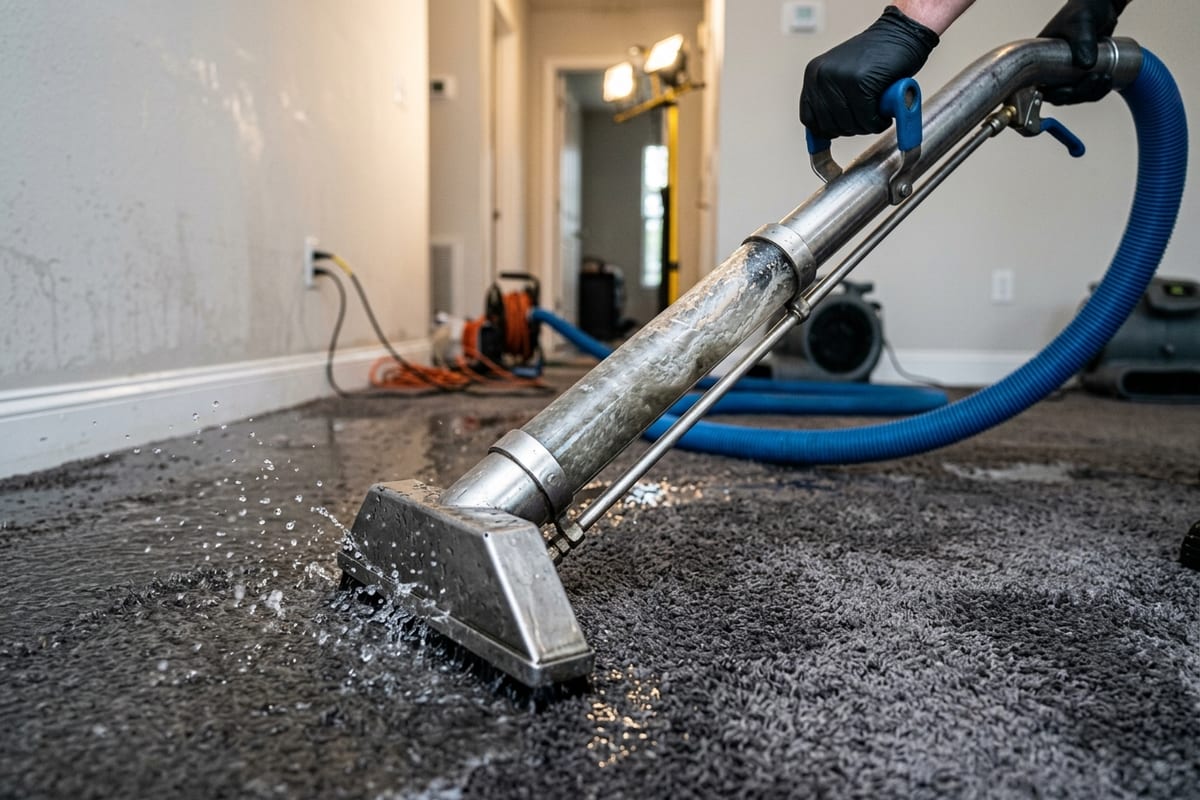
Emergency water extraction uses heavy-duty submersible pumps and truck-mounted vacuum units to physically extract hundreds of gallons of standing water per hour from flooded homes and businesses before structural framing absorbs it.
 Local Protocol
Slab Leak Water Damage Cleanup→
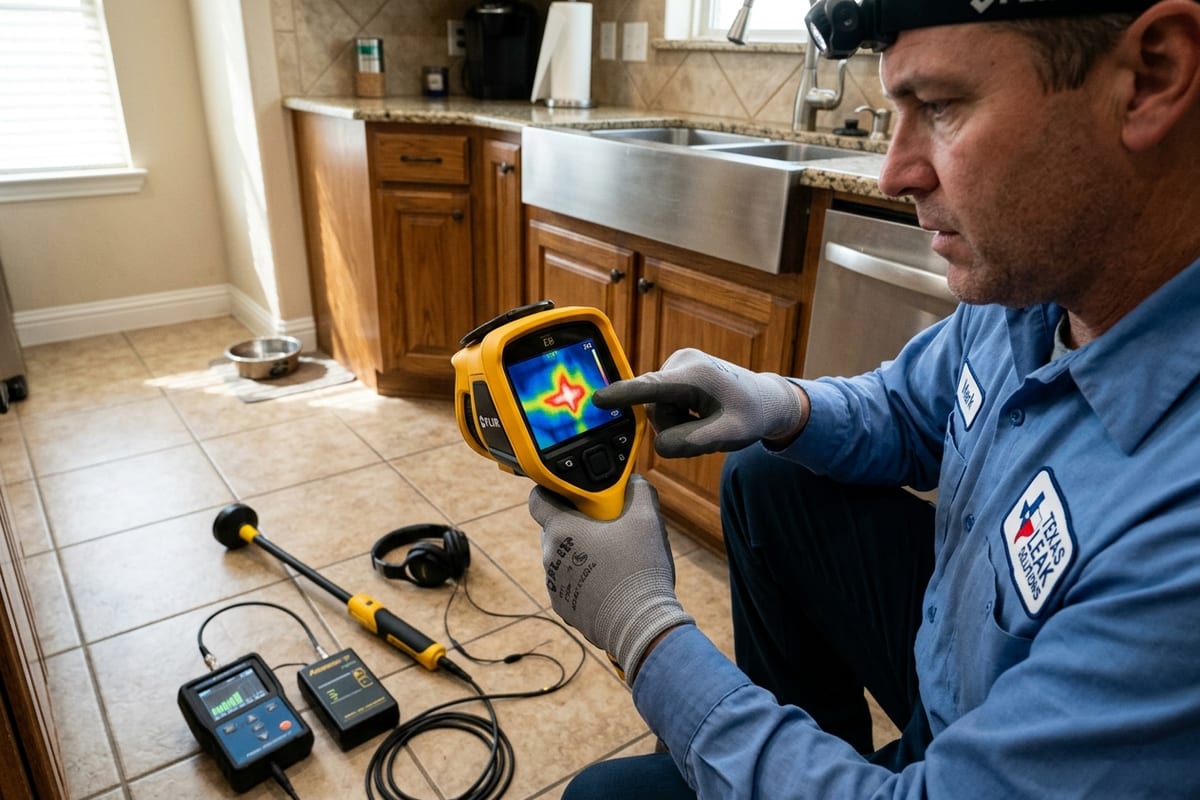
Slab leak water damage restoration extracts water migrating up through concrete foundation cracks into floors, baseboards, and walls, utilizing specialized desiccant dehumidifiers and drying mats to restore subfloor framing.
 Local Protocol
Mold Remediation & Removal→
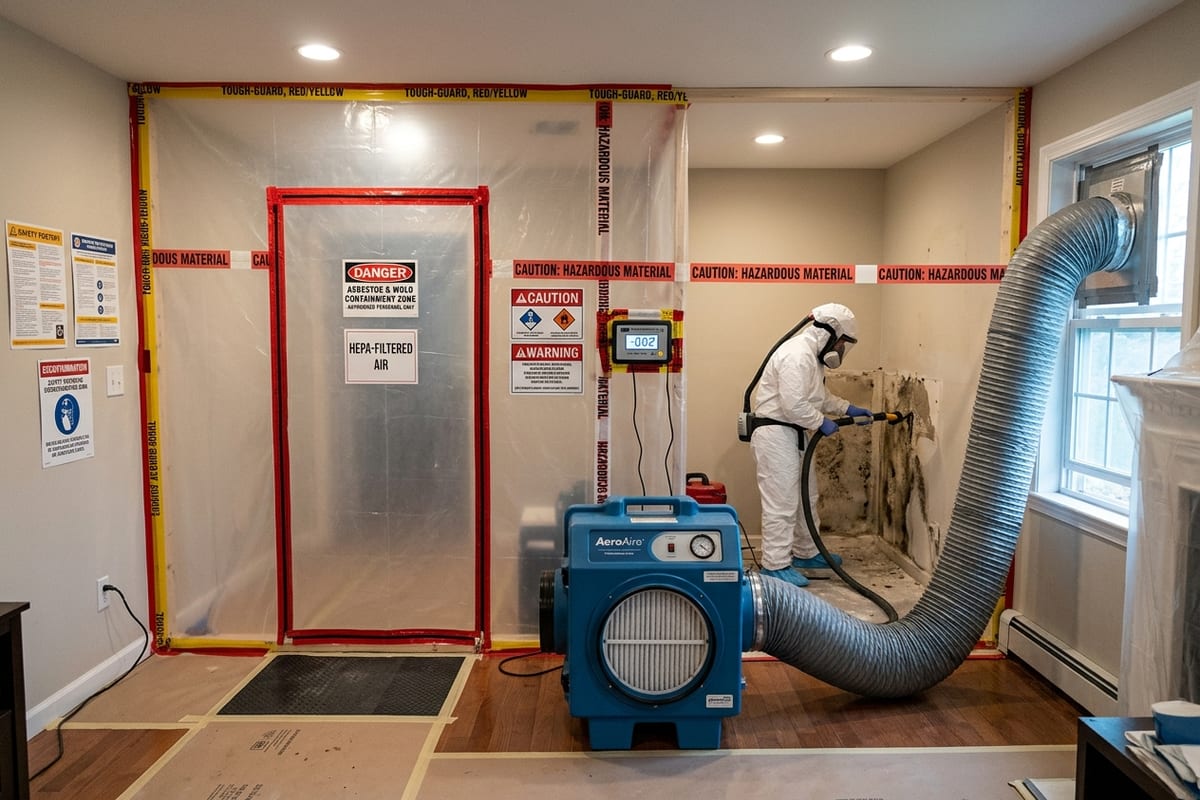
Certified mold remediation isolates active fungal colonies under negative air pressure, safely removes colonized building materials, and purifies indoor air with HEPA scrubbers to eliminate mycotoxins and prevent recurrence.
Check 45–60 Min Response Time for Your Mesa ZIP Code
WaterRestore Pro dispatches IICRC-certified emergency teams across Maricopa County 24 hours a day, 365 days a year. Verify rapid on-site coverage for your postal code:
Check Your ZIP Code Coverage
Verify immediate 45–60 minute emergency water extraction dispatch across our 50-state nationwide coverage network.
Frequently Asked Questions in Mesa, AZ
Why do attic plumbing leaks cause so much damage in Mesa homes?+
Because many Mesa homes house water heaters and HVAC units in unconditioned attics, a sudden tank rupture releases dozens of gallons that quickly saturate blown-in insulation and collapse drywall ceilings. WaterRestore Pro removes water-soaked insulation, extracts moisture, and runs commercial LGR dehumidifiers.
How does hard water contribute to pipe breaks in Mesa?+
Mesa municipal water contains high concentrations of calcium and magnesium. Over time, mineral scaling builds up in valves, fittings, and water heater tanks, causing pressure spikes and sudden leaks. WaterRestore Pro handles complete structural drying and cleanup.
How fast will WaterRestore Pro respond to a flood in Mesa?+
We maintain 24/7 dedicated rapid-response crews across the East Valley (Mesa, Gilbert, Chandler, Tempe) targeting an on-site arrival window of 45 to 60 minutes for priority emergencies.
Nearby Communities We Serve:
Standing Water in Your Home? Minutes Count.
Emergency water extraction units are on call 24 hours a day across all major metropolitan service areas. Call now for priority dispatch.