Water Damage & Disaster Restoration Guides
Step-by-step guidance from certified IICRC structural drying technicians on emergency safety, leak detection, and navigating property insurance claims.
Emergency Action
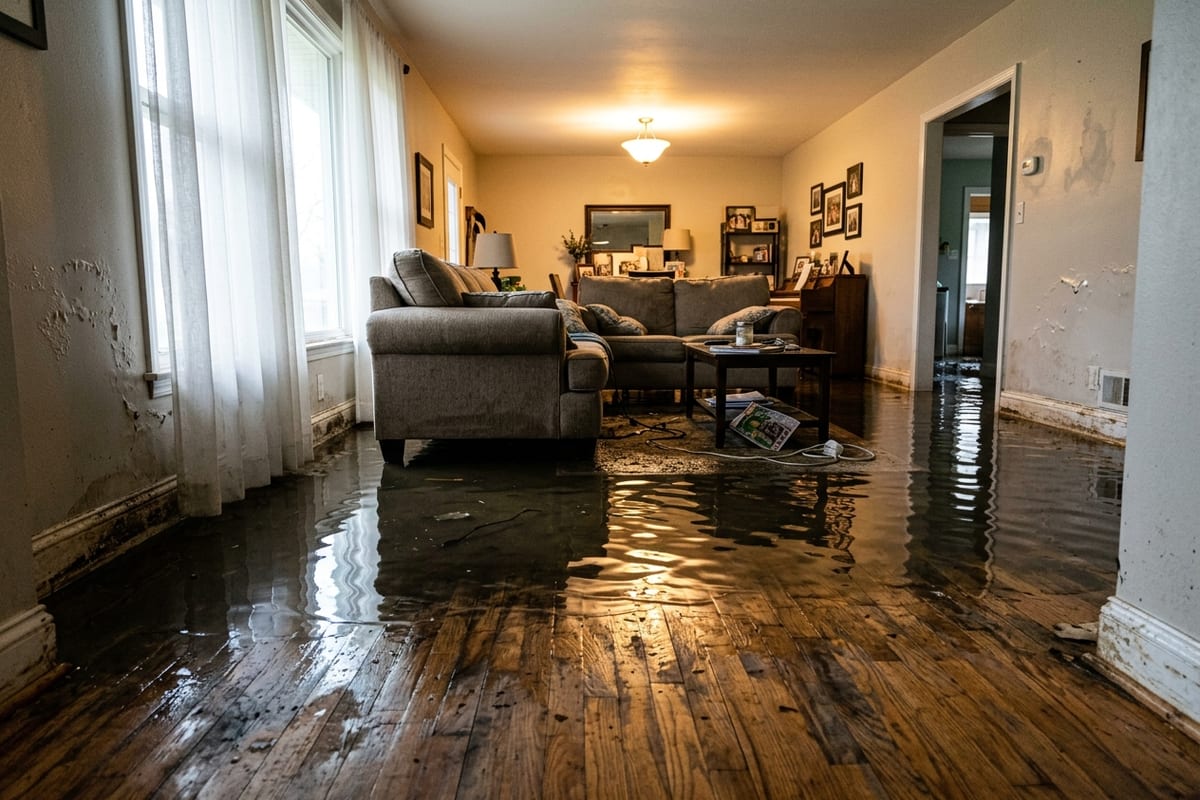
Plumbing Emergency
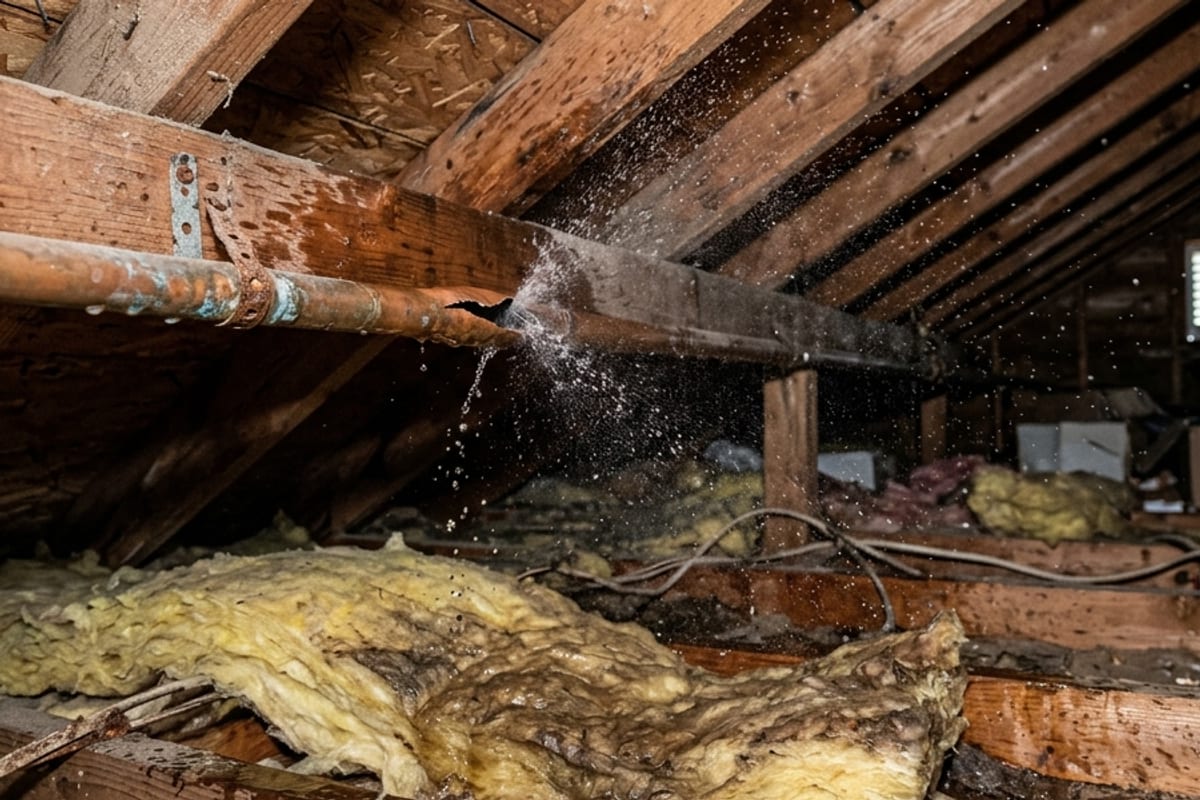
Insurance & Claims
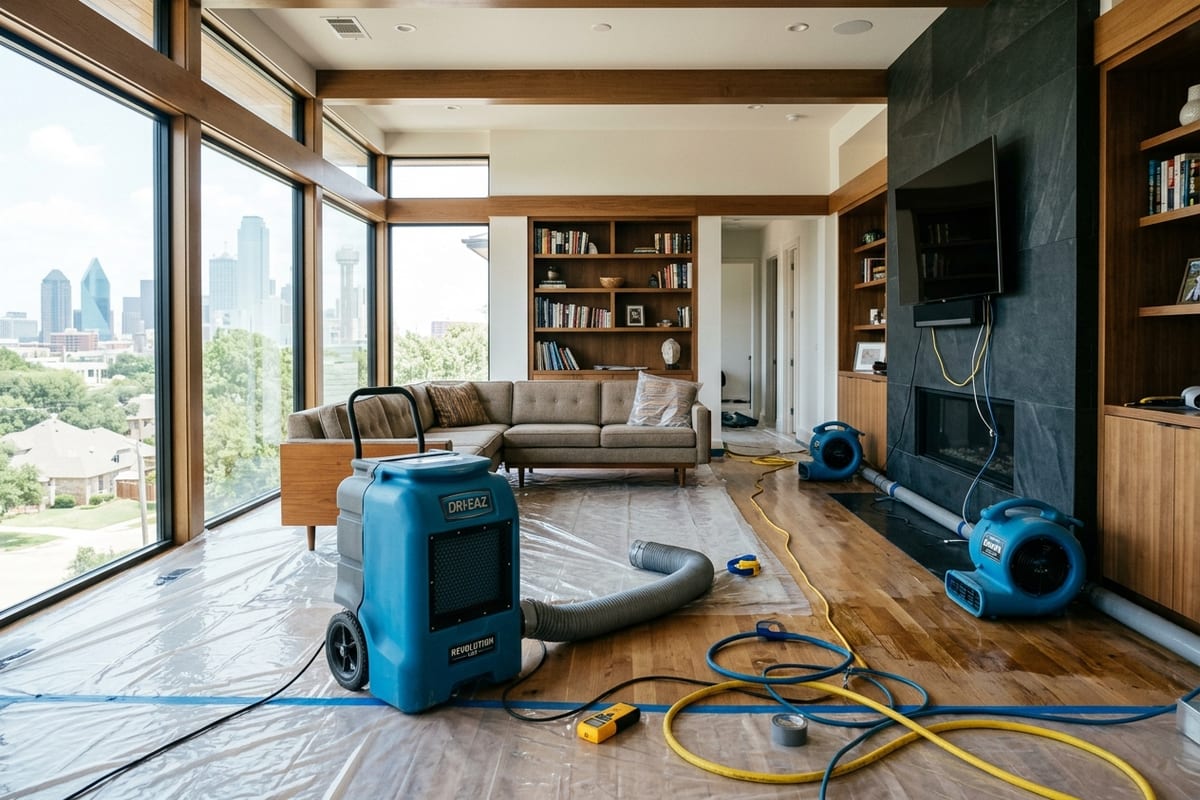
Restoration Science
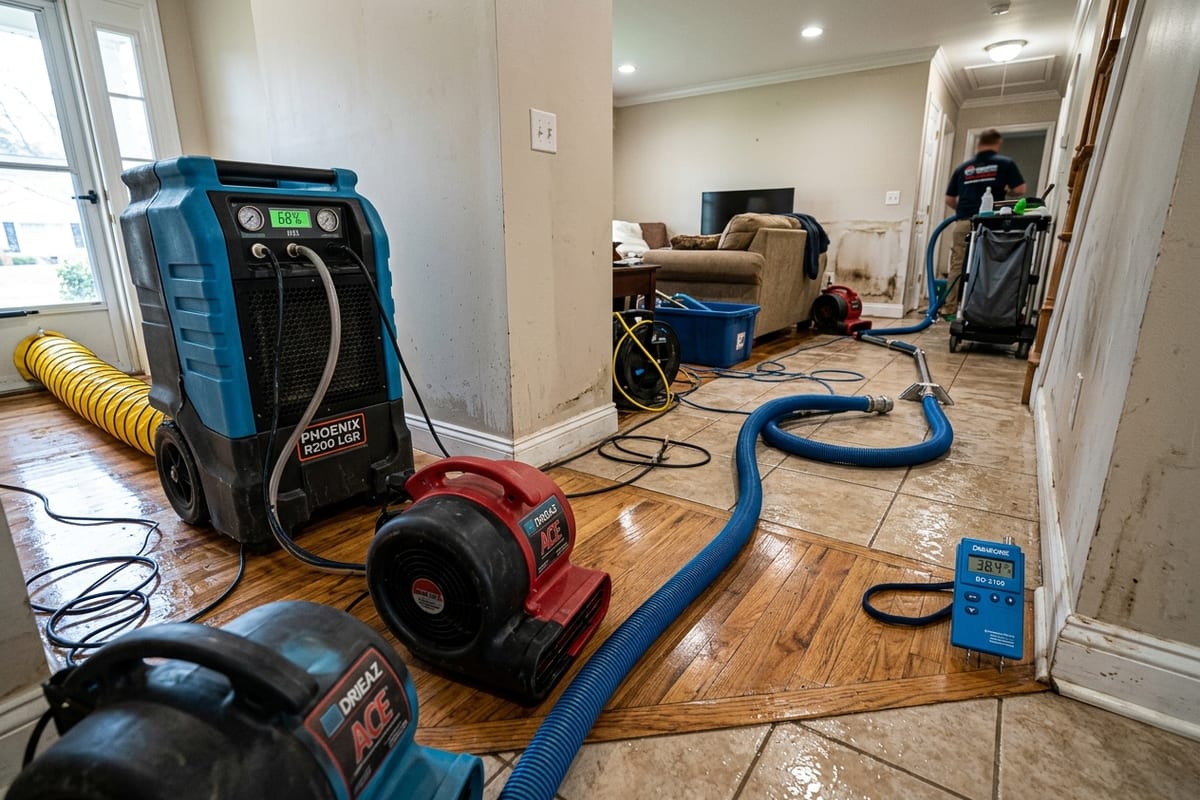
How Long Does Water Damage Take to Dry Out?→
A standard residential water damage event takes between 3 to 5 days to reach dry standard thresholds when dried with commercial LGR dehumidifiers and high-velocity air movers. Saturated concrete slabs and hardwood floors may require 7 to 10 days.
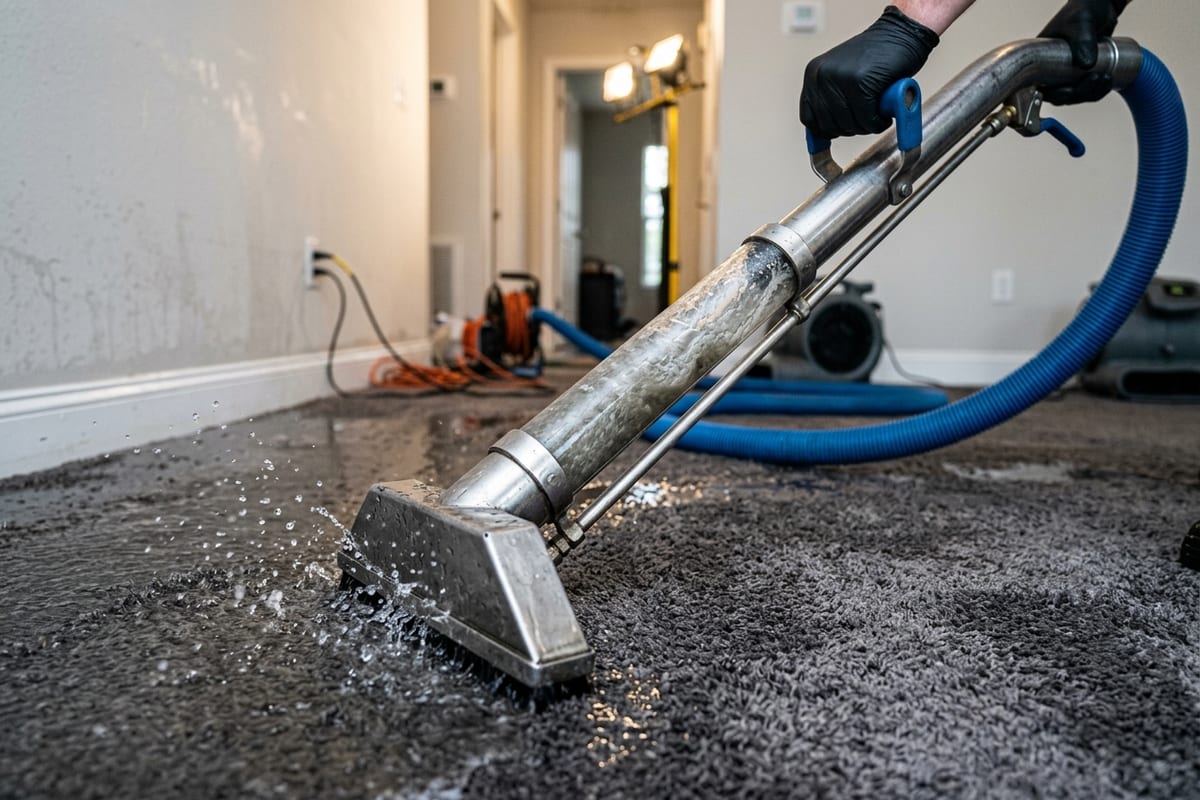
Categories and Classes of Water Damage Explained (IICRC S500)→
Under the IICRC S500 standard, water damage is classified by contamination level (Category 1 Clean, Category 2 Gray, and Category 3 Black Water) and evaporation rate (Class 1 to Class 4), determining safety protocols, containment needs, and dehumidification equipment.
Leak Detection
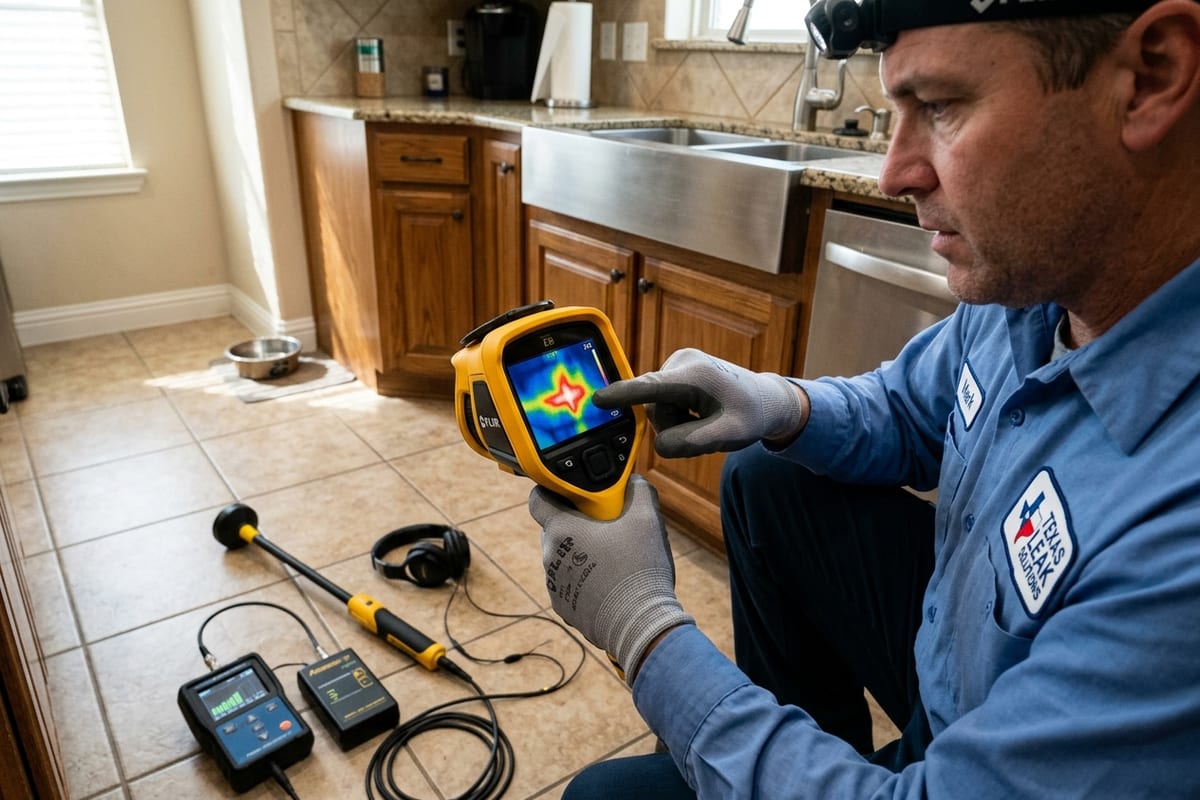
7 Warning Signs of a Hidden Slab Leak Under Your Foundation→
Key warning signs of a hidden under-slab leak include localized warm spots on floor tiles, the sound of running water when all fixtures are off, spinning water meter dials, musty baseboards, sudden spikes in water bills, and hairline cracks in drywall or flooring.
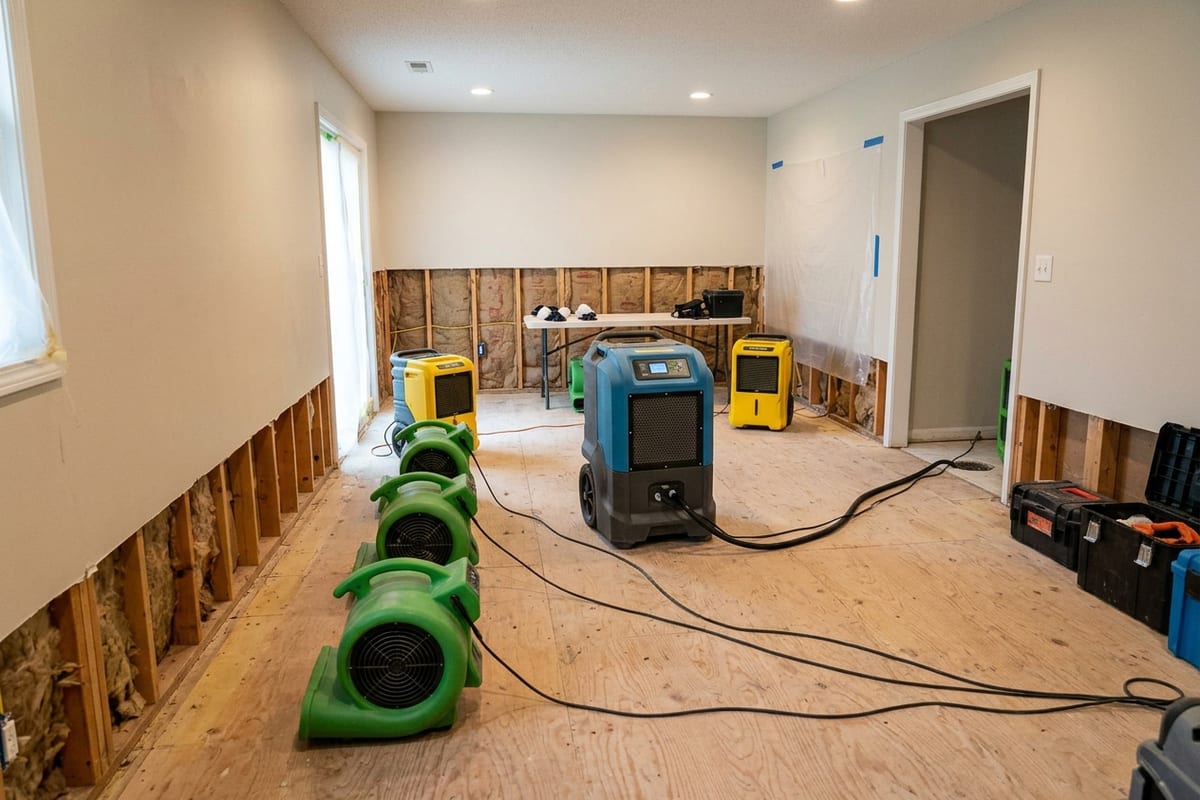
How to Detect Trapped Water Damage Behind Walls→
Hidden water damage behind drywall is detected using non-invasive thermal imaging cameras to identify cool evaporation zones, pinless moisture meters to measure gypsum saturation, and inspecting for peeling paint, soft sheetrock, and musty baseboard odors.
Winter Safety
Mold & Health
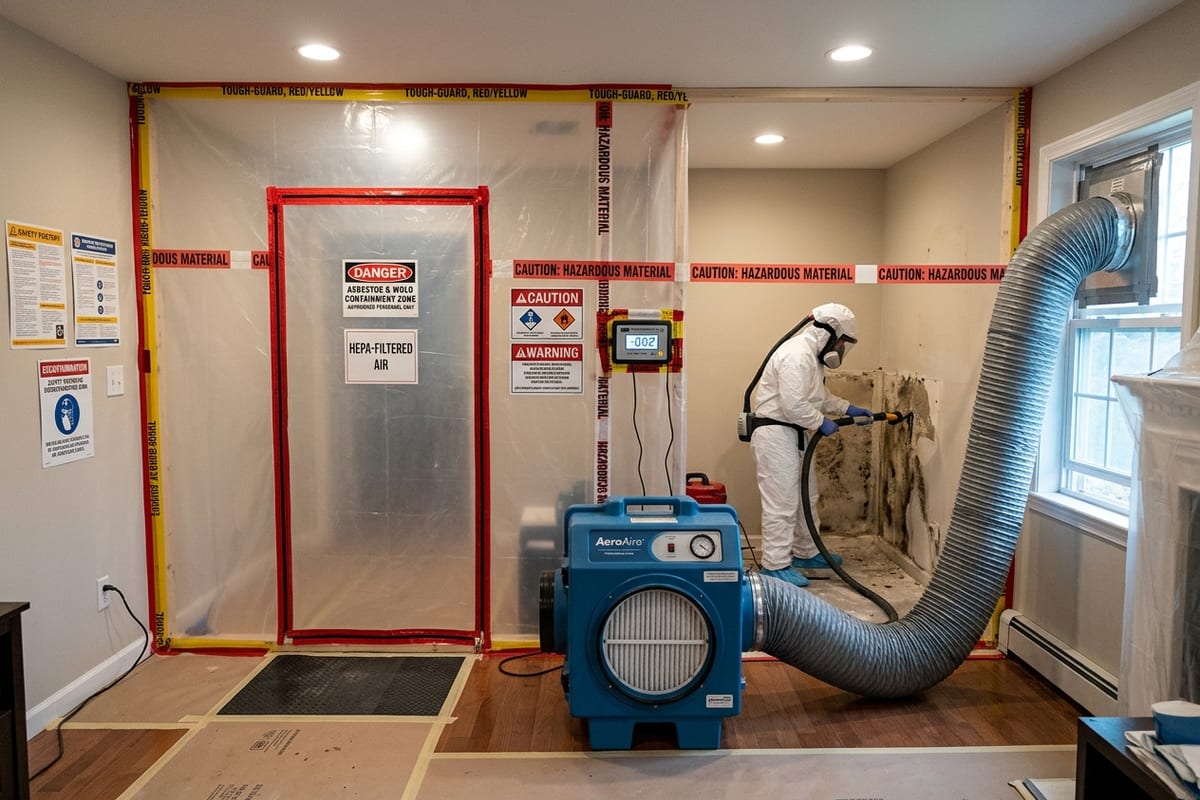
Biohazard Safety
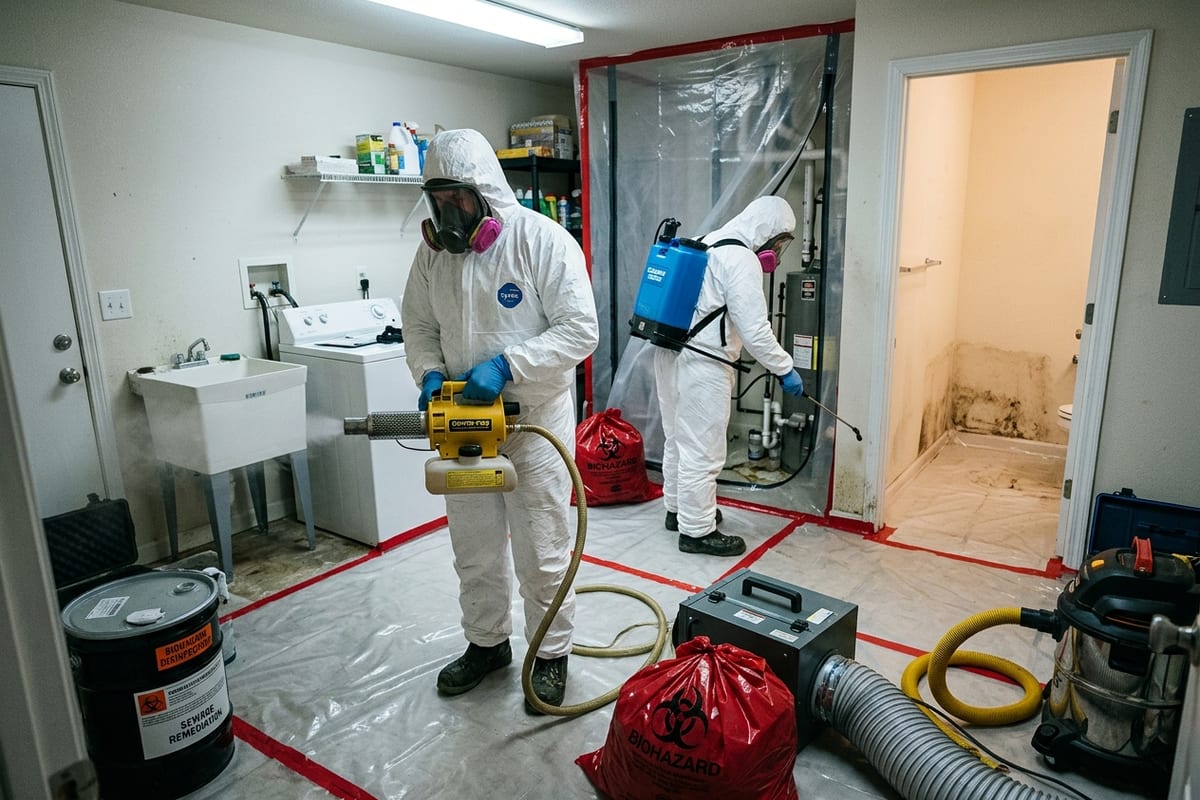
Flooring Recovery
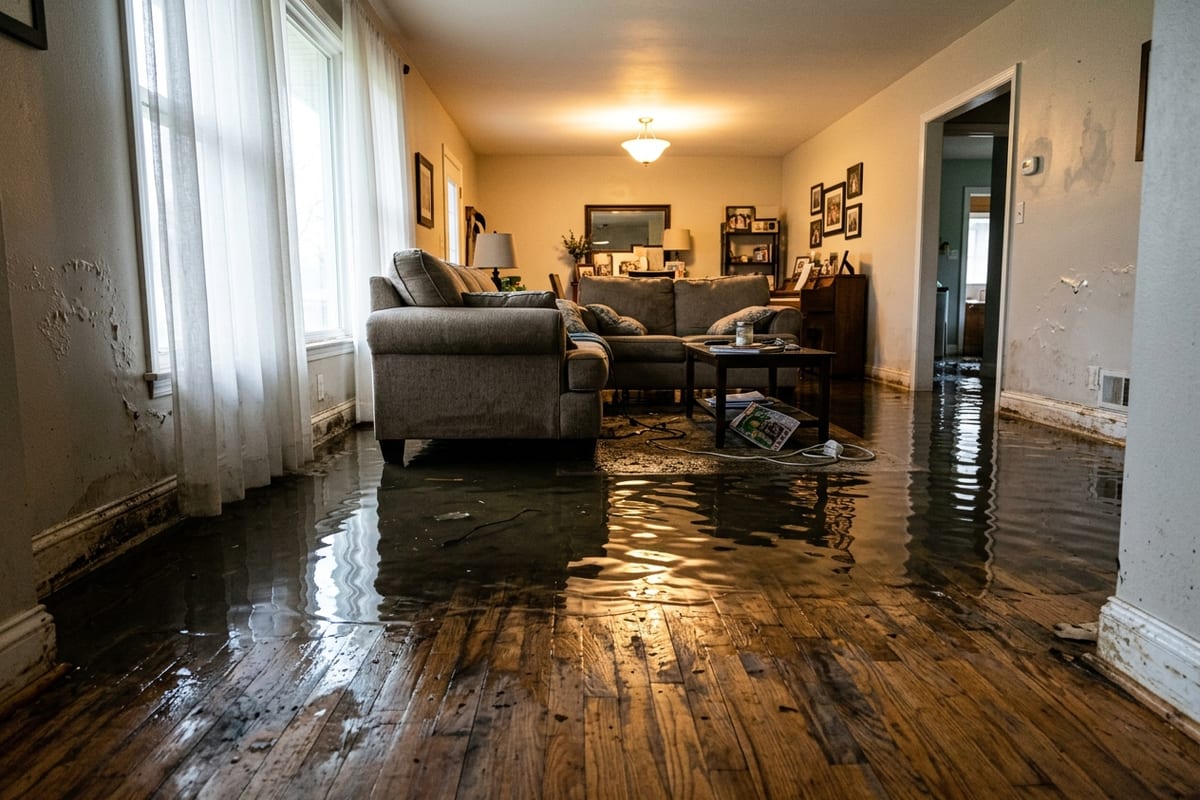
Structural Safety
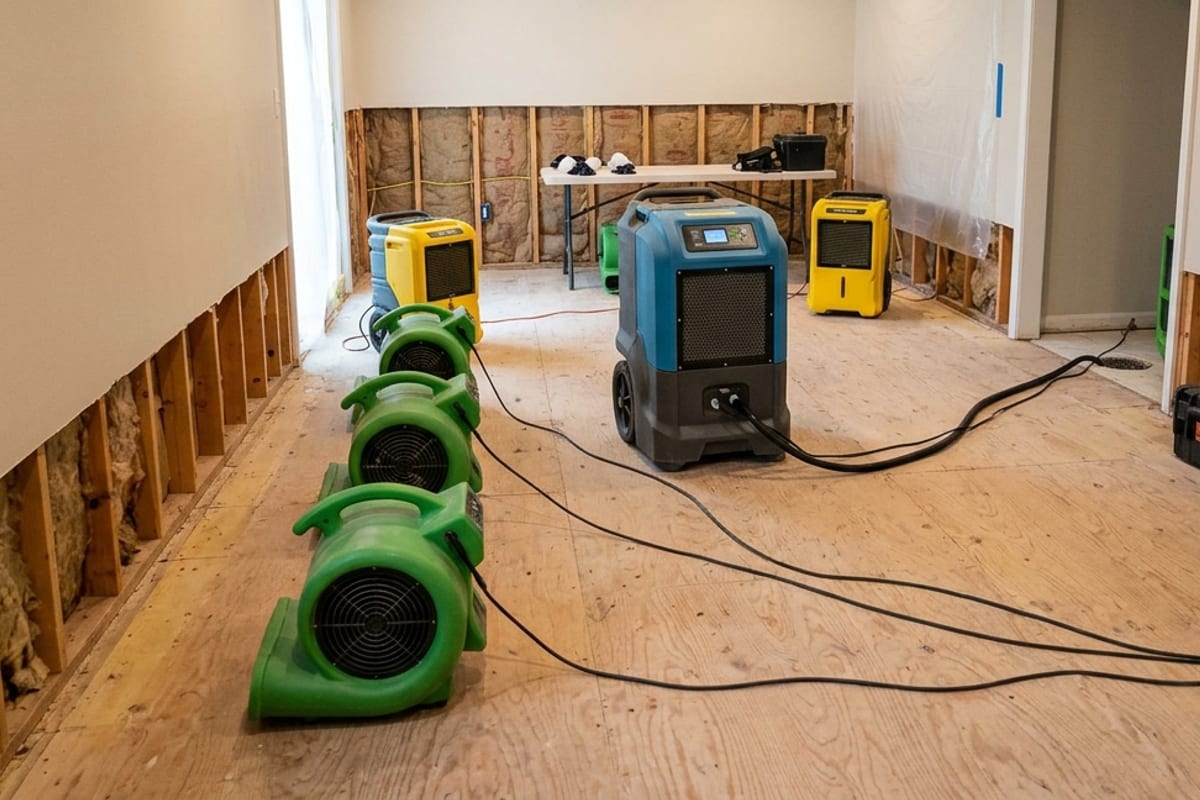
Standing Water in Your Home? Minutes Count.
Emergency water extraction units are on call 24 hours a day across all major metropolitan service areas. Call now for priority dispatch.