Foundation Slab Leak Water Damage Cleanup
Slab leak water damage restoration extracts water migrating up through concrete foundation cracks into floors, baseboards, and walls, utilizing specialized desiccant dehumidifiers and drying mats to restore subfloor framing.
Understanding Slab Leak Water Damage Cleanup
Shifting foundation soils, thermal expansion, and pipe corrosion place continuous stress on pressurized copper and PEX plumbing lines embedded beneath concrete foundation slabs.
When an under-slab pipe breaks, pressurized water travels upward through hairline slab fractures, soaking wood flooring, carpets, and bottom wall plates. WaterRestore Pro connects property owners with local technicians specialized in non-destructive moisture mapping and heavy-duty concrete drying.
Slab Leak Water Damage Cleanup at a Glance
- Target Dispatch Window
- 45 to 60 Minutes On-Site Nationwide
- Standard Drying Duration
- 3 to 5 Days Continuous Dehumidification
- Certified Standards
- IICRC S500 Water / S520 Mold Guidelines
- Insurance Compatibility
- Direct Xactimate Billing with All Major Carriers
Signs You Require Slab Leak Water Damage Cleanup
If you observe any of the following symptoms in your home, professional mitigation should begin immediately to limit permanent structural degradation:
What Happens During the Slab Leak Water Damage Cleanup Process?
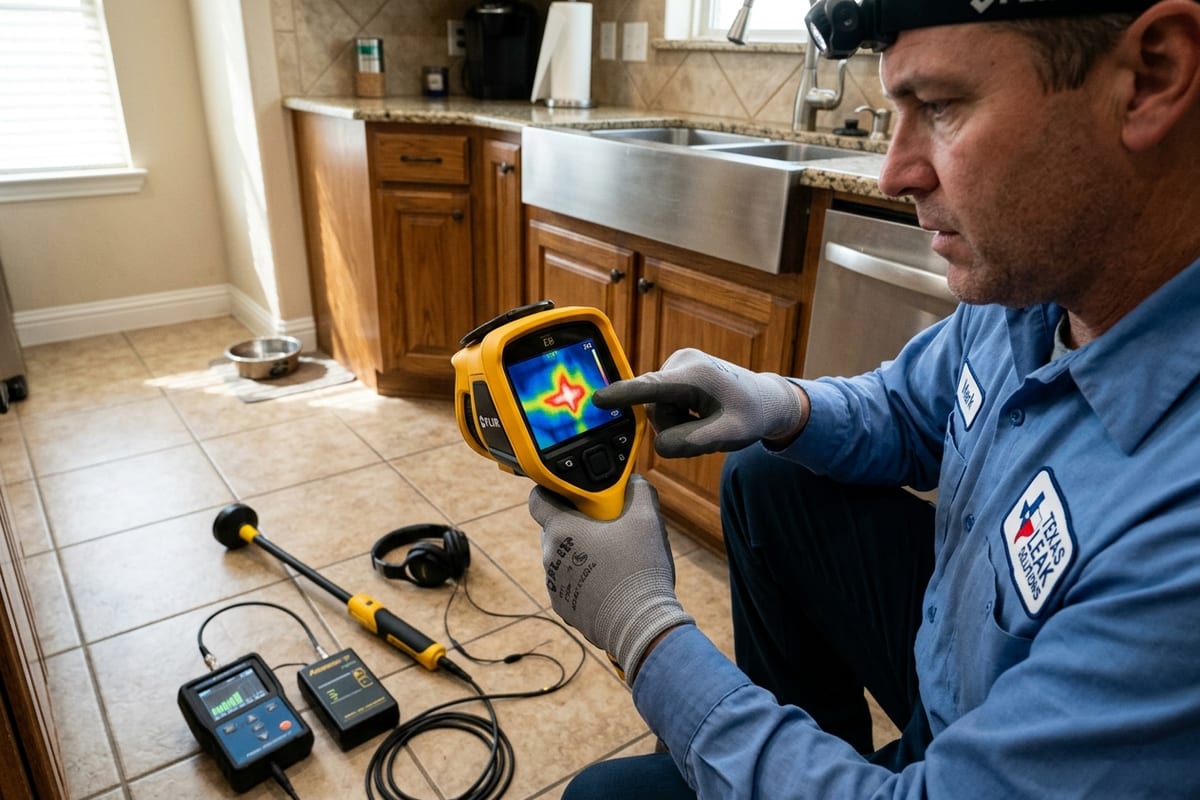
Step 1: Thermal Imaging Concrete Mapping
Infrared thermal cameras pinpoint the temperature differential of hot or cold water migrating beneath the concrete foundation.
Step 2: Flooring Salvage & Extraction
Specialized vacuum suction mats are sealed over saturated hardwood or tile surfaces to extract water directly from the concrete-subfloor interface.
Step 3: Desiccant & Deep Slab Dehumidification
High-temperature, low-humidity desiccant dehumidifiers pull deep vapor moisture out of the porous concrete matrix to prevent permanent foundation degradation.
Step 4: Clearance Moisture Testing
Technicians measure the concrete relative humidity (RH) to ensure the slab has returned to dry baseline before flooring reinstallation.
Water Damage Contamination Categories Compared
| Category | Water Sources | Health Risk Level | Degradation Time | Mitigation & Gear Protocol |
|---|---|---|---|---|
Category 1: Clean Water | Broken supply pipes (copper/PEX), overflowing sinks or bathtubs, falling rainwater, melting ice. | Low / Non-Hazardous Safe on skin initially; contains no harmful biological pathogens. | Degrades to Cat 2 within 24–48 hours as it dissolves carpet soils and drywall chemicals. | High-volume water extraction, centrifugal air movers, LGR dehumidifiers. Porous materials (drywall, carpet) are typically 100% salvageable. |
Category 2: Grey Water | Washing machine discharge, dishwasher overflows, aquarium leaks, sump pump failures with soil runoff. | Moderate Biological Risk May cause discomfort or illness if ingested; contains chemicals, detergents, and bacteria. | Degrades to Cat 3 within 24–48 hours as microbial colonies rapidly multiply. | Immediate extraction, removal and safe disposal of carpet pad, botanical antimicrobial application, structural cavity drying. |
Category 3: Black Water | Municipal sewage backups, toilet overflows containing feces, river/stream storm surges, stagnant water >72 hrs. | Severe / Biohazard Grossly contaminated with infectious pathogens, E. coli, heavy metals, and toxic fungi. | Immediate biohazard hazard from first minute of intrusion. | Full Hazmat PPE (respirators, suits), negative air containment, total disposal of affected porous items (drywall, insulation, carpet), hospital-grade sanitization. |
Source: Standardized per ANSI/IICRC S500 Standard and Reference Guide for Professional Water Damage Restoration.
What Dictates the Cost of Slab Leak Water Damage Cleanup?
Because water migration depth and contamination levels vary widely between properties, disaster restoration cannot be accurately quoted with flat rates over the phone. Certified technicians evaluate four objective factors:
Plumbing Line Access Method
Whether the licensed plumber performs a direct jackhammer trench repair or an overhead PEX reroute impacts the scope of restoration drying.
Hardwood Floor Restoration vs. Replacement
Solid wood floors that are dried quickly with vacuum mats can often be saved, avoiding costly tear-out.
Duration of Leak Prior to Detection
Slab leaks that have run undetected for weeks require deeper concrete drying and sub-base moisture mitigation.
Drying Timeline & Restoration Estimation Matrix
| Water Category | Standard Drying Timeline | Commercial Equipment Deployed | Material Salvageability | Primary Cost Drivers |
|---|---|---|---|---|
| Category 1 (Clean Water) | 3 to 5 Days | High-velocity centrifugal air movers, Low-Grain Refrigerant (LGR) dehumidifiers, weighted extraction tools. | High Salvageability: Drywall, baseboards, framing, and clean carpets are dried in-place without demolition if addressed within 48h. | Square footage of affected rooms, number of drying units deployed, equipment running days, thermal moisture mapping logs. |
| Category 2 (Grey Water) | 4 to 6 Days | Commercial LGR dehumidifiers, negative air scrubbers with HEPA filtration, botanical antimicrobial ULV foggers. | Selective Salvage: Carpet padding removed and discarded; carpets disinfected; structural framing and subfloor saved. | Padding disposal, antimicrobial applications, targeted flood cuts (24-inch drywall cuts), extended drying duration. |
| Category 3 (Black Water) | 5 to 7+ Days | Negative pressure air scrubbers, desiccant dehumidifiers, hospital-grade biocidal washes, full Level C PPE. | Non-Salvageable: All saturated porous materials (carpet, pad, drywall, insulation) must be removed per health codes. | Hazardous waste disposal, containment barriers, controlled demolition, thorough antimicrobial scrub, reconstruction. |
Direct Insurance Billing Notice (Xactimate Pricing Standard):
Restoration contractors utilize Xactimate®—the standardized estimating software used by State Farm, Allstate, Travelers, Liberty Mutual, and all major insurance carriers—ensuring line-item pre-negotiated rates for equipment, labor, and materials.
Homeowner Action Guidelines
Safe Actions While Waiting
- •Check your water meter to verify whether the leak is on the hot or cold supply line by shutting off the water heater intake valve.
- •Clear rugs and cardboard boxes off warm floor spots to prevent moisture condensation and mold development.
Hazardous: Do Not Attempt
- •Do not jackhammer into your concrete slab without electronic acoustic line locating and utility marking.
- •Do not allow hot water slab leaks to run unaddressed; heated moisture can wash away sub-slab soil and cause foundation sinking.
Frequently Asked Questions About Slab Leak Water Damage Cleanup
What causes under-slab plumbing leaks?+
Slab leaks are typically caused by shifting foundation soils, chemical corrosion from soil contact on older copper lines, water hammer pressure surges, or mechanical friction against concrete over decades of thermal expansion.
Does insurance cover slab leak water damage?+
Most homeowners insurance policies cover the tear-out and subsequent water damage drying and restoration caused by a slab leak, though the plumbing pipe repair itself is frequently subject to policy limitations.
Slab Leak Water Damage Cleanup Available Nationwide:
Related Disaster Restoration Services
Coordinating structural extraction, mold abatement, and complete property recovery.
Water Damage Restoration→
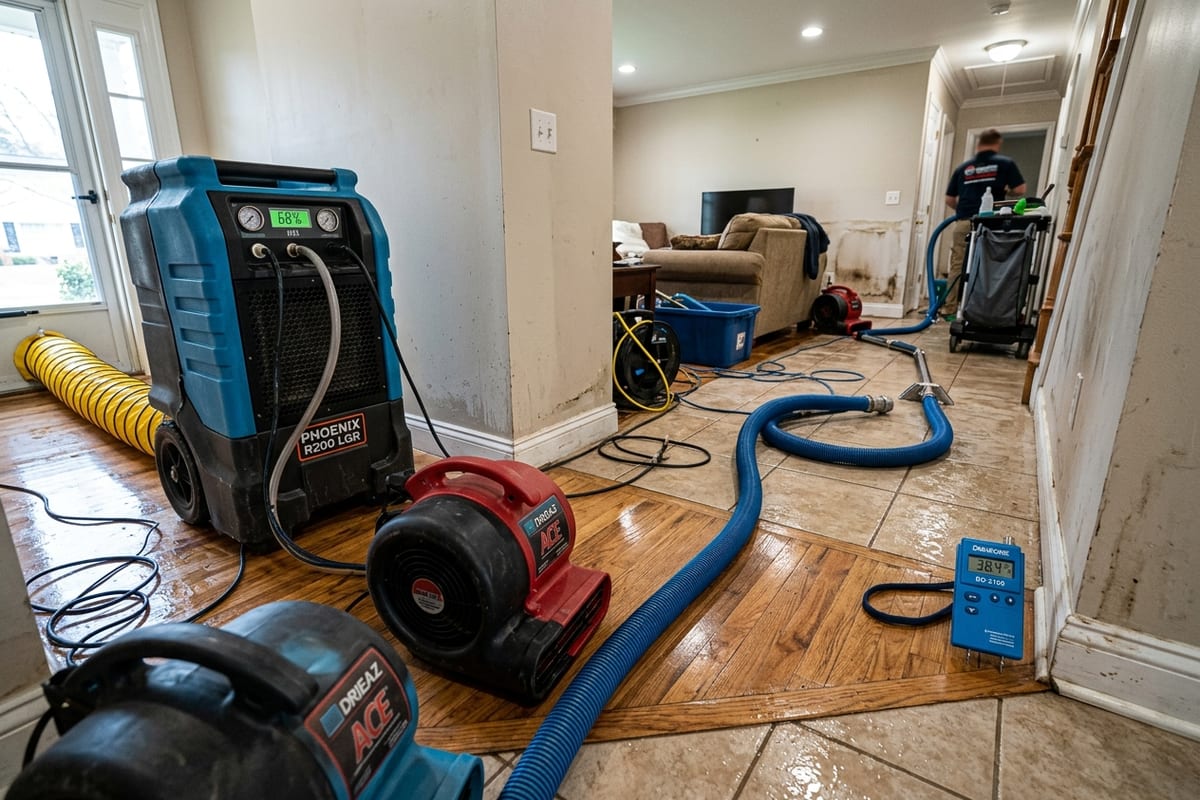
Professional water damage restoration stops progressive structural deterioration, extracts standing water with truck-mounted pumps, and dries internal wall cavities using industrial dehumidifiers within 72 hours to prevent hazardous mold growth.
Mold Remediation & Removal→
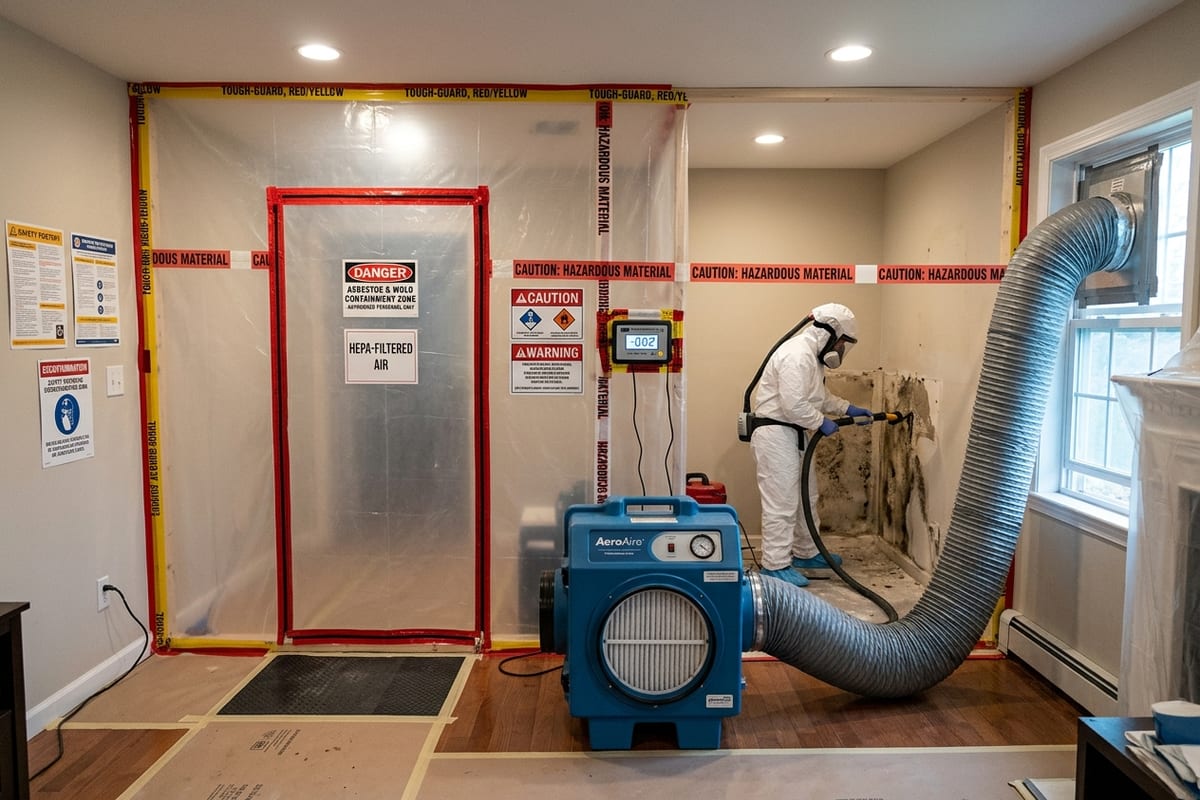
Certified mold remediation isolates active fungal colonies under negative air pressure, safely removes colonized building materials, and purifies indoor air with HEPA scrubbers to eliminate mycotoxins and prevent recurrence.
Structural Drying & Dehumidification→
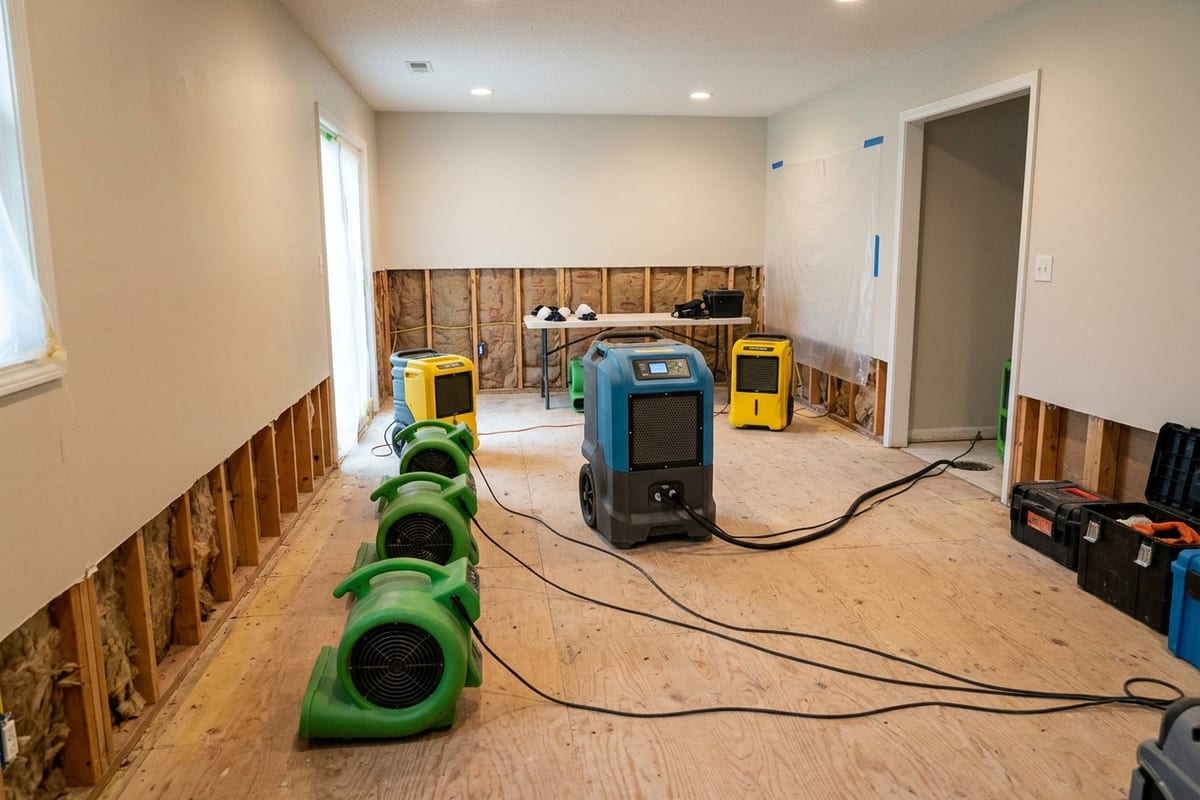
Structural drying uses industrial low-grain refrigerant (LGR) dehumidifiers, centrifugal air movers, and moisture sensors to draw bound moisture out of concrete foundations, wood framing, and subfloors to prevent permanent decay.
Standing Water in Your Home? Minutes Count.
Emergency water extraction units are on call 24 hours a day across all major metropolitan service areas. Call now for priority dispatch.