Emergency Sewage Backup & Biohazard Cleanup
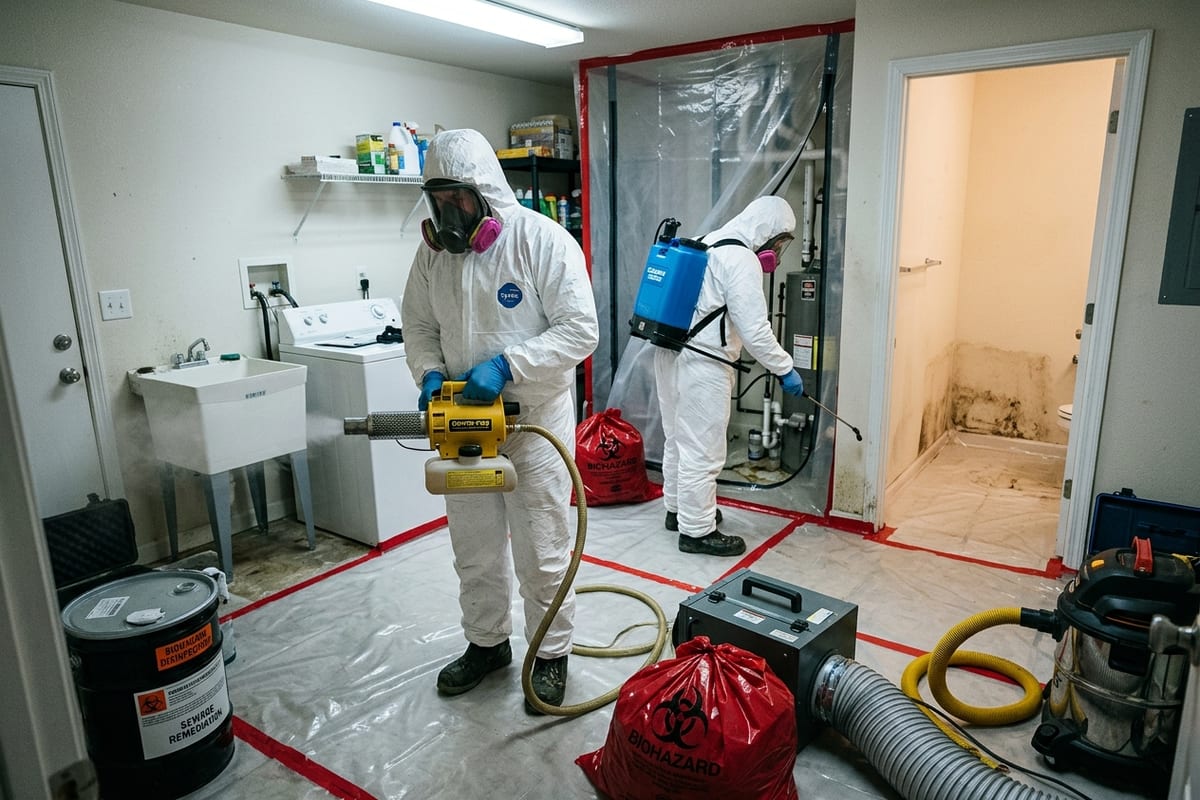
Sewage cleanup safely extracts hazardous Category 3 black water containing dangerous bacteria and pathogens, removes saturated porous building materials, and sanitizes contaminated surfaces with broad-spectrum disinfectants.
Understanding Sewage Backup & Biohazard Cleanup
A municipal sewer main backup, failed septic line, or clogged main drain pipe pushes raw wastewater back through toilets, showers, and floor drains. This Category 3 'black water' contains dangerous biohazards, including E. coli, Salmonella, viruses, and parasites that present immediate health risks.
Attempting to clean raw sewage without personal protective equipment (PPE) and commercial bio-wash chemicals exposes families to severe illness. WaterRestore Pro dispatches certified biohazard restoration teams nationwide with containment suits, full-face respirators, high-temperature extraction units, and commercial hydroxyl odor neutralizers.
Sewage Backup & Biohazard Cleanup at a Glance
- Target Dispatch Window
- 45 to 60 Minutes On-Site Nationwide
- Standard Drying Duration
- 3 to 5 Days Continuous Dehumidification
- Certified Standards
- IICRC S500 Water / S520 Mold Guidelines
- Insurance Compatibility
- Direct Xactimate Billing with All Major Carriers
Signs You Require Sewage Backup & Biohazard Cleanup
If you observe any of the following symptoms in your home, professional mitigation should begin immediately to limit permanent structural degradation:
What Happens During the Sewage Backup & Biohazard Cleanup Process?
Step 1: Hazard Containment & Biohazard Extraction
Technicians wearing full Tyvek PPE seal off contaminated zones and utilize closed-circuit vacuum equipment to extract raw sewage and solid waste.
Step 2: Removal of Bio-Saturated Materials
Contaminated carpets, pads, baseboards, and lower drywall are removed, double-bagged, and disposed of per municipal bio-waste standards.
Step 3: Disinfection & Pressure Sanitization
Remaining hard surfaces such as concrete slabs and framing studs are treated with hospital-grade virucides and sanitizing chemical washes.
Step 4: Thermal Fogging & Hydroxyl Deodorization
Industrial hydroxyl generators and thermal foggers chemically neutralize embedded sewer gas odors rather than merely masking them.
Water Damage Contamination Categories Compared
| Category | Water Sources | Health Risk Level | Degradation Time | Mitigation & Gear Protocol |
|---|---|---|---|---|
Category 1: Clean Water | Broken supply pipes (copper/PEX), overflowing sinks or bathtubs, falling rainwater, melting ice. | Low / Non-Hazardous Safe on skin initially; contains no harmful biological pathogens. | Degrades to Cat 2 within 24–48 hours as it dissolves carpet soils and drywall chemicals. | High-volume water extraction, centrifugal air movers, LGR dehumidifiers. Porous materials (drywall, carpet) are typically 100% salvageable. |
Category 2: Grey Water | Washing machine discharge, dishwasher overflows, aquarium leaks, sump pump failures with soil runoff. | Moderate Biological Risk May cause discomfort or illness if ingested; contains chemicals, detergents, and bacteria. | Degrades to Cat 3 within 24–48 hours as microbial colonies rapidly multiply. | Immediate extraction, removal and safe disposal of carpet pad, botanical antimicrobial application, structural cavity drying. |
Category 3: Black Water | Municipal sewage backups, toilet overflows containing feces, river/stream storm surges, stagnant water >72 hrs. | Severe / Biohazard Grossly contaminated with infectious pathogens, E. coli, heavy metals, and toxic fungi. | Immediate biohazard hazard from first minute of intrusion. | Full Hazmat PPE (respirators, suits), negative air containment, total disposal of affected porous items (drywall, insulation, carpet), hospital-grade sanitization. |
Source: Standardized per ANSI/IICRC S500 Standard and Reference Guide for Professional Water Damage Restoration.
What Dictates the Cost of Sewage Backup & Biohazard Cleanup?
Because water migration depth and contamination levels vary widely between properties, disaster restoration cannot be accurately quoted with flat rates over the phone. Certified technicians evaluate four objective factors:
Hazard Classification & PPE Requirements
Category 3 water requires specialized personal protective equipment, containment protocols, and certified biohazard disposal fees.
Contamination Spread Across Rooms
Sewage that has migrated across multiple rooms or seeped into HVAC vents requires extensive duct sanitization.
Required Plumbing Clearing or Camera Inspection
Technicians coordinate with licensed plumbers to clear main sewer line obstructions or root intrusion.
Drying Timeline & Restoration Estimation Matrix
| Water Category | Standard Drying Timeline | Commercial Equipment Deployed | Material Salvageability | Primary Cost Drivers |
|---|---|---|---|---|
| Category 1 (Clean Water) | 3 to 5 Days | High-velocity centrifugal air movers, Low-Grain Refrigerant (LGR) dehumidifiers, weighted extraction tools. | High Salvageability: Drywall, baseboards, framing, and clean carpets are dried in-place without demolition if addressed within 48h. | Square footage of affected rooms, number of drying units deployed, equipment running days, thermal moisture mapping logs. |
| Category 2 (Grey Water) | 4 to 6 Days | Commercial LGR dehumidifiers, negative air scrubbers with HEPA filtration, botanical antimicrobial ULV foggers. | Selective Salvage: Carpet padding removed and discarded; carpets disinfected; structural framing and subfloor saved. | Padding disposal, antimicrobial applications, targeted flood cuts (24-inch drywall cuts), extended drying duration. |
| Category 3 (Black Water) | 5 to 7+ Days | Negative pressure air scrubbers, desiccant dehumidifiers, hospital-grade biocidal washes, full Level C PPE. | Non-Salvageable: All saturated porous materials (carpet, pad, drywall, insulation) must be removed per health codes. | Hazardous waste disposal, containment barriers, controlled demolition, thorough antimicrobial scrub, reconstruction. |
Direct Insurance Billing Notice (Xactimate Pricing Standard):
Restoration contractors utilize Xactimate®—the standardized estimating software used by State Farm, Allstate, Travelers, Liberty Mutual, and all major insurance carriers—ensuring line-item pre-negotiated rates for equipment, labor, and materials.
Homeowner Action Guidelines
Safe Actions While Waiting
- •Evacuate children, pets, and individuals with respiratory conditions away from contaminated areas immediately.
- •Shut off the main water supply to prevent anyone running faucets and adding further volume to the backed-up sewer line.
Hazardous: Do Not Attempt
- •Never attempt to handle raw sewage or contaminated water without full rubber boots, gloves, and respiratory protection.
- •Never run the dishwasher, washing machine, or flush any toilets until the sewer blockage is completely cleared.
Frequently Asked Questions About Sewage Backup & Biohazard Cleanup
Is raw sewage considered a biohazard?+
Yes. Raw sewage is classified as Category 3 'black water' under IICRC standards because it carries harmful pathogens, bacteria, and toxic gases that cause serious gastrointestinal and respiratory infections.
Does homeowners insurance cover sewer backup?+
Standard homeowners insurance policies often exclude sewer backup unless an optional 'Water Backup and Sump Overflow' endorsement was added to the policy. WaterRestore Pro helps document the loss directly for your insurance adjuster.
Sewage Backup & Biohazard Cleanup Available Nationwide:
Related Disaster Restoration Services
Coordinating structural extraction, mold abatement, and complete property recovery.
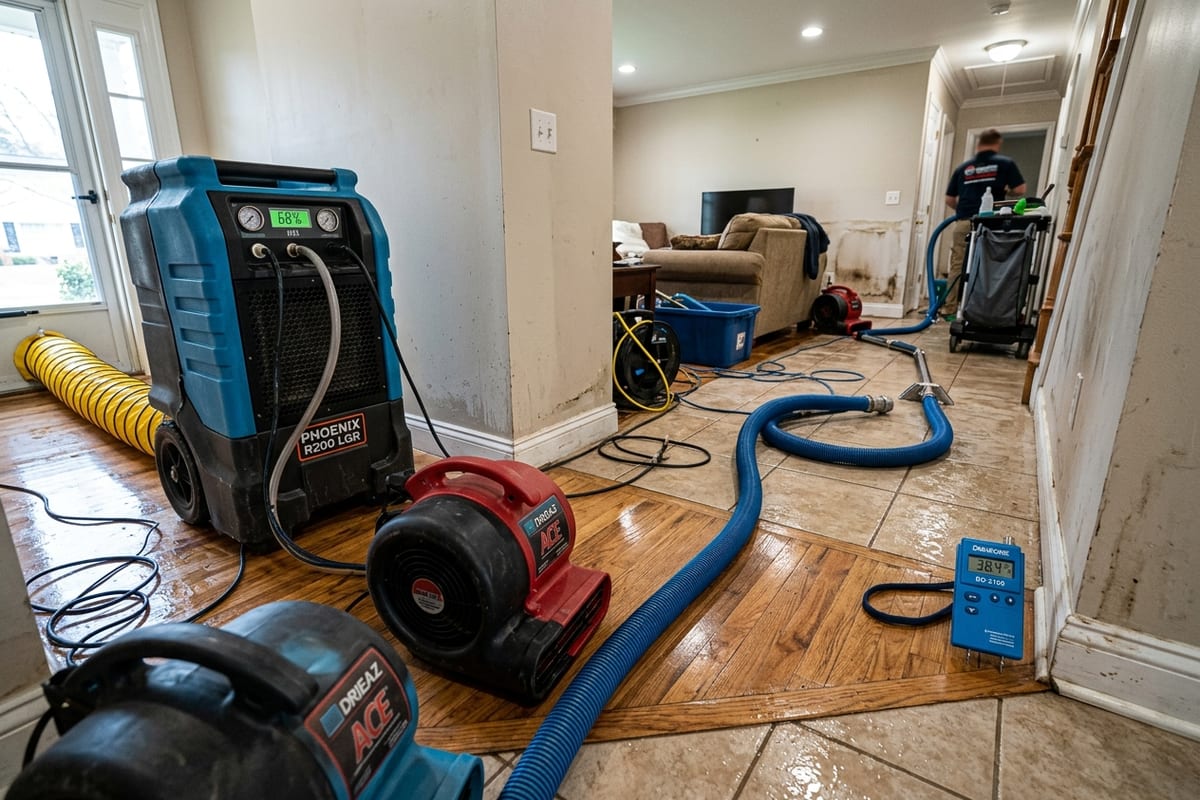
Water Damage Restoration→
Professional water damage restoration stops progressive structural deterioration, extracts standing water with truck-mounted pumps, and dries internal wall cavities using industrial dehumidifiers within 72 hours to prevent hazardous mold growth.
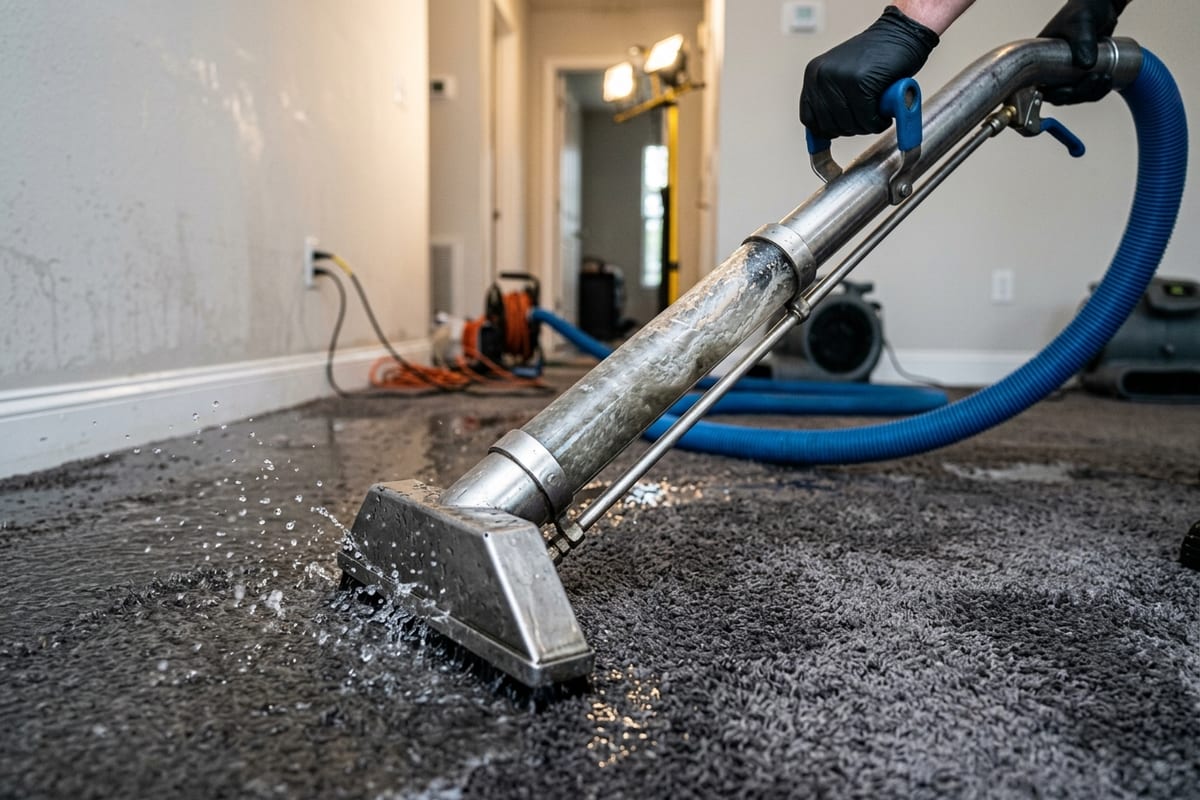
Emergency Water Extraction→
Emergency water extraction uses heavy-duty submersible pumps and truck-mounted vacuum units to physically extract hundreds of gallons of standing water per hour from flooded homes and businesses before structural framing absorbs it.
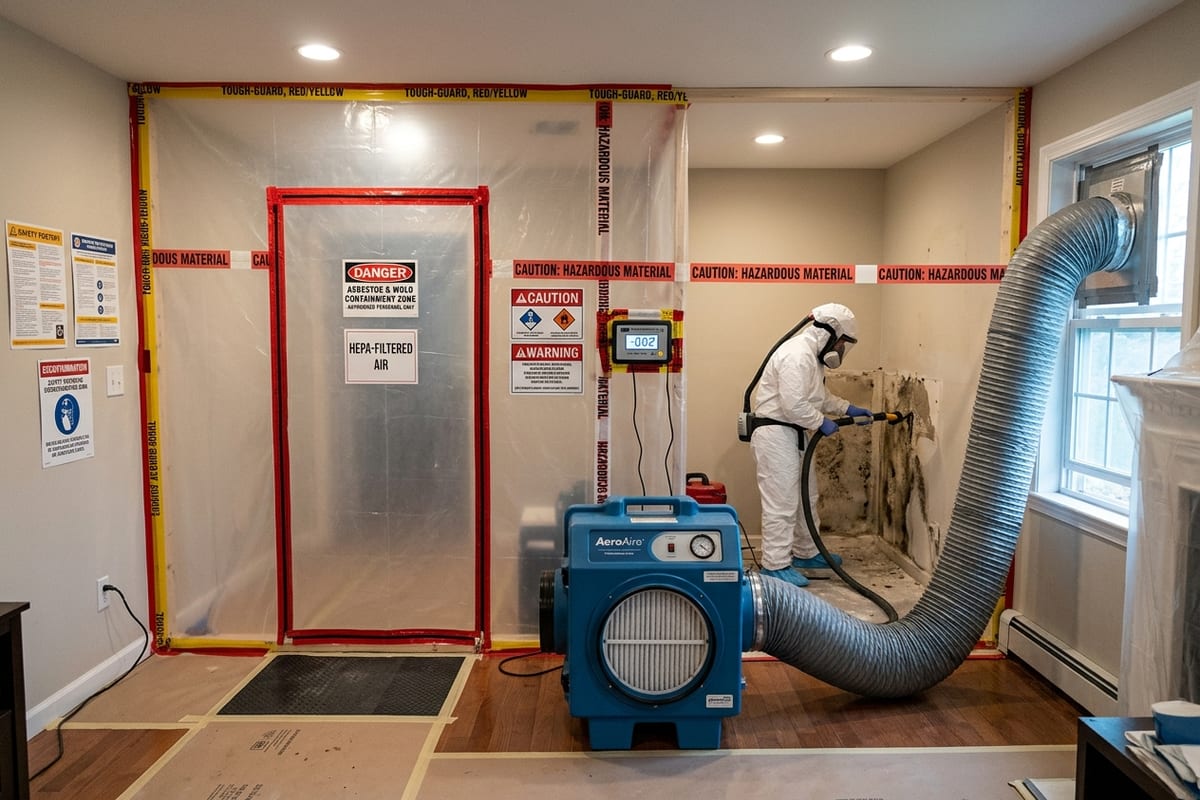
Mold Remediation & Removal→
Certified mold remediation isolates active fungal colonies under negative air pressure, safely removes colonized building materials, and purifies indoor air with HEPA scrubbers to eliminate mycotoxins and prevent recurrence.
Standing Water in Your Home? Minutes Count.
Emergency water extraction units are on call 24 hours a day across all major metropolitan service areas. Call now for priority dispatch.