Water Damage Restoration in Phoenix, AZ
Phoenix is the state capital of Arizona and the fifth most populous city in the United States, home to over 1.6 million residents across 517 square miles of the Sonoran Desert. Characterized by intense summer solar radiation, concrete-hard caliche soil strata, and violent convective summer monsoon storms, Phoenix properties face severe under-slab plumbing shearing, flat roof drainage failures, and high-temperature pipe degradation.
Phoenix, AZ Coverage Facts
- Jurisdiction
- Maricopa County
- Target Response Time
- 45 to 60 Minutes On-Site
- Disaster Coverage
- 24/7, 365 Days a Year
- Covered ZIP Codes
- 85003, 85016, 85018, 85044
Housing Architecture & Water Risks in Phoenix, AZ
Residential construction in Phoenix spans mid-century red brick and slump block ranch homes in Arcadia and the Central Corridor to contemporary master-planned stucco residences in Ahwatukee and Desert Ridge. Nearly all homes are constructed on monolithic concrete slabs with domestic copper or PEX plumbing lines subjected to highly mineralized municipal water.
Key Local Restoration Issues in Phoenix
Monsoonal Microburst Flat Roof Ponding & Scupper Blockage
Severe North American monsoon storms drop over 2 inches of torrential rain in 45 minutes; debris clogs parapet scupper drains on flat gravel and foam roofs, forcing standing water to breach ceilings.
Caliche Hardpan Soil Shear on Under-Slab Plumbing
Cement-hard subterranean caliche formations prevent groundwater absorption and shift under seasonal moisture swings, placing extreme shear strain on under-slab copper supply lines and sewer laterals.
High-Temperature Attic PEX Thermal Breakdown
Summer attic temperatures exceeding 140°F accelerate the thermal degradation of PEX crimp rings and push-fit plumbing fittings, triggering sudden high-capacity ceiling ruptures across multi-story homes.
Regional Climate & Weather Risks in Phoenix
Geology, Soil & Foundation Dynamics in Phoenix
Building Stock & Primary Dispatch Triggers in Phoenix
Post-tensioned slab-on-grade single-story stucco construction, clay tile roofing, and master-planned desert communities.
- •Attic water heater expansion tank failures triggered by extreme summer attic heat
- •RO (reverse osmosis) filtration and water softener flex line splits
- •Monsoon flash flood breaches through sliding patio doors and garage thresholds
- •Accelerated degradation of plastic and rubber plumbing fittings from high mineral content
Local Water & Infrastructure Profile: Phoenix
Local Response & Property Access Protocols in Phoenix
Insurance Claim Documentation & Billing Guidelines in Arizona
In Arizona, emergency water damage claims fall under the jurisdiction of the Arizona Department of Insurance and Financial Institutions (DIFI) under A.R.S. § 20-461 and A.A.C. R20-6-801. Insurers must acknowledge claims within 10 working days and provide acceptance or rejection within 15 business days after receiving completed proofs of loss. Arizona property owners have the right to select their own restoration professional. In the desert Southwest, high indoor temperatures accelerate evaporation and secondary moisture damage to slab-on-grade flooring and drywall. Certified contractors establish dry standards using moisture meters and furnish adjusters with itemized Xactimate documentation to facilitate direct insurance billing. Arizona Department of Insurance and Financial Institutions (DIFI) regulations require verifiable proof of sudden water discharge under A.R.S. § 20-461. In the desert Southwest, high indoor heat accelerates evaporation, necessitating controlled containment and daily psychrometric logging of ambient humidity, temperature, and material moisture content. Technicians provide adjusters with thermal imaging maps, plumbing breach photography, and standardized Xactimate line-item estimates, allowing direct insurance reimbursement and zero upfront out-of-pocket expenses on covered claims.
Policyholder Rights & Independent Contractor Selection in Arizona
Under Arizona insurance regulations, residential and commercial property owners maintain the full legal authority to hire any licensed, independent disaster restoration contractor of their choice. Insurance carriers and claims adjusters are prohibited from steering or mandating the use of preferred network vendors. WaterRestore Pro dispatches certified local mitigation specialists who adhere strictly to ANSI/IICRC S500 standards, recording daily psychrometric logs, moisture baselines, and thermal imaging scans. All repair scopes are compiled using standardized Xactimate line items and submitted directly to your insurance company, supporting direct carrier billing and protecting homeowners from upfront costs on covered peril claims.
Common Emergency Calls in Phoenix
Local ProtocolWater Damage Restoration→
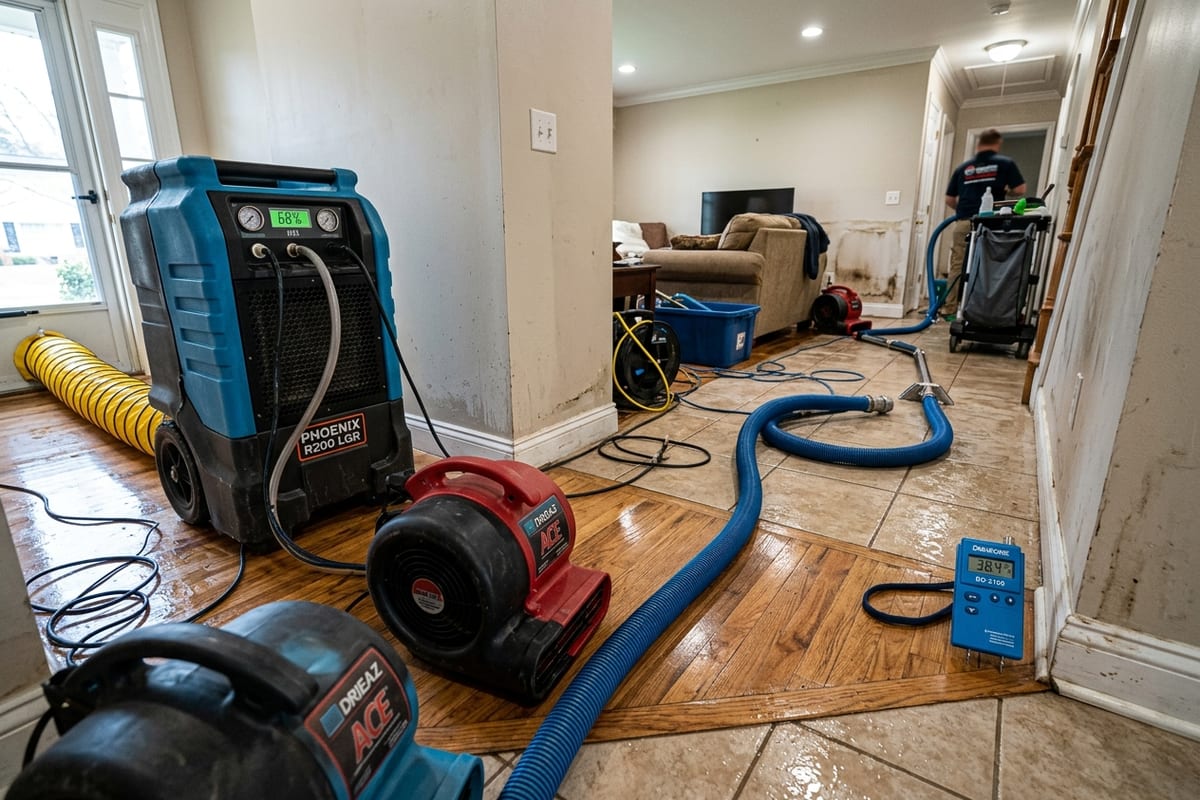
Professional water damage restoration stops progressive structural deterioration, extracts standing water with truck-mounted pumps, and dries internal wall cavities using industrial dehumidifiers within 72 hours to prevent hazardous mold growth.
 Local Protocol
Emergency Water Extraction→
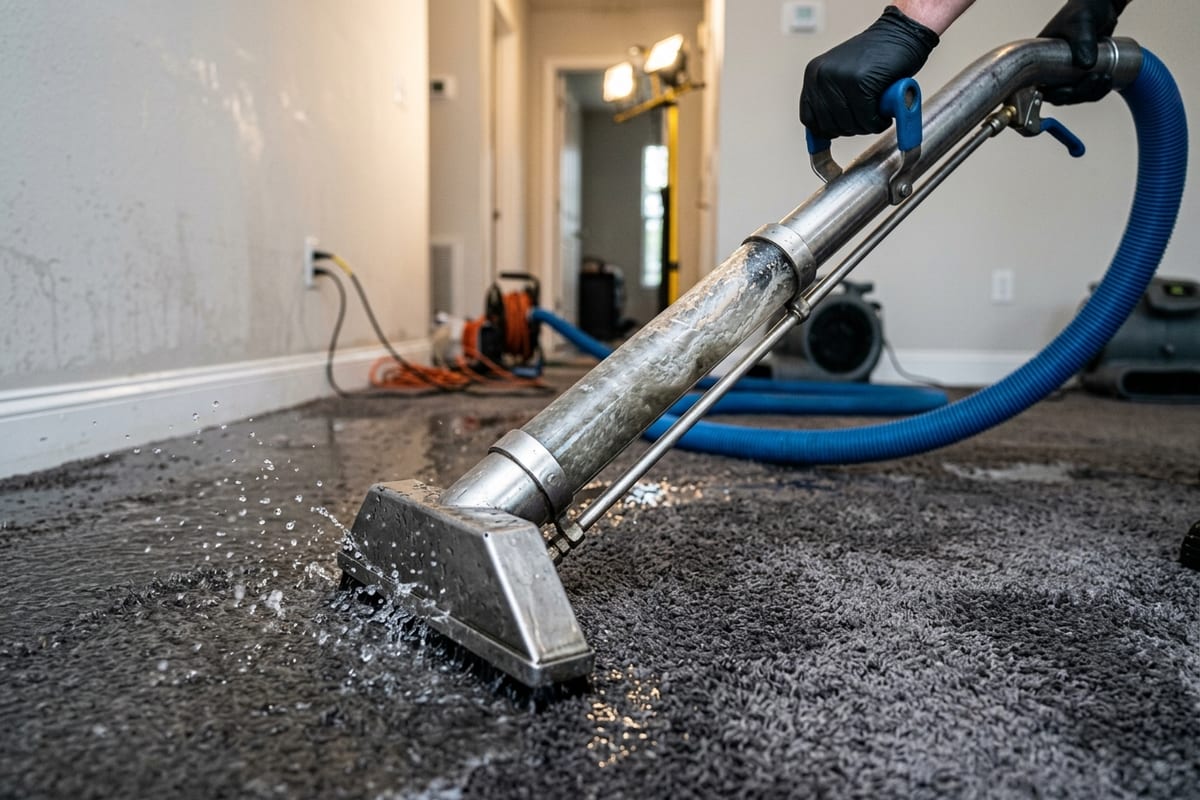
Emergency water extraction uses heavy-duty submersible pumps and truck-mounted vacuum units to physically extract hundreds of gallons of standing water per hour from flooded homes and businesses before structural framing absorbs it.
 Local Protocol
Burst & Frozen Pipe Cleanup→
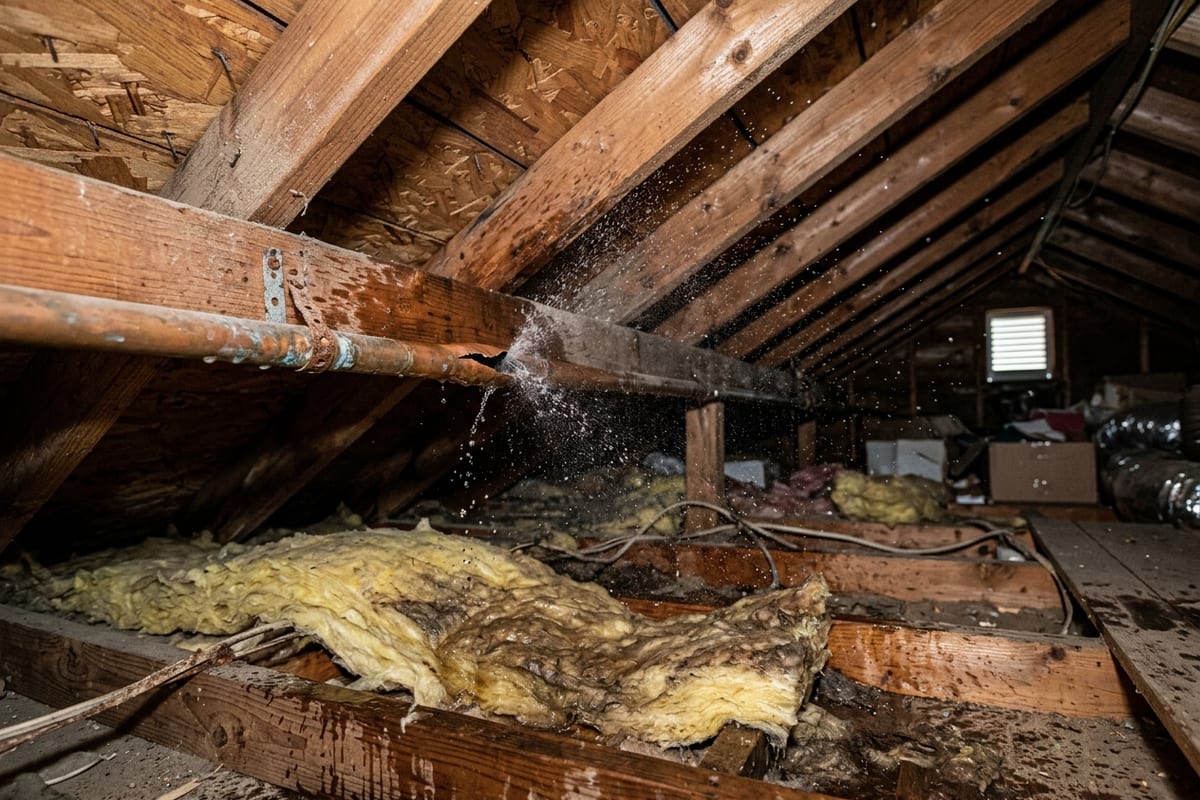
Burst pipe cleanup addresses high-pressure plumbing ruptures in attics, crawlspaces, and interior walls by immediately stopping water flow, extracting water cascading through ceilings, and drying framing to prevent structural rot.
 Local Protocol
Slab Leak Water Damage Cleanup→
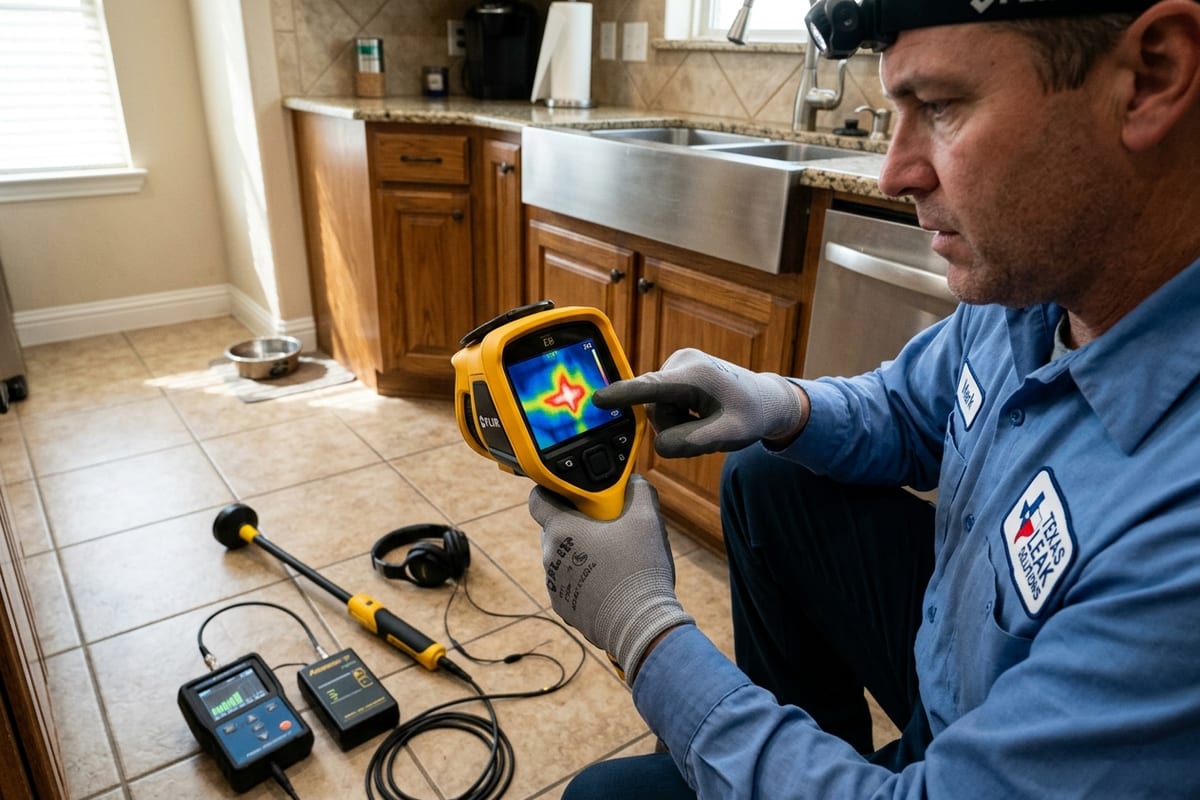
Slab leak water damage restoration extracts water migrating up through concrete foundation cracks into floors, baseboards, and walls, utilizing specialized desiccant dehumidifiers and drying mats to restore subfloor framing.
Check 45–60 Min Response Time for Your Phoenix ZIP Code
WaterRestore Pro dispatches IICRC-certified emergency teams across Maricopa County 24 hours a day, 365 days a year. Verify rapid on-site coverage for your postal code:
Check Your ZIP Code Coverage
Verify immediate 45–60 minute emergency water extraction dispatch across our 50-state nationwide coverage network.
Frequently Asked Questions in Phoenix, AZ
Why are attic water heater leaks catastrophic in Phoenix homes?+
Many Phoenix homes have water heaters located in unconditioned attics. Extreme attic temperatures combined with hard municipal water accelerate tank corrosion. When a tank ruptures, 40 to 75 gallons of pressurized water collapse drywall ceilings, soak insulation, and travel down internal wall cavities. WaterRestore Pro responds immediately to extract water and dry structural joists.
How does caliche soil complicate water drainage in Maricopa County?+
Caliche is an impermeable calcium carbonate cemented soil layer common in the Phoenix valley. When torrential monsoon downpours strike, water cannot seep into the subsoil, creating sudden surface flooding that pools against stucco home foundations. We provide perimeter water extraction, barrier containment, and indoor psychrometric drying.
How quickly must water mitigation begin in Phoenix despite the dry climate?+
Although outdoor air is dry, water trapped behind sealed stucco, baseboards, or inside cabinetry creates an isolated hyper-humid micro-environment where mold flourishes within 36 hours. Professional drying with negative pressure cavity drying systems is essential.
Nearby Communities We Serve:
Standing Water in Your Home? Minutes Count.
Emergency water extraction units are on call 24 hours a day across all major metropolitan service areas. Call now for priority dispatch.