Water Damage Restoration in Fort Worth, TX
Fort Worth combines historic Texas charm with tremendous modern suburban expansion across Tarrant County. From historic craftsman estates in Fairmount and mid-century ranches in Ridglea Hills to massive modern subdivisions in Alliance and North Fort Worth, local homes face significant water damage risks from severe Trinity River watershed storms, shifting caliche clay soil, and winter attic pipe freezes.
Fort Worth, TX Coverage Facts
- Jurisdiction
- Tarrant County
- Target Response Time
- 45 to 60 Minutes On-Site
- Disaster Coverage
- 24/7, 365 Days a Year
- Covered ZIP Codes
- 76102, 76104, 76107, 76109, 76110, 76116, 76123, 76132, 76133, 76137, 76179
Housing Architecture & Water Risks in Fort Worth, TX
Fort Worth's housing stock ranges from turn-of-the-century historic residences with raised pier-and-beam foundations to post-war slab ranches and 2000s master-planned developments. Older pier-and-beam crawl spaces are notoriously prone to hidden pipe leaks and mold growth, while modern concrete slabs suffer from pressure-induced supply pipe failures.
Key Local Restoration Issues in Fort Worth
West Fork Trinity River Storm Drainage
Heavy supercells trigger flash flooding along the West and Clear Forks of the Trinity River, flooding residential garages, daylight basements, and ground-level living areas.
Crawl Space Moisture & Mold Colonization
The numerous historic homes in Fairmount and central Fort Worth feature vented pier-and-beam crawl spaces that trap humid summer air, causing rapid subfloor fungal blooms and wood rot.
Hard Water Mineral Scale & Pipe Corrosion
Water drawn from Lake Worth and Benbrook contains elevated mineral hardness that accelerates galvanic corrosion on aging copper water supply fittings.
Regional Climate & Weather Risks in Fort Worth
Geology, Soil & Foundation Dynamics in Fort Worth
Building Stock & Primary Dispatch Triggers in Fort Worth
Historic craftsman bungalows, expansive single-story brick ranch homes, master-planned suburban developments, and large commercial warehousing corridors.
- •Under-slab plumbing line breaks caused by expansive clay soil movement
- •Burst pipes during sudden sub-freezing Texas cold snaps
- •Roof leaks from large-diameter hail puncturing composite shingles
- •Polybutylene pipe failures in 1980s and 1990s residential developments
Local Water & Infrastructure Profile: Fort Worth
Local Response & Property Access Protocols in Fort Worth
Insurance Claim Documentation & Billing Guidelines in Texas
Property owners in Texas filing a water damage insurance claim are protected under the Texas Insurance Code Chapter 542 (Prompt Payment of Claims Act). Under Texas law, insurance carriers must acknowledge receipt of a claim, commence investigation, and request all necessary documentation within 15 calendar days (or 30 days during state-declared disaster weather events). Following receipt of required proofs of loss, carriers must accept or reject the claim within 15 business days and disburse payment within 5 business days of approval. Under Texas Department of Insurance (TDI) regulations, policyholders retain the statutory right to select their own independent, IICRC-certified restoration contractor rather than accepting a preferred carrier vendor. To ensure coverage approval, mitigation contractors must provide itemized Xactimate line-item estimates, daily psychrometric chamber logs, FLIR thermal imaging documentation establishing the moisture boundary, and clear evidence separating sudden accidental discharge from gradual deterioration. For covered peril claims, direct contractor billing can be coordinated under policy authorization forms to minimize upfront policyholder out-of-pocket costs aside from the statutory policy deductible. Under Texas Department of Insurance (TDI) oversight and ANSI/IICRC S500 guidelines, mitigation specialists in Texas must provide adjusters with a complete digital claim substantiation package. This requires initial FLIR thermal imaging surveys establishing the exact perimeter of moisture migration, daily psychrometric logs recording ambient temperature, relative humidity, and humidity ratio (GPP), and calibrated moisture probe readings across drywall, framing studs, and subfloors. Because Texas homes frequently experience slab foundation shifting from expansive clay, crews document that plumbing breaches occurred suddenly and accidentally. Itemized Xactimate estimates adhering to regional Texas unit pricing enable seamless carrier review and direct insurance billing, shielding policyholders from out-of-pocket costs aside from their statutory policy deductible.
Policyholder Rights & Independent Contractor Selection in Texas
Under Texas insurance regulations, residential and commercial property owners maintain the full legal authority to hire any licensed, independent disaster restoration contractor of their choice. Insurance carriers and claims adjusters are prohibited from steering or mandating the use of preferred network vendors. WaterRestore Pro dispatches certified local mitigation specialists who adhere strictly to ANSI/IICRC S500 standards, recording daily psychrometric logs, moisture baselines, and thermal imaging scans. All repair scopes are compiled using standardized Xactimate line items and submitted directly to your insurance company, supporting direct carrier billing and protecting homeowners from upfront costs on covered peril claims.
Common Emergency Calls in Fort Worth
Local ProtocolWater Damage Restoration→
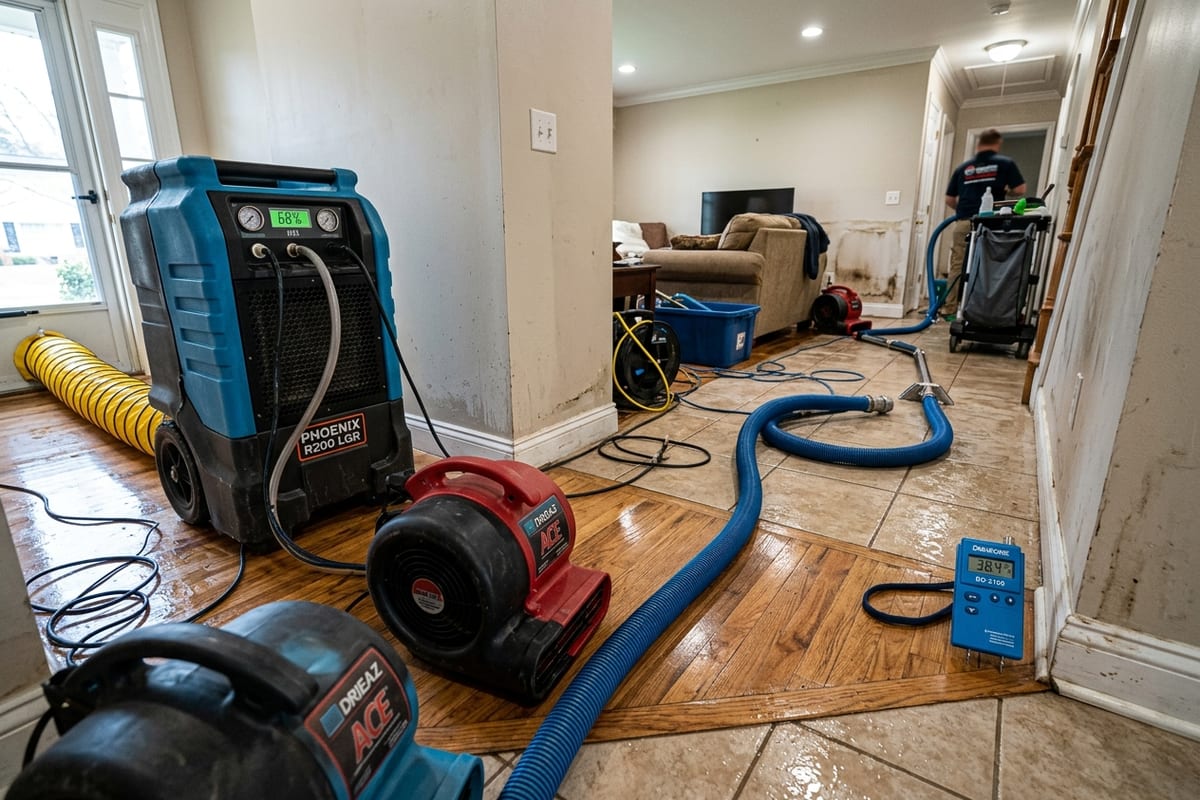
Professional water damage restoration stops progressive structural deterioration, extracts standing water with truck-mounted pumps, and dries internal wall cavities using industrial dehumidifiers within 72 hours to prevent hazardous mold growth.
 Local Protocol
Emergency Water Extraction→
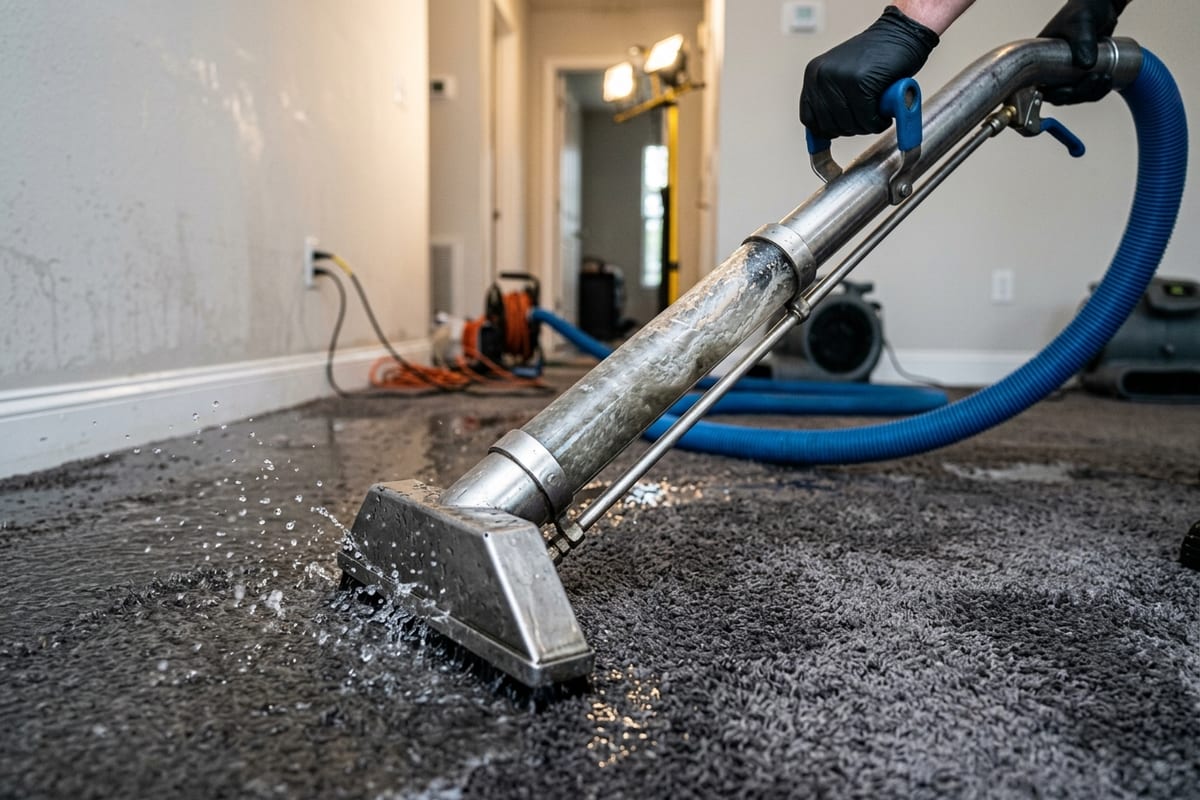
Emergency water extraction uses heavy-duty submersible pumps and truck-mounted vacuum units to physically extract hundreds of gallons of standing water per hour from flooded homes and businesses before structural framing absorbs it.
 Local Protocol
Burst & Frozen Pipe Cleanup→
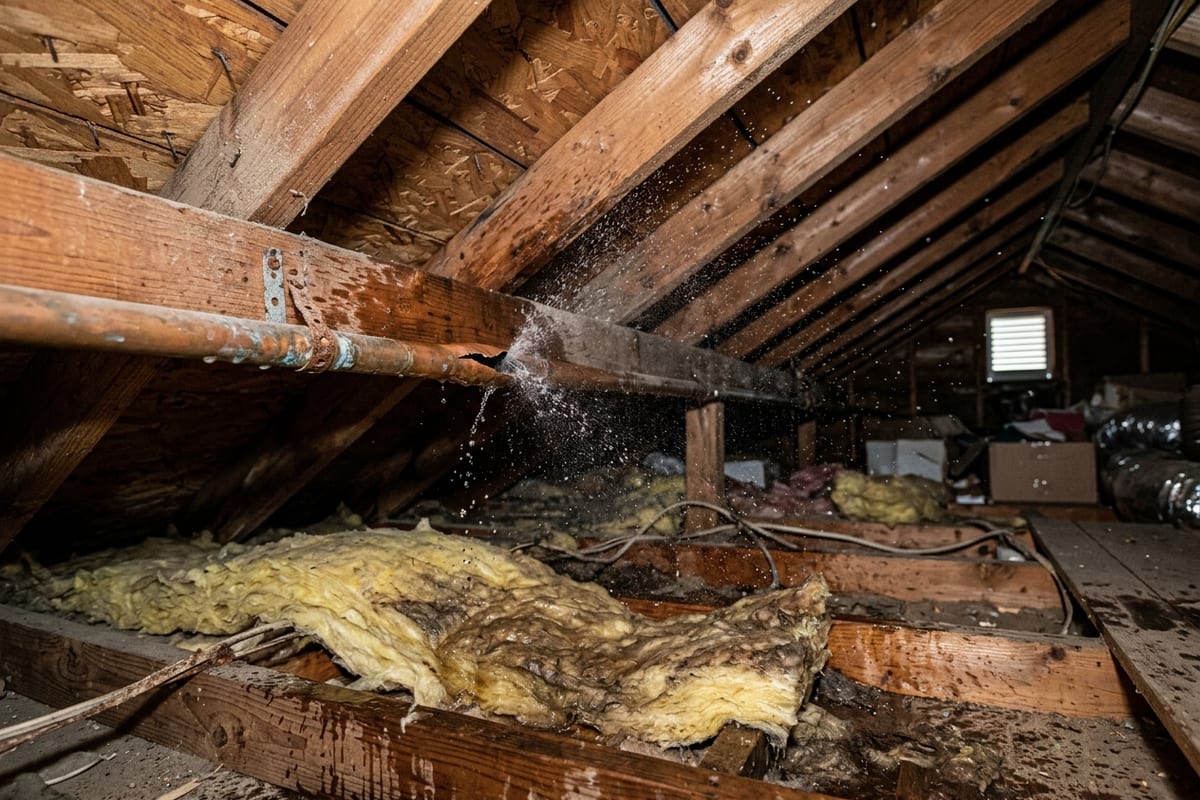
Burst pipe cleanup addresses high-pressure plumbing ruptures in attics, crawlspaces, and interior walls by immediately stopping water flow, extracting water cascading through ceilings, and drying framing to prevent structural rot.
 Local Protocol
Mold Remediation & Removal→
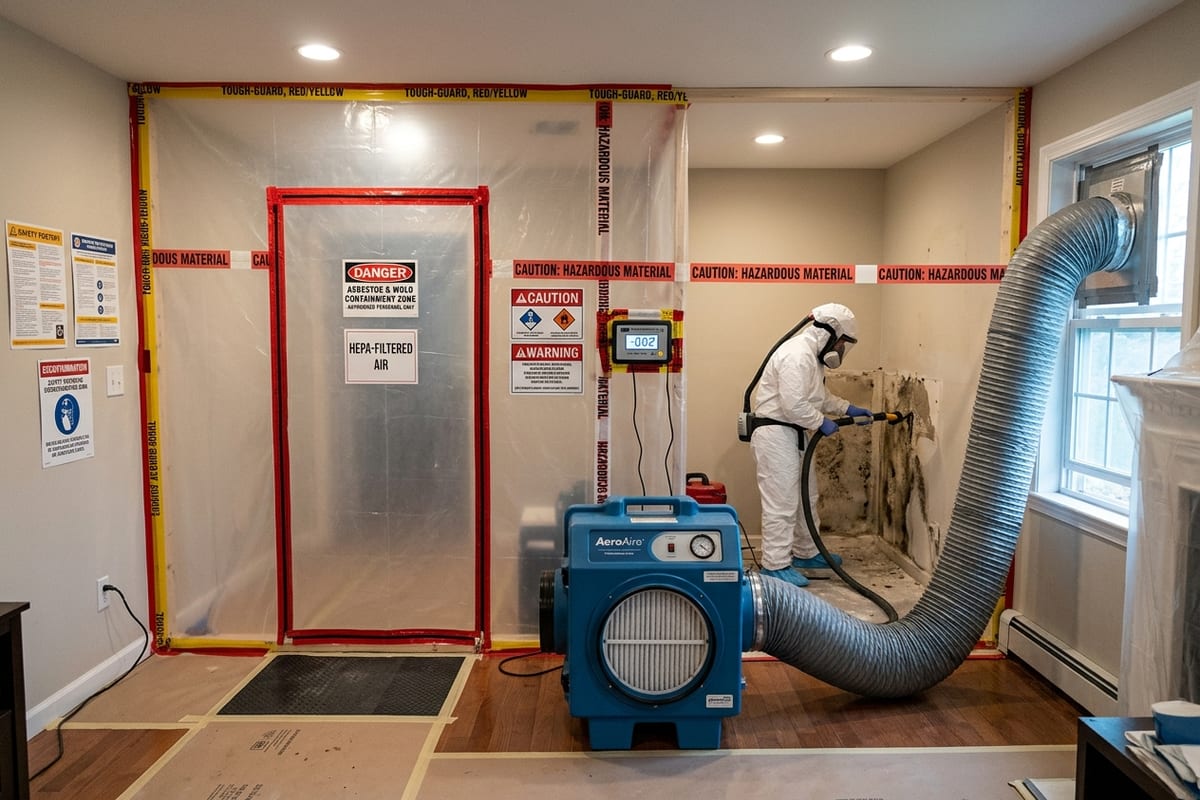
Certified mold remediation isolates active fungal colonies under negative air pressure, safely removes colonized building materials, and purifies indoor air with HEPA scrubbers to eliminate mycotoxins and prevent recurrence.
Check 45–60 Min Response Time for Your Fort Worth ZIP Code
WaterRestore Pro dispatches IICRC-certified emergency teams across Tarrant County 24 hours a day, 365 days a year. Verify rapid on-site coverage for your postal code:
Check Your ZIP Code Coverage
Verify immediate 45–60 minute emergency water extraction dispatch across our 50-state nationwide coverage network.
Frequently Asked Questions in Fort Worth, TX
How do polybutylene plumbing lines affect Fort Worth homes?+
Many homes built in Tarrant County between 1978 and 1995 were plumbed with polybutylene (gray plastic) pipes. These react with municipal oxidants, becoming brittle and bursting spontaneously inside walls or beneath slabs. WaterRestore Pro extracts water rapidly, dries framing, and coordinates with plumbers for permanent re-piping.
How quickly can WaterRestore Pro deploy emergency crews in Fort Worth?+
We maintain staged rapid-response dispatch units across Tarrant County, including Fort Worth, Arlington, Keller, and Burleson, targeting on-site arrival within 45 to 60 minutes for priority flood emergencies.
Will insurance pay to replace water-damaged hardwood floors in historic Fort Worth homes?+
If water damage is from a covered peril, insurance covers the cost of restoration or replacement. WaterRestore Pro uses advanced Injectidry floor mat systems to draw moisture out of hardwoods from the surface, often saving expensive historic wood without tearing it out.
Nearby Communities We Serve:
Standing Water in Your Home? Minutes Count.
Emergency water extraction units are on call 24 hours a day across all major metropolitan service areas. Call now for priority dispatch.