Fire & Smoke Damage Restoration Services
Fire damage restoration secures damaged structures with emergency board-up, removes corrosive acidic soot from walls and furnishings, and eliminates deep smoke odors using thermal foggers and hydroxyl generators.
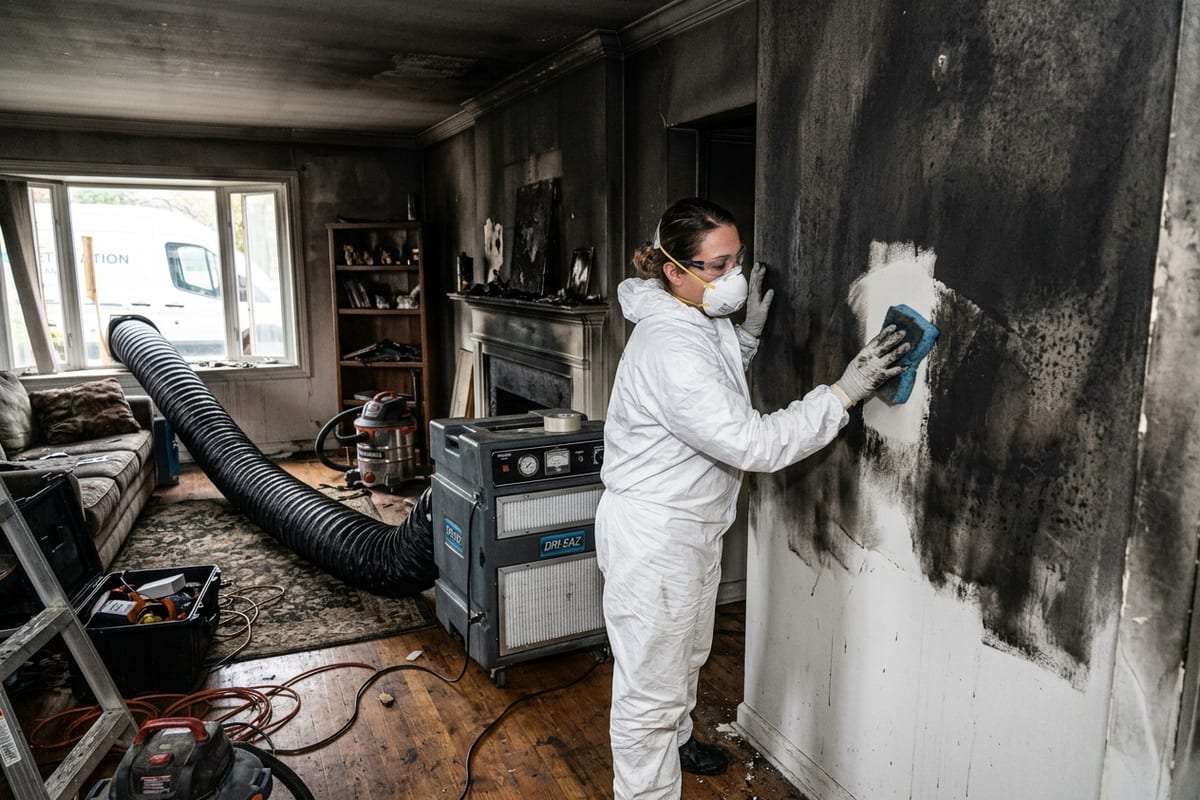
Understanding Fire & Smoke Damage Restoration
After a residential fire is extinguished by local fire departments, the combination of fire soot, caustic chemical extinguisher residue, and thousands of gallons of firefighting water creates an immediate multi-hazard crisis. Synthetic materials produce acidic soot that corrodes metals and permanently stains surfaces within 72 hours.
WaterRestore Pro connects property owners with comprehensive disaster recovery teams capable of handling both fire soot remediation and structural water extraction simultaneously. Technicians stabilize the property, neutralize hazardous particulate odors, and restore structural framing.
Fire & Smoke Damage Restoration at a Glance
- Target Dispatch Window
- 45 to 60 Minutes On-Site Nationwide
- Standard Drying Duration
- 3 to 5 Days Continuous Dehumidification
- Certified Standards
- IICRC S500 Water / S520 Mold Guidelines
- Insurance Compatibility
- Direct Xactimate Billing with All Major Carriers
Signs You Require Fire & Smoke Damage Restoration
If you observe any of the following symptoms in your home, professional mitigation should begin immediately to limit permanent structural degradation:
What Happens During the Fire & Smoke Damage Restoration Process?
Step 1: Emergency Board-Up & Tarping
Crews immediately secure compromised windows, doors, and roof penetrations with plywood and weatherproofing tarps to protect from weather and vandalism.
Step 2: Firefighting Water Extraction & Drying
Thousands of gallons of water used by fire crews are extracted immediately to prevent progressive rot and mold development alongside soot damage.
Step 3: Soot & Caustic Residue Mitigation
Specialized chemical sponges and dry-cleaning soot sponges remove particulate residues from walls without smearing acidic carbon into paint.
Step 4: Molecular Odor Neutralization
Hydroxyl and ozone generators break down complex smoke odor molecules trapped inside porous wood studs and masonry.
What Dictates the Cost of Fire & Smoke Damage Restoration?
Because water migration depth and contamination levels vary widely between properties, disaster restoration cannot be accurately quoted with flat rates over the phone. Certified technicians evaluate four objective factors:
Type of Smoke (Protein, Wet Smoke, Dry Smoke)
High-temperature dry wood smoke cleans differently than greasy, sticky low-temperature plastic or kitchen protein smoke.
Extent of Combined Water Damage
Firefighting water extraction adds substantial equipment requirements to fire recovery.
Structural Rebuilding Scope
Severely charred trusses and load-bearing framing require certified engineering plans and building permits.
Drying Timeline & Restoration Estimation Matrix
| Water Category | Standard Drying Timeline | Commercial Equipment Deployed | Material Salvageability | Primary Cost Drivers |
|---|---|---|---|---|
| Category 1 (Clean Water) | 3 to 5 Days | High-velocity centrifugal air movers, Low-Grain Refrigerant (LGR) dehumidifiers, weighted extraction tools. | High Salvageability: Drywall, baseboards, framing, and clean carpets are dried in-place without demolition if addressed within 48h. | Square footage of affected rooms, number of drying units deployed, equipment running days, thermal moisture mapping logs. |
| Category 2 (Grey Water) | 4 to 6 Days | Commercial LGR dehumidifiers, negative air scrubbers with HEPA filtration, botanical antimicrobial ULV foggers. | Selective Salvage: Carpet padding removed and discarded; carpets disinfected; structural framing and subfloor saved. | Padding disposal, antimicrobial applications, targeted flood cuts (24-inch drywall cuts), extended drying duration. |
| Category 3 (Black Water) | 5 to 7+ Days | Negative pressure air scrubbers, desiccant dehumidifiers, hospital-grade biocidal washes, full Level C PPE. | Non-Salvageable: All saturated porous materials (carpet, pad, drywall, insulation) must be removed per health codes. | Hazardous waste disposal, containment barriers, controlled demolition, thorough antimicrobial scrub, reconstruction. |
Direct Insurance Billing Notice (Xactimate Pricing Standard):
Restoration contractors utilize Xactimate®—the standardized estimating software used by State Farm, Allstate, Travelers, Liberty Mutual, and all major insurance carriers—ensuring line-item pre-negotiated rates for equipment, labor, and materials.
Homeowner Action Guidelines
Safe Actions While Waiting
- •Change your HVAC air filters immediately and keep the heating/cooling fan shut off to prevent soot recirculating.
- •Take comprehensive photographs of all charred and soot-damaged personal belongings before touching or discarding items.
Hazardous: Do Not Attempt
- •Do not wipe soot off walls with household wet rags or liquid detergents; this creates oily smears that permanently lock into paint.
- •Do not consume any open food packages or canned goods that were subjected to intense fire heat or smoke.
Frequently Asked Questions About Fire & Smoke Damage Restoration
Can smoke smell be permanently eliminated after a house fire?+
Yes. By using commercial hydroxyl generators, thermal foggers, and applying specialized shellac-based odor-blocking sealers to framing, smoke odor molecules are permanently broken down rather than masked.
What is the difference between wet smoke and dry smoke?+
Dry smoke comes from fast-burning high-temperature wood or paper fires and leaves powdery soot that is easier to clean. Wet smoke comes from low-heat, oxygen-deprived smoldering fires burning plastics and rubber, leaving sticky, pungent, corrosive soot.
Fire & Smoke Damage Restoration Available Nationwide:
Related Disaster Restoration Services
Coordinating structural extraction, mold abatement, and complete property recovery.
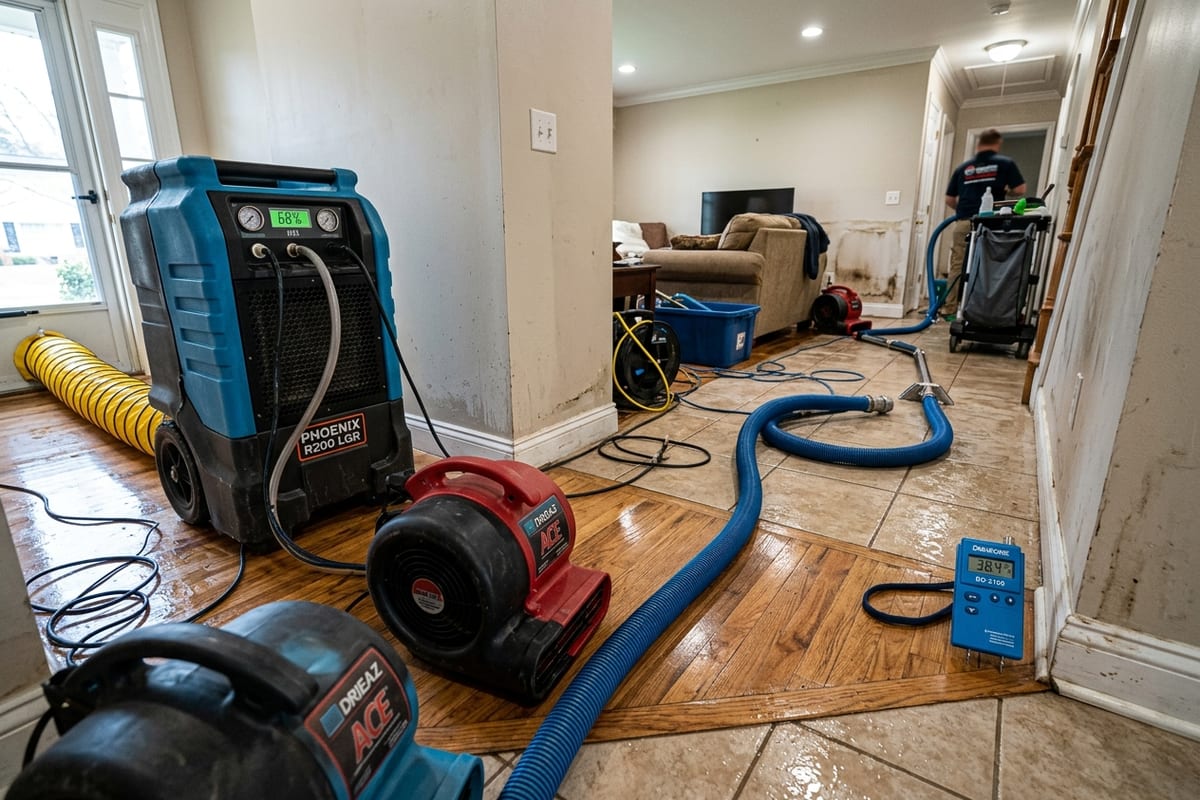
Water Damage Restoration→
Professional water damage restoration stops progressive structural deterioration, extracts standing water with truck-mounted pumps, and dries internal wall cavities using industrial dehumidifiers within 72 hours to prevent hazardous mold growth.
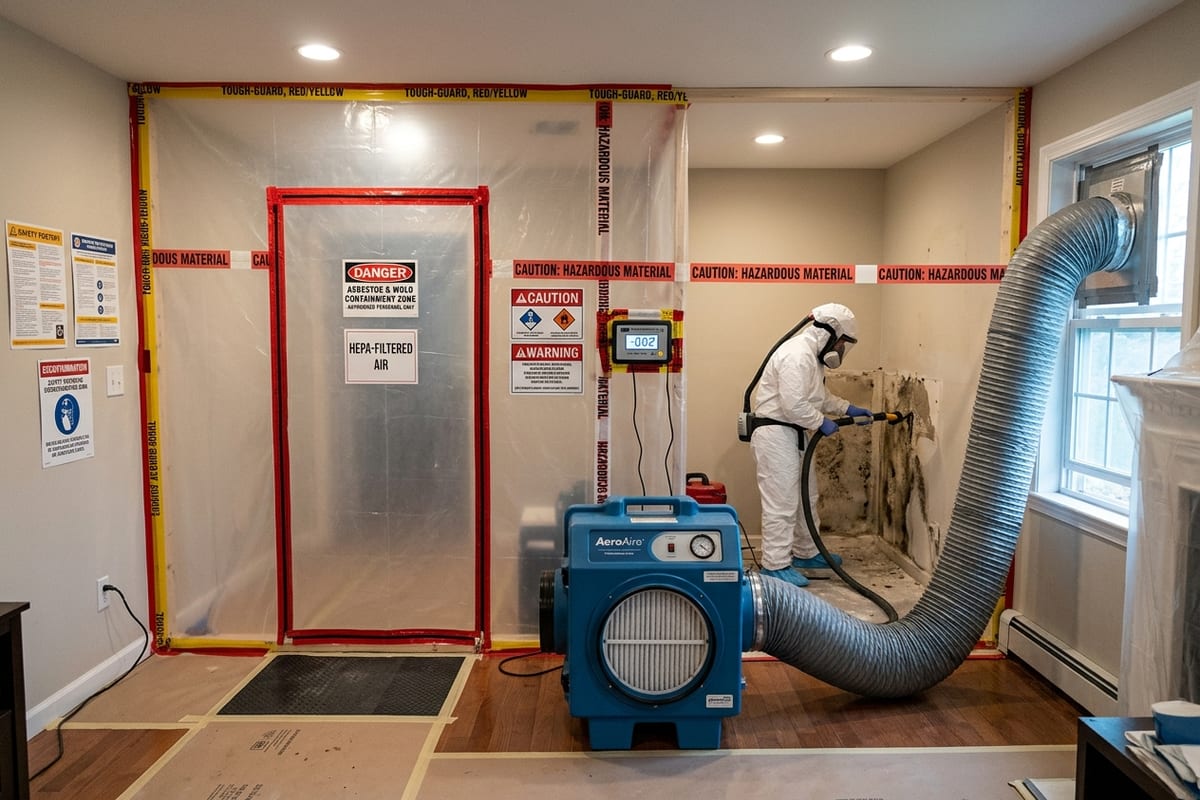
Mold Remediation & Removal→
Certified mold remediation isolates active fungal colonies under negative air pressure, safely removes colonized building materials, and purifies indoor air with HEPA scrubbers to eliminate mycotoxins and prevent recurrence.
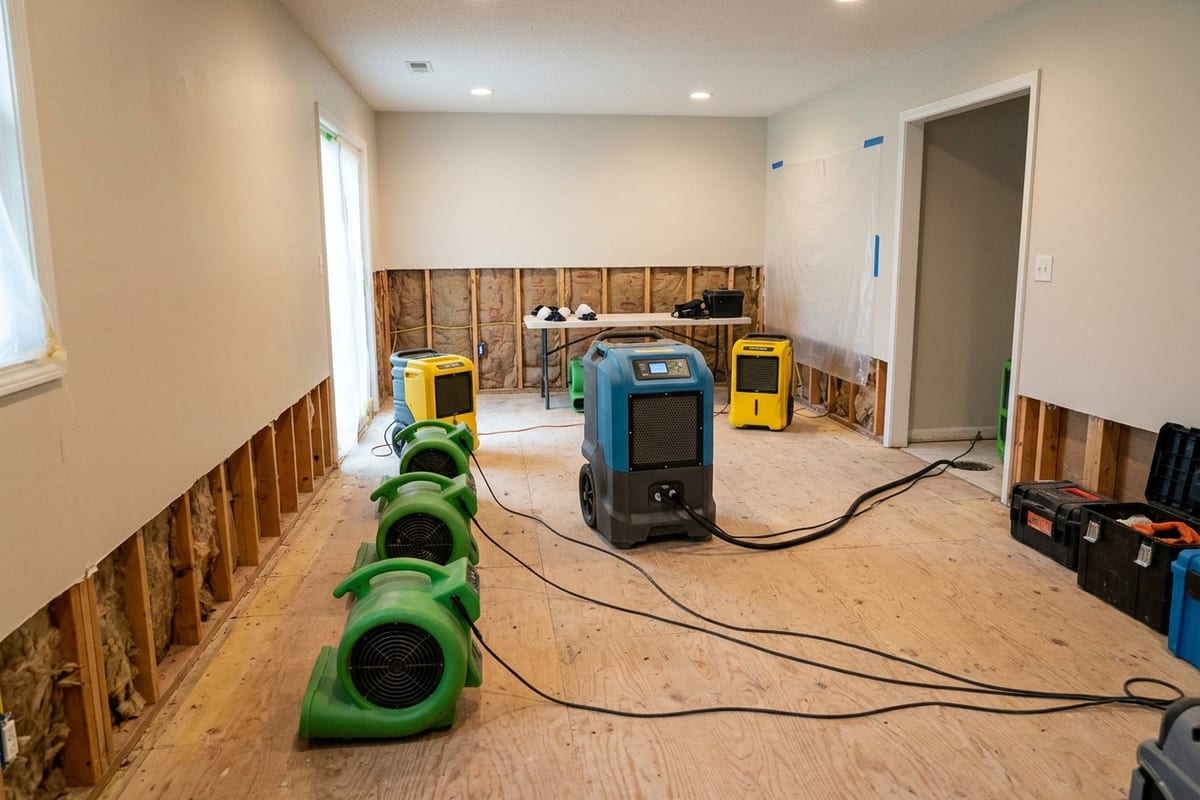
Structural Drying & Dehumidification→
Structural drying uses industrial low-grain refrigerant (LGR) dehumidifiers, centrifugal air movers, and moisture sensors to draw bound moisture out of concrete foundations, wood framing, and subfloors to prevent permanent decay.
Standing Water in Your Home? Minutes Count.
Emergency water extraction units are on call 24 hours a day across all major metropolitan service areas. Call now for priority dispatch.