Water Damage Restoration in Philadelphia, PA
Philadelphia is a historic metropolis characterized by iconic brick row homes in South Philly and Fishtown, classic brownstones in Center City, historic stone twin homes in Mount Airy, and riverfront developments along the Schuylkill and Delaware rivers. Properties face frequent water emergencies caused by aging combined sewer infrastructure, sub-grade stone cellar moisture infiltration, and severe winter pipe freeze-ups during polar cold snaps.
Philadelphia, PA Coverage Facts
- Jurisdiction
- Philadelphia County
- Target Response Time
- 45 to 60 Minutes On-Site
- Disaster Coverage
- 24/7, 365 Days a Year
- Covered ZIP Codes
- 19102, 19103, 19106, 19119, 19123, 19125, 19130, 19143, 19147, 19148
Housing Architecture & Water Risks in Philadelphia, PA
Housing stock is among the oldest in the country, largely consisting of 19th- and early 20th-century brick and stone row homes built over full sub-grade cellars with stone rubble foundation walls. Many basements feature historic unsealed stone mortar and thin concrete skim coats that are highly susceptible to hydrostatic groundwater seepage and sewer lateral back-surges during heavy thunderstorms.
Key Local Restoration Issues in Philadelphia
Combined Sewer System Storm Surcharges
Philadelphia Water Department's combined sewer system frequently surcharges during torrential summer thunderstorms, forcing contaminated Category 3 blackwater back through residential basement floor drains and wash tubs.
Historic Stone Rubble Basement Wall Seepage
Prolonged rainfall saturates urban clay soils, generating intense hydrostatic pressure against porous stone foundation walls and pushing water into finished and unfinished row home basements.
Sub-Zero Freeze Pipe Bursts in Row Home Plenums
Winter polar blasts freeze uninsulated domestic supply pipes in drafty front vestibules, exterior row home party wall cavities, and unheated basements, leading to catastrophic pressurized bursts.
Regional Climate & Weather Risks in Philadelphia
Geology, Soil & Foundation Dynamics in Philadelphia
Building Stock & Primary Dispatch Triggers in Philadelphia
Historic brick rowhouses with rubble stone foundations, brownstones, colonial stone homes, and converted industrial loft buildings.
- •Ruptured supply pipes in uninsulated brick party wall cavities
- •Aging cast-iron drain line collapse and joint separation
- •Basement seepage through porous 100-year-old stone masonry walls
- •Sump pump overflows during heavy Schuylkill River valley storms
Local Water & Infrastructure Profile: Philadelphia
Local Response & Property Access Protocols in Philadelphia
Insurance Claim Documentation & Billing Guidelines in Pennsylvania
Water damage insurance claims in Pennsylvania are regulated by the Pennsylvania Insurance Department under the Unfair Insurance Practices Act (40 P.S. § 1171) and 31 Pa. Code § 146. Insurance carriers are required to acknowledge claim notifications within 10 working days and complete their initial investigation within 30 days of receiving completed proofs of loss. Under Pennsylvania regulations, consumers cannot be coerced into using preferred network vendors; property owners retain the explicit right to engage independent IICRC-certified mitigation contractors. Given Pennsylvania's extensive inventory of historic brick and stone foundations, adjusters scrutinize water claims to distinguish between covered sudden interior pipe breaks and non-covered foundation hydrostatic groundwater infiltration. Certified restoration contractors provide digital thermal moisture maps, daily psychrometric dry logs, and itemized scope documentation that demonstrate adherence to IICRC S500 desiccation protocols, supporting straightforward direct carrier billing. Under Pennsylvania Insurance Department (PID) standards and 31 Pa. Code § 146, insurance carriers require comprehensive verification of emergency mitigation procedures. Professional restoration partners provide daily drying logs tracking ambient temperatures, relative humidity, and grains per pound (GPP) in accordance with ANSI/IICRC S500. In historic stone and brick structures across Pennsylvania, non-invasive moisture meters verify that masonry walls and timber joists reach equilibrium moisture content (EMC) without structural degradation. Estimates are submitted directly to adjusters using standardized Xactimate line items, supporting direct carrier billing and zero upfront mitigation costs for covered claims.
Policyholder Rights & Independent Contractor Selection in Pennsylvania
Under Pennsylvania insurance regulations, residential and commercial property owners maintain the full legal authority to hire any licensed, independent disaster restoration contractor of their choice. Insurance carriers and claims adjusters are prohibited from steering or mandating the use of preferred network vendors. WaterRestore Pro dispatches certified local mitigation specialists who adhere strictly to ANSI/IICRC S500 standards, recording daily psychrometric logs, moisture baselines, and thermal imaging scans. All repair scopes are compiled using standardized Xactimate line items and submitted directly to your insurance company, supporting direct carrier billing and protecting homeowners from upfront costs on covered peril claims.
Common Emergency Calls in Philadelphia
Local ProtocolWater Damage Restoration→
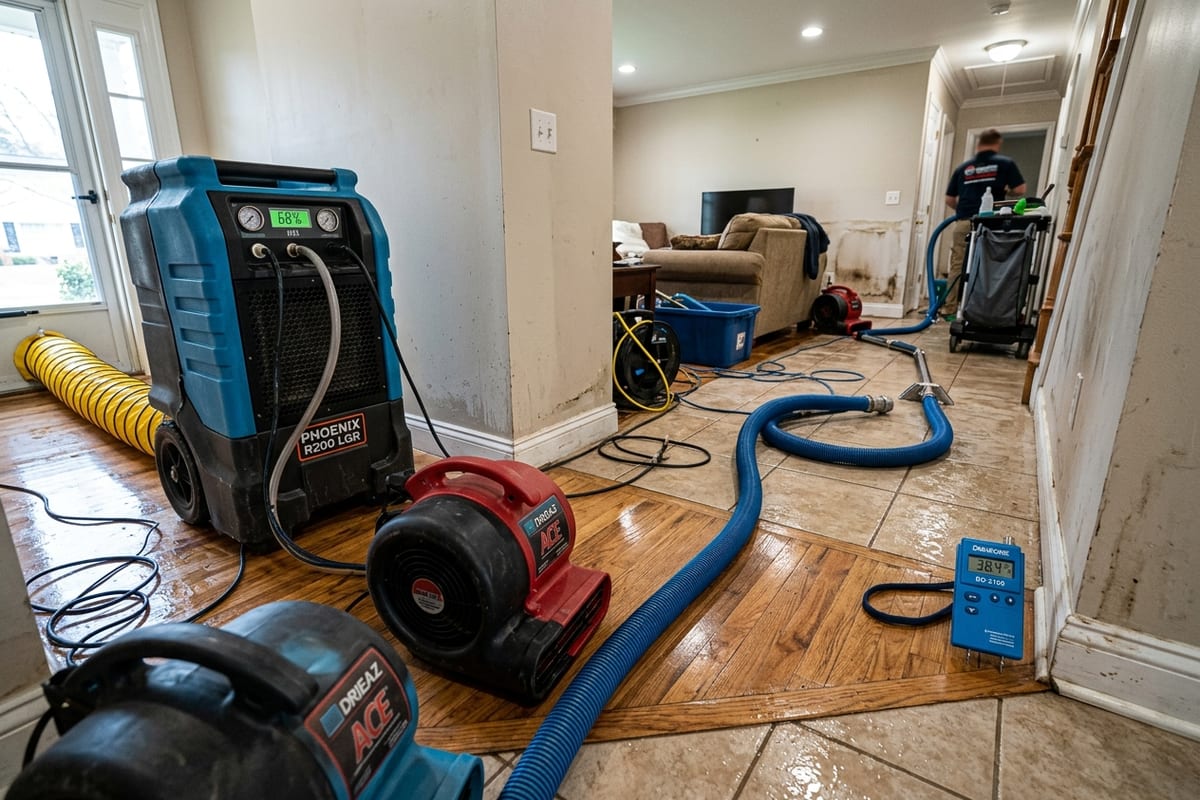
Professional water damage restoration stops progressive structural deterioration, extracts standing water with truck-mounted pumps, and dries internal wall cavities using industrial dehumidifiers within 72 hours to prevent hazardous mold growth.
 Local Protocol
Emergency Water Extraction→
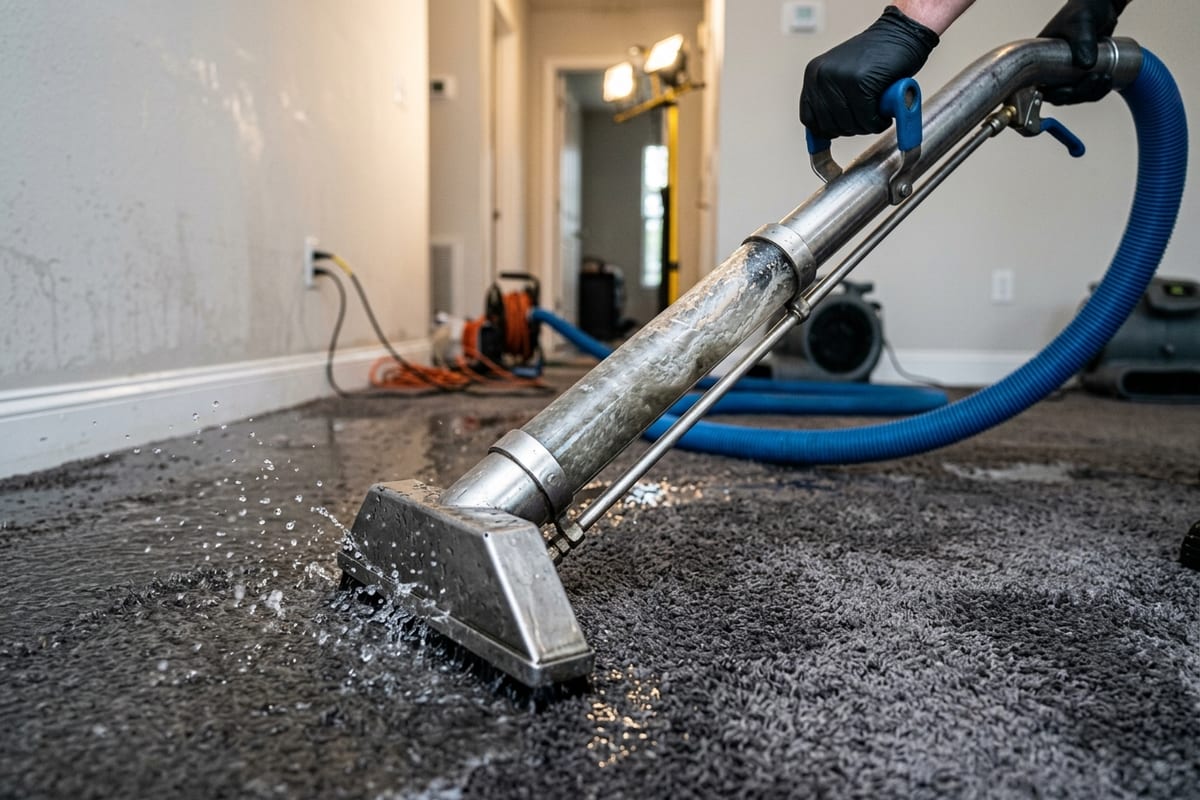
Emergency water extraction uses heavy-duty submersible pumps and truck-mounted vacuum units to physically extract hundreds of gallons of standing water per hour from flooded homes and businesses before structural framing absorbs it.
 Local Protocol
Burst & Frozen Pipe Cleanup→
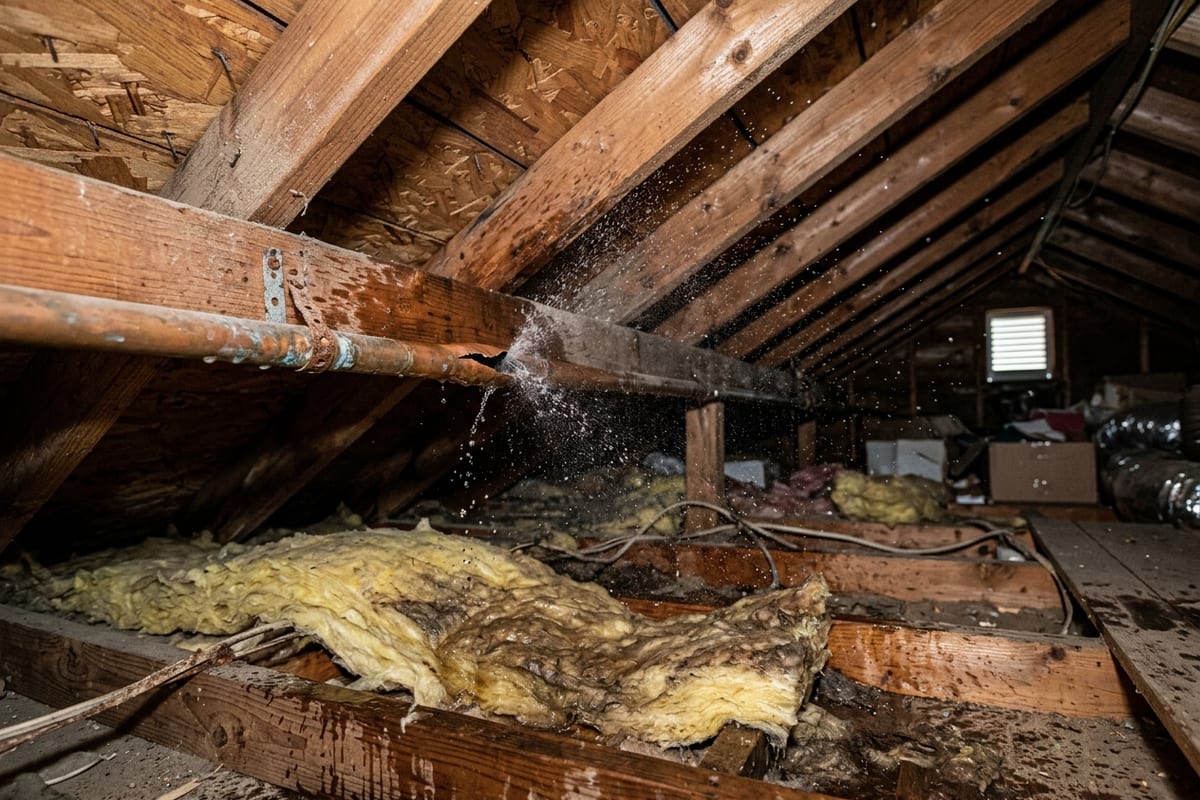
Burst pipe cleanup addresses high-pressure plumbing ruptures in attics, crawlspaces, and interior walls by immediately stopping water flow, extracting water cascading through ceilings, and drying framing to prevent structural rot.
 Local Protocol
Sewage Backup & Biohazard Cleanup→
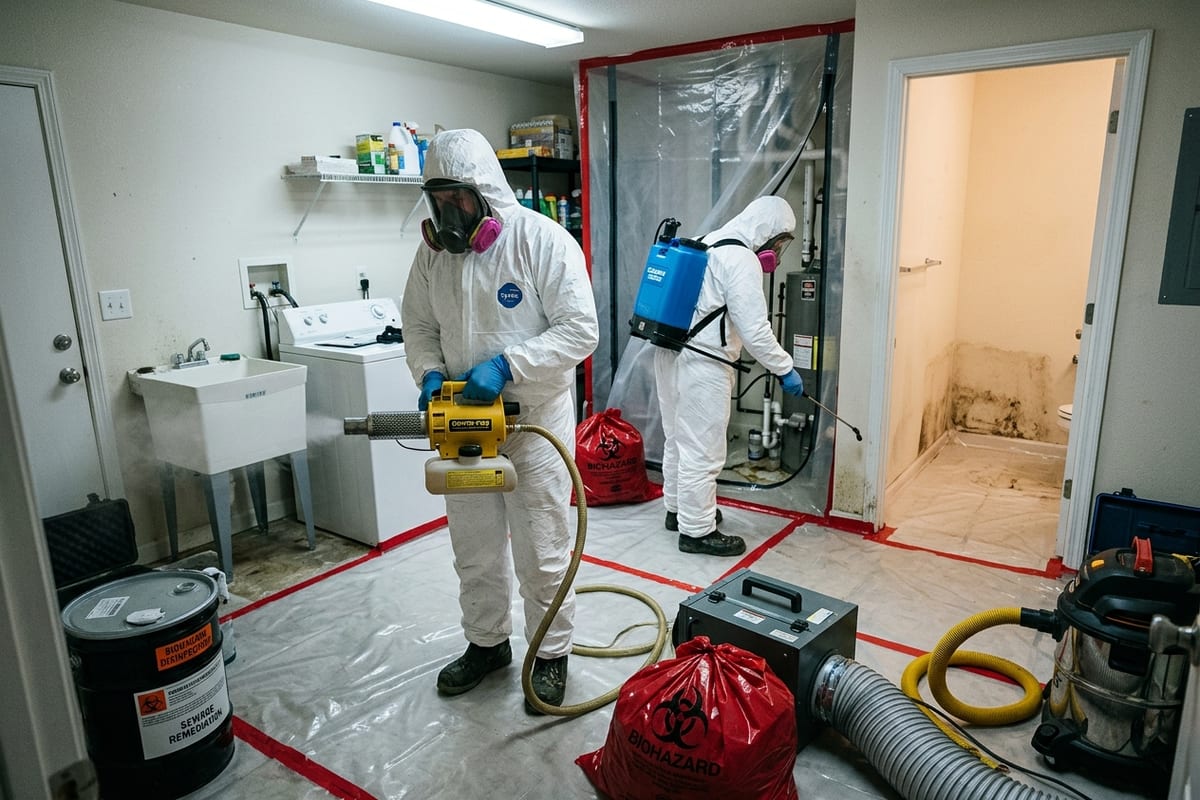
Sewage cleanup safely extracts hazardous Category 3 black water containing dangerous bacteria and pathogens, removes saturated porous building materials, and sanitizes contaminated surfaces with broad-spectrum disinfectants.
Check 45–60 Min Response Time for Your Philadelphia ZIP Code
WaterRestore Pro dispatches IICRC-certified emergency teams across Philadelphia County 24 hours a day, 365 days a year. Verify rapid on-site coverage for your postal code:
Check Your ZIP Code Coverage
Verify immediate 45–60 minute emergency water extraction dispatch across our 50-state nationwide coverage network.
Frequently Asked Questions in Philadelphia, PA
How do shared party walls complicate rowhouse water damage in Philadelphia?+
In Philadelphia's rowhomes, unbonded brick party walls allow moisture to wick horizontally through brick and mortar joints into neighbor dwellings. WaterRestore Pro uses non-destructive impedance meters and infrared thermal imaging to trace moisture spread across party walls and coordinate drying without unnecessary brick demolition.
How should stone rubble basement foundations be treated after flooding?+
Historic stone rubble foundations cannot simply be sealed with waterproof paint when damp, as trapped moisture degrades the mortar. We extract standing water, clean silt deposits, and position specialized desiccant dehumidifiers to safely draw moisture out of thick masonry walls.
Does Philadelphia property insurance cover freezing pipe breaks?+
Yes, sudden freeze ruptures are covered by standard homeowners policies provided the heating system was operational. WaterRestore Pro documents freeze ruptures with timestamped thermal photos and provides itemized line-item invoicing directly to your claims adjuster.
Nearby Communities We Serve:
Standing Water in Your Home? Minutes Count.
Emergency water extraction units are on call 24 hours a day across all major metropolitan service areas. Call now for priority dispatch.