Burst & Frozen Pipe Water Damage Cleanup
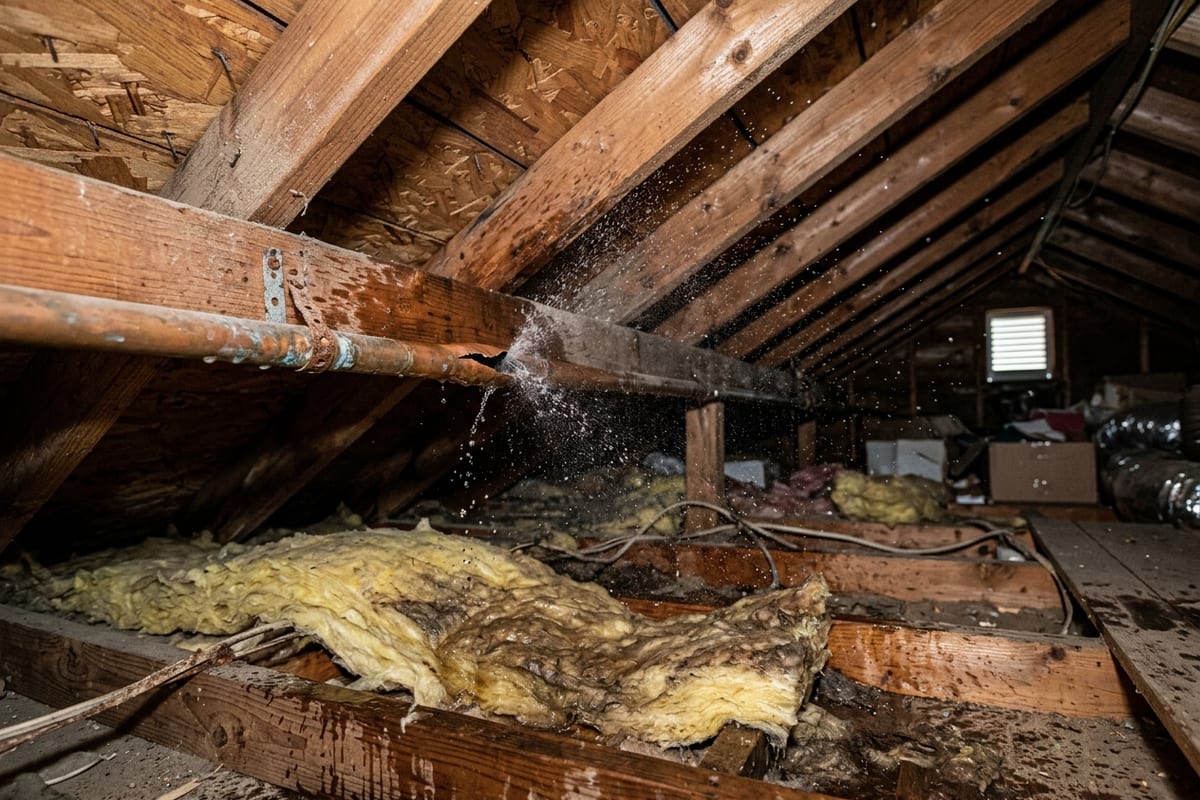
Burst pipe cleanup addresses high-pressure plumbing ruptures in attics, crawlspaces, and interior walls by immediately stopping water flow, extracting water cascading through ceilings, and drying framing to prevent structural rot.
Understanding Burst & Frozen Pipe Cleanup
Sudden winter freezes and high water pressure regularly burst uninsulated copper and PEX pipes routed through attics, exterior walls, and crawlspaces. When thawed water flows at 50 to 80 PSI, hundreds of gallons can flood a multi-story property in less than an hour.
A burst attic pipe saturates blow-in insulation, collapses drywall ceilings, and cascades through interior wall cavities down to ground floors. WaterRestore Pro dispatches local restoration technicians who safely remove collapsed sheetrock, extract pooled water, and establish targeted heat-assisted cavity drying.
Burst & Frozen Pipe Cleanup at a Glance
- Target Dispatch Window
- 45 to 60 Minutes On-Site Nationwide
- Standard Drying Duration
- 3 to 5 Days Continuous Dehumidification
- Certified Standards
- IICRC S500 Water / S520 Mold Guidelines
- Insurance Compatibility
- Direct Xactimate Billing with All Major Carriers
Signs You Require Burst & Frozen Pipe Cleanup
If you observe any of the following symptoms in your home, professional mitigation should begin immediately to limit permanent structural degradation:
What Happens During the Burst & Frozen Pipe Cleanup Process?
Step 1: Immediate Isolation & Electrical Safety
Technicians confirm the main water meter curb stop is completely closed and disconnect electrical power to saturated ceiling circuits.
Step 2: Ceiling Water Relief & Insulation Removal
Controlled relief holes are punched in drooping drywall to drain trapped water into containment bins, followed by vacuuming out wet, heavy attic insulation.
Step 3: Vertical Cavity & Wall Stud Drying
Injectidry wall cavity drying systems force warm, dry air down through wall studs to dry structural 2x4 framing without demolishing undamaged exterior surfaces.
Step 4: Insurance Proof & Structural Moisture Check
Every step is logged with photo evidence, thermal scans, and moisture readings for your homeowner insurance burst pipe claim.
Water Damage Contamination Categories Compared
| Category | Water Sources | Health Risk Level | Degradation Time | Mitigation & Gear Protocol |
|---|---|---|---|---|
Category 1: Clean Water | Broken supply pipes (copper/PEX), overflowing sinks or bathtubs, falling rainwater, melting ice. | Low / Non-Hazardous Safe on skin initially; contains no harmful biological pathogens. | Degrades to Cat 2 within 24–48 hours as it dissolves carpet soils and drywall chemicals. | High-volume water extraction, centrifugal air movers, LGR dehumidifiers. Porous materials (drywall, carpet) are typically 100% salvageable. |
Category 2: Grey Water | Washing machine discharge, dishwasher overflows, aquarium leaks, sump pump failures with soil runoff. | Moderate Biological Risk May cause discomfort or illness if ingested; contains chemicals, detergents, and bacteria. | Degrades to Cat 3 within 24–48 hours as microbial colonies rapidly multiply. | Immediate extraction, removal and safe disposal of carpet pad, botanical antimicrobial application, structural cavity drying. |
Category 3: Black Water | Municipal sewage backups, toilet overflows containing feces, river/stream storm surges, stagnant water >72 hrs. | Severe / Biohazard Grossly contaminated with infectious pathogens, E. coli, heavy metals, and toxic fungi. | Immediate biohazard hazard from first minute of intrusion. | Full Hazmat PPE (respirators, suits), negative air containment, total disposal of affected porous items (drywall, insulation, carpet), hospital-grade sanitization. |
Source: Standardized per ANSI/IICRC S500 Standard and Reference Guide for Professional Water Damage Restoration.
What Dictates the Cost of Burst & Frozen Pipe Cleanup?
Because water migration depth and contamination levels vary widely between properties, disaster restoration cannot be accurately quoted with flat rates over the phone. Certified technicians evaluate four objective factors:
Attic Insulation Contamination
Cellulose or fiberglass attic insulation that has absorbed water loses all R-value and must be extracted using commercial vacuum equipment.
Multi-Story Water Cascading
Pipes bursting on an upper floor that seep through ceilings to lower levels increase extraction equipment requirements.
Plumbing Repair Coordination
The licensed plumber repairing the broken pipe operates alongside the restoration crew handling extraction and drying.
Drying Timeline & Restoration Estimation Matrix
| Water Category | Standard Drying Timeline | Commercial Equipment Deployed | Material Salvageability | Primary Cost Drivers |
|---|---|---|---|---|
| Category 1 (Clean Water) | 3 to 5 Days | High-velocity centrifugal air movers, Low-Grain Refrigerant (LGR) dehumidifiers, weighted extraction tools. | High Salvageability: Drywall, baseboards, framing, and clean carpets are dried in-place without demolition if addressed within 48h. | Square footage of affected rooms, number of drying units deployed, equipment running days, thermal moisture mapping logs. |
| Category 2 (Grey Water) | 4 to 6 Days | Commercial LGR dehumidifiers, negative air scrubbers with HEPA filtration, botanical antimicrobial ULV foggers. | Selective Salvage: Carpet padding removed and discarded; carpets disinfected; structural framing and subfloor saved. | Padding disposal, antimicrobial applications, targeted flood cuts (24-inch drywall cuts), extended drying duration. |
| Category 3 (Black Water) | 5 to 7+ Days | Negative pressure air scrubbers, desiccant dehumidifiers, hospital-grade biocidal washes, full Level C PPE. | Non-Salvageable: All saturated porous materials (carpet, pad, drywall, insulation) must be removed per health codes. | Hazardous waste disposal, containment barriers, controlled demolition, thorough antimicrobial scrub, reconstruction. |
Direct Insurance Billing Notice (Xactimate Pricing Standard):
Restoration contractors utilize Xactimate®—the standardized estimating software used by State Farm, Allstate, Travelers, Liberty Mutual, and all major insurance carriers—ensuring line-item pre-negotiated rates for equipment, labor, and materials.
Homeowner Action Guidelines
Safe Actions While Waiting
- •Locate your main street curb stop or house shutoff valve and turn the valve 90 degrees clockwise immediately.
- •Poke a small pinhole in the center of a sagging ceiling bulge with a screwdriver while holding a bucket beneath it to relieve weight and prevent sudden collapse.
Hazardous: Do Not Attempt
- •Do not stand directly under a severely waterlogged drywall ceiling; water-logged sheetrock can weigh over 50 lbs and cause bodily injury.
- •Do not attempt to turn on light switches that have water dripping through the fixture.
Frequently Asked Questions About Burst & Frozen Pipe Cleanup
Does homeowners insurance cover burst pipes from freezing?+
Yes, standard homeowners insurance policies cover sudden and accidental burst pipe water damage from freezing, provided reasonable heat was maintained in the home during freezing weather.
Why do pipes burst during winter freezes?+
Water expands by 9% when freezing into ice, causing extreme hydrostatic pressure spikes downstream between the ice blockage and closed faucets. When ambient temperatures drop below freezing, uninsulated pipe runs in attics and exterior walls are most vulnerable to rupture.
Burst & Frozen Pipe Cleanup Available Nationwide:
Related Disaster Restoration Services
Coordinating structural extraction, mold abatement, and complete property recovery.
Water Damage Restoration→
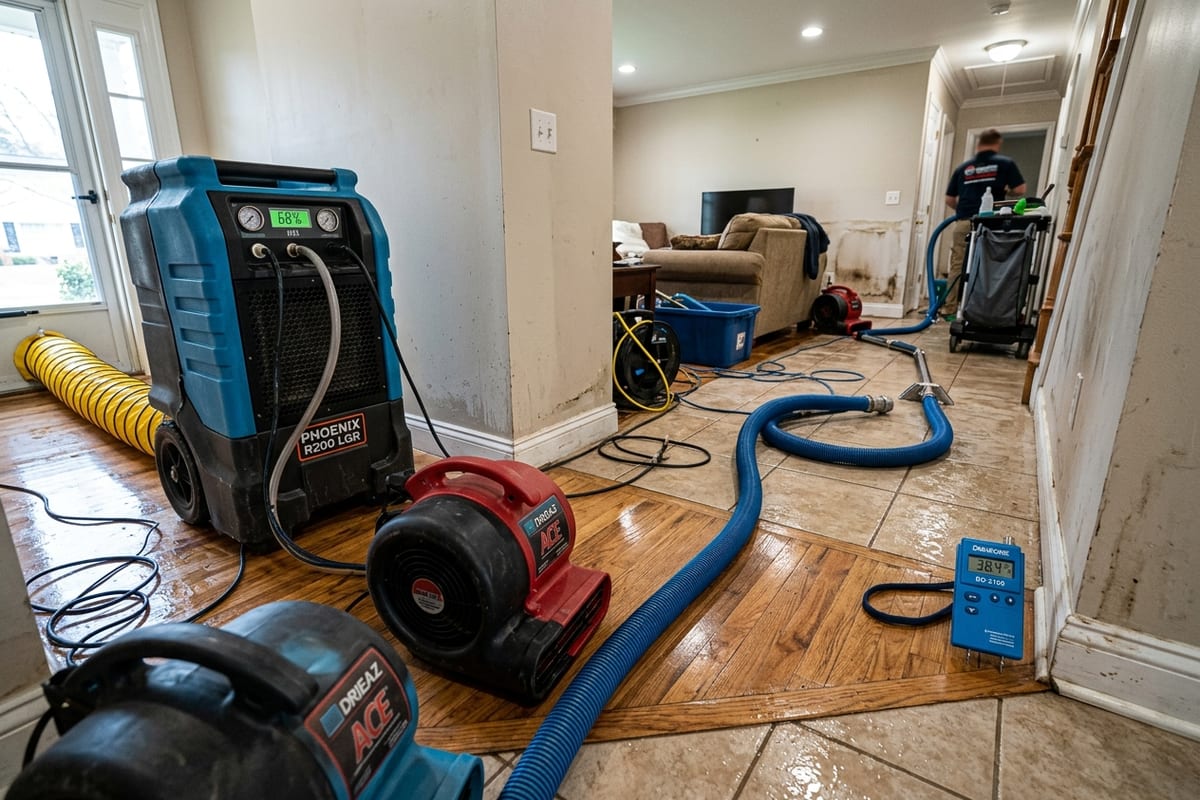
Professional water damage restoration stops progressive structural deterioration, extracts standing water with truck-mounted pumps, and dries internal wall cavities using industrial dehumidifiers within 72 hours to prevent hazardous mold growth.
Emergency Water Extraction→
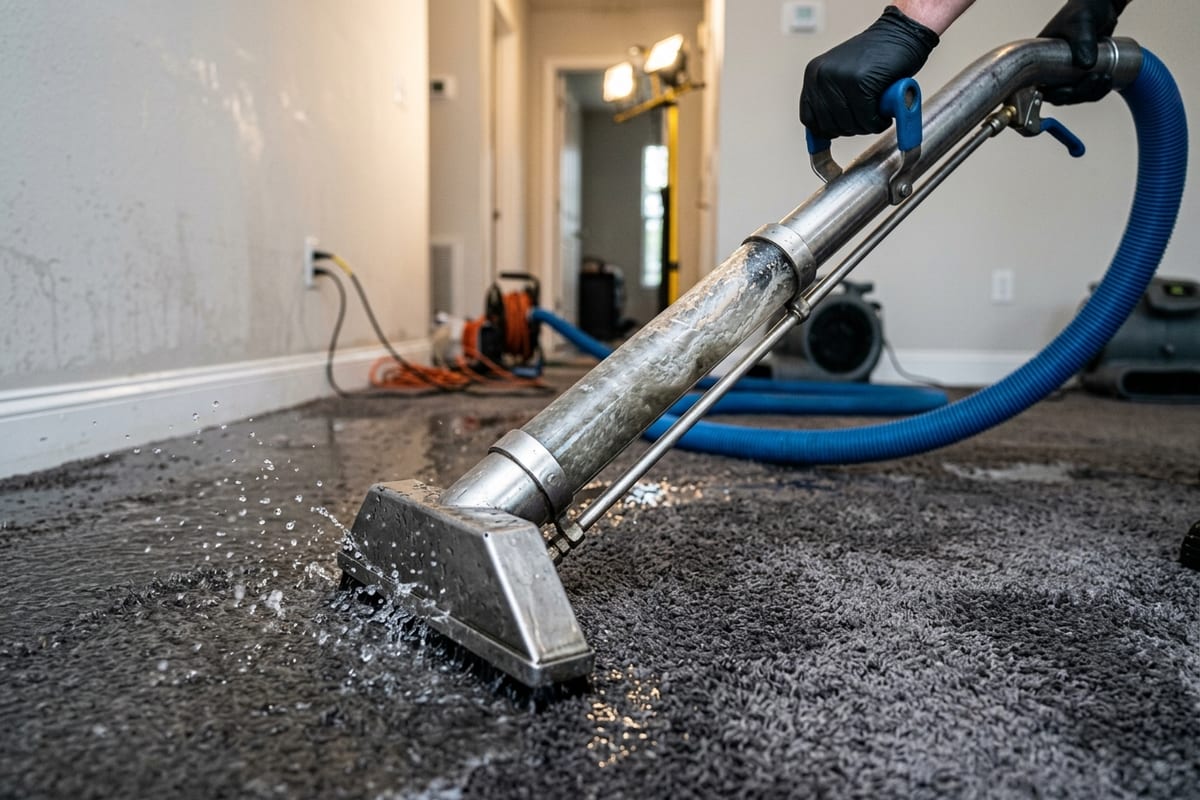
Emergency water extraction uses heavy-duty submersible pumps and truck-mounted vacuum units to physically extract hundreds of gallons of standing water per hour from flooded homes and businesses before structural framing absorbs it.
Structural Drying & Dehumidification→
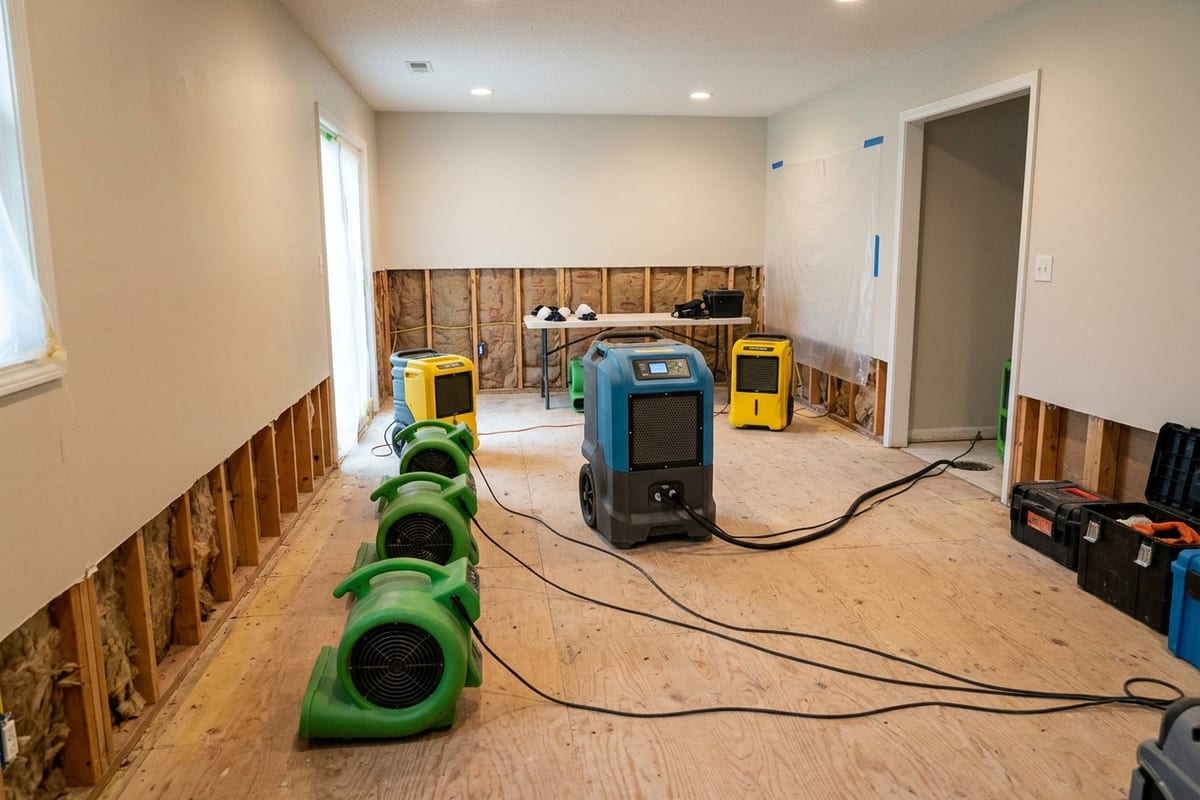
Structural drying uses industrial low-grain refrigerant (LGR) dehumidifiers, centrifugal air movers, and moisture sensors to draw bound moisture out of concrete foundations, wood framing, and subfloors to prevent permanent decay.
Standing Water in Your Home? Minutes Count.
Emergency water extraction units are on call 24 hours a day across all major metropolitan service areas. Call now for priority dispatch.