24/7 Nationwide Emergency Water Damage & Flood Restoration
WaterRestore Pro is a free referral service that connects homeowners and businesses nationwide with independent local disaster recovery and water extraction providers who extract standing water with industrial equipment and complete structural drying.
Identify Your Water or Property Symptom
Select the issue you're currently facing for direct mitigation guidance and immediate dispatch options.
Water Pouring From Ceiling or Pipe
High-pressure water is actively flowing or spraying from a ruptured pipe, ceiling fixture, or wall cavity.
Standing Water / Flooded Floors
Multiple inches or puddles of standing water accumulating on carpet, tile, hardwood, or basement floors.
Warm Floor Spot or Under-Slab Hissing
Floor tile or hardwood feels hot to the touch, water meter dial is spinning, or hissing sounds near baseboards.
Basement Seepage or Crawlspace Water
Water pooling on basement concrete, damp sill plates, failing sump pump, or moisture under subfloors.
Comprehensive Disaster Recovery Solutions
Commercial-grade equipment and professional water extraction protocols for residential and commercial structures.
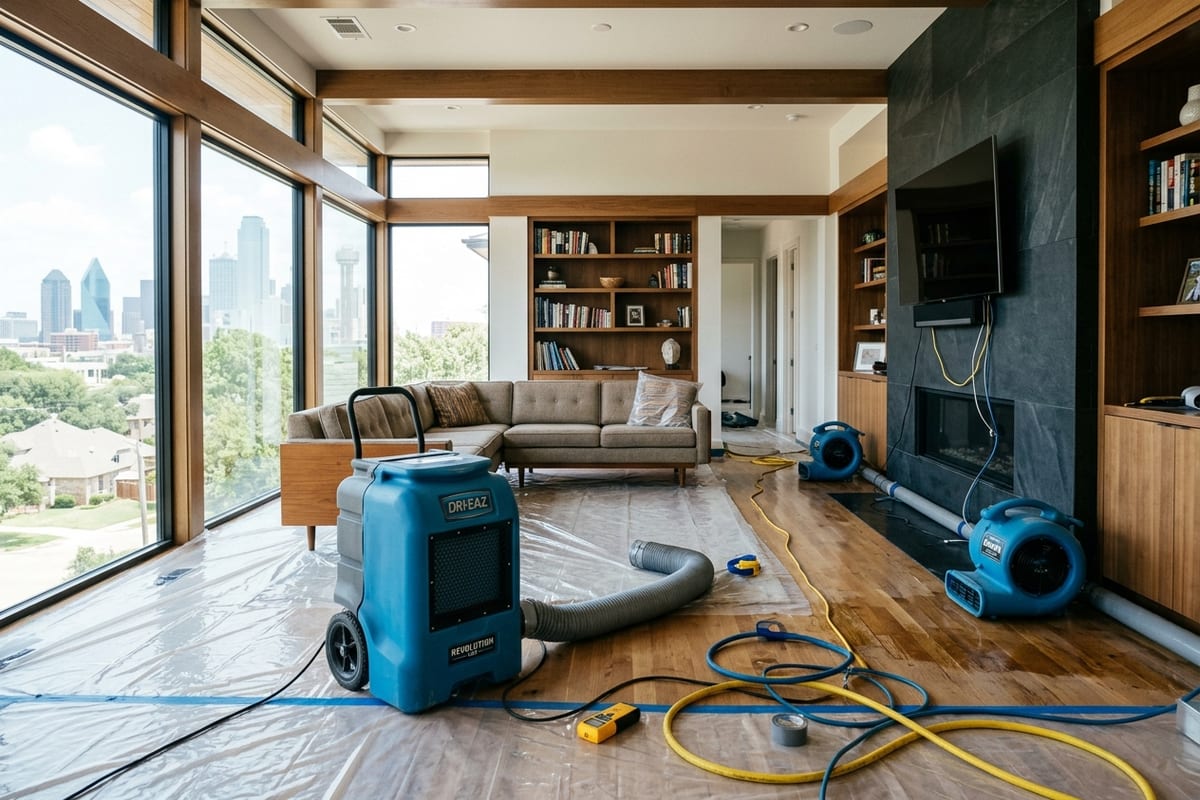
 24/7 Available
Water Damage Restoration→
24/7 emergency water damage restoration and structural drying. Rapid industrial water extraction, moisture mapping, and insurance documentation assistance nationwide.
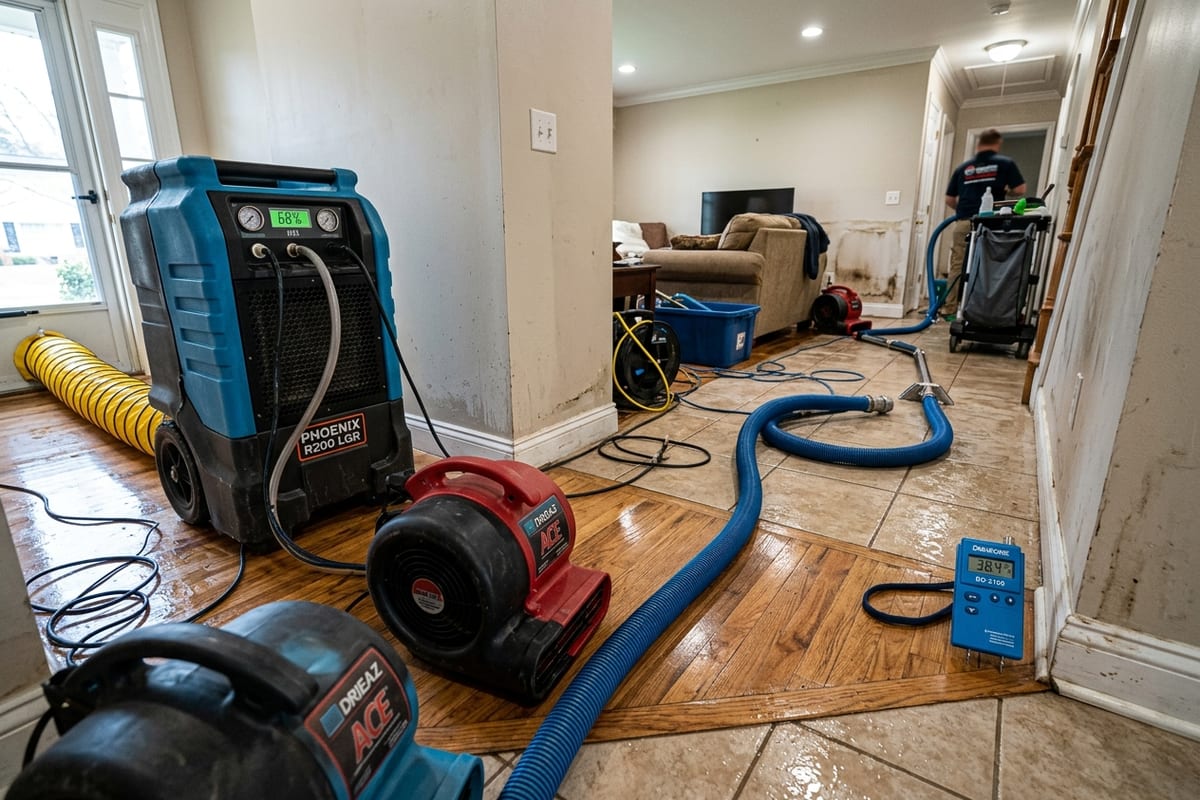
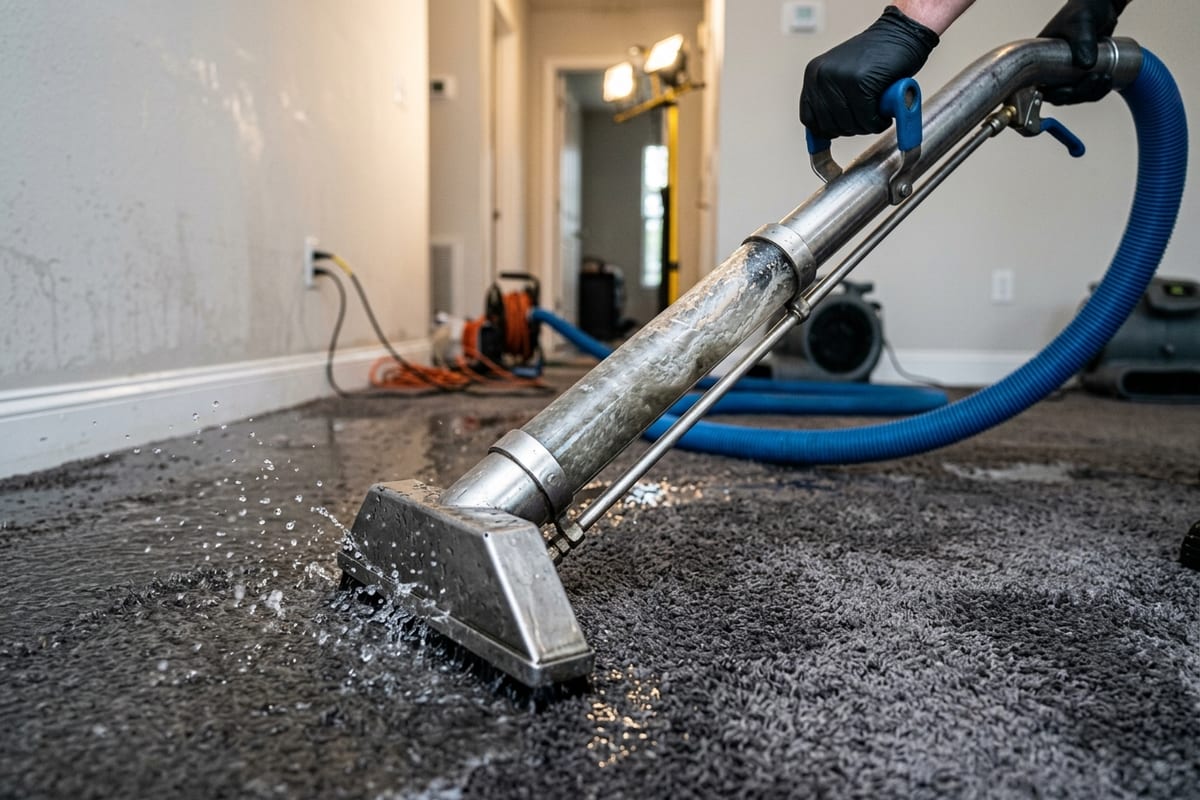 24/7 Available
Emergency Water Extraction→
24/7 high-volume water extraction and flood pumping. Rapid standing water removal using truck-mounted vacuum units and submersible pumps. Fast local dispatch.
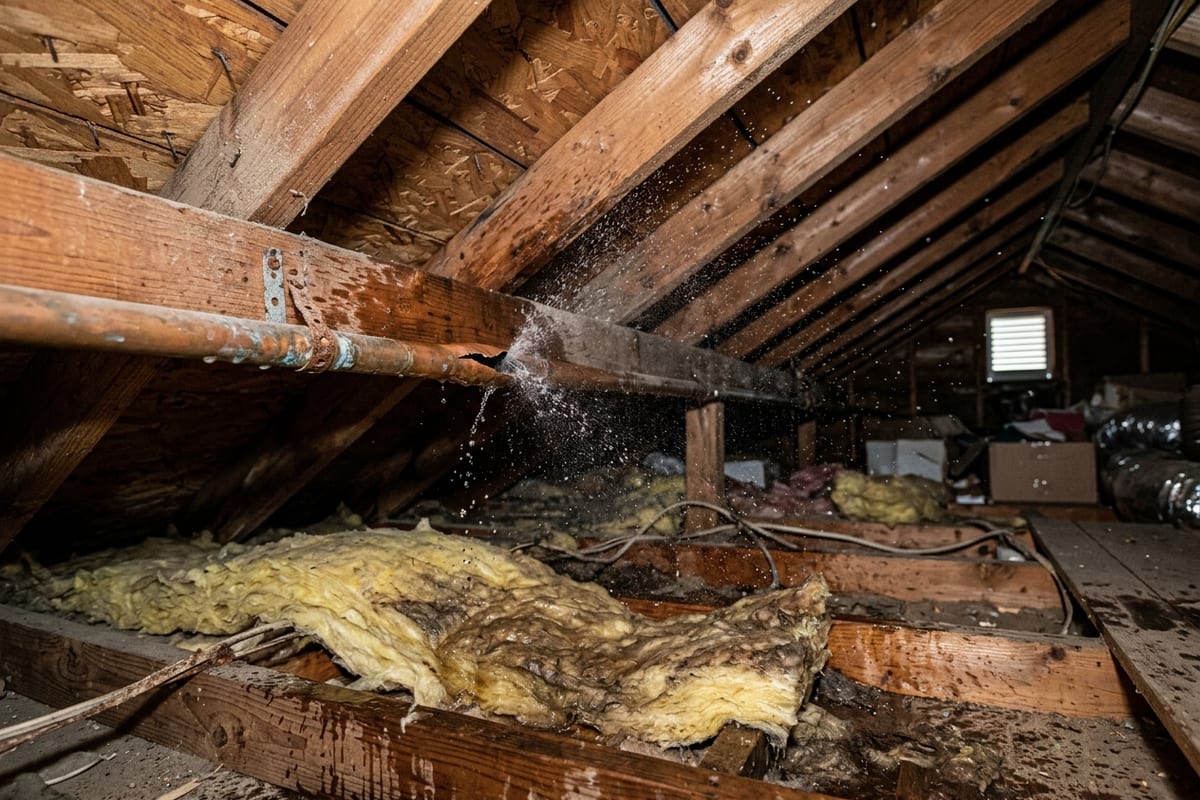 24/7 Available
Burst & Frozen Pipe Cleanup→
Emergency burst and frozen pipe water damage cleanup. Fast water extraction, ceiling collapse repair, structural cavity drying, and direct insurance claims.
 24/7 Available
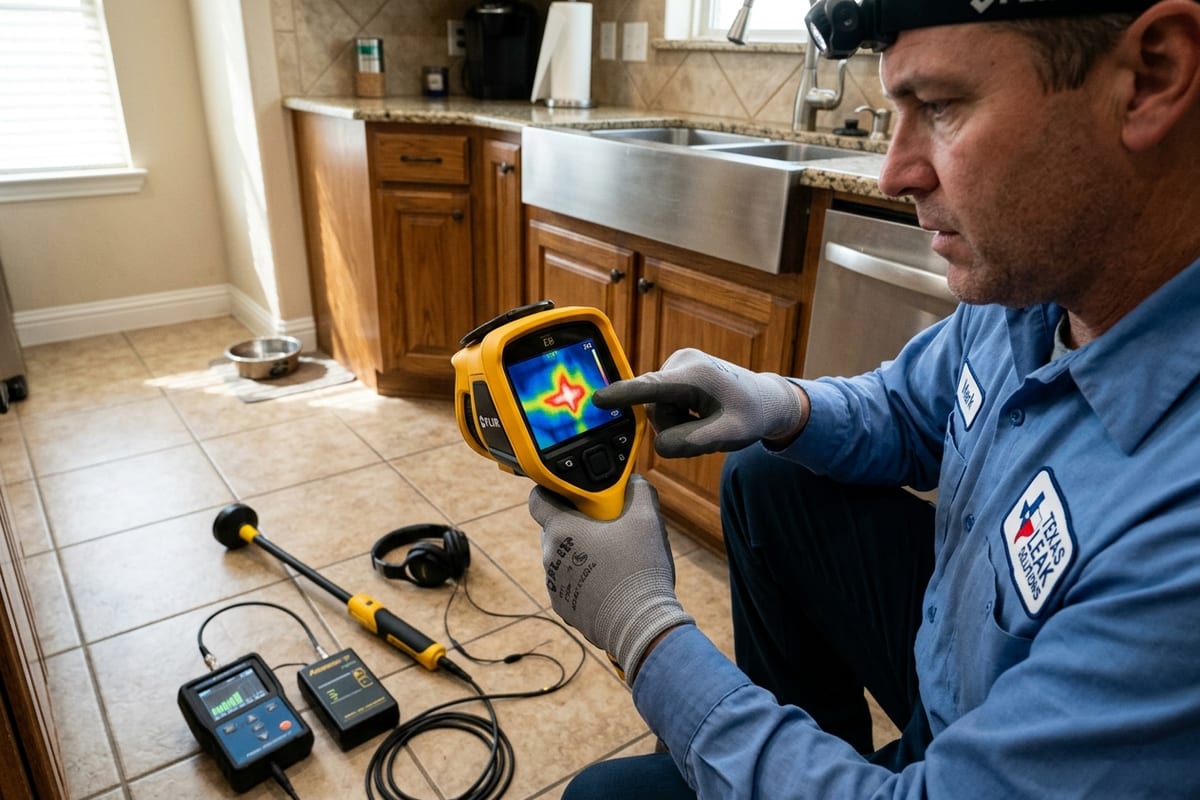
Slab Leak Water Damage Cleanup→
Professional water cleanup and structural drying for foundation slab leaks. Non-invasive moisture mapping, subfloor drying, and insurance claim documentation.
How Local Providers Restore Flooded Properties
From initial emergency extraction to final dry standard verification.
Step 1: Immediate Call Intake
24/7 emergency dispatch connects you with nearby local providers deploying truck-mounted extraction equipment.
Step 2: Thermal Mapping & Extraction
Submersible pumps remove standing water while infrared imaging identifies moisture migration behind walls.
Step 3: Deep Structural Drying
Industrial LGR dehumidifiers and high-velocity air movers establish an engineered vortex chamber to pull bound moisture.
Step 4: Final Inspection & Documentation
Independent technicians provide itemized moisture logs, drying records, and photographic damage documentation for your records.
Before & After Structural Recovery
Representative case studies showing how rapid industrial extraction halts structural decay.
 Restored
 Flooded
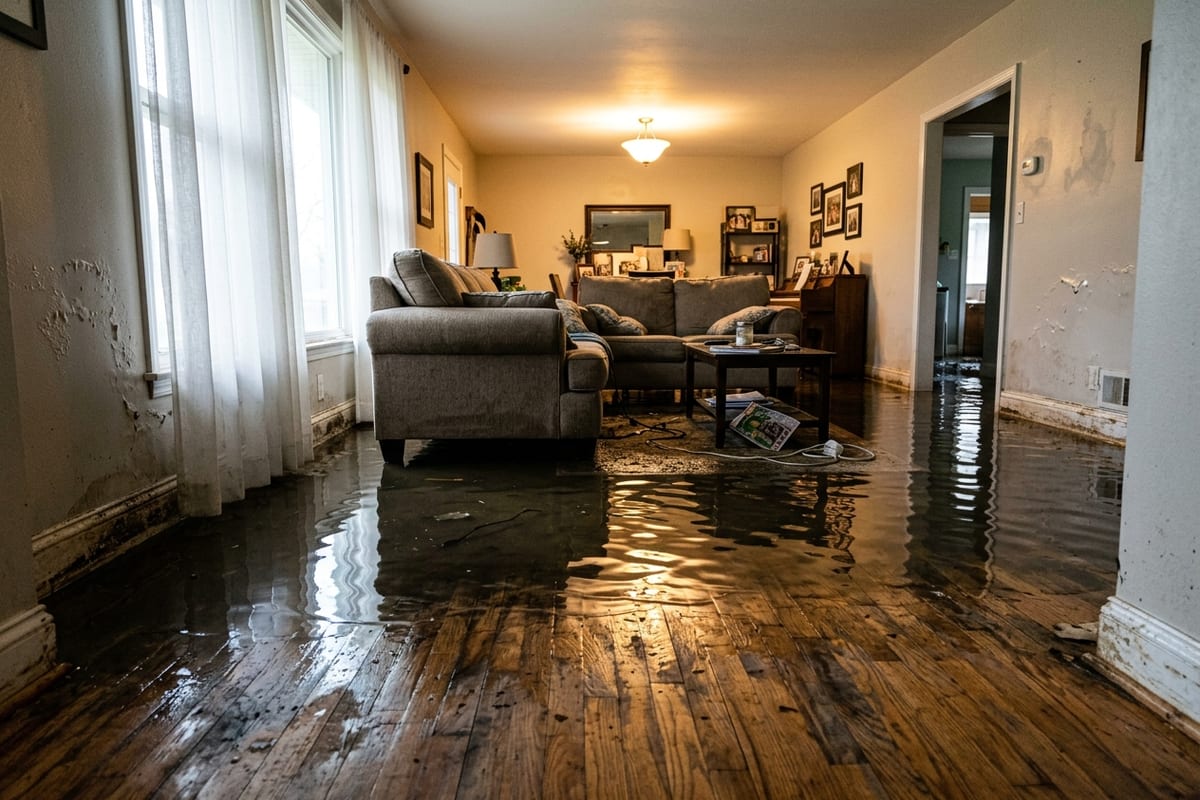
 Hardwood Flooring Extraction & Drying
Representative example of water extraction and negative-pressure mat drying salvaging hardwood flooring after a major burst supply pipe.
Serving 50 Metropolitan Response Corridors Across All 50 States
Disaster mitigation response time is the single greatest factor determining whether building materials can be salvaged or must be demolished. WaterRestore Pro maintains staged response partner networks across all 50 states and major metropolitan corridors.
Check Your ZIP Code Coverage
Verify local emergency water extraction and restoration coverage across our 50-state nationwide network.
Regional Environmental Stressors Across U.S. Climate Zones
How distinct regional geology, climate extremes, and building architectures dictate specialized emergency restoration protocols.
Gulf Coast & Tropical
Extreme humidity and coastal storm surges accelerate mold growth within 24–48 hours, requiring closed-loop LGR drying.
Northeast & Mid-Atlantic
Sub-zero polar freezes burst uninsulated supply lines, while coastal Nor'easters overload historic basement drains.
Midwest & River Basins
Seasonal snowmelt and heavy storms generate lateral hydrostatic pressure that cracks walls and overwhelms sump pumps.
Southwest Desert
Attic heat accelerates water heater failures, while caliche hardpan soil channels sudden flash flooding into slabs.
West Coast & Pacific
Atmospheric river deluges flood crawlspaces and hillsides, while ground seismic shifts strain domestic plumbing.
Southeast & Piedmont
Dense red clay soils trap water in crawlspaces, creating persistent subfloor humidity and structural decay.
Connecting You with Local Restoration Providers
WaterRestore Pro connects homeowners and businesses nationwide with independent emergency water mitigation and structural drying providers on call 24 hours a day.
Disaster Recovery & Safety Guides
Essential recovery guidance on shutoff valves, structural drying times, and property insurance documentation.
What to Do in the First 60 Minutes of a House Flood
Emergency checklist for a flooded home: how to stop the water source, ensure electrical safety, protect personal belongings, and call 24/7 restoration.
How to Find and Shut Off Your Home's Main Water Valve
Step-by-step guide to finding your main home water shutoff valve and street meter box. Emergency instructions for stopping burst pipe floods in minutes.
Frequently Asked Questions About Disaster Restoration
How quickly can I be connected with a local emergency restoration provider?+
WaterRestore Pro connects property owners nationwide with independent emergency restoration providers 24 hours a day, 365 days a year. Call our dispatch line to be connected with a local provider who can assess your emergency and provide an estimated arrival window.
Does homeowners insurance pay for water damage restoration?+
Coverage depends strictly on your individual insurance policy terms and the specific cause of the water loss. Standard property policies often cover sudden and accidental discharges. Independent restoration providers can provide itemized damage documentation and drying logs to assist you when discussing your claim with your insurance adjuster.
What is the difference between water mitigation and restoration?+
Mitigation immediately extracts water and halts structural decay. Restoration rebuilds damaged drywall, flooring, and finishes back to pre-loss condition.
Standing Water in Your Home? Minutes Count.
Independent local emergency restoration providers are available 24 hours a day across all major metropolitan service areas. Call now to be connected with a local provider.