Water Damage Restoration in Anaheim, CA
Anaheim is the largest city in Orange County, spanning from historic central districts and the resort corridor to the scenic foothill neighborhoods of Anaheim Hills. Properties face significant water damage risks from Santa Ana River watershed runoff, intense winter storm downpours, and subterranean foundation slab leaks in mid-century residential tracts.
Anaheim, CA Coverage Facts
- Jurisdiction
- Orange County
- Target Response Time
- 45 to 60 Minutes On-Site
- Disaster Coverage
- 24/7, 365 Days a Year
- Covered ZIP Codes
- 92801, 92802, 92804, 92805, 92806, 92807, 92808
Housing Architecture & Water Risks in Anaheim, CA
Homes range from historic 1920s craftsman residences in the Anaheim Colony Historic District to extensive 1950s–1970s post-war single-family slab tracts in West Anaheim and luxury custom multi-story estates in Anaheim Hills. Foothill properties often feature expansive clay subsoils that shift foundation footings, fracturing underground copper supply lines and requiring specialized thermal drying protocols.
Key Local Restoration Issues in Anaheim
Foothill Slope Runoff & Retaining Wall Infiltration
Heavy winter precipitation cascading down the Anaheim Hills saturates foothill slopes, driving water through subterranean foundation walls and pooling in daylight basements and residential garages.
Sub-Slab Copper Supply Pipe Corrosion
The city's mid-century slab homes contain original copper water lines that suffer from galvanic soil corrosion and hard water scaling, resulting in high-pressure pinhole leaks that flood ground floors.
Santa Ana River Floodplain Storm Drainage Backflow
During severe atmospheric river storm cycles, peak flow rates along the Santa Ana River create hydraulic backpressure in municipal collection mains, causing storm runoff back-surges into low-lying street basins and residential garages.
Regional Climate & Weather Risks in Anaheim
Geology, Soil & Foundation Dynamics in Anaheim
Building Stock & Primary Dispatch Triggers in Anaheim
Mid-century single-story stucco homes on slab-on-grade, hillside custom residences in Anaheim Hills, and modern high-density residential developments in the Platinum Triangle.
- •Under-slab copper line pinhole leaks caused by aggressive soil minerals and vibration
- •Atmospheric river rain runoff breaching sliding doors and perimeter weep screeds
- •Second-floor washing machine and water heater overflows in multi-story residences
- •Aging galvanized supply line failures in mid-century single-family homes
Local Water & Infrastructure Profile: Anaheim
Local Response & Property Access Protocols in Anaheim
Insurance Claim Documentation & Billing Guidelines in California
In California, homeowner and commercial water damage insurance claims are governed by the California Insurance Code § 790.03 and the Fair Claims Settlement Practices Regulations (10 CCR § 2695). The California Department of Insurance (CDI) mandates that insurers acknowledge claim notices within 15 calendar days and complete their coverage determinations within 40 calendar days of receiving proof of claim. California law strictly prohibits insurer steering: policyholders have the absolute right to hire any qualified, licensed California C-33 or general building restoration contractor and cannot be compelled to use a carrier-affiliated franchise. Restoration documentation in California requires rigorous adherence to ANSI/IICRC S500 standards, including moisture psychrometric readings (ambient temperature, relative humidity, and grains per pound), moisture probe baselines for drywall and subflooring, and continuous dry logging to verify desiccation before structural closure. Because California HO-3 policies distinguish between sudden plumbing failures and ground surface water intrusion, emergency mitigation teams itemize the specific failure origin (e.g., pressurized supply line rupture, angle stop failure) with high-resolution photographic evidence to expedite claim settlement. The California Department of Insurance (CDI) requires objective, scientifically verifiable loss documentation before carrier disbursements are authorized. In compliance with 10 CCR § 2695 and IICRC S500 desiccation protocols, mitigation contractors compile daily psychrometric logs detailing grains-per-pound extraction rates, thermo-hygrometer readings, and continuous moisture baselines. For Southern and Northern California properties built over concrete slabs or post-and-beam foundations, non-destructive moisture meters verify that structural framing reaches the dry standard prior to wall reinstallation. Mitigation teams coordinate directly with insurance adjusters using standardized Xactimate line items, providing photo inventories of unsalvageable contents and moisture maps to facilitate direct insurance payment while safeguarding policyholders under California anti-steering statutes.
Policyholder Rights & Independent Contractor Selection in California
Under California insurance regulations, residential and commercial property owners maintain the full legal authority to hire any licensed, independent disaster restoration contractor of their choice. Insurance carriers and claims adjusters are prohibited from steering or mandating the use of preferred network vendors. WaterRestore Pro dispatches certified local mitigation specialists who adhere strictly to ANSI/IICRC S500 standards, recording daily psychrometric logs, moisture baselines, and thermal imaging scans. All repair scopes are compiled using standardized Xactimate line items and submitted directly to your insurance company, supporting direct carrier billing and protecting homeowners from upfront costs on covered peril claims.
Common Emergency Calls in Anaheim
Local ProtocolWater Damage Restoration→
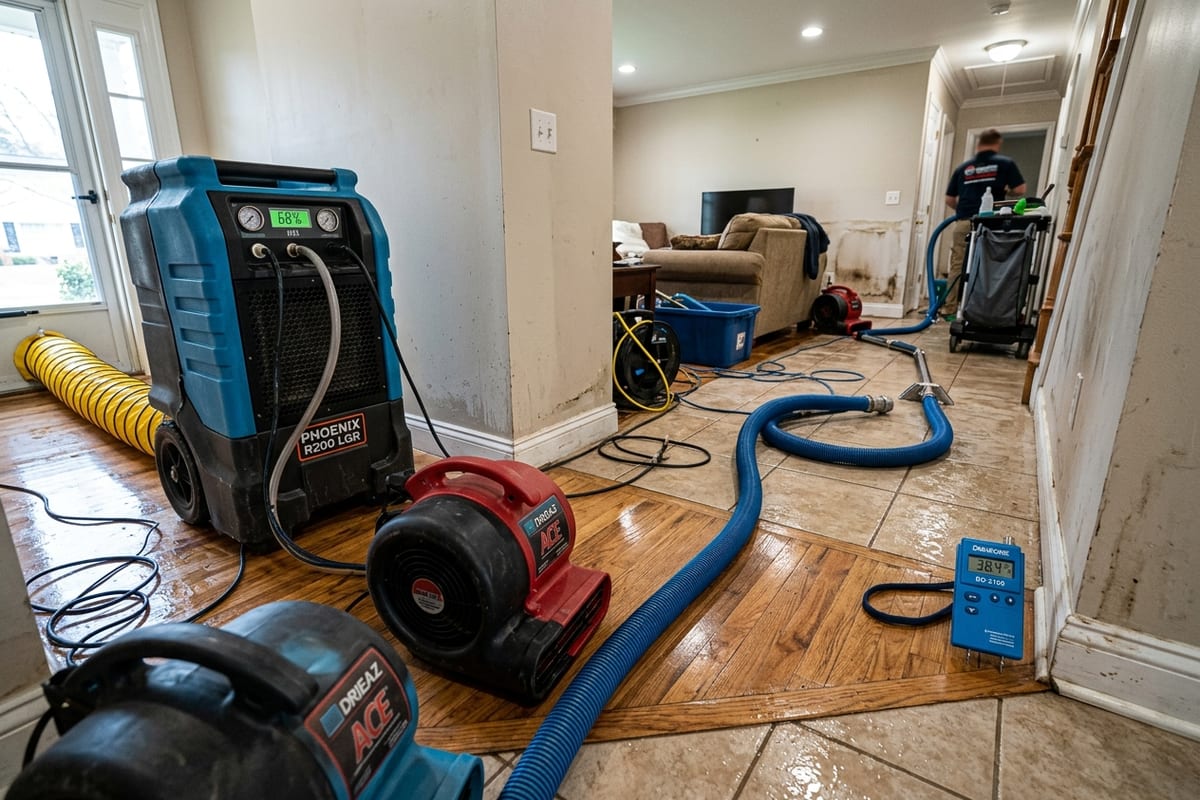
Professional water damage restoration stops progressive structural deterioration, extracts standing water with truck-mounted pumps, and dries internal wall cavities using industrial dehumidifiers within 72 hours to prevent hazardous mold growth.
 Local Protocol
Emergency Water Extraction→
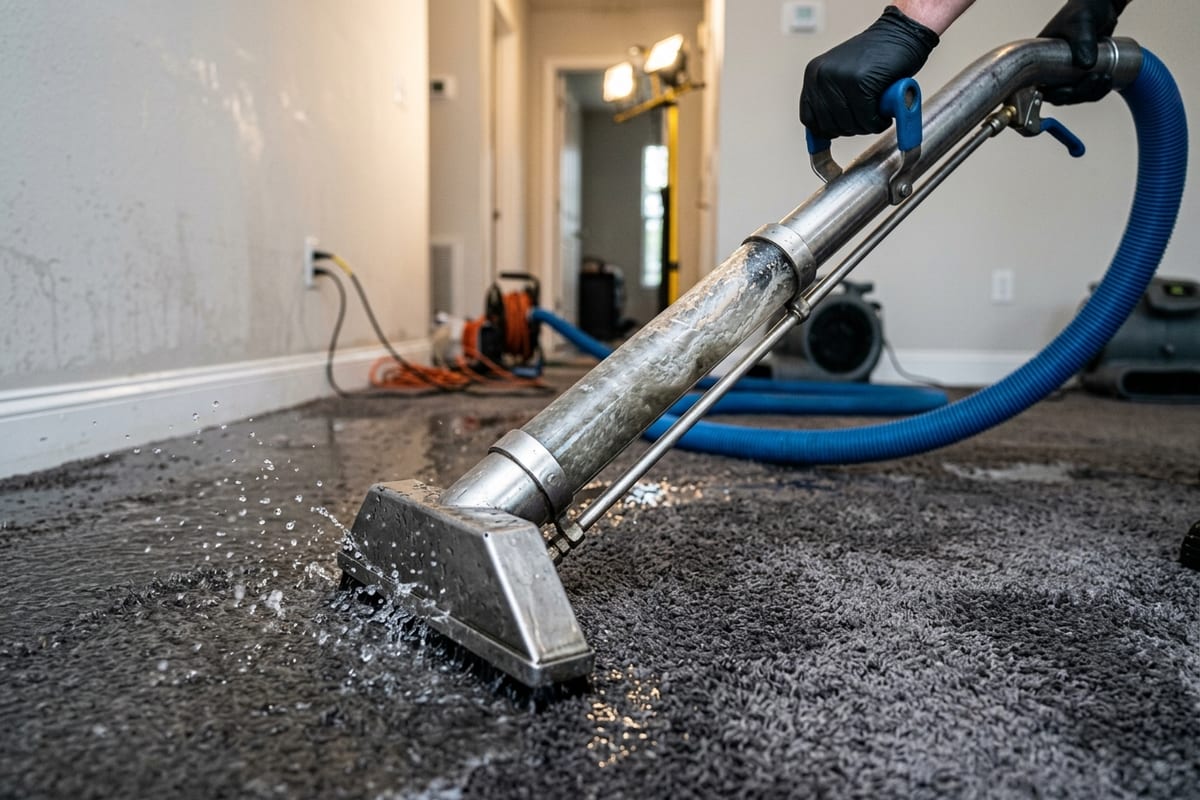
Emergency water extraction uses heavy-duty submersible pumps and truck-mounted vacuum units to physically extract hundreds of gallons of standing water per hour from flooded homes and businesses before structural framing absorbs it.
 Local Protocol
Burst & Frozen Pipe Cleanup→
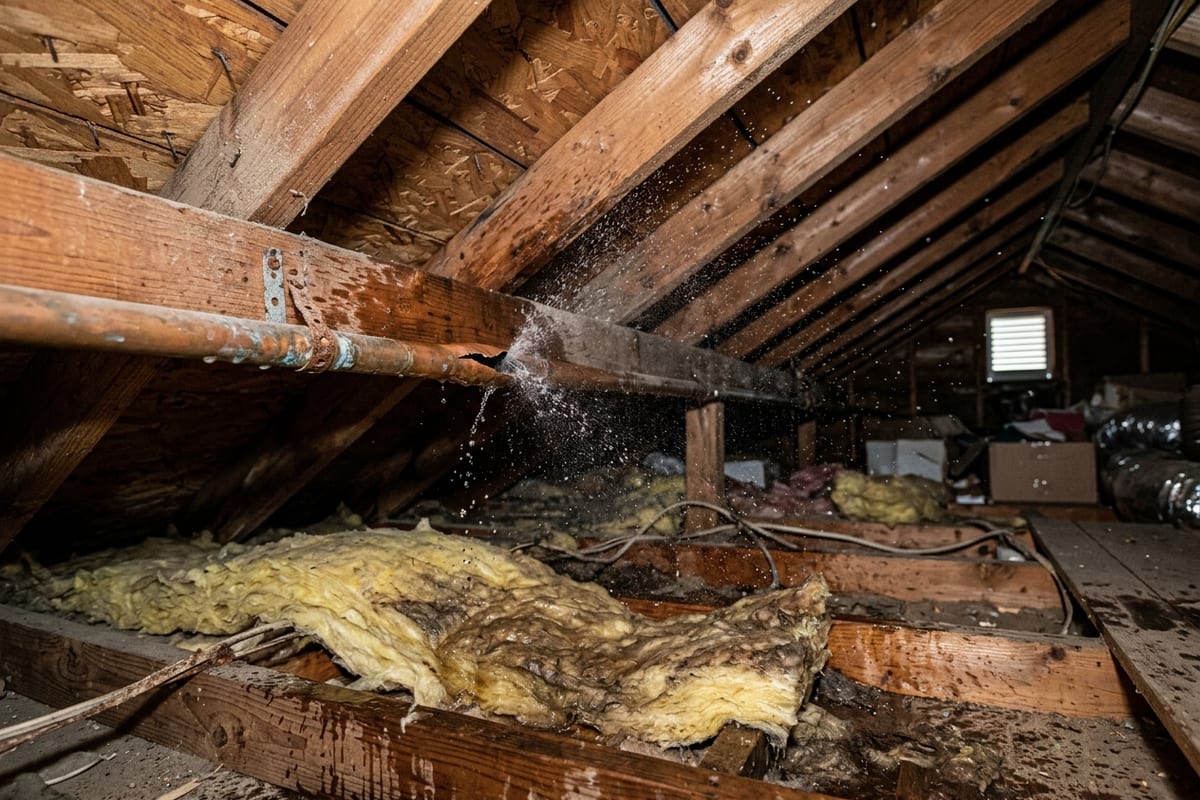
Burst pipe cleanup addresses high-pressure plumbing ruptures in attics, crawlspaces, and interior walls by immediately stopping water flow, extracting water cascading through ceilings, and drying framing to prevent structural rot.
 Local Protocol
Slab Leak Water Damage Cleanup→
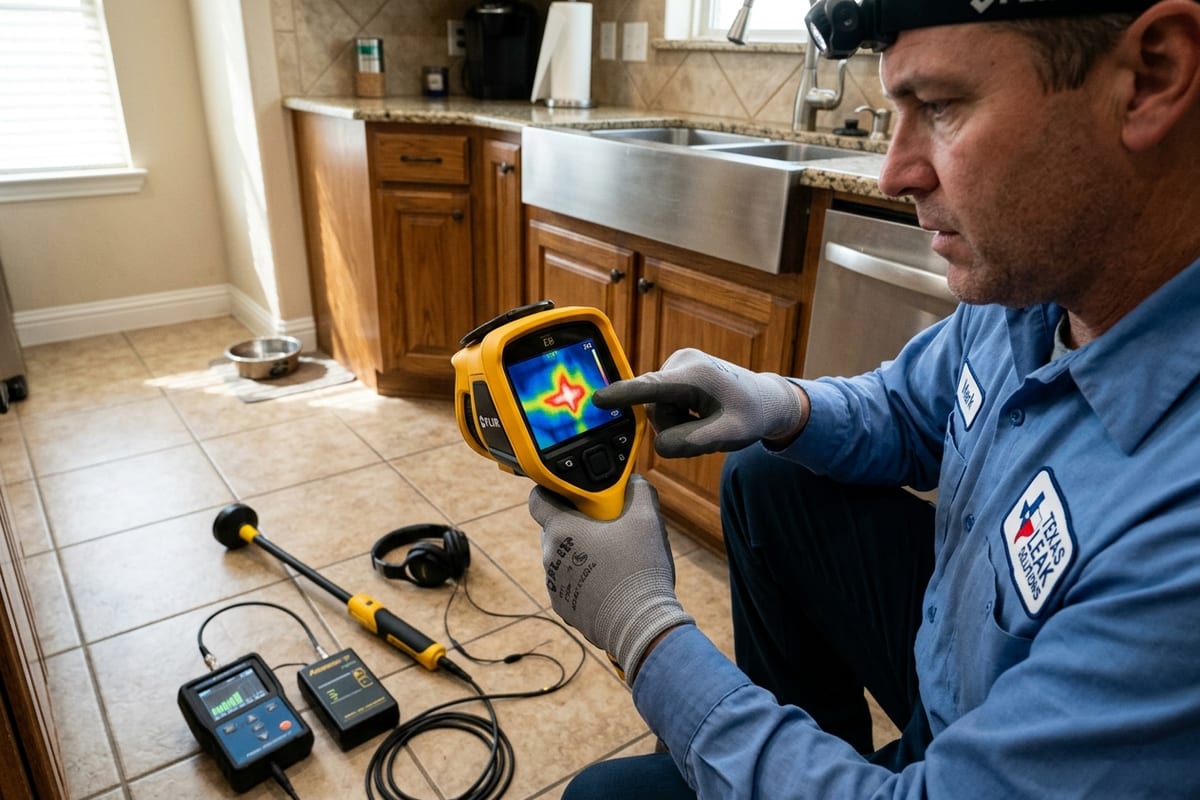
Slab leak water damage restoration extracts water migrating up through concrete foundation cracks into floors, baseboards, and walls, utilizing specialized desiccant dehumidifiers and drying mats to restore subfloor framing.
Check 45–60 Min Response Time for Your Anaheim ZIP Code
WaterRestore Pro dispatches IICRC-certified emergency teams across Orange County 24 hours a day, 365 days a year. Verify rapid on-site coverage for your postal code:
Check Your ZIP Code Coverage
Verify immediate 45–60 minute emergency water extraction dispatch across our 50-state nationwide coverage network.
Frequently Asked Questions in Anaheim, CA
How are under-slab copper pinhole leaks detected in Anaheim homes?+
Signs include unexplained hot floor spots, warm tiles, high water utility bills, or low water pressure. WaterRestore Pro uses non-invasive acoustic sensors and thermal imaging to find the exact leak location before any concrete is cut.
How do you dry water damage in multi-story Anaheim townhomes?+
When a second-floor plumbing line ruptures, water flows through subflooring into ceilings, walls, and ground-floor living spaces. WaterRestore Pro sets up multi-level containment, extracts water, and runs commercial LGR dehumidifiers to dry all levels simultaneously.
Does California homeowners insurance cover slab leak damage?+
Most policies cover the 'tear-out' cost to access the pipe and all resulting damage to flooring, drywall, and cabinetry. WaterRestore Pro provides certified moisture documentation and Xactimate estimates directly to your insurance adjuster.
Nearby Communities We Serve:
Standing Water in Your Home? Minutes Count.
Emergency water extraction units are on call 24 hours a day across all major metropolitan service areas. Call now for priority dispatch.