Water Damage Restoration in San Francisco, CA
San Francisco is world-famous for its dense architectural tapestry of Victorian painted ladies, Edwardian flats, marina-style homes, and hillside residential high-rises. Positioned on a steep coastal peninsula surrounded by the Pacific Ocean and San Francisco Bay, local homes face intense water hazards from steep hillside storm runoff, aging combined municipal sewer systems, marine fog humidity, and seismic foundation stresses.
San Francisco, CA Coverage Facts
- Jurisdiction
- San Francisco County
- Target Response Time
- 45 to 60 Minutes On-Site
- Disaster Coverage
- 24/7, 365 Days a Year
- Covered ZIP Codes
- 94102, 94103, 94107, 94109, 94110, 94112, 94114, 94118, 94122, 94123
Housing Architecture & Water Risks in San Francisco, CA
San Francisco homes are predominantly multi-story attached structures built between 1880 and 1940 with raised cripple-wall foundations, redwood framing, and plaster walls. Sub-grade garages and basement in-law units frequently sit below street grade, making them exceptionally vulnerable to stormwater and sewer back-surges during atmospheric river rainstorms.
Key Local Restoration Issues in San Francisco
Combined Sewer System Storm Surcharges
San Francisco operates a single combined stormwater and sanitary sewer system. During severe winter atmospheric river downpours, the system routinely surcharges, pushing Category 3 blackwater backups into low-lying garden apartments, daylight basements, and street-level garages.
Hillside Hydrostatic Groundwater Pressure
Steep topography channels massive surface runoff down neighborhood street grades, forcing groundwater through historic brick foundations, unreinforced masonry walls, and below-grade living spaces in hillside homes.
Marine Layer Humidity & Crawl Space Mold
Dense coastal fog and high maritime relative humidity trap moisture within unconditioned cripple-wall crawl spaces, accelerating fungal colonization on redwood sill plates and subflooring.
Regional Climate & Weather Risks in San Francisco
Geology, Soil & Foundation Dynamics in San Francisco
Building Stock & Primary Dispatch Triggers in San Francisco
Historic Victorian and Edwardian multi-story timber frame structures, dense rowhouses with shared zero-lot-line party walls, and concrete high-rise condominiums.
- •Multi-story water cascade down vertical pipe chases in Victorian row buildings
- •Aging cast-iron drain pipe collapse in historic properties
- •Hillside rainwater penetration through sub-grade foundation retaining walls
- •Roof drain overflow on flat tar-and-gravel roofs during atmospheric rivers
Local Water & Infrastructure Profile: San Francisco
Local Response & Property Access Protocols in San Francisco
Insurance Claim Documentation & Billing Guidelines in California
In California, homeowner and commercial water damage insurance claims are governed by the California Insurance Code § 790.03 and the Fair Claims Settlement Practices Regulations (10 CCR § 2695). The California Department of Insurance (CDI) mandates that insurers acknowledge claim notices within 15 calendar days and complete their coverage determinations within 40 calendar days of receiving proof of claim. California law strictly prohibits insurer steering: policyholders have the absolute right to hire any qualified, licensed California C-33 or general building restoration contractor and cannot be compelled to use a carrier-affiliated franchise. Restoration documentation in California requires rigorous adherence to ANSI/IICRC S500 standards, including moisture psychrometric readings (ambient temperature, relative humidity, and grains per pound), moisture probe baselines for drywall and subflooring, and continuous dry logging to verify desiccation before structural closure. Because California HO-3 policies distinguish between sudden plumbing failures and ground surface water intrusion, emergency mitigation teams itemize the specific failure origin (e.g., pressurized supply line rupture, angle stop failure) with high-resolution photographic evidence to expedite claim settlement. The California Department of Insurance (CDI) requires objective, scientifically verifiable loss documentation before carrier disbursements are authorized. In compliance with 10 CCR § 2695 and IICRC S500 desiccation protocols, mitigation contractors compile daily psychrometric logs detailing grains-per-pound extraction rates, thermo-hygrometer readings, and continuous moisture baselines. For Southern and Northern California properties built over concrete slabs or post-and-beam foundations, non-destructive moisture meters verify that structural framing reaches the dry standard prior to wall reinstallation. Mitigation teams coordinate directly with insurance adjusters using standardized Xactimate line items, providing photo inventories of unsalvageable contents and moisture maps to facilitate direct insurance payment while safeguarding policyholders under California anti-steering statutes.
Policyholder Rights & Independent Contractor Selection in California
Under California insurance regulations, residential and commercial property owners maintain the full legal authority to hire any licensed, independent disaster restoration contractor of their choice. Insurance carriers and claims adjusters are prohibited from steering or mandating the use of preferred network vendors. WaterRestore Pro dispatches certified local mitigation specialists who adhere strictly to ANSI/IICRC S500 standards, recording daily psychrometric logs, moisture baselines, and thermal imaging scans. All repair scopes are compiled using standardized Xactimate line items and submitted directly to your insurance company, supporting direct carrier billing and protecting homeowners from upfront costs on covered peril claims.
Common Emergency Calls in San Francisco
Local ProtocolWater Damage Restoration→
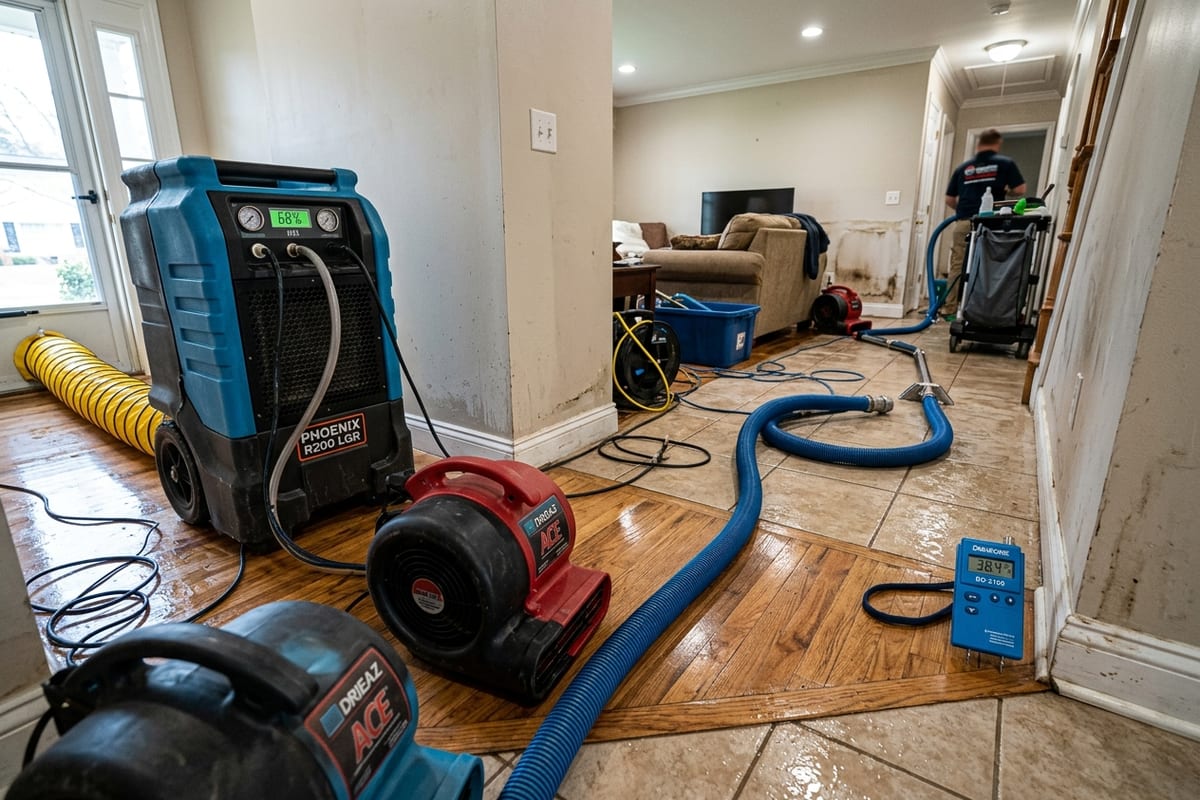
Professional water damage restoration stops progressive structural deterioration, extracts standing water with truck-mounted pumps, and dries internal wall cavities using industrial dehumidifiers within 72 hours to prevent hazardous mold growth.
 Local Protocol
Emergency Water Extraction→
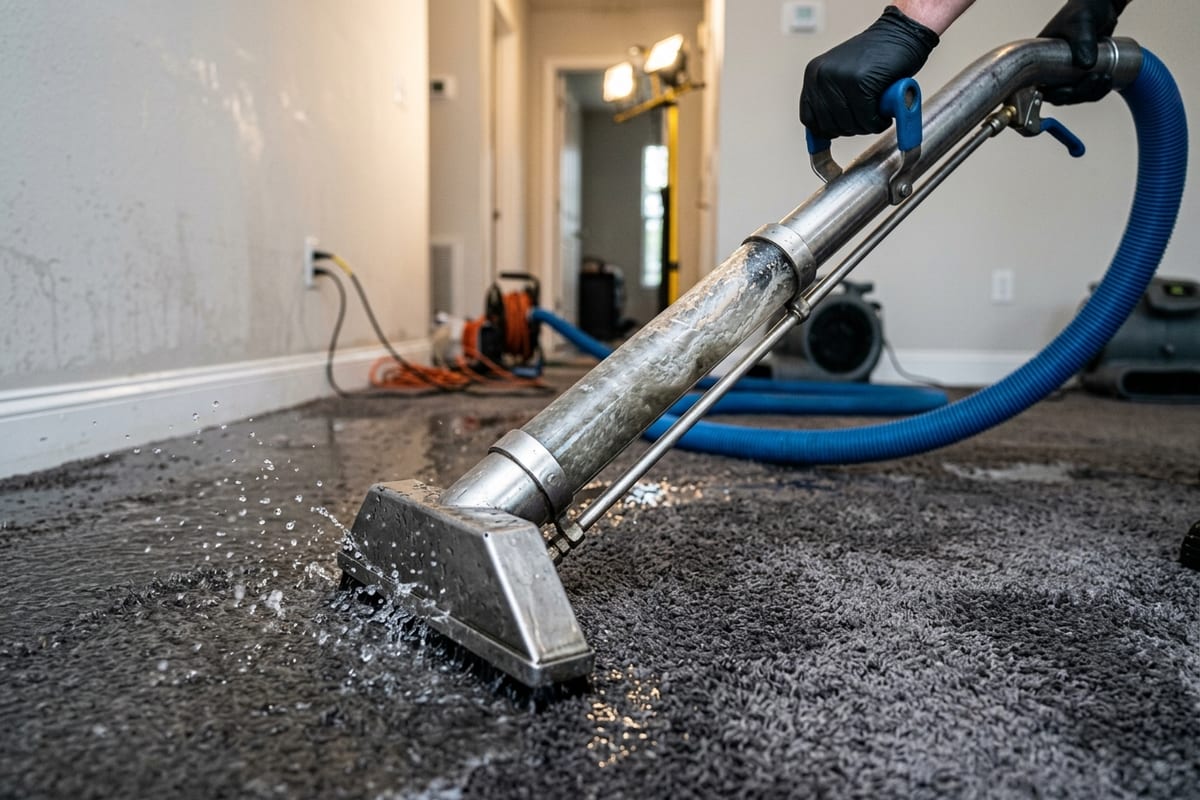
Emergency water extraction uses heavy-duty submersible pumps and truck-mounted vacuum units to physically extract hundreds of gallons of standing water per hour from flooded homes and businesses before structural framing absorbs it.
 Local Protocol
Mold Remediation & Removal→
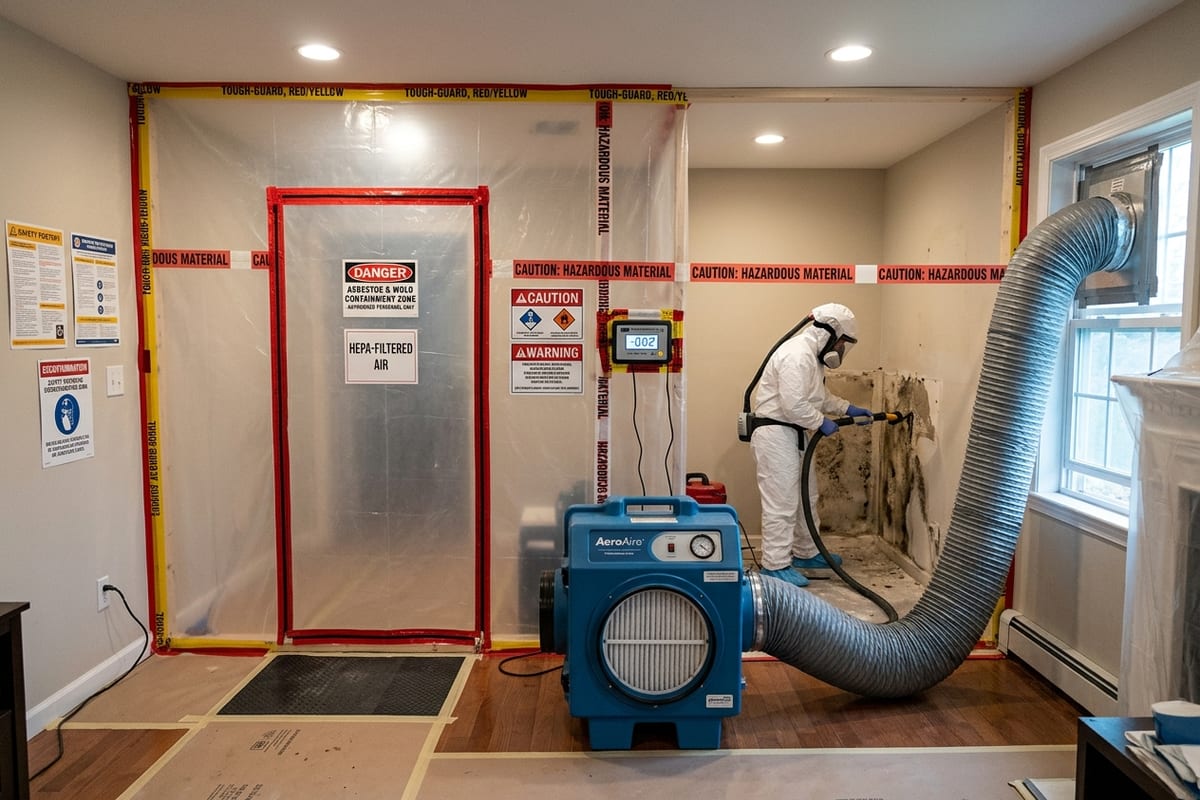
Certified mold remediation isolates active fungal colonies under negative air pressure, safely removes colonized building materials, and purifies indoor air with HEPA scrubbers to eliminate mycotoxins and prevent recurrence.
 Local Protocol
Sewage Backup & Biohazard Cleanup→
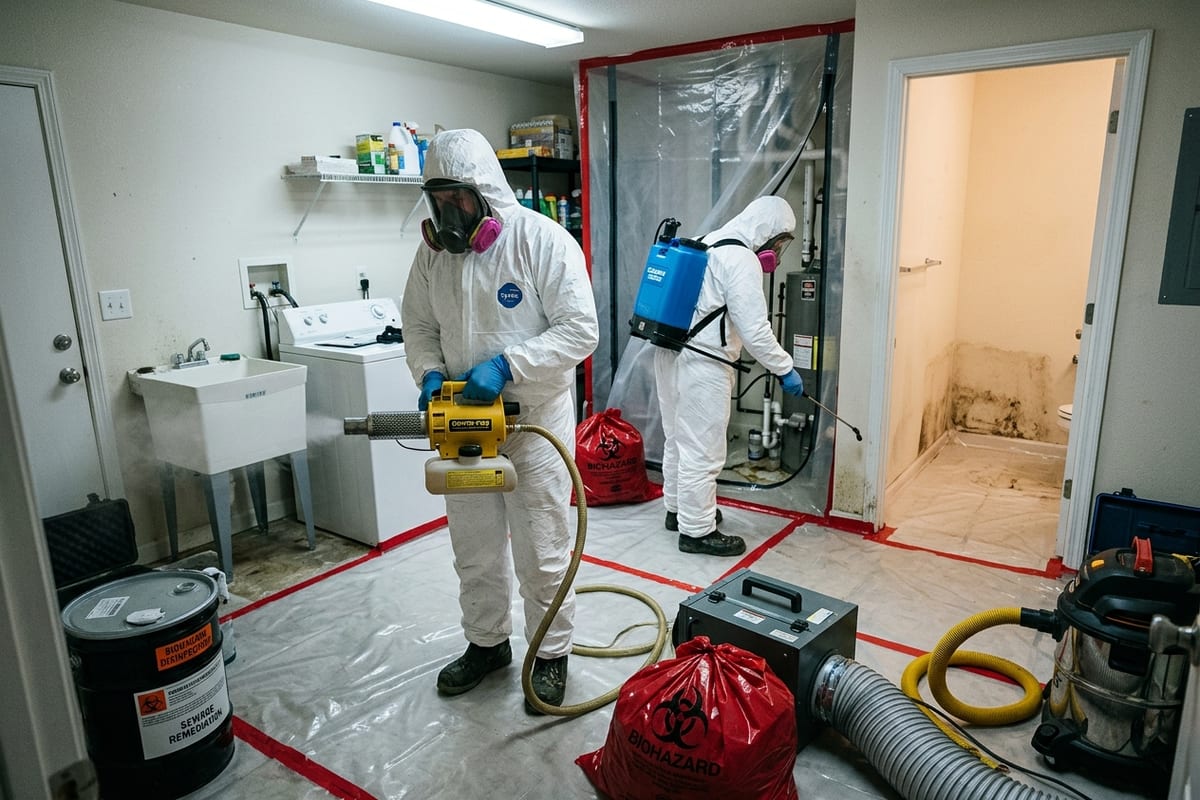
Sewage cleanup safely extracts hazardous Category 3 black water containing dangerous bacteria and pathogens, removes saturated porous building materials, and sanitizes contaminated surfaces with broad-spectrum disinfectants.
Check 45–60 Min Response Time for Your San Francisco ZIP Code
WaterRestore Pro dispatches IICRC-certified emergency teams across San Francisco County 24 hours a day, 365 days a year. Verify rapid on-site coverage for your postal code:
Check Your ZIP Code Coverage
Verify immediate 45–60 minute emergency water extraction dispatch across our 50-state nationwide coverage network.
Frequently Asked Questions in San Francisco, CA
How is water damage handled in historic San Francisco Victorians?+
Historic Victorian homes feature lath-and-plaster walls, coved ceilings, and softwood subfloors that require delicate restoration. Aggressive demolition destroys irreplaceable historical architecture. WaterRestore Pro utilizes specialized non-invasive cavity drying equipment and negative air pressure systems to preserve original materials.
Why does water spread so quickly across San Francisco rowhouses?+
Because homes in neighborhoods like the Sunset and Mission share zero-lot-line exterior walls, water from a ruptured line can travel laterally across joists into adjacent buildings. We perform cross-property infrared thermal surveys to trace the exact boundaries of water migration.
How do you dry properties in San Francisco's foggy coastal climate?+
With outside relative humidity often exceeding 90% in districts like the Sunset and Richmond, outdoor air cannot be used for drying. WaterRestore Pro creates sealed containment zones and operates low-grain refrigerant and desiccant units that extract water vapor regardless of outdoor weather.
Nearby Communities We Serve:
Standing Water in Your Home? Minutes Count.
Emergency water extraction units are on call 24 hours a day across all major metropolitan service areas. Call now for priority dispatch.