Water Damage Restoration in Denver, CO
Denver, the Mile High City, combines historic Victorian and brick bungalow neighborhoods in Washington Park, Capitol Hill, and the Highlands with modern urban high-rises and master-planned developments in Central Park. Nestled against the Rocky Mountain foothills, properties face complex water hazards caused by active bentonite clay soil foundation movement, South Platte River basin flood surges, and sudden sub-zero Arctic freeze events that burst domestic water lines.
Denver, CO Coverage Facts
- Jurisdiction
- Denver County
- Target Response Time
- 45 to 60 Minutes On-Site
- Disaster Coverage
- 24/7, 365 Days a Year
- Covered ZIP Codes
- 80202, 80203, 80205, 80206, 80209, 80210, 80211, 80218, 80220, 80238
Housing Architecture & Water Risks in Denver, CO
Over 80% of Denver single-family residences feature full basements. Historic homes built between 1890 and 1940 feature unreinforced brick or stone masonry basement walls, aging galvanized water supply pipes, and deteriorating clay tile sewer laterals. Modern suburban homes feature concrete foundations that must withstand intense lateral soil pressures caused by expanding bentonite clay during wet seasons.
Key Local Restoration Issues in Denver
Bentonite Soil Heave & Foundation Slab Plumbing Shearing
Denver's expansive bentonite smectite clay soils swell up to 20% by volume when saturated with moisture, shifting basement foundation slabs and shearing embedded copper domestic water supply lines and drain pipes.
Sudden Arctic Temperature Drops & Freeze Pipe Bursts
Front Range weather fronts drop temperatures 40 degrees in hours, dropping below zero and freezing uninsulated water supply lines in drafty crawl spaces, exterior brick walls, and basement rim joists.
South Platte River Basin Sump Pump Overflows
Heavy spring rainfall combined with mountain snowmelt elevates the local water table, overwhelming residential basement perimeter drain systems and burning out primary sump pump motors.
Regional Climate & Weather Risks in Denver
Geology, Soil & Foundation Dynamics in Denver
Building Stock & Primary Dispatch Triggers in Denver
Historic brick bungalows, mid-century brick ranch homes with full basements, contemporary multi-story urban infill, and suburban split-levels.
- •Basement wall and floor seepage from expanding bentonite clay soils
- •Rapid freeze-thaw plumbing line splits in unconditioned garages and attics
- •Heavy wet spring snow load melting into roof soffits and ice dams
- •Sump pump overflows during severe Front Range summer cloudbursts
Local Water & Infrastructure Profile: Denver
Local Response & Property Access Protocols in Denver
Insurance Claim Documentation & Billing Guidelines in Colorado
Colorado insurance claims for water damage are overseen by the Department of Regulatory Agencies (DORA) Division of Insurance pursuant to C.R.S. § 10-3-1104 and § 10-3-1115/1116 (Unreasonable Delay or Denial of Benefits). Carriers must acknowledge claims within 15 calendar days and decide coverage within 60 days of receiving complete documentation. Colorado statutes protect policyholders against bad-faith claim handling and uphold their right to select an independent restoration contractor. In Colorado's high-altitude climate, rapid psychrometric adjustments and accurate thermal imaging are required to document moisture migration in crawl spaces and basements following sudden snowmelt or frozen plumbing failures. Under Colorado Division of Insurance (DORA) standards and C.R.S. § 10-3-1115, water mitigation documentation must satisfy rigorous evidentiary requirements. Because Colorado's high-altitude atmosphere alters psychrometric calculations, technicians record calibrated barometric pressure, temperature, and GPP readings daily. Saturated framing and basement slabs are monitored with digital moisture probes until baseline levels are achieved. Scopes are submitted in Xactimate directly to carriers, facilitating direct insurance billing and protecting Colorado homeowners from unreasonable claim delays.
Policyholder Rights & Independent Contractor Selection in Colorado
Under Colorado insurance regulations, residential and commercial property owners maintain the full legal authority to hire any licensed, independent disaster restoration contractor of their choice. Insurance carriers and claims adjusters are prohibited from steering or mandating the use of preferred network vendors. WaterRestore Pro dispatches certified local mitigation specialists who adhere strictly to ANSI/IICRC S500 standards, recording daily psychrometric logs, moisture baselines, and thermal imaging scans. All repair scopes are compiled using standardized Xactimate line items and submitted directly to your insurance company, supporting direct carrier billing and protecting homeowners from upfront costs on covered peril claims.
Common Emergency Calls in Denver
Local ProtocolWater Damage Restoration→
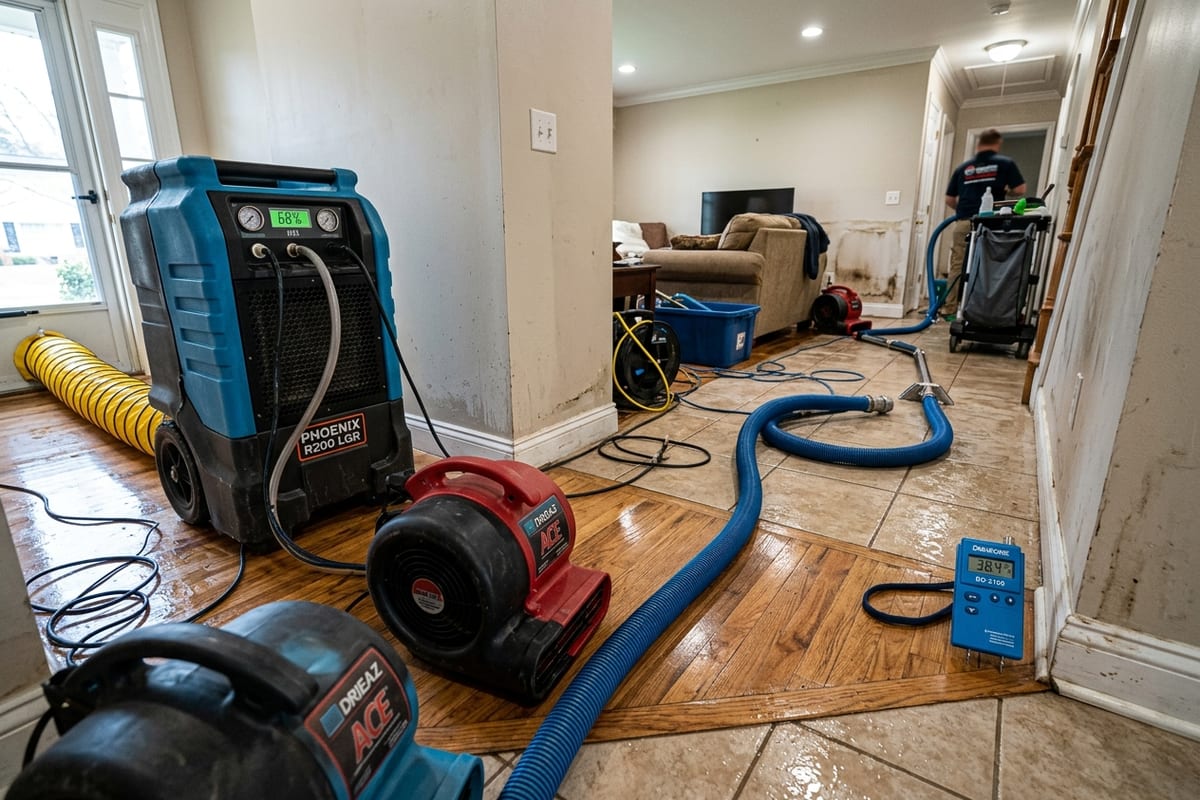
Professional water damage restoration stops progressive structural deterioration, extracts standing water with truck-mounted pumps, and dries internal wall cavities using industrial dehumidifiers within 72 hours to prevent hazardous mold growth.
 Local Protocol
Emergency Water Extraction→
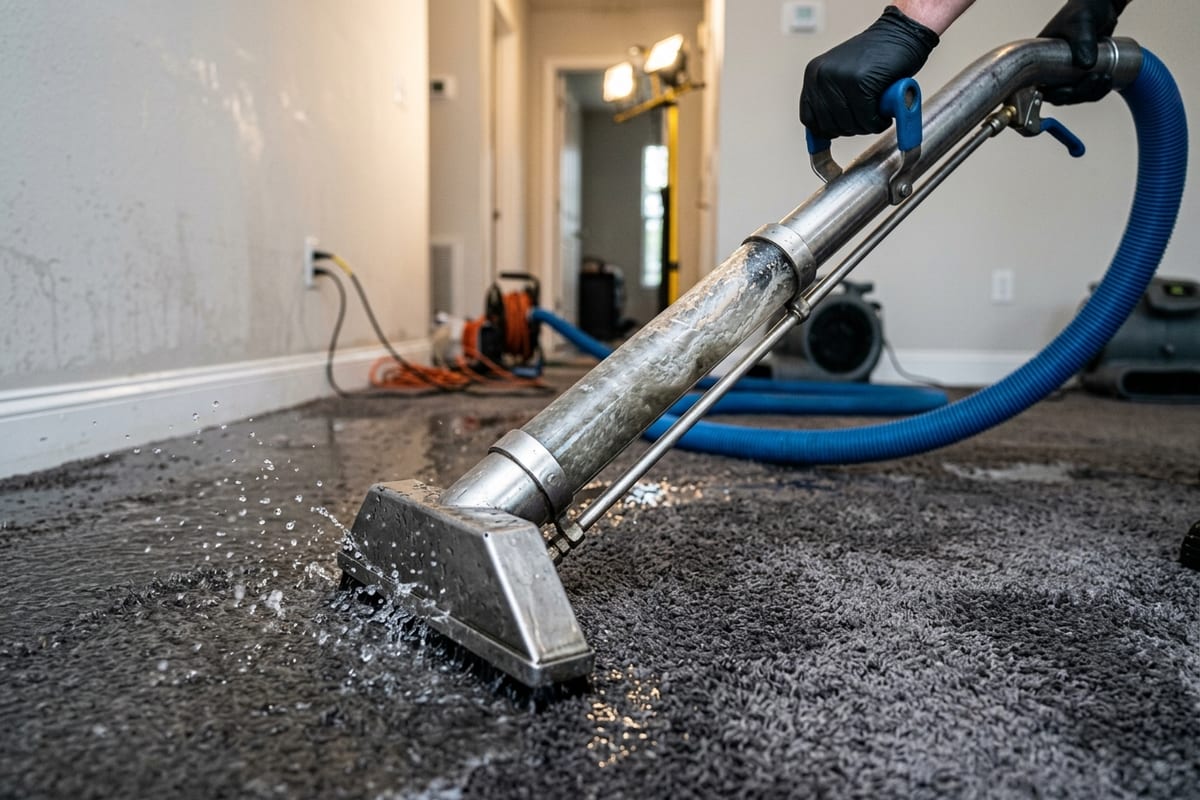
Emergency water extraction uses heavy-duty submersible pumps and truck-mounted vacuum units to physically extract hundreds of gallons of standing water per hour from flooded homes and businesses before structural framing absorbs it.
 Local Protocol
Burst & Frozen Pipe Cleanup→
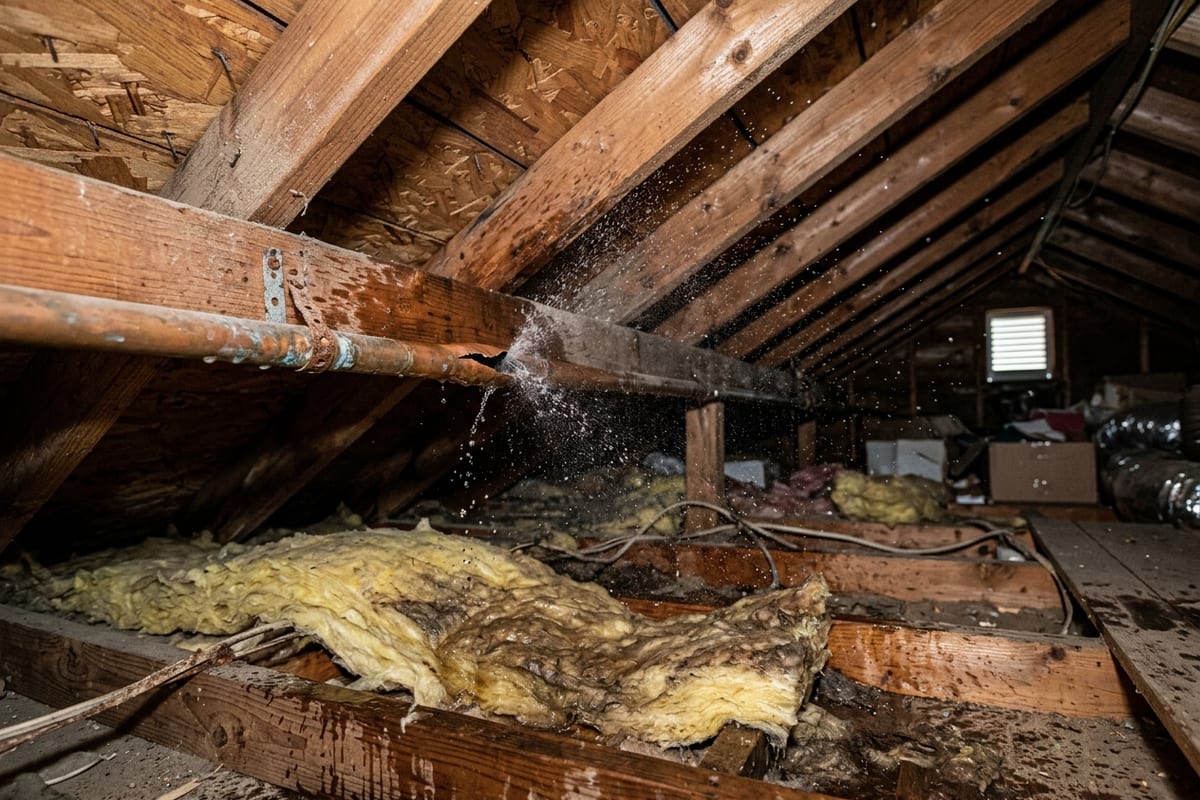
Burst pipe cleanup addresses high-pressure plumbing ruptures in attics, crawlspaces, and interior walls by immediately stopping water flow, extracting water cascading through ceilings, and drying framing to prevent structural rot.
 Local Protocol
Sewage Backup & Biohazard Cleanup→
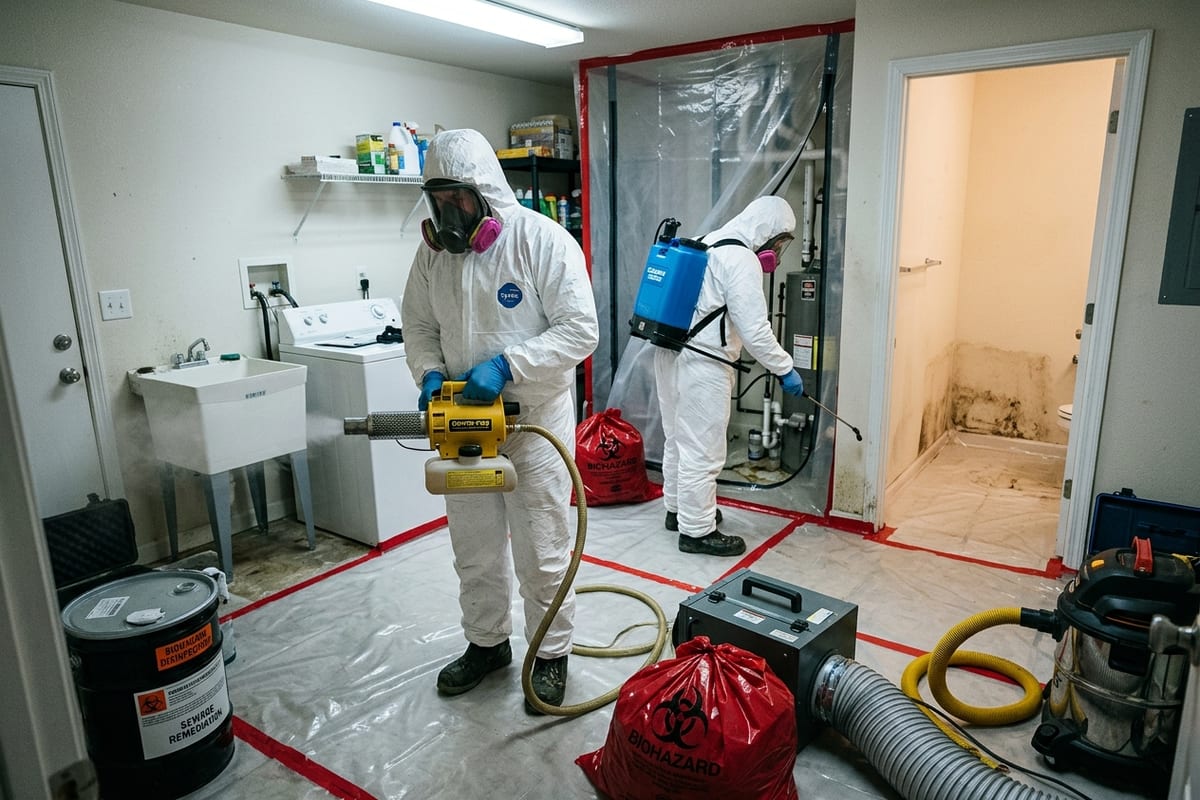
Sewage cleanup safely extracts hazardous Category 3 black water containing dangerous bacteria and pathogens, removes saturated porous building materials, and sanitizes contaminated surfaces with broad-spectrum disinfectants.
Check 45–60 Min Response Time for Your Denver ZIP Code
WaterRestore Pro dispatches IICRC-certified emergency teams across Denver County 24 hours a day, 365 days a year. Verify rapid on-site coverage for your postal code:
Check Your ZIP Code Coverage
Verify immediate 45–60 minute emergency water extraction dispatch across our 50-state nationwide coverage network.
Frequently Asked Questions in Denver, CO
Why is water damage particularly dangerous for Denver basement foundations?+
Denver's native bentonite clay expands dramatically when exposed to water from a burst pipe or sump failure. This expansion can heave concrete basement slabs, crack structural walls, and misalign framing. Rapid emergency extraction by WaterRestore Pro stops water from penetrating the sub-slab soil.
How do extreme Denver temperature drops cause sudden pipe bursts?+
When arctic cold fronts drop temperatures by 40 to 50 degrees in a few hours, plumbing runs in exterior walls, crawlspaces, and cantilevered floors freeze before homeowners can respond. WaterRestore Pro deploys emergency thaw teams, extracts water, and dries structural framing.
Will Colorado insurance cover basement water damage from snowmelt?+
Snowmelt entering through foundation walls is typically classified as surface water or seepage, requiring specialized flood endorsements. However, snowmelt entering through roof damage or interior pipe ruptures is covered. We provide clear technical origin documentation for your insurance provider.
Nearby Communities We Serve:
Standing Water in Your Home? Minutes Count.
Emergency water extraction units are on call 24 hours a day across all major metropolitan service areas. Call now for priority dispatch.