Water Damage Restoration in Miami, FL
Miami is the international economic and cultural metropolis of South Florida, home to over 450,000 residents situated along Biscayne Bay and the Miami River. Built across an exceptionally porous Miami Oolite limestone ridge with a shallow Biscayne Aquifer water table, Miami properties face unique hydrological challenges. Astronomical king tides, tropical cyclone storm surges, and intense convective downpours routinely saturate low-elevation urban areas, while year-round ambient humidity exceeding 85% accelerates rapid toxic mold proliferation across flooded building materials within 24 to 36 hours.
Miami, FL Coverage Facts
- Jurisdiction
- Miami-Dade County
- Target Response Time
- 45 to 60 Minutes On-Site
- Disaster Coverage
- 24/7, 365 Days a Year
- Covered ZIP Codes
- 33129, 33130, 33131, 33133, 33137, 33138, 33139
Housing Architecture & Water Risks in Miami, FL
Miami's residential architecture ranges from historic 1920s Mediterranean revival estates and coral rock cottages in Coconut Grove to mid-century concrete block (CBS) homes in Little Havana and luxury high-rise waterfront condominiums in Brickell and Edgewater. High-rise buildings frequently experience vertical plumbing riser failures that flood dozens of floors, while single-family slab-on-grade homes contend with chronic sub-slab moisture transmission from the shallow Biscayne Aquifer.
Key Local Restoration Issues in Miami
Biscayne Bay King Tide & Storm Surge Inundation
Low-lying coastal neighborhoods in Brickell, Coconut Grove, and Edgewater face severe tidal backflow through storm drains and bay storm surges that push corrosive saltwater directly into ground-floor living areas and underground parking garages.
Porous Miami Oolite Limestone Slab Dampness
The underlying Miami Oolite limestone formation is highly permeable; seasonal high groundwater levels push moisture upward through concrete slabs via capillary action, compromising tile adhesion and warping hardwood flooring.
High-Rise Vertical Plumbing Riser Ruptures
High-density residential towers in downtown Miami experience pressurized vertical supply and fire riser failures that cascade through dozens of stories, causing catastrophic multi-unit structural water damage.
Regional Climate & Weather Risks in Miami
Geology, Soil & Foundation Dynamics in Miami
Building Stock & Primary Dispatch Triggers in Miami
Concrete block with stucco (CBS) construction on slab-on-grade foundations, high-rise luxury concrete condominiums, and historic Art Deco structures.
- •Wind-driven rain penetration around window seals and roof flashing during hurricanes
- •High-humidity microbial acceleration on damp drywall within 24 hours
- •Air conditioning condensate drain pan overflows in multi-story condos and residences
- •Slab-on-grade plumbing line leaks in post-war residential subdivisions
Local Water & Infrastructure Profile: Miami
Local Response & Property Access Protocols in Miami
Insurance Claim Documentation & Billing Guidelines in Florida
Florida property owners navigating water damage insurance claims operate under Florida Statute § 627.70131 (Insurer Claims Handling). Under Florida Office of Insurance Regulation (OIR) guidelines, carriers must acknowledge an initial claim within 7 calendar days, begin physical inspection within 30 days of proof of loss submission, and issue full or partial claim determinations within 60 days. In accordance with recent Florida legislative reforms regarding property insurance and direct contractor payment, emergency water extraction and drying services require precise statutory compliance: mitigation contracts must include itemized Xactimate estimates based on standard regional pricing, detailed photo documentation of affected building assemblies prior to tear-out, and daily digital moisture logs. Florida policyholders have the legal right to retain independent IICRC-certified restoration specialists to stabilize catastrophic water emergencies. Documenting structural drying using Low-Grain Refrigerant (LGR) dehumidifiers and hospital-grade antimicrobial applications is critical in Florida's subtropical climate to prevent secondary microbial growth while adhering strictly to carrier documentation standards. Florida Office of Insurance Regulation (OIR) standards and recent legislative property insurance reforms require exhaustive photographic and moisture proof before structural mitigation invoices are approved. Contractors operating in Florida must maintain daily psychrometric chamber logs detailing ambient temperature, grains per pound (GPP), and moisture meter readings in all affected drywall, cabinetry, and tile underlayments. High-capacity Low-Grain Refrigerant (LGR) and desiccant dehumidifiers are documented to prevent microbial colonisation in Florida's extreme humidity. Invoices are formatted strictly in Xactimate with itemized line entries, and direct carrier billing agreements are coordinated to ensure policyholders encounter zero upfront out-of-pocket expenses beyond their hurricane or all-perils deductible.
Policyholder Rights & Independent Contractor Selection in Florida
Under Florida insurance regulations, residential and commercial property owners maintain the full legal authority to hire any licensed, independent disaster restoration contractor of their choice. Insurance carriers and claims adjusters are prohibited from steering or mandating the use of preferred network vendors. WaterRestore Pro dispatches certified local mitigation specialists who adhere strictly to ANSI/IICRC S500 standards, recording daily psychrometric logs, moisture baselines, and thermal imaging scans. All repair scopes are compiled using standardized Xactimate line items and submitted directly to your insurance company, supporting direct carrier billing and protecting homeowners from upfront costs on covered peril claims.
Common Emergency Calls in Miami
Local ProtocolWater Damage Restoration→
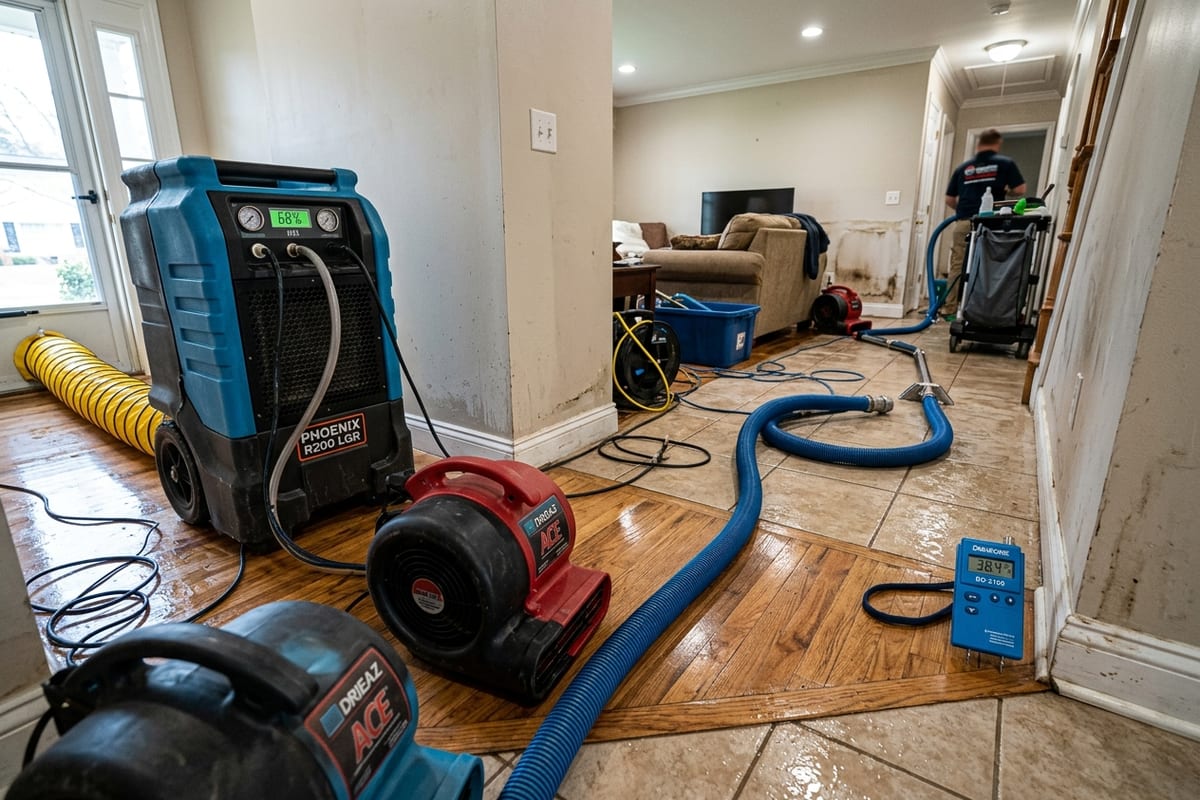
Professional water damage restoration stops progressive structural deterioration, extracts standing water with truck-mounted pumps, and dries internal wall cavities using industrial dehumidifiers within 72 hours to prevent hazardous mold growth.
 Local Protocol
Emergency Water Extraction→
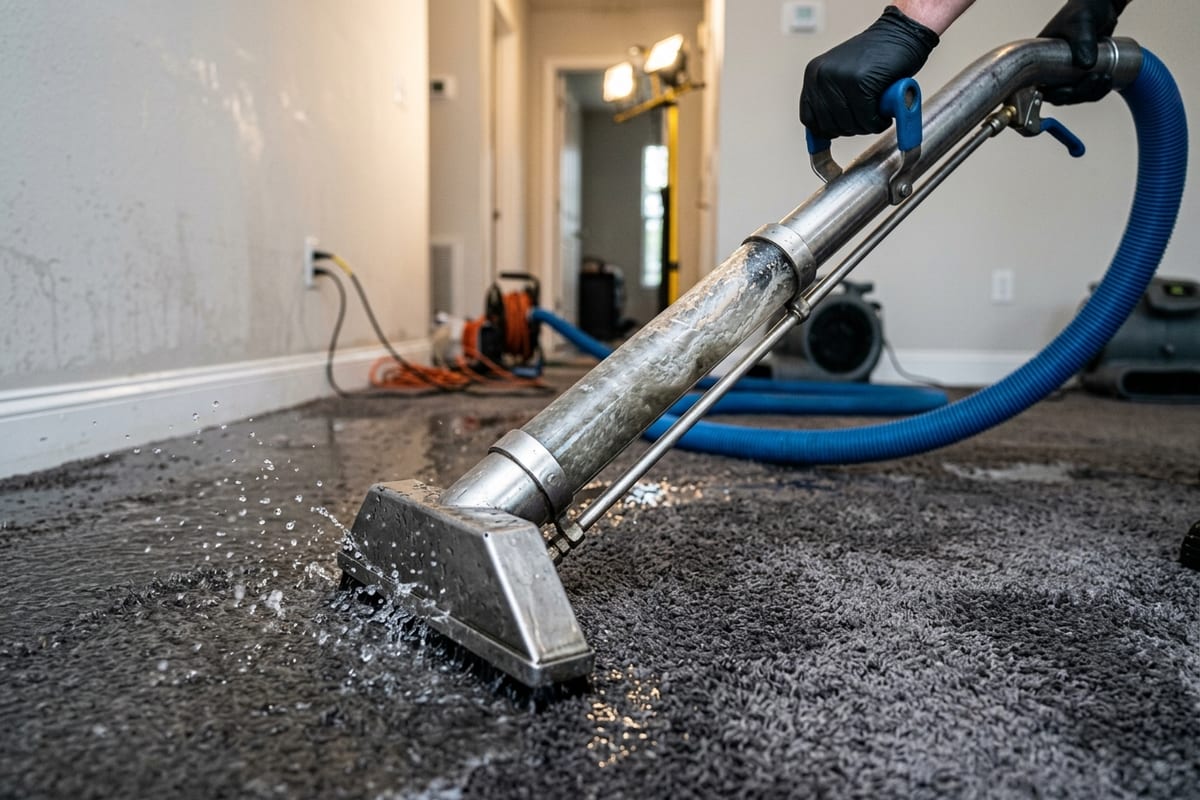
Emergency water extraction uses heavy-duty submersible pumps and truck-mounted vacuum units to physically extract hundreds of gallons of standing water per hour from flooded homes and businesses before structural framing absorbs it.
 Local Protocol
Burst & Frozen Pipe Cleanup→
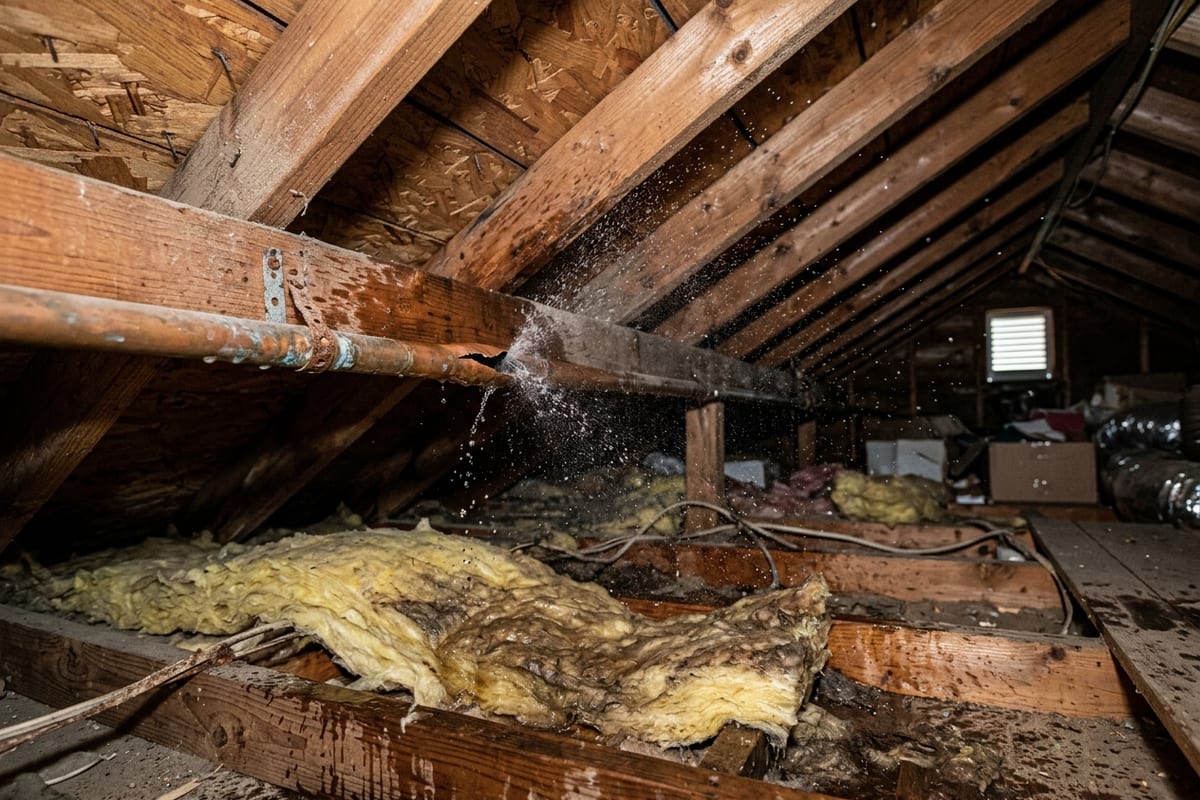
Burst pipe cleanup addresses high-pressure plumbing ruptures in attics, crawlspaces, and interior walls by immediately stopping water flow, extracting water cascading through ceilings, and drying framing to prevent structural rot.
 Local Protocol
Mold Remediation & Removal→
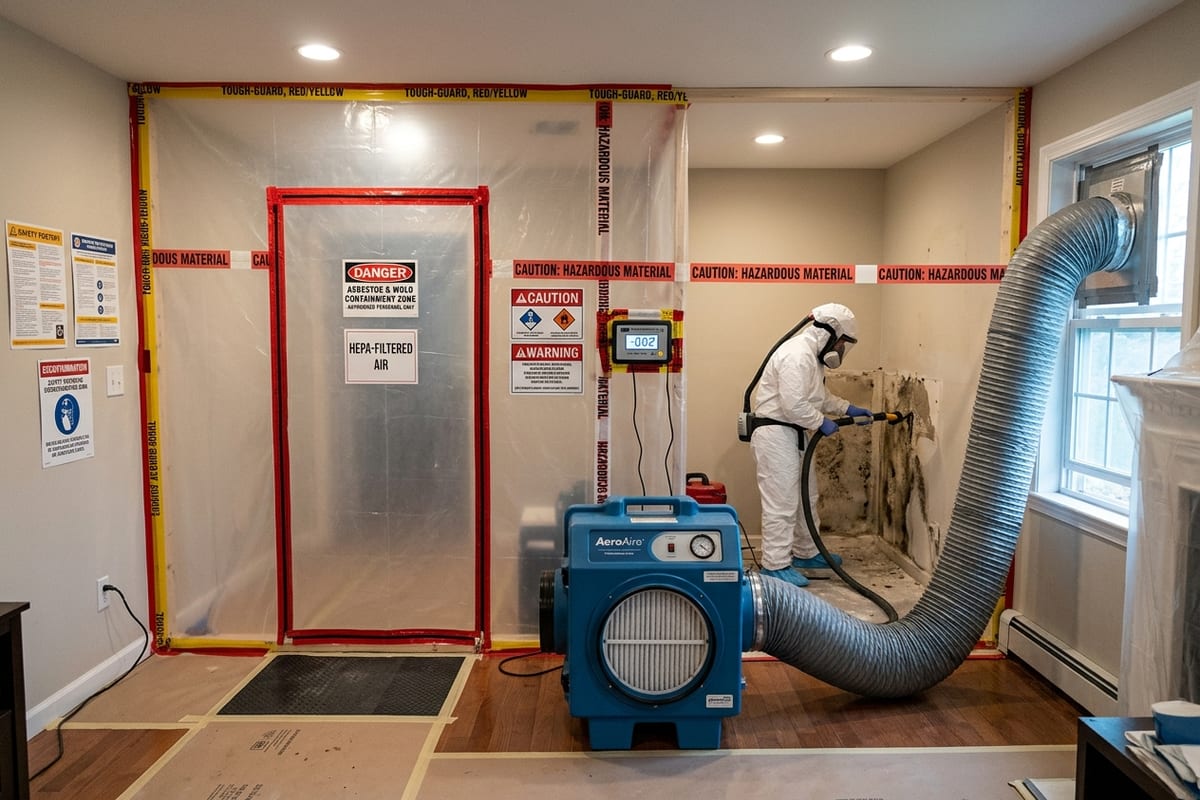
Certified mold remediation isolates active fungal colonies under negative air pressure, safely removes colonized building materials, and purifies indoor air with HEPA scrubbers to eliminate mycotoxins and prevent recurrence.
Check 45–60 Min Response Time for Your Miami ZIP Code
WaterRestore Pro dispatches IICRC-certified emergency teams across Miami-Dade County 24 hours a day, 365 days a year. Verify rapid on-site coverage for your postal code:
Check Your ZIP Code Coverage
Verify immediate 45–60 minute emergency water extraction dispatch across our 50-state nationwide coverage network.
Frequently Asked Questions in Miami, FL
Why is rapid response critical for water damage in Miami?+
With ambient indoor temperatures averaging 75°F to 85°F and humidity above 80%, mold spores germinate on wet drywall, wood trim, and AC ductwork within 24 hours. WaterRestore Pro responds immediately with industrial LGR and desiccant dehumidifiers to drop relative humidity below 50%.
How are multi-story condominium water leaks handled in Brickell and Miami Beach?+
High-rise condo leaks travel down service shafts, elevator chases, and electrical conduits. WaterRestore Pro coordinates with HOA property managers to establish containment, extract water from multiple units simultaneously, and document damage for individual and master insurance policies.
Does Florida homeowners insurance cover hurricane water damage?+
Wind-driven rain entering through storm-created roof or window openings is typically covered under standard or hurricane policies (subject to hurricane deductibles). Rising storm surge requires flood insurance. WaterRestore Pro documents the exact entry points for your adjuster.
Nearby Communities We Serve:
Standing Water in Your Home? Minutes Count.
Emergency water extraction units are on call 24 hours a day across all major metropolitan service areas. Call now for priority dispatch.