Water Damage Restoration in Orlando, FL
Orlando is the world-renowned entertainment and technology capital of Central Florida, home to over 315,000 residents situated along the Interstate 4 corridor. Built across a unique landscape of over 100 interconnected urban lakes, wetlands, and limestone karst formations, Orlando properties face recurring water damage from severe convective summer thunderstorms, tropical storm depressions, and sudden sinkhole subsidence. Heavy rainfall frequently overwhelms urban lake retention basins, while persistent high subtropical humidity accelerates rapid indoor mold growth.
Orlando, FL Coverage Facts
- Jurisdiction
- Orange County
- Target Response Time
- 45 to 60 Minutes On-Site
- Disaster Coverage
- 24/7, 365 Days a Year
- Covered ZIP Codes
- 32801, 32803, 32804, 32806, 32819, 32828, 32835
Housing Architecture & Water Risks in Orlando, FL
Orlando's residential architecture ranges from 1920s historic Mediterranean and craftsman homes in Thornton Park and Lake Eola Heights to mid-century concrete block ranches in College Park and modern luxury estates in Dr. Phillips and Lake Nona. Older properties frequently suffer from deteriorating cast-iron drain lines and corroded copper supply lines beneath concrete slabs, while newer master-planned homes feature complex multi-story PEX plumbing systems.
Key Local Restoration Issues in Orlando
Urban Lake Drainage Basin Inundation
Intense convective thunderstorm supercells quickly overwhelm interconnected lake spillways and storm sewers, causing standing water to flood street networks and penetrate low-lying residential ground floors.
Karst Limestone Sinkhole Subsoil Settlement
Orange County sits atop porous Ocala limestone where underground groundwater fluctuations cause sudden subsoil subsidence, shifting concrete slab foundations and shearing subterranean plumbing pipes.
Attic Hot Water Heater & Manifold Failures
High attic summer temperatures exceeding 130 degrees Fahrenheit in two-story Orlando homes accelerate the failure of plastic PEX fittings and water heater expansion tanks, resulting in massive ceiling collapses.
Regional Climate & Weather Risks in Orlando
Geology, Soil & Foundation Dynamics in Orlando
Building Stock & Primary Dispatch Triggers in Orlando
Concrete block with stucco (CBS) single-family homes on concrete slab foundations, modern master-planned developments, and multi-story townhomes.
- •Attic HVAC air handler condensate drain pan overflow dripping through ceilings
- •High-humidity microbial acceleration on drywall and baseboards within 24 to 36 hours
- •Wind-driven rain penetration around roof valleys and window seals during tropical storms
- •PEX and copper supply line pinhole leaks in slab-on-grade suburban homes
Local Water & Infrastructure Profile: Orlando
Local Response & Property Access Protocols in Orlando
Insurance Claim Documentation & Billing Guidelines in Florida
Florida property owners navigating water damage insurance claims operate under Florida Statute § 627.70131 (Insurer Claims Handling). Under Florida Office of Insurance Regulation (OIR) guidelines, carriers must acknowledge an initial claim within 7 calendar days, begin physical inspection within 30 days of proof of loss submission, and issue full or partial claim determinations within 60 days. In accordance with recent Florida legislative reforms regarding property insurance and direct contractor payment, emergency water extraction and drying services require precise statutory compliance: mitigation contracts must include itemized Xactimate estimates based on standard regional pricing, detailed photo documentation of affected building assemblies prior to tear-out, and daily digital moisture logs. Florida policyholders have the legal right to retain independent IICRC-certified restoration specialists to stabilize catastrophic water emergencies. Documenting structural drying using Low-Grain Refrigerant (LGR) dehumidifiers and hospital-grade antimicrobial applications is critical in Florida's subtropical climate to prevent secondary microbial growth while adhering strictly to carrier documentation standards. Florida Office of Insurance Regulation (OIR) standards and recent legislative property insurance reforms require exhaustive photographic and moisture proof before structural mitigation invoices are approved. Contractors operating in Florida must maintain daily psychrometric chamber logs detailing ambient temperature, grains per pound (GPP), and moisture meter readings in all affected drywall, cabinetry, and tile underlayments. High-capacity Low-Grain Refrigerant (LGR) and desiccant dehumidifiers are documented to prevent microbial colonisation in Florida's extreme humidity. Invoices are formatted strictly in Xactimate with itemized line entries, and direct carrier billing agreements are coordinated to ensure policyholders encounter zero upfront out-of-pocket expenses beyond their hurricane or all-perils deductible.
Policyholder Rights & Independent Contractor Selection in Florida
Under Florida insurance regulations, residential and commercial property owners maintain the full legal authority to hire any licensed, independent disaster restoration contractor of their choice. Insurance carriers and claims adjusters are prohibited from steering or mandating the use of preferred network vendors. WaterRestore Pro dispatches certified local mitigation specialists who adhere strictly to ANSI/IICRC S500 standards, recording daily psychrometric logs, moisture baselines, and thermal imaging scans. All repair scopes are compiled using standardized Xactimate line items and submitted directly to your insurance company, supporting direct carrier billing and protecting homeowners from upfront costs on covered peril claims.
Common Emergency Calls in Orlando
Local ProtocolWater Damage Restoration→
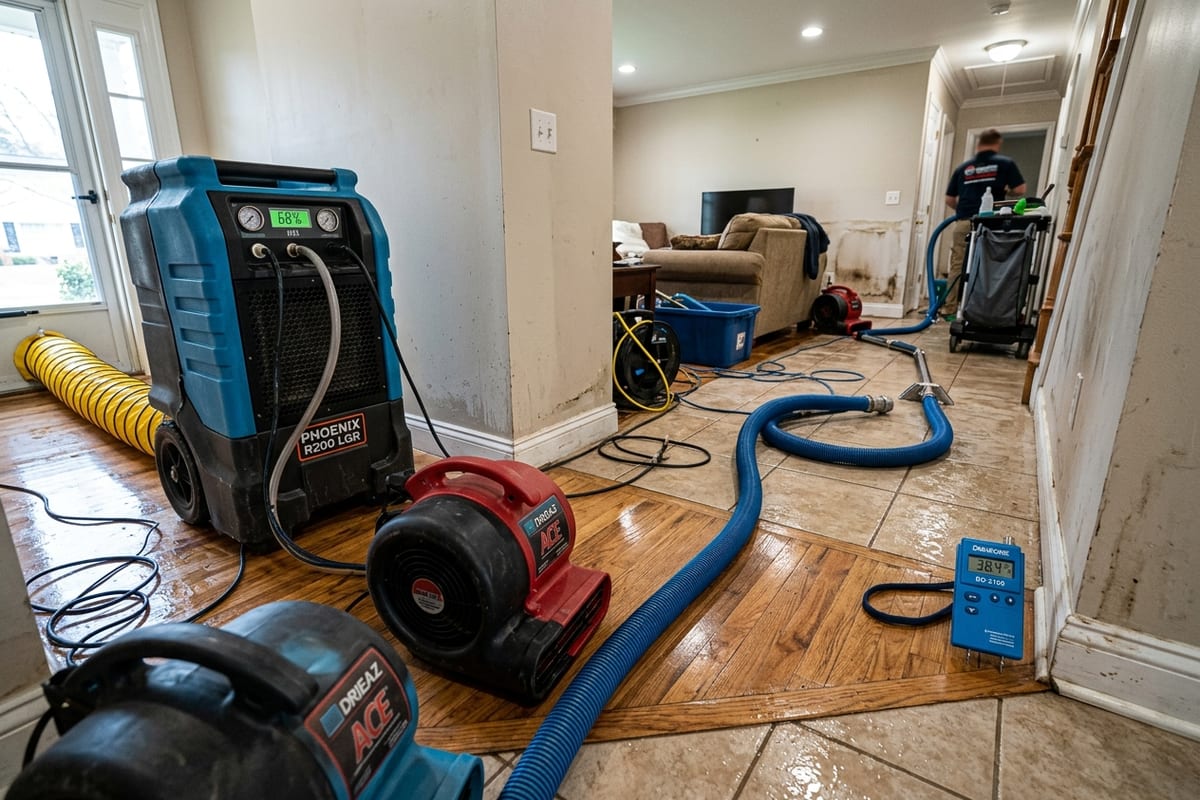
Professional water damage restoration stops progressive structural deterioration, extracts standing water with truck-mounted pumps, and dries internal wall cavities using industrial dehumidifiers within 72 hours to prevent hazardous mold growth.
 Local Protocol
Emergency Water Extraction→
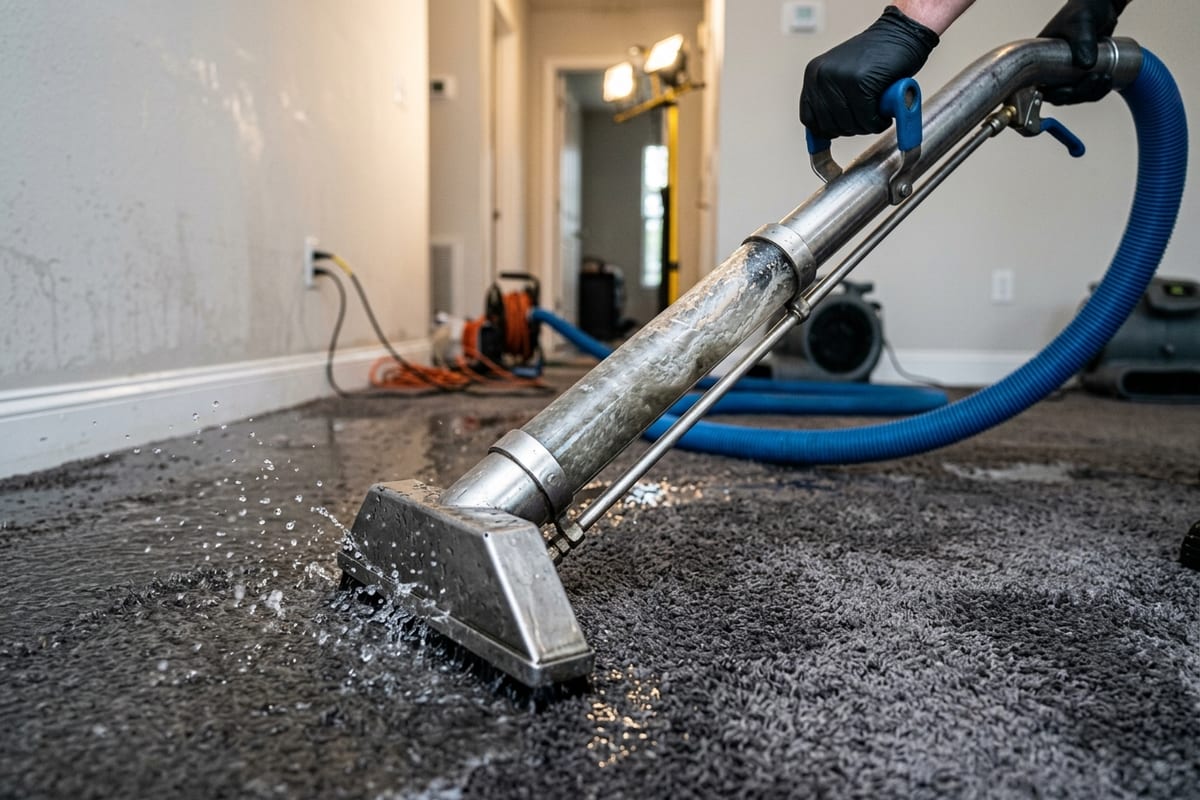
Emergency water extraction uses heavy-duty submersible pumps and truck-mounted vacuum units to physically extract hundreds of gallons of standing water per hour from flooded homes and businesses before structural framing absorbs it.
 Local Protocol
Slab Leak Water Damage Cleanup→
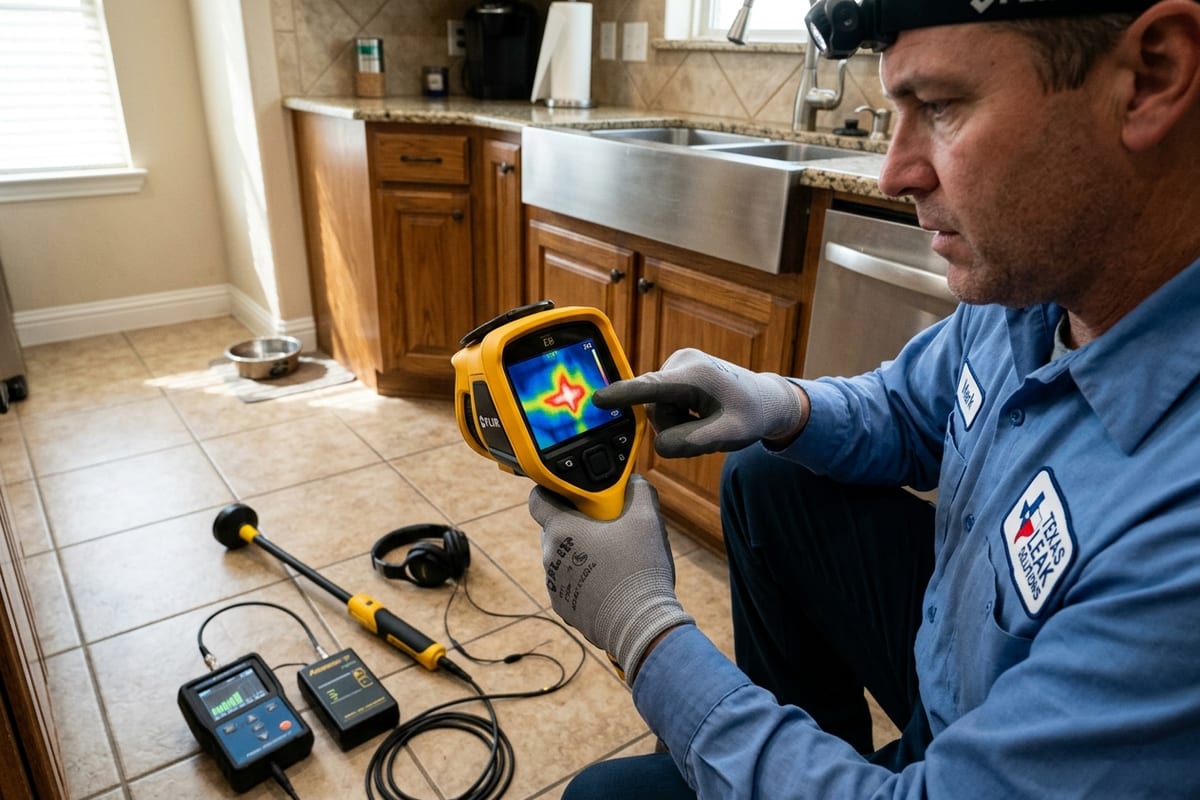
Slab leak water damage restoration extracts water migrating up through concrete foundation cracks into floors, baseboards, and walls, utilizing specialized desiccant dehumidifiers and drying mats to restore subfloor framing.
 Local Protocol
Mold Remediation & Removal→
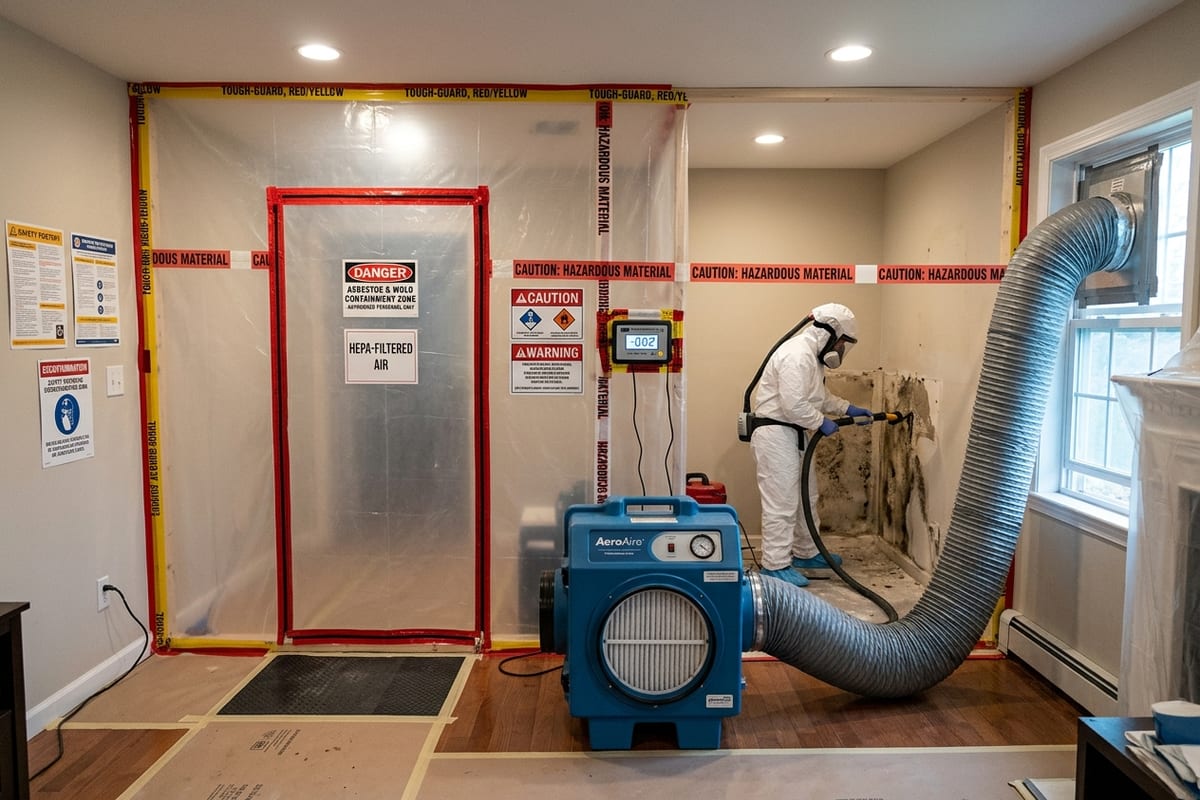
Certified mold remediation isolates active fungal colonies under negative air pressure, safely removes colonized building materials, and purifies indoor air with HEPA scrubbers to eliminate mycotoxins and prevent recurrence.
Check 45–60 Min Response Time for Your Orlando ZIP Code
WaterRestore Pro dispatches IICRC-certified emergency teams across Orange County 24 hours a day, 365 days a year. Verify rapid on-site coverage for your postal code:
Check Your ZIP Code Coverage
Verify immediate 45–60 minute emergency water extraction dispatch across our 50-state nationwide coverage network.
Frequently Asked Questions in Orlando, FL
Why do HVAC condensate leaks cause ceiling collapses in Orlando homes?+
With AC units running continuously during Orlando summers, a clogged condensate drain line quickly fills the backup pan. When the pan overflows, water saturates ceiling drywall until it collapses under the weight. WaterRestore Pro extracts water, cleans duct areas, and dries structural framing.
How quickly does mold develop in Orlando homes after water damage?+
In Orlando's warm indoor environment (75°F–85°F) and high humidity, mold spores germinate on wet drywall and carpet within 24 to 48 hours. Rapid water extraction and closed-chamber dehumidification by WaterRestore Pro are essential.
Does Florida homeowners insurance cover water damage from a ruptured water heater?+
Yes, sudden and accidental water heater ruptures are covered under standard policies. WaterRestore Pro provides direct billing and documentation through Xactimate to ensure all drying and remediation costs are approved.
Nearby Communities We Serve:
Standing Water in Your Home? Minutes Count.
Emergency water extraction units are on call 24 hours a day across all major metropolitan service areas. Call now for priority dispatch.