Water Damage Restoration in Lawrenceville, GA
Lawrenceville is the historic county seat of Gwinnett County, located northeast of Atlanta along State Route 316 and the Interstate 85 corridor. Combining an active historic downtown courthouse square, extensive retail centers around Sugarloaf Mills, and sprawling suburban residential subdivisions, Lawrenceville properties face significant stormwater drainage pressures and shifting subsoils.
Lawrenceville, GA Coverage Facts
- Jurisdiction
- Gwinnett County
- Target Response Time
- 45 to 60 Minutes On-Site
- Disaster Coverage
- 24/7, 365 Days a Year
- Covered ZIP Codes
- 30043, 30044, 30046
Housing Architecture & Water Risks in Lawrenceville, GA
Housing stock in Lawrenceville features established 1970s–1980s ranch-style homes on expansive lots, 1990s two-story subdivisions in Collins Hill, and newer master-planned communities. Foundations are divided between concrete slab-on-grade construction, partial walk-out basements, and traditional vented crawl spaces, each requiring specialized structural drying protocols during flood events.
Key Local Restoration Issues in Lawrenceville
Yellow River Basin Drainage Canal Surcharges
Heavy convective thunderstorms overwhelm localized drainage swales and Yellow River tributaries, causing rapid stormwater backflow into residential basements and low-lying ground-floor rooms.
Clay Soil Shrink-Swell Slab Plumbing Shear
Highly reactive Gwinnett red clay experiences severe volume shifts between wet springs and dry summers, placing extreme shear strain on under-slab domestic water lines and sanitary sewer connections.
Subfloor Moisture Retention & Wood Decay Fungi
Unsealed crawl spaces throughout older Lawrenceville subdivisions trap moisture from damp subsoil, fostering wood-rotting fungi and toxic black mold colonies beneath hardwood flooring and structural subflooring.
Insurance Claim Documentation & Billing Guidelines in Georgia
In Georgia, water mitigation and insurance restoration claims are overseen by the Georgia Office of Insurance and Safety Fire Commissioner under O.C.G.A. § 33-4-6. Carriers operating in Georgia must acknowledge receipt of a loss notification within 15 business days and investigate claims with reasonable promptness, with statutory penalties applying if claims are delayed or denied in bad faith. Homeowners maintain the legal authority to select their own emergency restoration company. In Georgia's humid climate, rapid emergency water extraction and high-capacity dehumidification are critical to prevent microbial amplification within 48 to 72 hours. Certified restoration contractors supply adjusters with digital moisture baselines, structural drying logs, and itemized estimates that satisfy all standard HO-3 policy proof-of-loss requirements. Under Georgia Office of Insurance and Safety Fire Commissioner regulations, emergency mitigation must be meticulously documented to support covered water damage claims. Technicians compile daily psychrometric records measuring grains per pound (GPP), relative humidity, and temperature to confirm that drying chambers meet IICRC S500 desiccation targets. In Georgia's warm, humid climate, rapid moisture removal and EPA-registered antimicrobial applications are detailed in itemized Xactimate invoices, enabling direct insurer billing and rapid claim settlement for residential and commercial policyholders.
Policyholder Rights & Independent Contractor Selection in Georgia
Under Georgia insurance regulations, residential and commercial property owners maintain the full legal authority to hire any licensed, independent disaster restoration contractor of their choice. Insurance carriers and claims adjusters are prohibited from steering or mandating the use of preferred network vendors. WaterRestore Pro dispatches certified local mitigation specialists who adhere strictly to ANSI/IICRC S500 standards, recording daily psychrometric logs, moisture baselines, and thermal imaging scans. All repair scopes are compiled using standardized Xactimate line items and submitted directly to your insurance company, supporting direct carrier billing and protecting homeowners from upfront costs on covered peril claims.
Common Emergency Calls in Lawrenceville
Local ProtocolWater Damage Restoration→
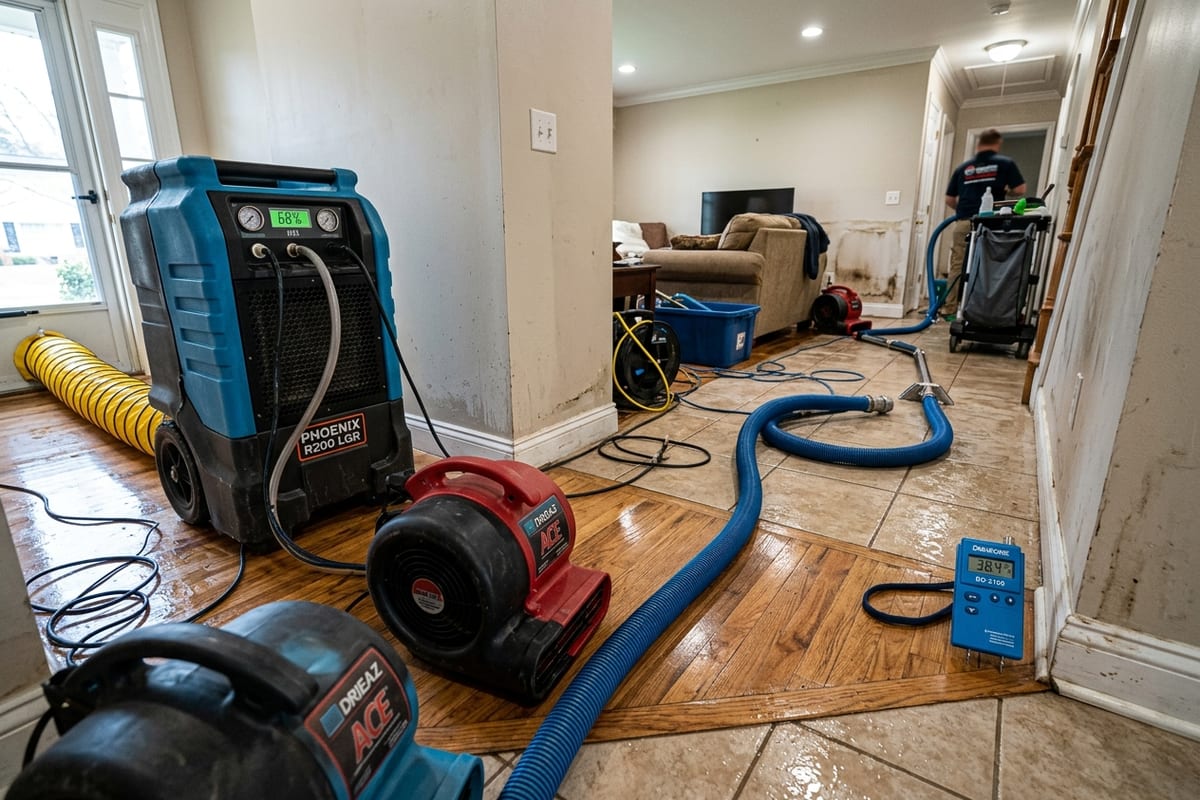
Professional water damage restoration stops progressive structural deterioration, extracts standing water with truck-mounted pumps, and dries internal wall cavities using industrial dehumidifiers within 72 hours to prevent hazardous mold growth.
 Local Protocol
Emergency Water Extraction→
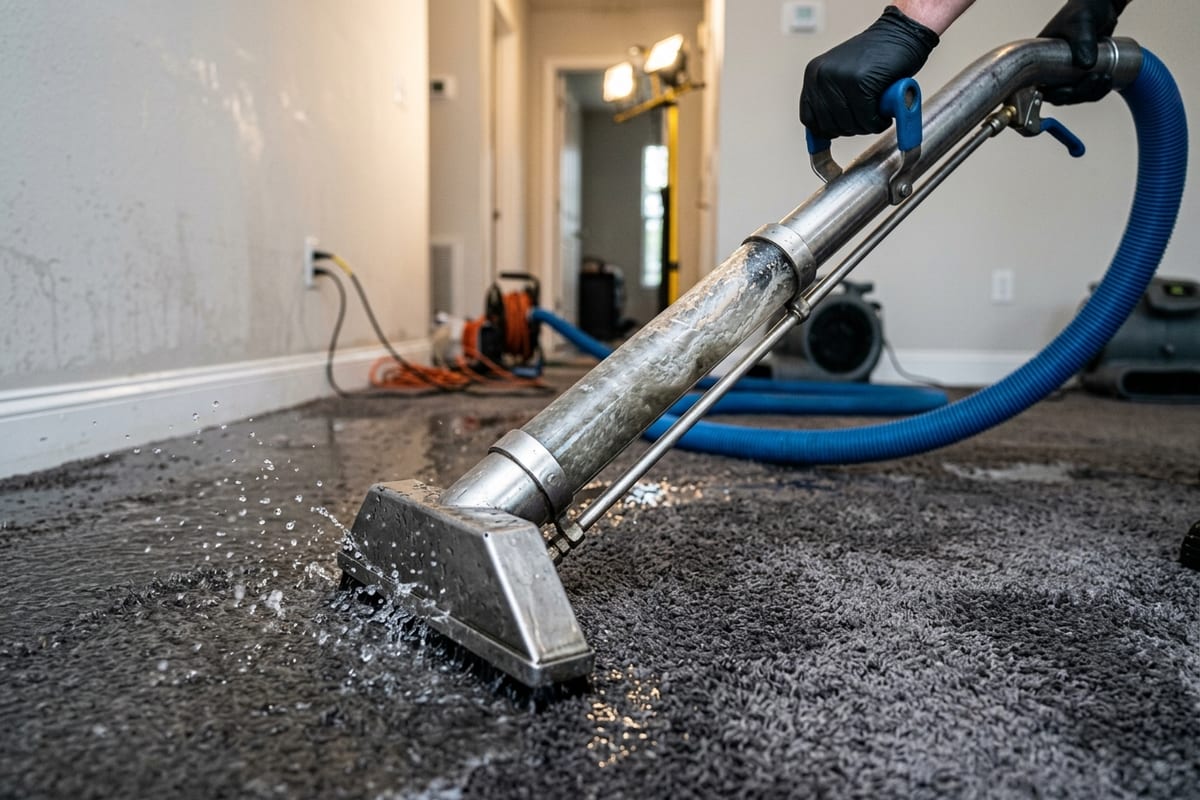
Emergency water extraction uses heavy-duty submersible pumps and truck-mounted vacuum units to physically extract hundreds of gallons of standing water per hour from flooded homes and businesses before structural framing absorbs it.
 Local Protocol
Slab Leak Water Damage Cleanup→
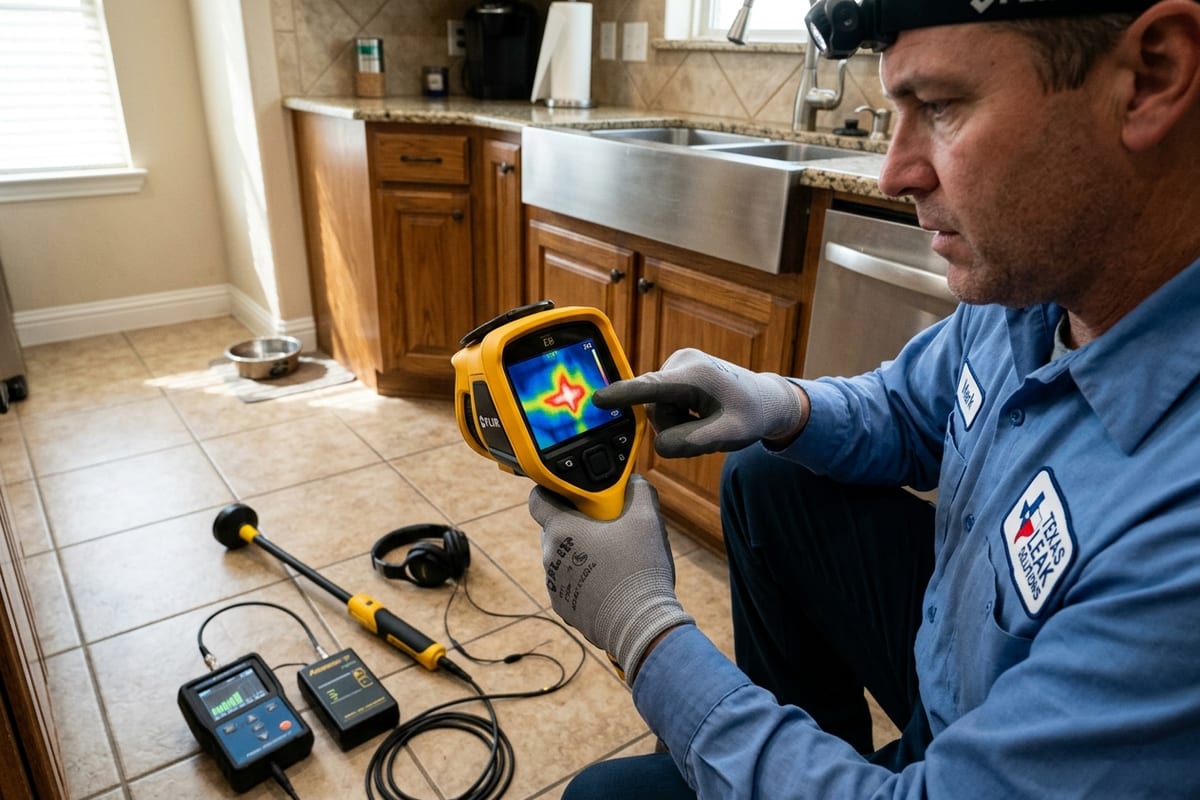
Slab leak water damage restoration extracts water migrating up through concrete foundation cracks into floors, baseboards, and walls, utilizing specialized desiccant dehumidifiers and drying mats to restore subfloor framing.
 Local Protocol
Mold Remediation & Removal→
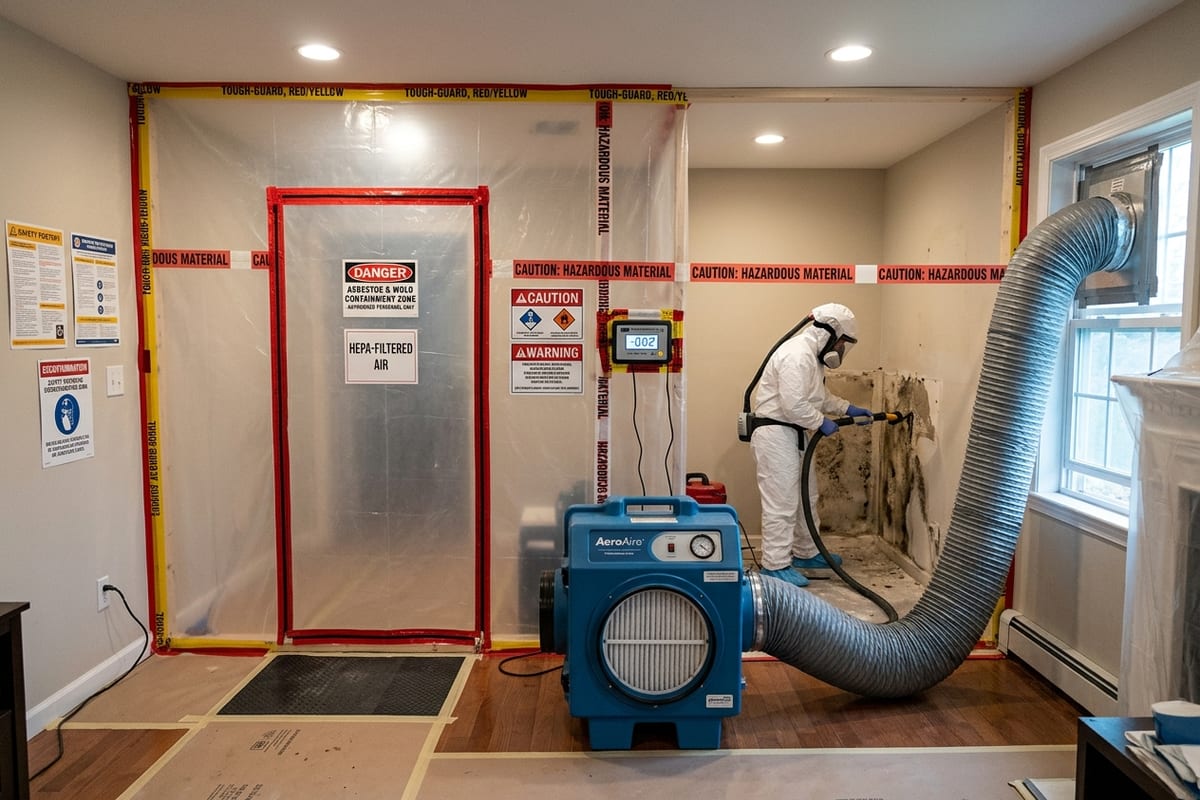
Certified mold remediation isolates active fungal colonies under negative air pressure, safely removes colonized building materials, and purifies indoor air with HEPA scrubbers to eliminate mycotoxins and prevent recurrence.
Check 45–60 Min Response Time for Your Lawrenceville ZIP Code
WaterRestore Pro dispatches IICRC-certified emergency teams across Gwinnett County 24 hours a day, 365 days a year. Verify rapid on-site coverage for your postal code:
Check Your ZIP Code Coverage
Verify immediate 45–60 minute emergency water extraction dispatch across our 50-state nationwide coverage network.
Frequently Asked Questions in Lawrenceville, GA
How fast can emergency restoration teams respond in Lawrenceville?+
WaterRestore Pro network contractors maintain active response units along SR-316 and I-85, reaching Lawrenceville properties within 45 to 60 minutes 24/7.
Nearby Communities We Serve:
Standing Water in Your Home? Minutes Count.
Emergency water extraction units are on call 24 hours a day across all major metropolitan service areas. Call now for priority dispatch.