Water Damage Restoration in Hilo, HI
Hilo is the county seat and largest population center of Hawaii Island (the Big Island), situated on the lush, emerald windward shores of Hilo Bay beneath the gentle volcanic slopes of Mauna Loa and Mauna Kea. Home to the University of Hawaii at Hilo, the city is one of the wettest inhabited places in the United States, receiving over 130 inches of annual rainfall. Hilo properties face acute water hazards from continuous tropical downpours, Wailuku River flash floods, high groundwater tables in volcanic basalt soils, and rapid mold colonization.
Hilo, HI Coverage Facts
- Jurisdiction
- Hawaii County
- Target Response Time
- 45 to 60 Minutes On-Site
- Disaster Coverage
- 24/7, 365 Days a Year
- Covered ZIP Codes
- 96720
Housing Architecture & Water Risks in Hilo, HI
Hilo residential architecture comprises historic 1920s-1940s plantation-style single-wall cottages built on raised post-and-pier concrete blocks, mid-century hollow-tile homes, and contemporary single-family residences. Basements do not exist due to dense volcanic basalt lava flows. Heavy trade-wind rain showers occur almost daily, with severe convective storms dropping 10 to 15 inches of rain within 24 hours. Groundwater channels rapidly through porous subterranean lava tubes, while continuous 85% ambient humidity creates persistent mold and mildew threats in unconditioned timber framing.
Key Local Restoration Issues in Hilo
Extreme Windward Orographic Rainfall & Wailuku Flash Floods
Torrential downpours dropping over 10 inches of rain in hours funnel down the Wailuku River, overwhelming municipal ditches and flooding home foundations.
Subterranean Lava Tube Groundwater Inundation
Porous volcanic basalt bedrock channels subsurface water into post-and-pier crawl spaces and ground-floor slab foundations during heavy storms.
Hyper-Humid Tropical Fungal Amplification & Mold Growth
Continuous 85%+ relative humidity and warm temperatures trigger rapid mold spore propagation on wet building materials within 24 hours of water leaks.
Insurance Claim Documentation & Billing Guidelines in Hawaii
Hawaii property water damage claims are regulated by the Hawaii Insurance Division of the Department of Commerce and Consumer Affairs (DCCA) under HRS § 431:13-103. Carriers must acknowledge claims within 15 calendar days and investigate without unreasonable delay. Hawaii policyholders have the right to hire an independent restoration contractor. In tropical maritime climates, rapid water extraction and desiccant drying are critical to prevent microbial amplification, documented via daily moisture logs. Hawaii Insurance Division regulations under HRS § 431:13-103 require objective and detailed proof of loss for water mitigation claims. In Hawaii's tropical maritime climate, technicians maintain daily psychrometric records and deploy desiccant dehumidifiers to prevent rapid microbial colonisation. Moisture meter readings verify structural desiccation. Standardized Xactimate estimates are submitted directly to carriers to support direct insurance billing.
Policyholder Rights & Independent Contractor Selection in Hawaii
Under Hawaii insurance regulations, residential and commercial property owners maintain the full legal authority to hire any licensed, independent disaster restoration contractor of their choice. Insurance carriers and claims adjusters are prohibited from steering or mandating the use of preferred network vendors. WaterRestore Pro dispatches certified local mitigation specialists who adhere strictly to ANSI/IICRC S500 standards, recording daily psychrometric logs, moisture baselines, and thermal imaging scans. All repair scopes are compiled using standardized Xactimate line items and submitted directly to your insurance company, supporting direct carrier billing and protecting homeowners from upfront costs on covered peril claims.
Common Emergency Calls in Hilo
Local ProtocolWater Damage Restoration→
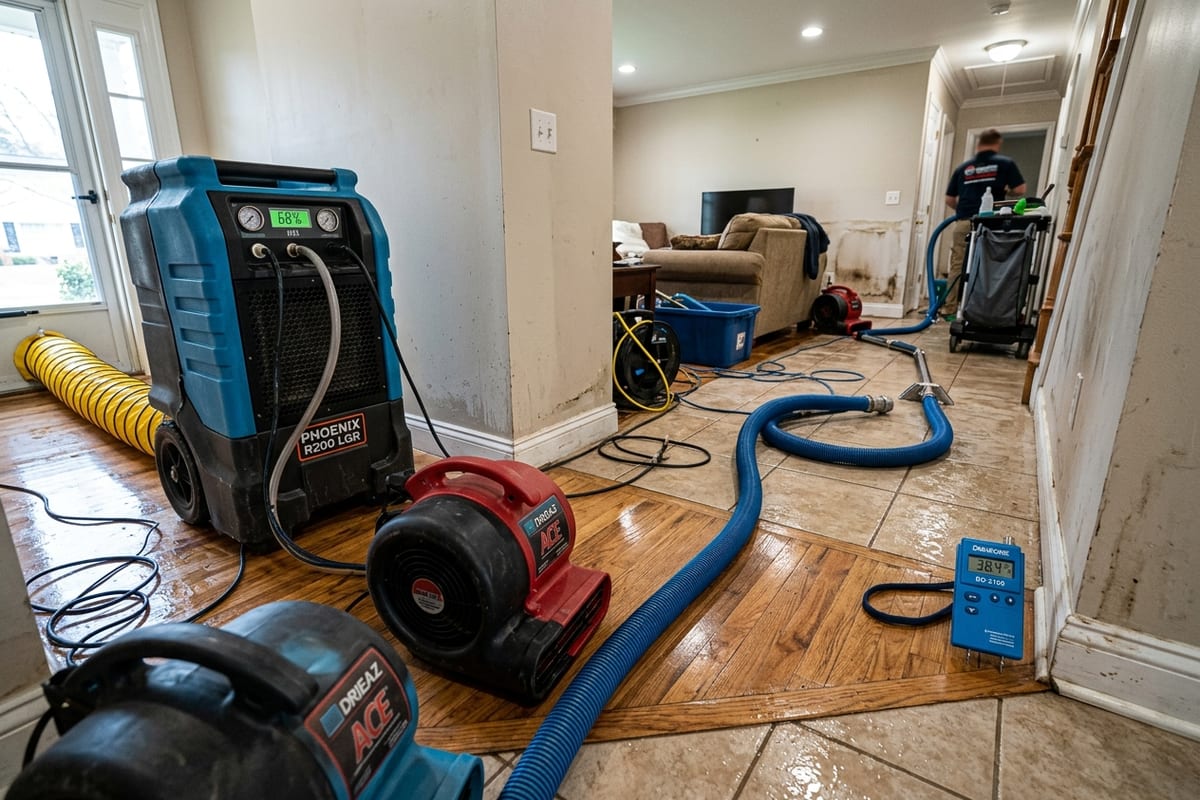
Professional water damage restoration stops progressive structural deterioration, extracts standing water with truck-mounted pumps, and dries internal wall cavities using industrial dehumidifiers within 72 hours to prevent hazardous mold growth.
 Local Protocol
Emergency Water Extraction→
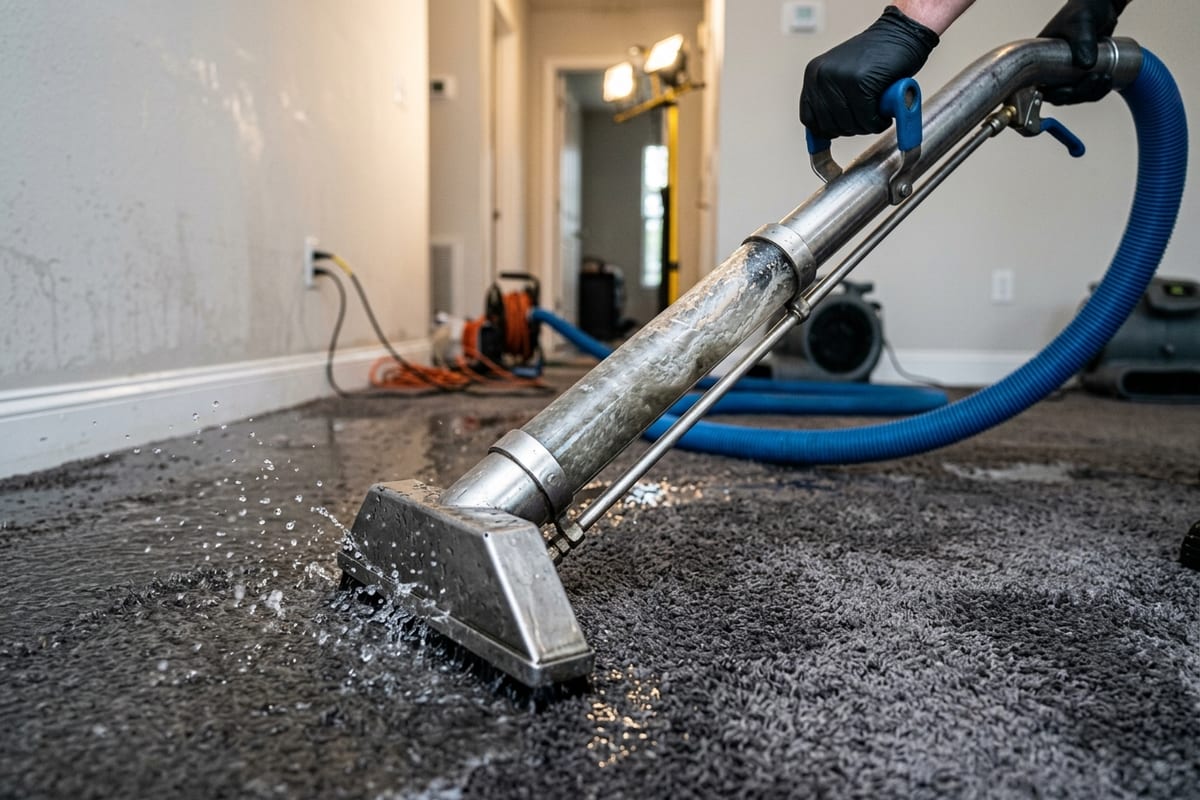
Emergency water extraction uses heavy-duty submersible pumps and truck-mounted vacuum units to physically extract hundreds of gallons of standing water per hour from flooded homes and businesses before structural framing absorbs it.
 Local Protocol
Burst & Frozen Pipe Cleanup→
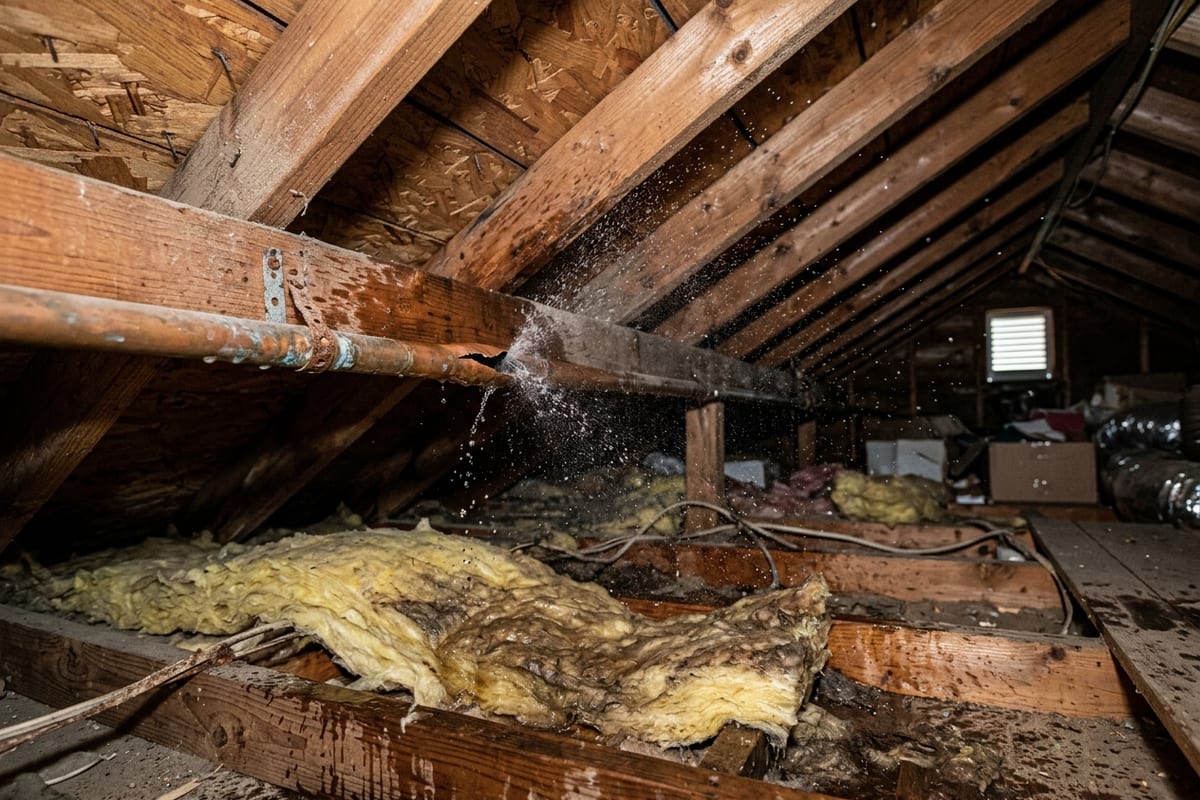
Burst pipe cleanup addresses high-pressure plumbing ruptures in attics, crawlspaces, and interior walls by immediately stopping water flow, extracting water cascading through ceilings, and drying framing to prevent structural rot.
Check 45–60 Min Response Time for Your Hilo ZIP Code
WaterRestore Pro dispatches IICRC-certified emergency teams across Hawaii County 24 hours a day, 365 days a year. Verify rapid on-site coverage for your postal code:
Check Your ZIP Code Coverage
Verify immediate 45–60 minute emergency water extraction dispatch across our 50-state nationwide coverage network.
Frequently Asked Questions in Hilo, HI
How fast do emergency restoration crews respond in Hilo?+
Certified emergency response teams operate 24 hours a day across East Hawaii, typically reaching Hilo properties within 30 to 45 minutes with industrial extraction equipment.
How do you dry structures in Hilo when it rains almost every day?+
We deploy commercial desiccant dehumidifiers that operate inside sealed containment areas, dropping indoor relative humidity below 40% to rapidly draw moisture out of structural timbers regardless of outside rainfall.
Nearby Communities We Serve:
Standing Water in Your Home? Minutes Count.
Emergency water extraction units are on call 24 hours a day across all major metropolitan service areas. Call now for priority dispatch.