Water Damage Restoration in Des Moines, IA
Des Moines is Iowa's vibrant state capital and the nation's premier insurance and financial hub, situated at the confluence of the Des Moines River and Raccoon River in south-central Iowa. Blending historic turn-of-the-century architecture in the historic East Village and Sherman Hill with affluent residential districts in Salisbury Oaks and Beaverdale, properties face severe water loss hazards from major river flood stages, combined sewer surcharges, and brutal sub-zero winter polar freeze pipe ruptures.
Des Moines, IA Coverage Facts
- Jurisdiction
- Polk County
- Target Response Time
- 45 to 60 Minutes On-Site
- Disaster Coverage
- 24/7, 365 Days a Year
- Covered ZIP Codes
- 50309, 50310, 50311, 50312, 50314, 50315, 50316, 50317, 50321
Housing Architecture & Water Risks in Des Moines, IA
Des Moines boasts an extensive housing spectrum, including late 19th-century Victorian brick mansions, vintage Craftsman bungalows, and brick Beaverdale brick homes constructed with full stone rubble, brick, or unreinforced concrete basements. The city's position at the confluence of the Des Moines and Raccoon rivers creates chronic groundwater table rises during spring rain-on-snow events that place massive lateral hydrostatic pressure on basement foundation walls. In winter, Arctic polar vortex snaps plunge temperatures well below -15°F for extended periods, freezing uninsulated domestic water lines inside exterior wall cavities, unheated stone cellars, and drafty basements, causing violent pipe ruptures upon thawing that require high-capacity truck-mounted water extraction, commercial LGR dehumidification, and structural wood framing desiccation compliant with IICRC S500 standards.
Key Local Restoration Issues in Des Moines
Des Moines & Raccoon River Confluence Flooding
Intense spring thunderstorms and heavy snowmelt cause the Des Moines and Raccoon rivers to crest, overwhelming municipal storm levees and flooding basements.
Sub-Zero Polar Vortex Domestic Supply Pipe Freeze Bursts
Prolonged winter sub-zero temperatures penetrate uninsulated brick wall cavities and drafty stone cellars, bursting domestic water supply lines upon morning thawing.
Combined Sewer System Surcharge Blackwater Inundation
Heavy rain events overload aged municipal combined sewer networks, forcing biohazard blackwater up through basement floor drains and laundry tubs.
Common Emergency Calls in Des Moines
Local ProtocolWater Damage Restoration→
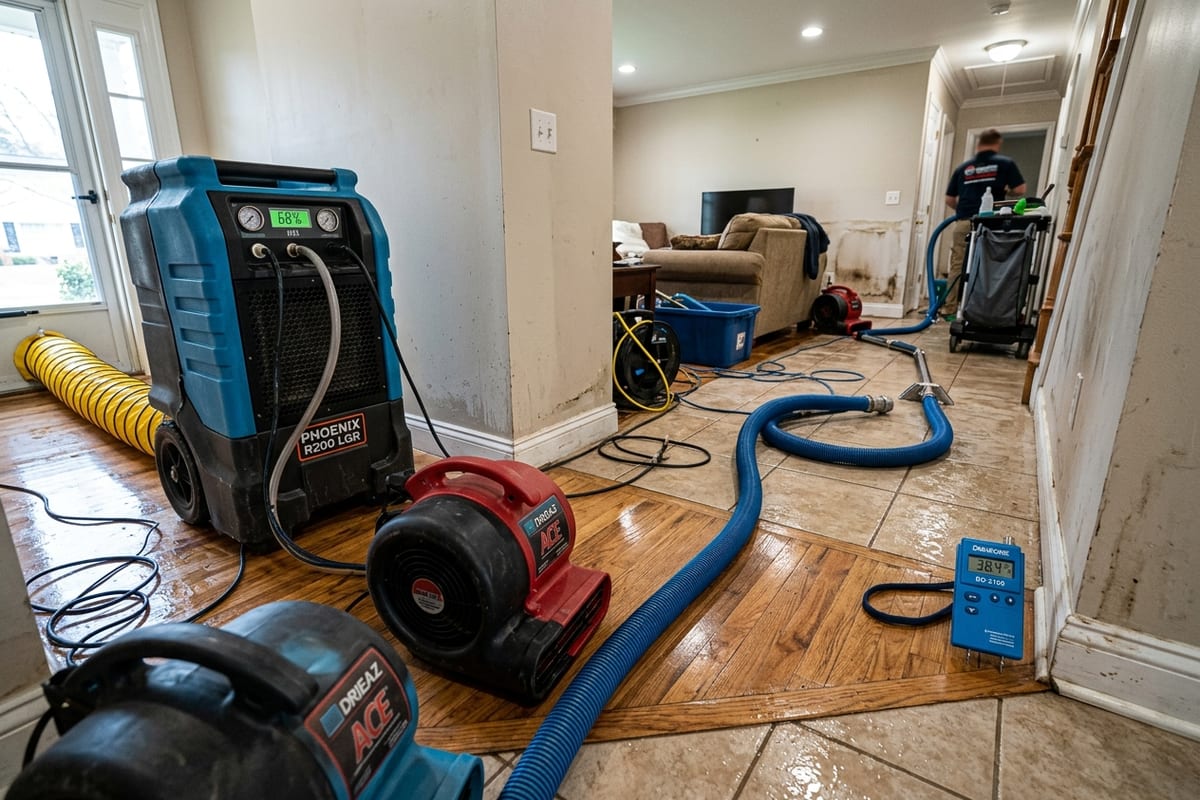
Professional water damage restoration stops progressive structural deterioration, extracts standing water with truck-mounted pumps, and dries internal wall cavities using industrial dehumidifiers within 72 hours to prevent hazardous mold growth.
 Local Protocol
Emergency Water Extraction→
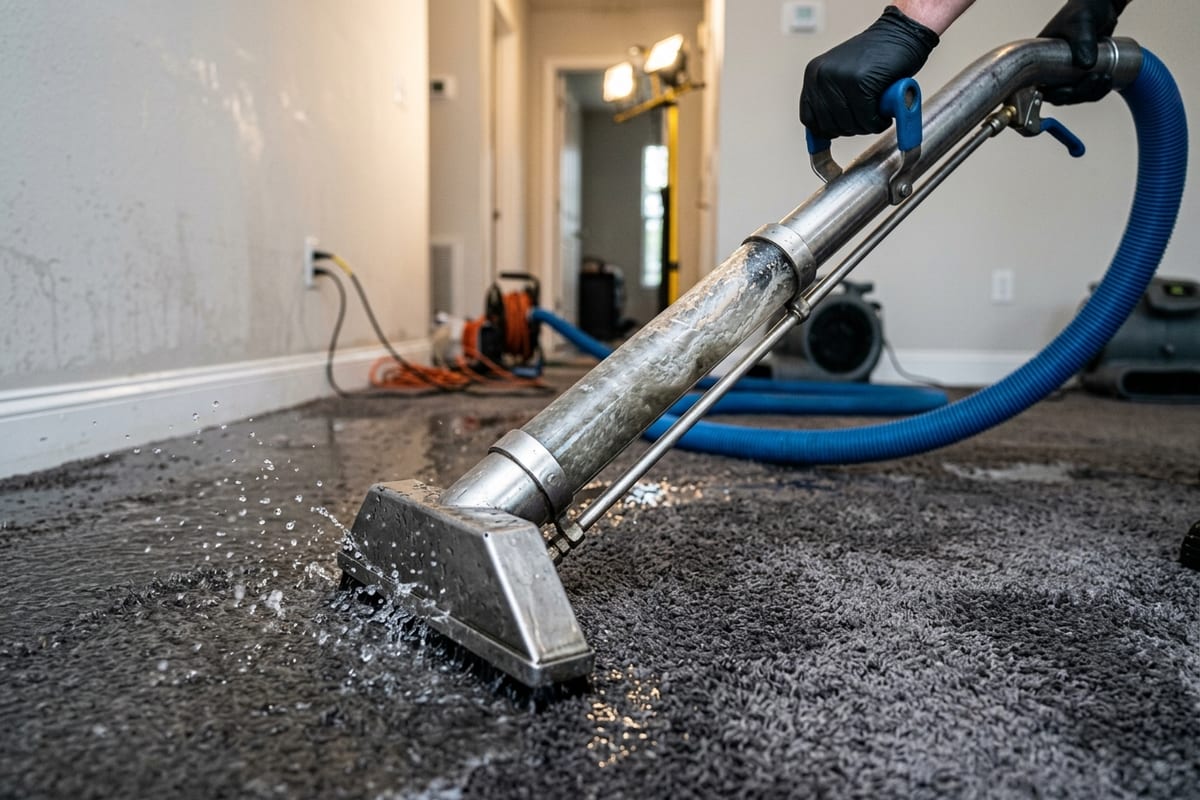
Emergency water extraction uses heavy-duty submersible pumps and truck-mounted vacuum units to physically extract hundreds of gallons of standing water per hour from flooded homes and businesses before structural framing absorbs it.
 Local Protocol
Burst & Frozen Pipe Cleanup→
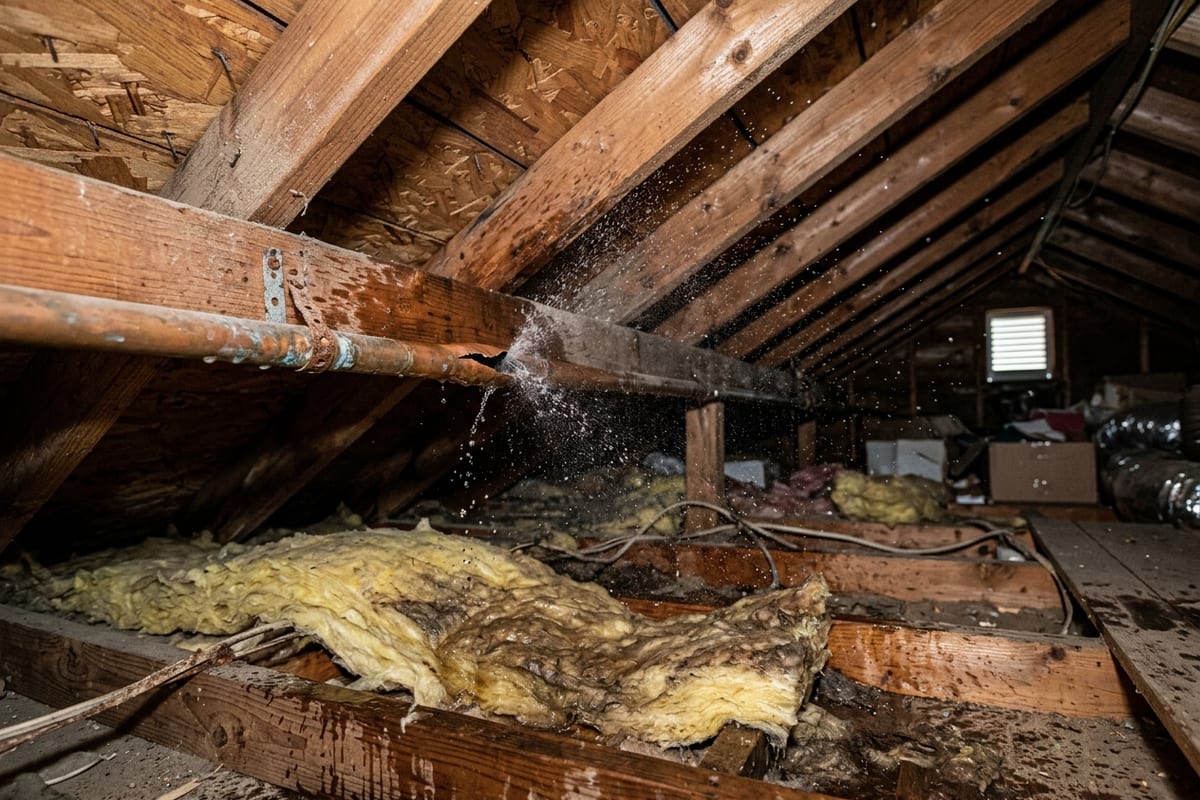
Burst pipe cleanup addresses high-pressure plumbing ruptures in attics, crawlspaces, and interior walls by immediately stopping water flow, extracting water cascading through ceilings, and drying framing to prevent structural rot.
 Local Protocol
Sewage Backup & Biohazard Cleanup→
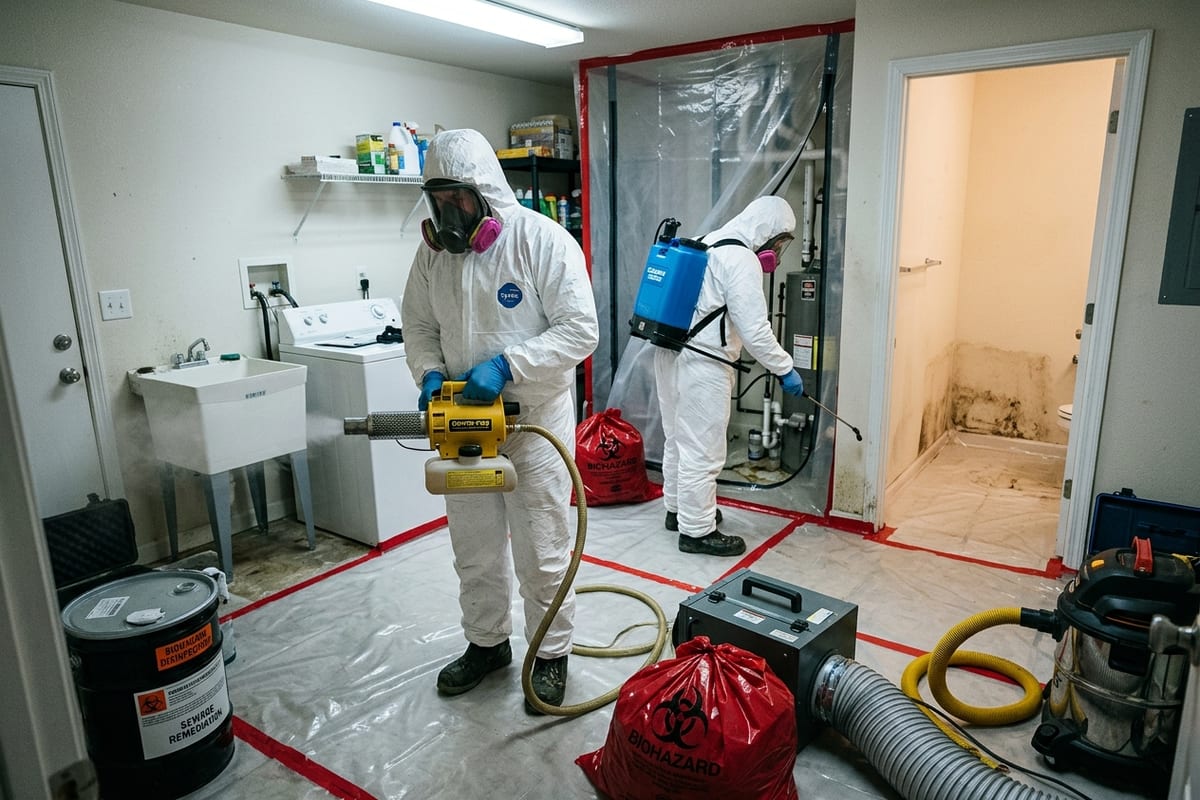
Sewage cleanup safely extracts hazardous Category 3 black water containing dangerous bacteria and pathogens, removes saturated porous building materials, and sanitizes contaminated surfaces with broad-spectrum disinfectants.
Check 45–60 Min Response Time for Your Des Moines ZIP Code
WaterRestore Pro dispatches IICRC-certified emergency teams across Polk County 24 hours a day, 365 days a year. Verify rapid on-site coverage for your postal code:
Check Your ZIP Code Coverage
Verify immediate 45–60 minute emergency water extraction dispatch across our 50-state nationwide coverage network.
Frequently Asked Questions in Des Moines, IA
How fast do emergency water restoration crews respond in Des Moines?+
Certified emergency response teams operate 24/7 across Polk County, arriving on-site within 45 to 60 minutes with extraction vehicles.
How do technicians dry historic brick and stone basements in Des Moines?+
Technicians deploy gentle commercial desiccant dehumidifiers, high-velocity air movers, and thermal imaging cameras to dry historic framing without damaging architectural plaster.
Nearby Communities We Serve:
Standing Water in Your Home? Minutes Count.
Emergency water extraction units are on call 24 hours a day across all major metropolitan service areas. Call now for priority dispatch.