Water Damage Restoration in Twin Falls, ID
Twin Falls is the vibrant agricultural and commercial capital of south-central Idaho's Magic Valley, perched above the dramatic 500-foot-deep Snake River Canyon near Shoshone Falls and the Perrine Bridge, home to the College of Southern Idaho (CSI). Twin Falls properties face water hazards from canal irrigation seepage, basalt rock drainage barriers, and winter freeze-thaw plumbing ruptures.
Twin Falls, ID Coverage Facts
- Jurisdiction
- Twin Falls County
- Target Response Time
- 45 to 60 Minutes On-Site
- Disaster Coverage
- 24/7, 365 Days a Year
- Covered ZIP Codes
- 83301, 83303
Housing Architecture & Water Risks in Twin Falls, ID
Housing in Twin Falls ranges from historic brick Craftsman bungalows near downtown to mid-century single-story ranches and modern single-family subdivisions expanding northward toward the canyon rim. Homes are built on crawl spaces or concrete basements. The local subsoil consists of shallow silt over dense, impenetrable basalt volcanic rock. During spring and summer irrigation seasons, water from surrounding canals cannot penetrate the basalt layer, causing perched water tables that flood crawl spaces and basements. In winter, freezing canyon winds chill exterior plumbing, resulting in burst pipes.
Key Local Restoration Issues in Twin Falls
Basalt Bedrock Perched Water Table Crawl Space Flooding
Irrigation canal water cannot penetrate dense basalt bedrock, forming perched groundwater tables that flood residential crawl spaces and basements.
Snake River Canyon Arctic Wind Pipe Freezes
Freezing winds sweeping across the canyon plateau freeze water pipes in exterior wall cavities, triggering massive indoor flooding upon thawing.
Rock Creek Spring Snowmelt Inundation
Rapid snowmelt in the South Hills swells Rock Creek, causing localized overland flooding and backing up stormwater drains.
Insurance Claim Documentation & Billing Guidelines in Idaho
In Idaho, water damage insurance claims are governed by the Idaho Department of Insurance (DOI) pursuant to Idaho Code § 41-1329 and IDAPA 18.01.27. Insurers must acknowledge claims within 14 calendar days and determine coverage within 30 days of receiving proof of loss. Idaho homeowners maintain the right to select their own restoration firm. Technicians provide thermal imaging surveys and daily dry chamber logs for insurance processing. Idaho Department of Insurance (DOI) regulations under Idaho Code § 41-1329 govern the prompt and fair settlement of property claims. Mitigation contractors compile daily atmospheric psychrometric logs, tracking GPP and relative humidity to prove continuous drying progress. Moisture meter readings across wood framing and drywall verify that materials reach dry standards. Standardized Xactimate billing is routed directly to insurance carriers for direct reimbursement.
Policyholder Rights & Independent Contractor Selection in Idaho
Under Idaho insurance regulations, residential and commercial property owners maintain the full legal authority to hire any licensed, independent disaster restoration contractor of their choice. Insurance carriers and claims adjusters are prohibited from steering or mandating the use of preferred network vendors. WaterRestore Pro dispatches certified local mitigation specialists who adhere strictly to ANSI/IICRC S500 standards, recording daily psychrometric logs, moisture baselines, and thermal imaging scans. All repair scopes are compiled using standardized Xactimate line items and submitted directly to your insurance company, supporting direct carrier billing and protecting homeowners from upfront costs on covered peril claims.
Common Emergency Calls in Twin Falls
Local ProtocolWater Damage Restoration→
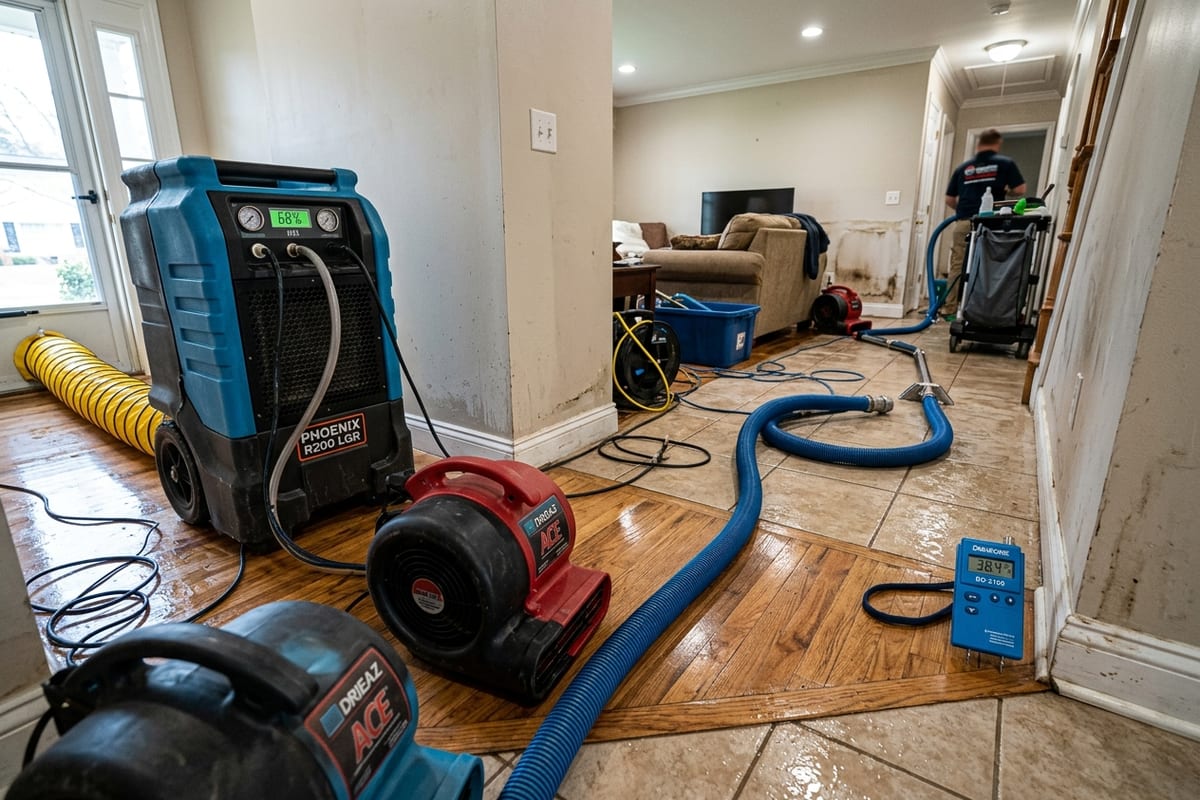
Professional water damage restoration stops progressive structural deterioration, extracts standing water with truck-mounted pumps, and dries internal wall cavities using industrial dehumidifiers within 72 hours to prevent hazardous mold growth.
 Local Protocol
Emergency Water Extraction→
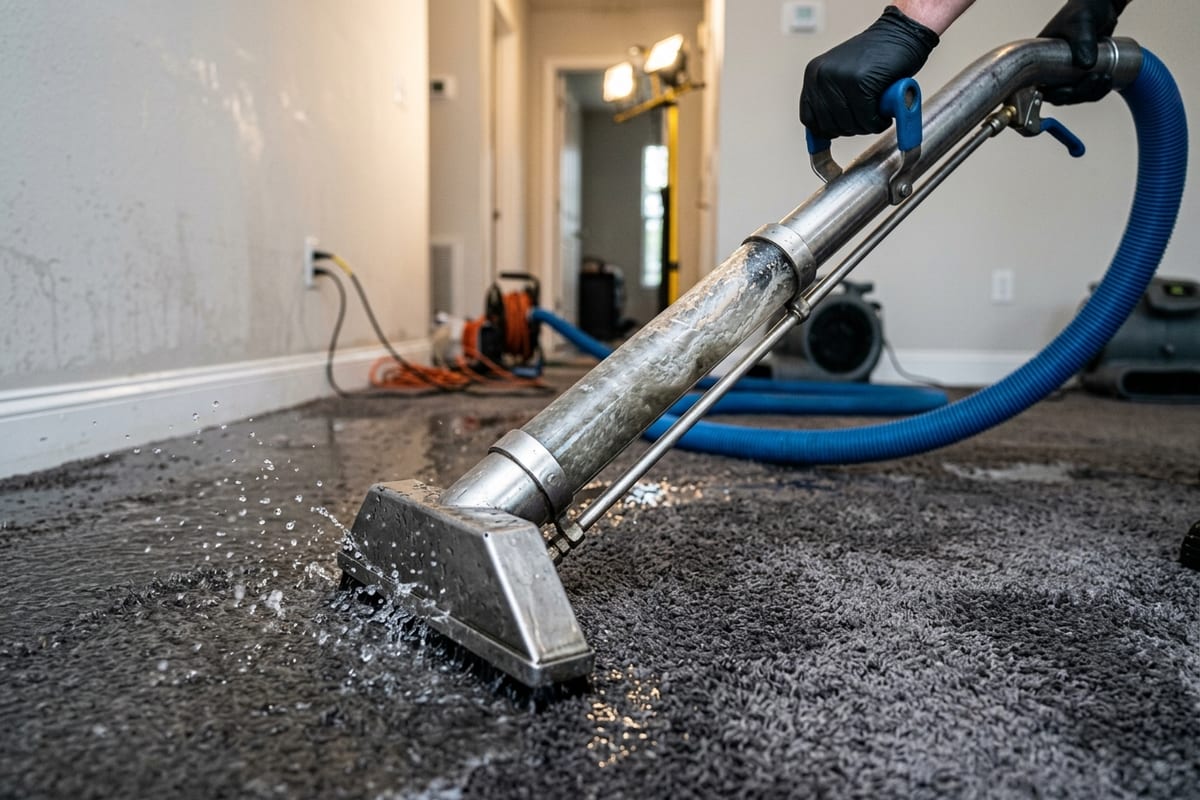
Emergency water extraction uses heavy-duty submersible pumps and truck-mounted vacuum units to physically extract hundreds of gallons of standing water per hour from flooded homes and businesses before structural framing absorbs it.
 Local Protocol
Burst & Frozen Pipe Cleanup→
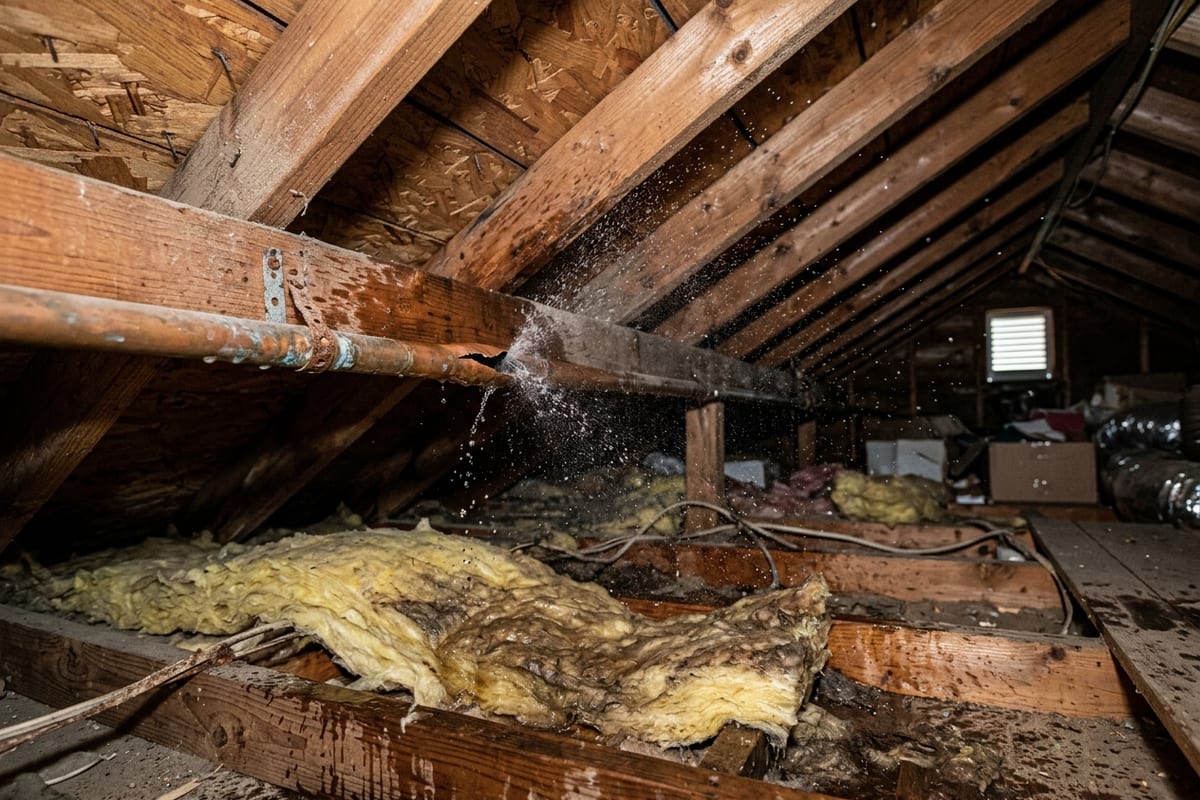
Burst pipe cleanup addresses high-pressure plumbing ruptures in attics, crawlspaces, and interior walls by immediately stopping water flow, extracting water cascading through ceilings, and drying framing to prevent structural rot.
 Local Protocol
Mold Remediation & Removal→
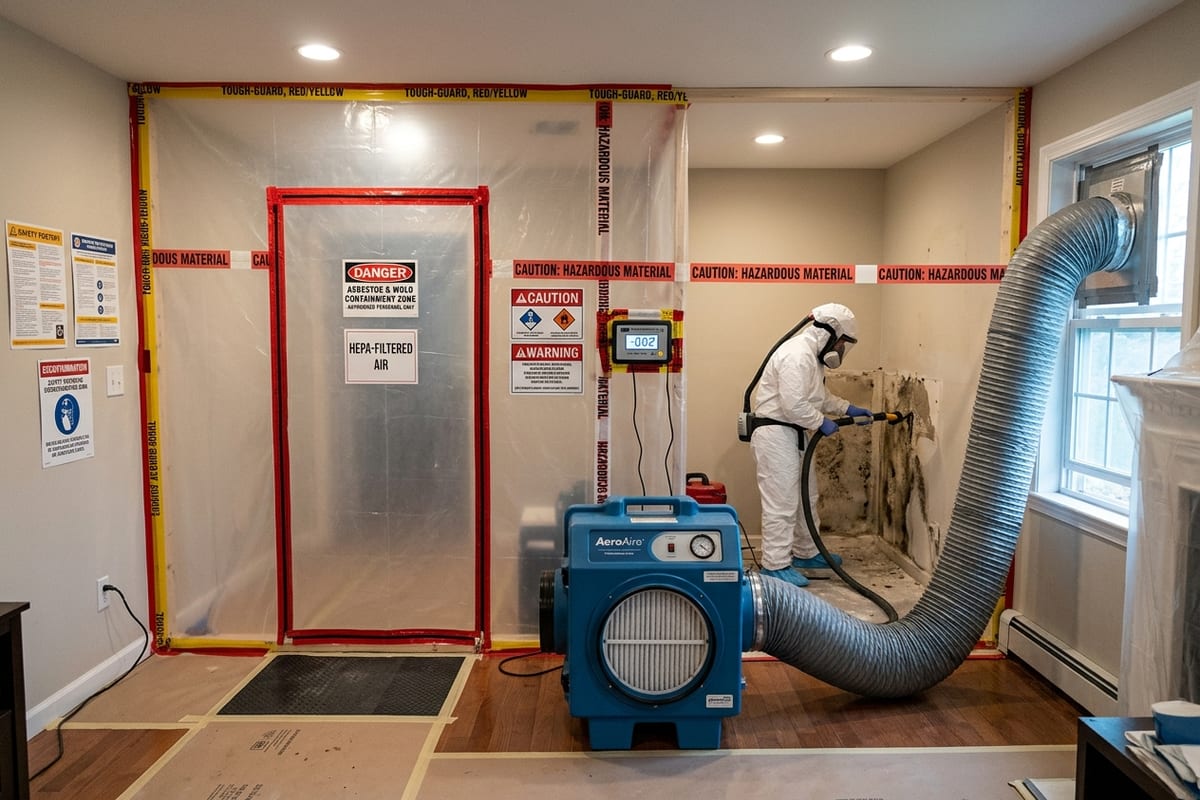
Certified mold remediation isolates active fungal colonies under negative air pressure, safely removes colonized building materials, and purifies indoor air with HEPA scrubbers to eliminate mycotoxins and prevent recurrence.
Check 45–60 Min Response Time for Your Twin Falls ZIP Code
WaterRestore Pro dispatches IICRC-certified emergency teams across Twin Falls County 24 hours a day, 365 days a year. Verify rapid on-site coverage for your postal code:
Check Your ZIP Code Coverage
Verify immediate 45–60 minute emergency water extraction dispatch across our 50-state nationwide coverage network.
Frequently Asked Questions in Twin Falls, ID
What is the emergency response window in Twin Falls?+
Emergency restoration crews operate 24/7 across Twin Falls County and the Magic Valley, reaching properties within 45 to 60 minutes.
How do technicians dry crawl spaces over basalt rock in Twin Falls?+
Specialists use submersible pumps to remove perched water, install heavy-duty vapor barriers, and deploy commercial dehumidifiers to dry framing lumber.
Nearby Communities We Serve:
Standing Water in Your Home? Minutes Count.
Emergency water extraction units are on call 24 hours a day across all major metropolitan service areas. Call now for priority dispatch.