Water Damage Restoration in Aurora, IL
Aurora, known as the 'City of Lights,' is the second most populous city in Illinois, spanning Kane, DuPage, Kendall, and Will counties along the Fox River corridor. Featuring a historic downtown island, mature residential districts, and expansive contemporary master communities in Stonebridge, Aurora properties navigate river valley flood hazards and aging plumbing networks.
Aurora, IL Coverage Facts
- Jurisdiction
- Kane County
- Target Response Time
- 45 to 60 Minutes On-Site
- Disaster Coverage
- 24/7, 365 Days a Year
- Covered ZIP Codes
- 60502, 60504, 60505, 60506
Housing Architecture & Water Risks in Aurora, IL
Housing stock in Aurora includes historic 19th-century Victorian homes near the river, mid-century brick ranches on the West Side, and contemporary master developments along the Route 59 corridor. Homes predominantly feature full basements with foundations constructed from stone rubble, concrete block, or poured concrete with older cast-iron sewer lines.
Key Local Restoration Issues in Aurora
Fox River Valley Floodplain Groundwater Surcharges
Heavy spring rainfall and rapid snowmelt cause the Fox River to swell, saturating alluvial river valley subsoils and driving high hydrostatic water pressure through basement foundation walls and floor cracks.
Aging Cast-Iron Sewer Lateral Collapse & Backups
Mature subdivisions built prior to 1970 experience structural deterioration and tree root intrusion in aging underground cast-iron sewer laterals, triggering raw sewage overflows into basement laundry areas.
Winter Sub-Zero Pipe Freezes in Unheated Basements
Sustained sub-zero Arctic temperatures freeze domestic water lines located near uninsulated basement rim joists and exterior crawl spaces, resulting in high-pressure supply line ruptures upon thawing.
Insurance Claim Documentation & Billing Guidelines in Illinois
In Illinois, water mitigation insurance claims are governed by the Illinois Insurance Code (215 ILCS 5/154.6) and Title 50, Part 919 of the Illinois Administrative Code, overseen by the Illinois Department of Insurance (IDOI). Insurers must acknowledge receipt of a claim within 15 working days and provide prompt reasonable explanations for any claim delay or denial. Claim determinations must generally be rendered within 30 days of receiving complete proofs of loss. Illinois policyholders have the statutory right to select their own restoration professional for structural drying and emergency extraction. Mitigation documentation must establish the precise plumbing failure mechanism, such as sub-zero freeze pipe ruptures or sudden water heater vessel breaches, separating these covered sudden events from long-term seepage. Restoration contractors provide standardized Xactimate line-item estimates, daily temperature and grains-per-pound psychrometric monitoring, and moisture meter baselines across hardwood subfloors and drywall assemblies to ensure seamless carrier processing. Illinois Department of Insurance (IDOI) regulations mandate clear substantiation of sudden and accidental water losses under standard ISO HO-3 policy provisions. Certified restoration contractors deploy calibrated moisture probes and thermal imaging cameras to establish initial baseline readings and generate daily psychrometric logs detailing moisture reduction across structural assemblies. In Chicago and Cook County residences with finished basements, crews distinguish between covered interior pipe freezes and municipal sewer backups, providing itemized Xactimate estimates for rapid carrier adjudication and facilitating direct insurance billing for all covered mitigation services.
Policyholder Rights & Independent Contractor Selection in Illinois
Under Illinois insurance regulations, residential and commercial property owners maintain the full legal authority to hire any licensed, independent disaster restoration contractor of their choice. Insurance carriers and claims adjusters are prohibited from steering or mandating the use of preferred network vendors. WaterRestore Pro dispatches certified local mitigation specialists who adhere strictly to ANSI/IICRC S500 standards, recording daily psychrometric logs, moisture baselines, and thermal imaging scans. All repair scopes are compiled using standardized Xactimate line items and submitted directly to your insurance company, supporting direct carrier billing and protecting homeowners from upfront costs on covered peril claims.
Common Emergency Calls in Aurora
Local ProtocolWater Damage Restoration→
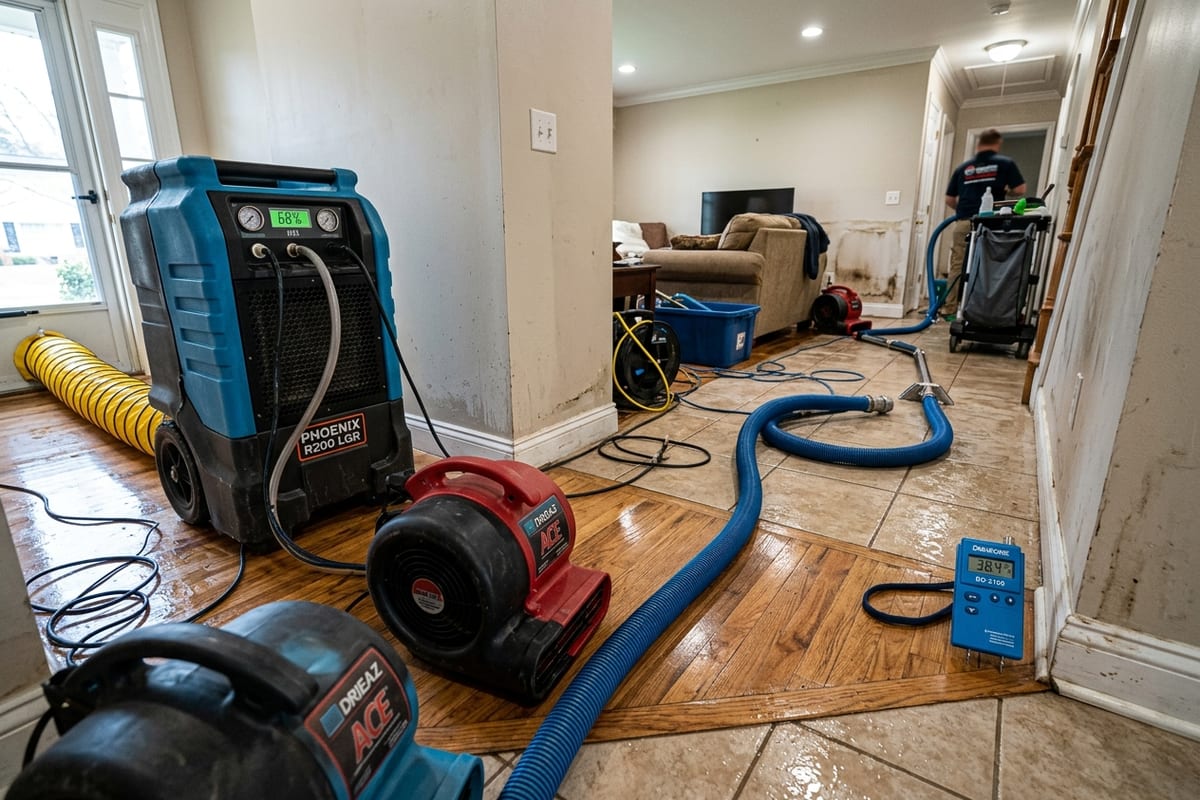
Professional water damage restoration stops progressive structural deterioration, extracts standing water with truck-mounted pumps, and dries internal wall cavities using industrial dehumidifiers within 72 hours to prevent hazardous mold growth.
 Local Protocol
Emergency Water Extraction→
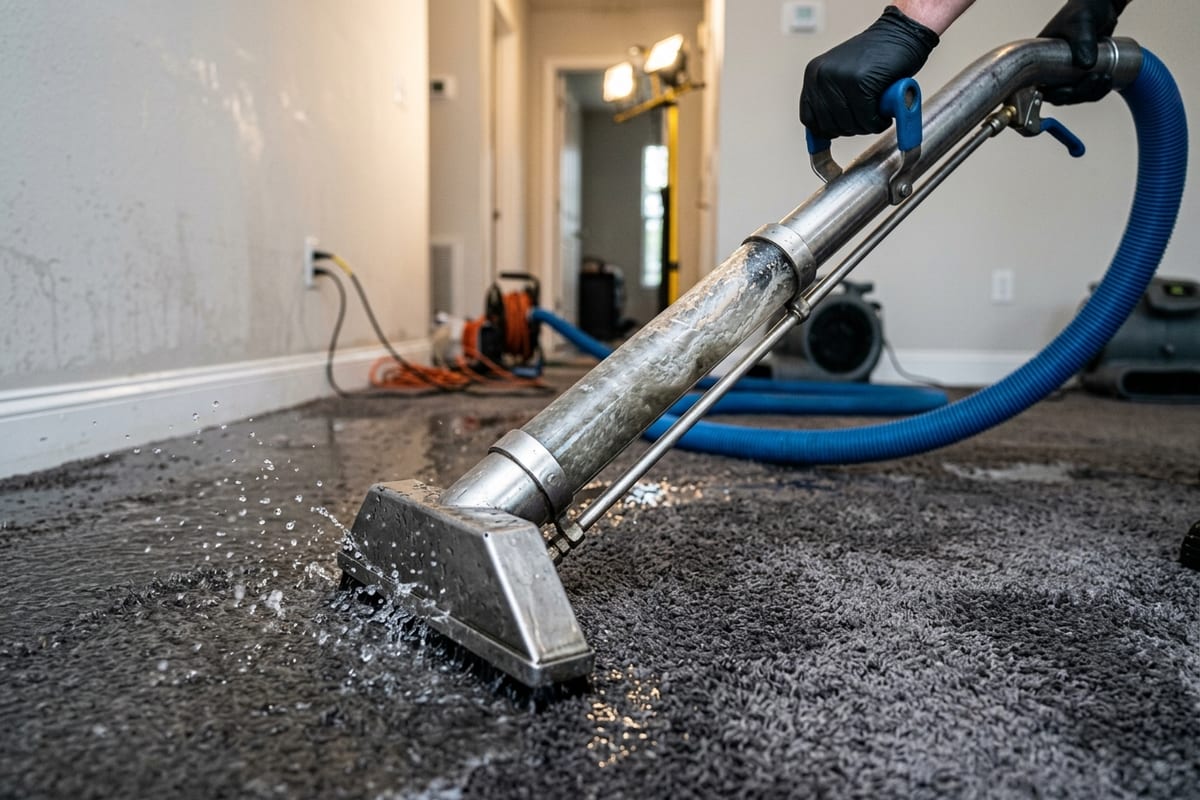
Emergency water extraction uses heavy-duty submersible pumps and truck-mounted vacuum units to physically extract hundreds of gallons of standing water per hour from flooded homes and businesses before structural framing absorbs it.
 Local Protocol
Burst & Frozen Pipe Cleanup→
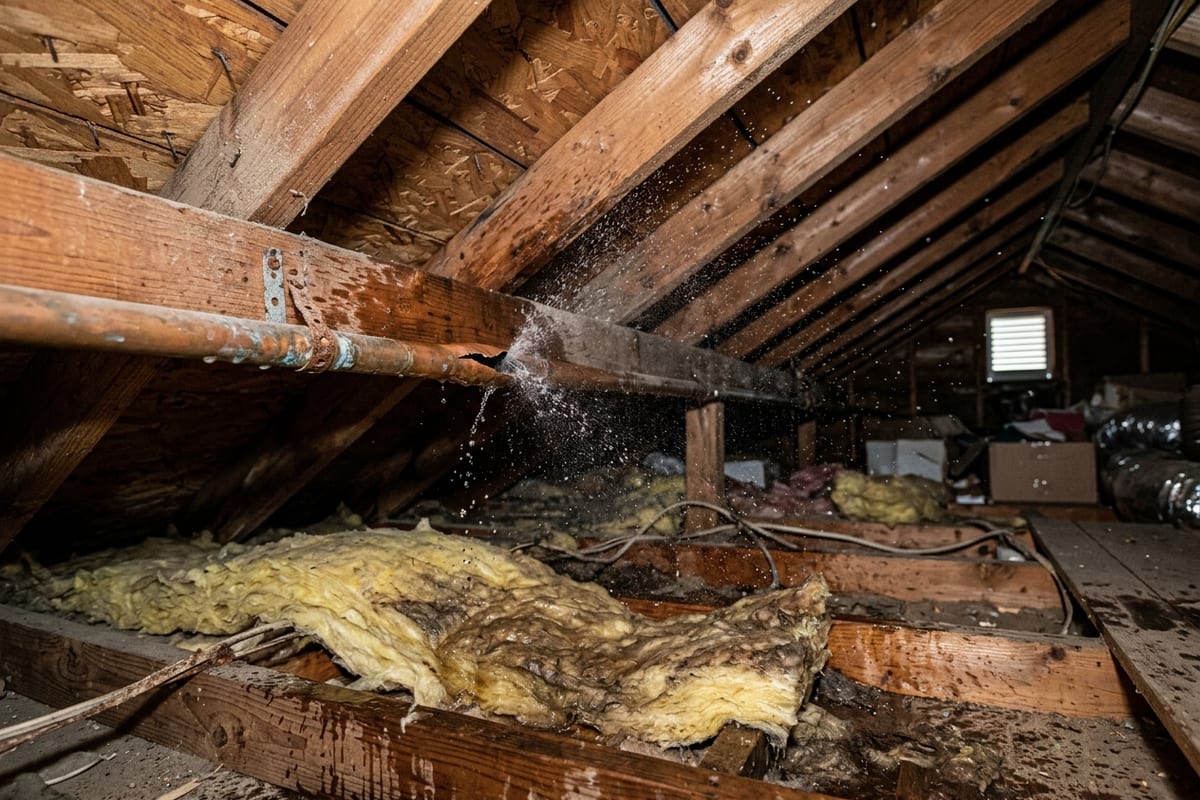
Burst pipe cleanup addresses high-pressure plumbing ruptures in attics, crawlspaces, and interior walls by immediately stopping water flow, extracting water cascading through ceilings, and drying framing to prevent structural rot.
 Local Protocol
Sewage Backup & Biohazard Cleanup→
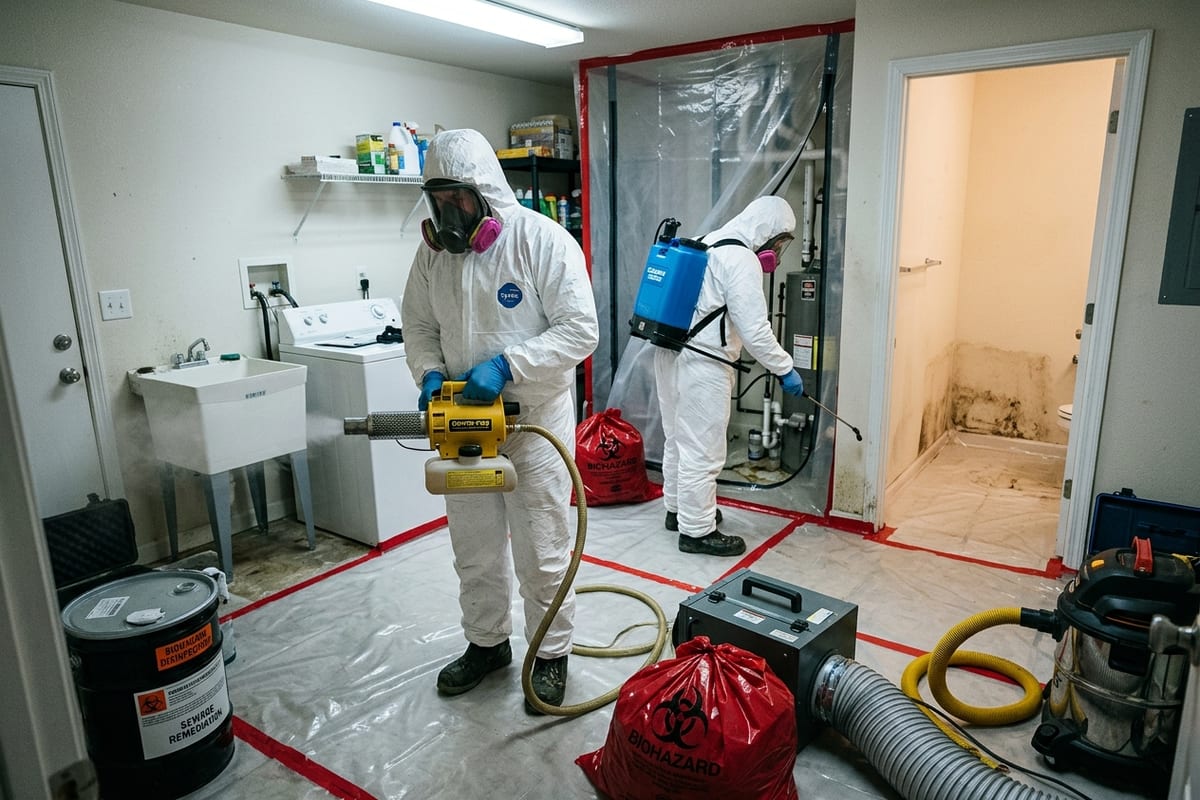
Sewage cleanup safely extracts hazardous Category 3 black water containing dangerous bacteria and pathogens, removes saturated porous building materials, and sanitizes contaminated surfaces with broad-spectrum disinfectants.
Check 45–60 Min Response Time for Your Aurora ZIP Code
WaterRestore Pro dispatches IICRC-certified emergency teams across Kane County 24 hours a day, 365 days a year. Verify rapid on-site coverage for your postal code:
Check Your ZIP Code Coverage
Verify immediate 45–60 minute emergency water extraction dispatch across our 50-state nationwide coverage network.
Frequently Asked Questions in Aurora, IL
How fast do emergency crews arrive in Aurora?+
Disaster mitigation units stationed along I-88 and US-30 arrive on-site in Aurora within 45 to 60 minutes around the clock.
Nearby Communities We Serve:
Standing Water in Your Home? Minutes Count.
Emergency water extraction units are on call 24 hours a day across all major metropolitan service areas. Call now for priority dispatch.