Water Damage Restoration in Fort Wayne, IN
Fort Wayne is Indiana's second-largest city and the historic 'City of Attractions' positioned at the strategic confluence of three major rivers: the St. Joseph, St. Marys, and Maumee rivers. From historic brick worker homes in West Central and Southwood Park to suburban colonials in Pine Valley and Arlington Park, Fort Wayne properties encounter severe water damage risks from three-river flood crests, spring snowmelt runoff, and sub-zero Arctic freeze snaps.
Fort Wayne, IN Coverage Facts
- Jurisdiction
- Allen County
- Target Response Time
- 45 to 60 Minutes On-Site
- Disaster Coverage
- 24/7, 365 Days a Year
- Covered ZIP Codes
- 46802, 46804, 46805, 46807, 46808, 46815, 46825, 46835
Housing Architecture & Water Risks in Fort Wayne, IN
Residential inventory features late 19th- and early 20th-century wood-frame colonials, brick bungalows, and post-war ranches built over stone rubble or poured concrete basements. The unique confluence of three major river systems creates high seasonal water tables that place continuous lateral hydrostatic pressure on basement walls during spring storms. Severe winter cold snaps drop temperatures well below zero, causing uninsulated domestic water pipes in exterior wall chases and drafty basements to freeze and burst, requiring high-power industrial extraction, thermal moisture detection, and certified structural dehumidification adhering to IICRC S500 guidelines.
Key Local Restoration Issues in Fort Wayne
Three Rivers Confluence Flooding & Sump Pump Overloads
Heavy spring rains cause the St. Joseph, St. Marys, and Maumee rivers to crest simultaneously, overloading residential sump pumps and flooding finished basement cellars.
Sub-Zero Polar Vortex Domestic Supply Pipe Freeze Bursts
Prolonged winter cold snaps penetrate drafty exterior wall chases and basements, freezing copper and PEX supply lines that rupture violently upon thawing.
Hydrostatic Pressure Foundation Cove Joint Seepage
Heavy seasonal precipitation elevates regional groundwater tables, forcing moisture through basement floor-to-wall cove seams into finished basement rooms.
Insurance Claim Documentation & Billing Guidelines in Indiana
In Indiana, water mitigation insurance claims are regulated by the Indiana Department of Insurance (IDOI) under Ind. Code § 27-4-1-4.5. Carriers must acknowledge notice of a claim within 10 business days and settle claims promptly upon receipt of complete proof of loss. Indiana policyholders retain the statutory right to select their own licensed restoration contractor. Restoration contractors document plumbing pipe freezes, slab leaks, and appliance line failures with thermal imaging cameras and daily moisture logs, coordinating direct billing with insurance carriers. Under Indiana Department of Insurance (IDOI) oversight, emergency mitigation claims must be supported by verifiable technical drying records pursuant to Ind. Code § 27-4-1-4.5. Technicians provide adjusters with initial FLIR thermal imaging surveys, daily psychrometric drying logs, and calibrated moisture probe readings. Freeze ruptures and supply failures are documented with high-resolution photos. Itemized Xactimate estimates are coordinated directly with insurance carriers for seamless direct reimbursement.
Policyholder Rights & Independent Contractor Selection in Indiana
Under Indiana insurance regulations, residential and commercial property owners maintain the full legal authority to hire any licensed, independent disaster restoration contractor of their choice. Insurance carriers and claims adjusters are prohibited from steering or mandating the use of preferred network vendors. WaterRestore Pro dispatches certified local mitigation specialists who adhere strictly to ANSI/IICRC S500 standards, recording daily psychrometric logs, moisture baselines, and thermal imaging scans. All repair scopes are compiled using standardized Xactimate line items and submitted directly to your insurance company, supporting direct carrier billing and protecting homeowners from upfront costs on covered peril claims.
Common Emergency Calls in Fort Wayne
Local ProtocolWater Damage Restoration→
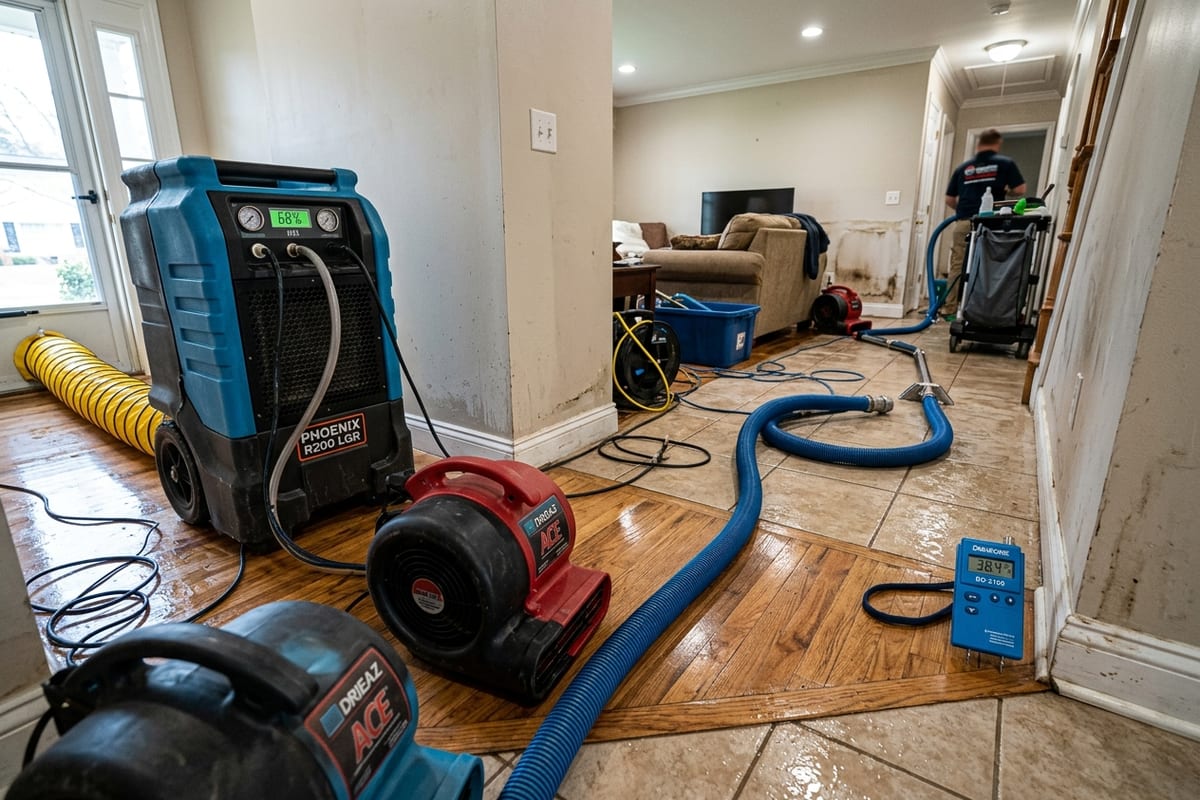
Professional water damage restoration stops progressive structural deterioration, extracts standing water with truck-mounted pumps, and dries internal wall cavities using industrial dehumidifiers within 72 hours to prevent hazardous mold growth.
 Local Protocol
Emergency Water Extraction→
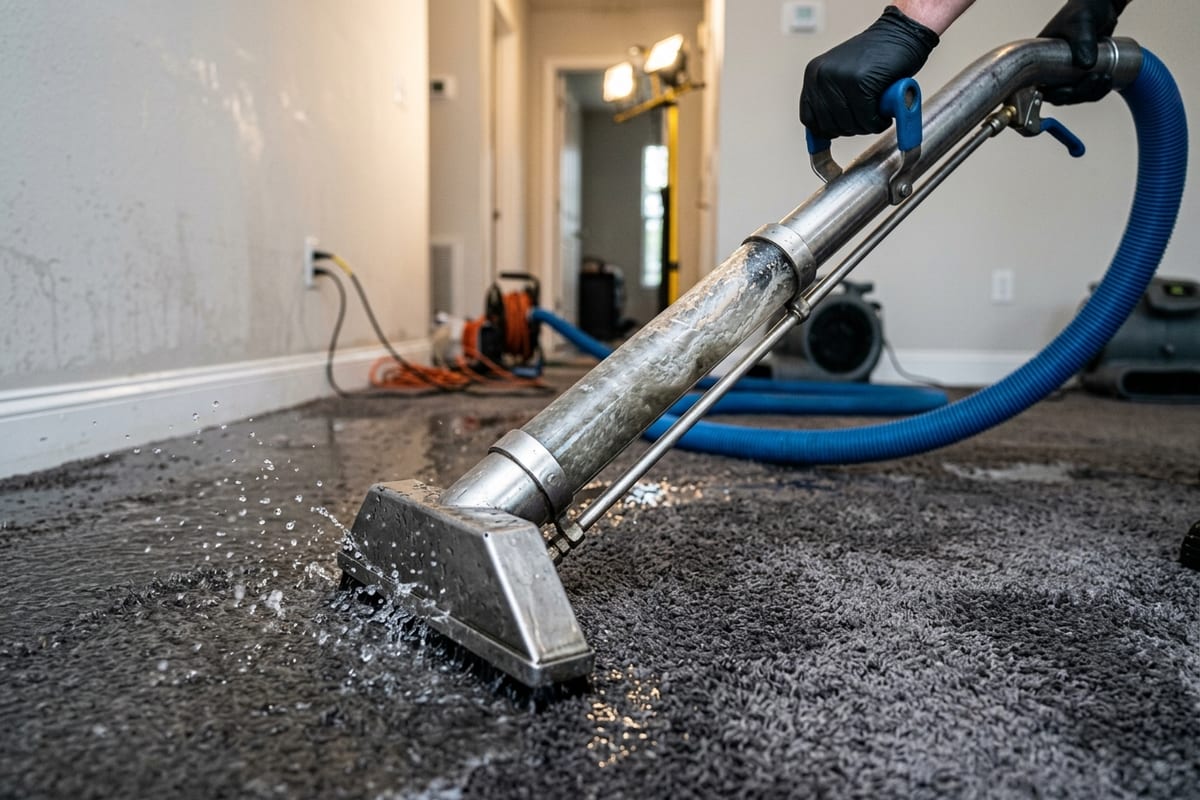
Emergency water extraction uses heavy-duty submersible pumps and truck-mounted vacuum units to physically extract hundreds of gallons of standing water per hour from flooded homes and businesses before structural framing absorbs it.
 Local Protocol
Burst & Frozen Pipe Cleanup→
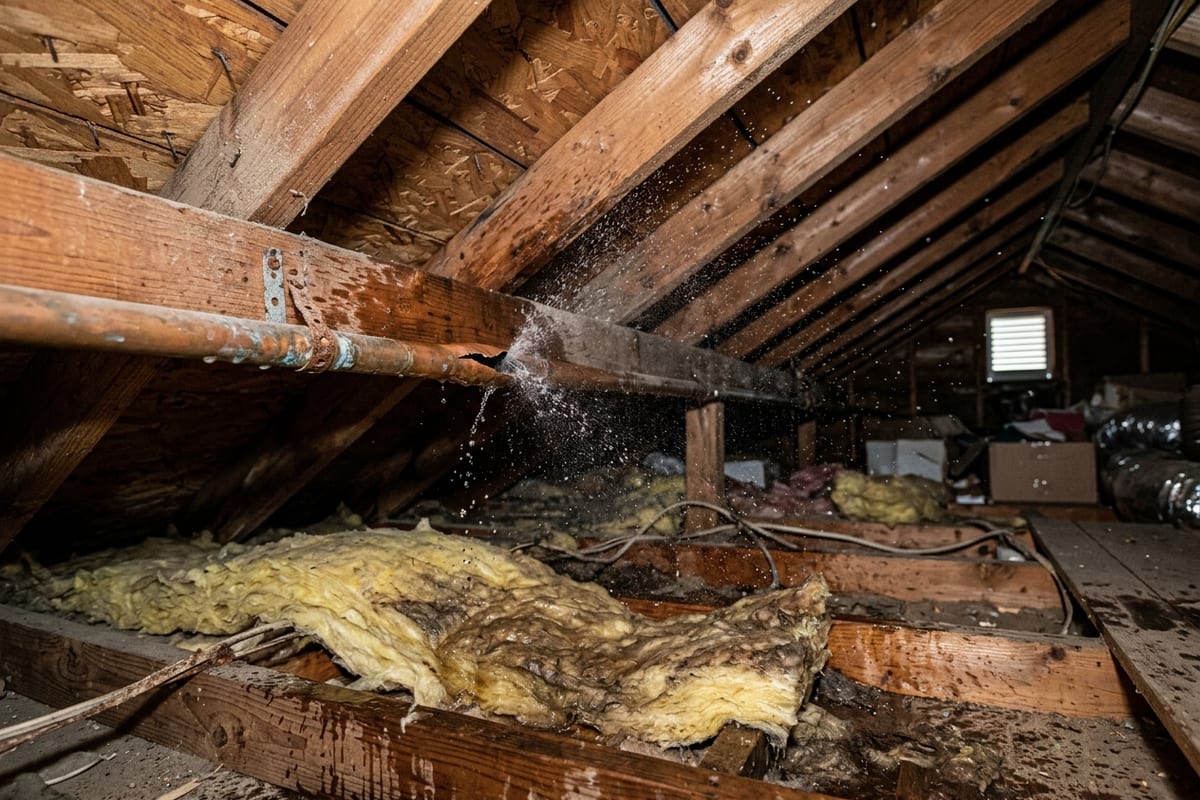
Burst pipe cleanup addresses high-pressure plumbing ruptures in attics, crawlspaces, and interior walls by immediately stopping water flow, extracting water cascading through ceilings, and drying framing to prevent structural rot.
 Local Protocol
Sewage Backup & Biohazard Cleanup→
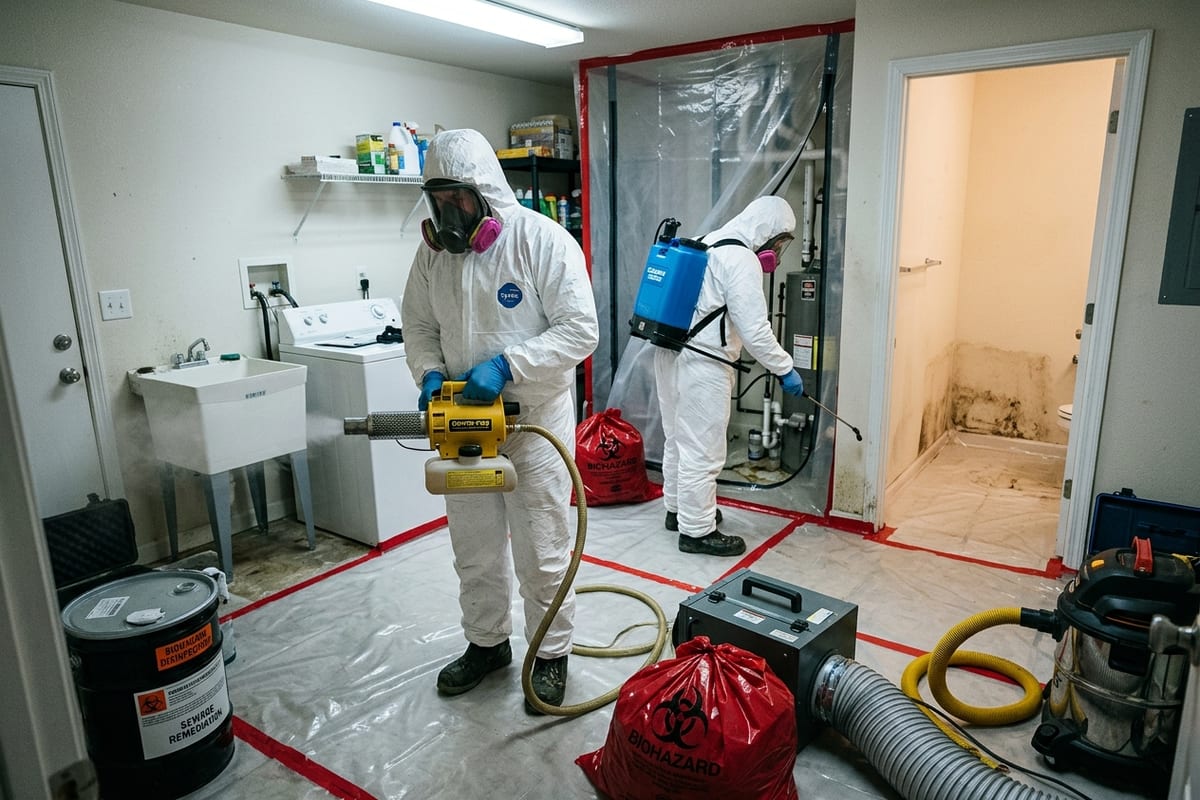
Sewage cleanup safely extracts hazardous Category 3 black water containing dangerous bacteria and pathogens, removes saturated porous building materials, and sanitizes contaminated surfaces with broad-spectrum disinfectants.
Check 45–60 Min Response Time for Your Fort Wayne ZIP Code
WaterRestore Pro dispatches IICRC-certified emergency teams across Allen County 24 hours a day, 365 days a year. Verify rapid on-site coverage for your postal code:
Check Your ZIP Code Coverage
Verify immediate 45–60 minute emergency water extraction dispatch across our 50-state nationwide coverage network.
Frequently Asked Questions in Fort Wayne, IN
How fast do emergency water restoration crews respond in Fort Wayne?+
Certified emergency response teams operate 24/7 across Allen County, deploying specialized disaster recovery vehicles on-site within 45 to 60 minutes.
How do technicians dry saturated basements in Fort Wayne?+
Crews pump out bulk water, deploy high-output commercial LGR dehumidifiers and axial air movers, and apply antimicrobial coatings to prevent mold growth on masonry surfaces.
Nearby Communities We Serve:
Standing Water in Your Home? Minutes Count.
Emergency water extraction units are on call 24 hours a day across all major metropolitan service areas. Call now for priority dispatch.