Water Damage Restoration in New Orleans, LA
New Orleans is Louisiana's world-famous cultural epicenter, situated in a crescent bend of the Mississippi River between the river's high natural levees and the southern shore of Lake Pontchartrain. Renowned for historic Creole townhomes in the French Quarter, Greek Revival mansions in the Garden District, and iconic shotgun houses across Mid-City, Uptown, and the Bywater, properties face acute water hazards from hurricane storm surges, heavy tropical cloudbursts overwhelming pumping stations, and persistent subtropical humidity.
New Orleans, LA Coverage Facts
- Jurisdiction
- Orleans Parish
- Target Response Time
- 45 to 60 Minutes On-Site
- Disaster Coverage
- 24/7, 365 Days a Year
- Covered ZIP Codes
- 70112, 70115, 70116, 70118, 70119, 70124, 70125, 70130
Housing Architecture & Water Risks in New Orleans, LA
Housing stock in New Orleans includes an exceptional collection of 19th-century timber-framed Creole cottages, raised center-hall homes, two-story Greek Revival townhomes, and single-family shotgun houses built on raised brick piers or chain-wall foundations to elevate living spaces above ground floodwaters. Much of the city sits below sea level in a bowl-shaped depression where stormwater relies on massive municipal pumping stations to lift drainage over protective levees. When tropical storms or severe summer convective systems drop more than 2 to 3 inches of rain per hour, urban street flooding is immediate, inundating ground-level basements, under-floor crawl spaces, and subfloor framing. High year-round ambient humidity rapidly accelerates mold colonization on antique cypress and heart-pine framing, requiring high-capacity truck-mounted water extraction, commercial desiccant dehumidification, and structural wood framing desiccation compliant with IICRC S500 standards.
Key Local Restoration Issues in New Orleans
Lake Pontchartrain & Canal Levee Storm Surcharges
Tropical cyclones push lake and canal water against levee barriers, causing backflow into low-lying street drainage systems and flooding residential crawl spaces.
Sewerage & Water Board Drainage Pump Overwhelms
Intense convective cloudbursts exceed municipal pumping station lift capacity, producing standing floodwater across Lakeview, Mid-City, and Gentilly streets.
Subtropical Humidity Rapid Heart-Pine Fungal Colonization
Extreme ambient heat and 85%+ relative humidity cause mold spores to blossom across wet plaster, beadboard, and framing lumber within 24 to 48 hours.
Regional Climate & Weather Risks in New Orleans
Geology, Soil & Foundation Dynamics in New Orleans
Building Stock & Primary Dispatch Triggers in New Orleans
Historic raised wooden cottages, Victorian shotgun houses on brick piers, Creole townhouses with courtyards, and mid-century slab homes in Lakeview.
- •Subfloor moisture saturation beneath raised historic pier-and-beam foundations
- •Wind-driven rain penetration during hurricane and tropical storm events
- •Aging municipal sewer and drainage line backflows into ground-level spaces
- •Air conditioning condensate overflow in attic spaces during long, humid summers
Local Water & Infrastructure Profile: New Orleans
Local Response & Property Access Protocols in New Orleans
Insurance Claim Documentation & Billing Guidelines in Louisiana
In Louisiana, property water damage insurance claims fall under the Louisiana Department of Insurance (LDI) pursuant to La. R.S. § 22:1892 and § 22:1973. Insurers must adjust and pay claims within 30 days of receiving satisfactory proof of loss (or 60 days following catastrophic disaster declarations), with strict statutory penalties for arbitrary non-payment. Louisiana property owners have the right to hire their own certified restoration contractor. Mitigation crews provide adjusters with moisture maps, psychrometric records, and itemized line-item documentation to support direct billing. Louisiana Department of Insurance (LDI) regulations under La. R.S. § 22:1892 mandate prompt and verifiable claim substantiation. In Louisiana's humid subtropical climate, mitigation contractors supply daily psychrometric logs tracking GPP reduction and moisture meter readings in all building assemblies. Photo inventories document sudden plumbing breaches or storm water intrusion. All scopes are itemized in Xactimate and submitted directly to adjusters to support direct insurance payment under Louisiana prompt settlement laws.
Policyholder Rights & Independent Contractor Selection in Louisiana
Under Louisiana insurance regulations, residential and commercial property owners maintain the full legal authority to hire any licensed, independent disaster restoration contractor of their choice. Insurance carriers and claims adjusters are prohibited from steering or mandating the use of preferred network vendors. WaterRestore Pro dispatches certified local mitigation specialists who adhere strictly to ANSI/IICRC S500 standards, recording daily psychrometric logs, moisture baselines, and thermal imaging scans. All repair scopes are compiled using standardized Xactimate line items and submitted directly to your insurance company, supporting direct carrier billing and protecting homeowners from upfront costs on covered peril claims.
Common Emergency Calls in New Orleans
Local ProtocolWater Damage Restoration→
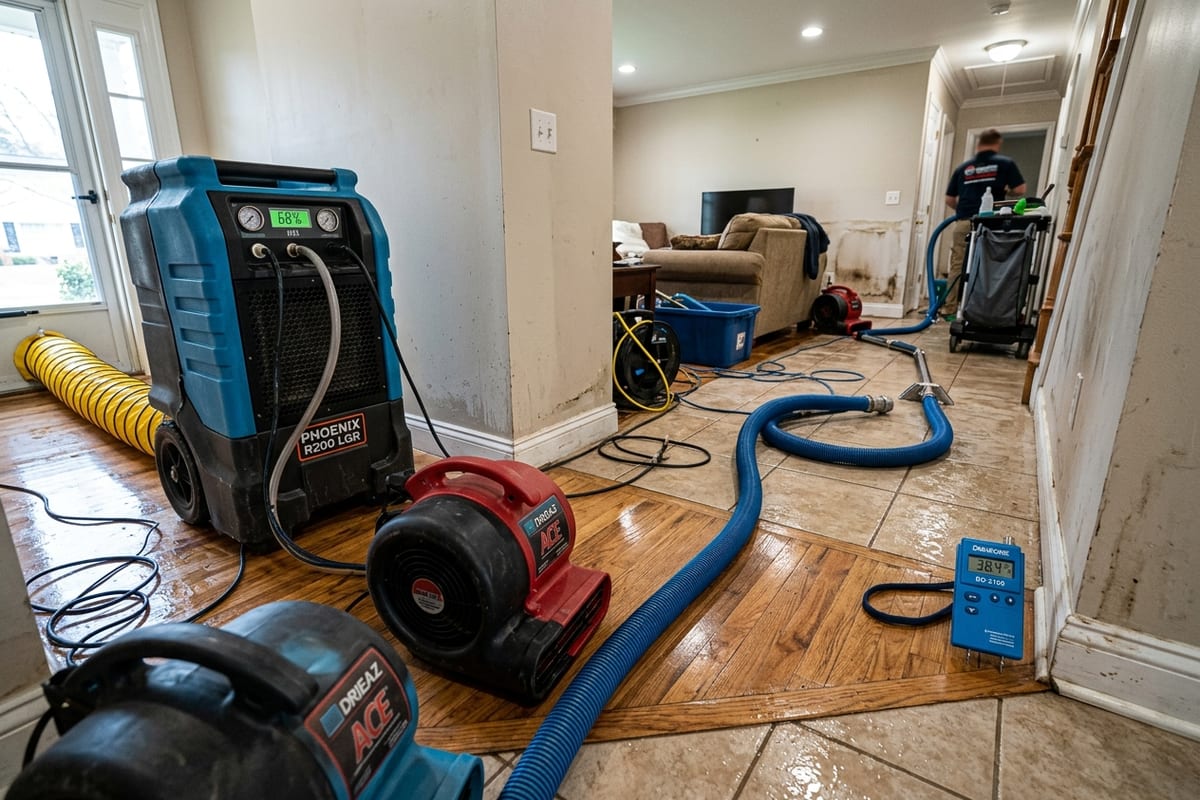
Professional water damage restoration stops progressive structural deterioration, extracts standing water with truck-mounted pumps, and dries internal wall cavities using industrial dehumidifiers within 72 hours to prevent hazardous mold growth.
 Local Protocol
Emergency Water Extraction→
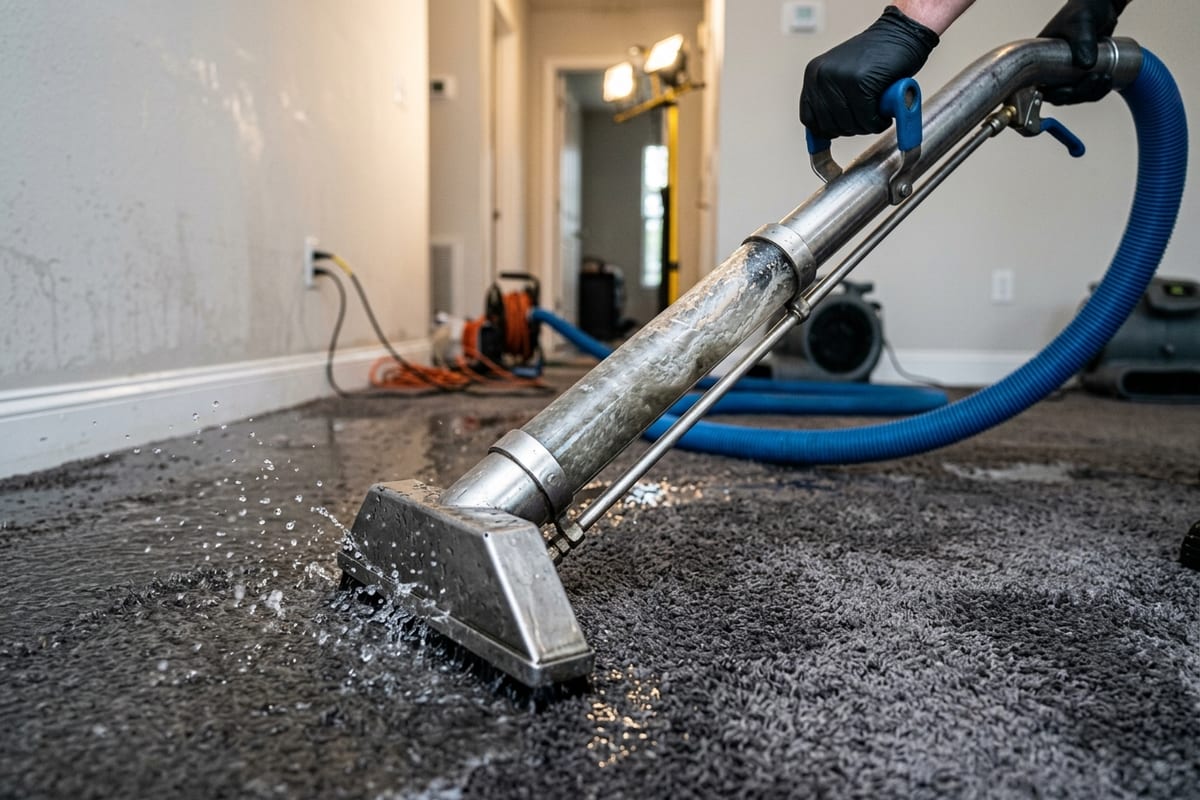
Emergency water extraction uses heavy-duty submersible pumps and truck-mounted vacuum units to physically extract hundreds of gallons of standing water per hour from flooded homes and businesses before structural framing absorbs it.
 Local Protocol
Mold Remediation & Removal→
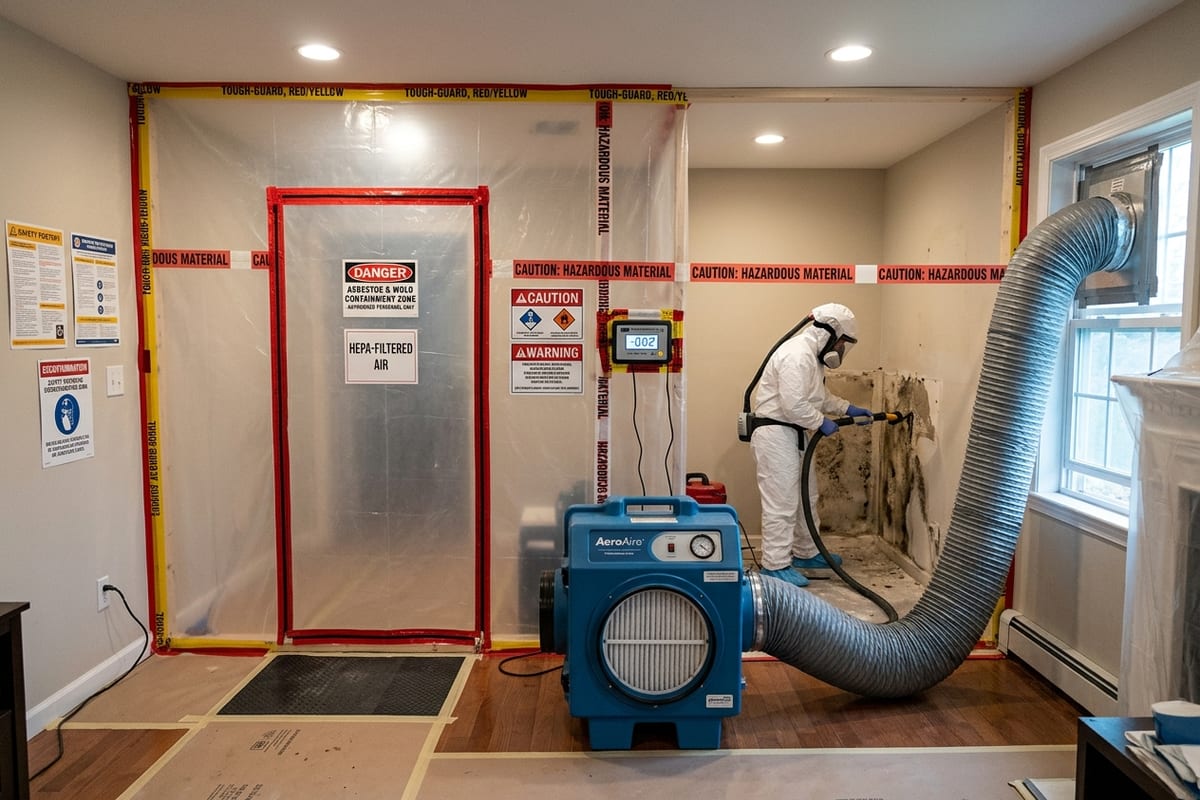
Certified mold remediation isolates active fungal colonies under negative air pressure, safely removes colonized building materials, and purifies indoor air with HEPA scrubbers to eliminate mycotoxins and prevent recurrence.
 Local Protocol
Sewage Backup & Biohazard Cleanup→
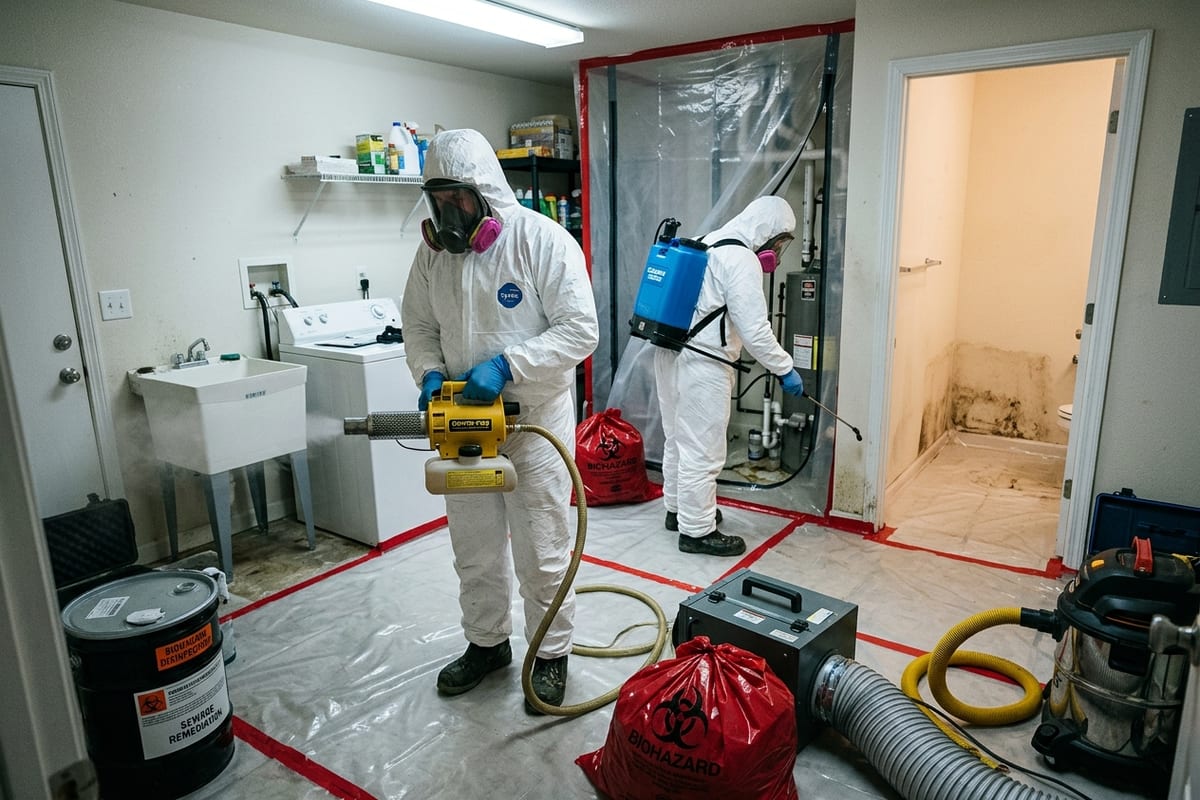
Sewage cleanup safely extracts hazardous Category 3 black water containing dangerous bacteria and pathogens, removes saturated porous building materials, and sanitizes contaminated surfaces with broad-spectrum disinfectants.
Check 45–60 Min Response Time for Your New Orleans ZIP Code
WaterRestore Pro dispatches IICRC-certified emergency teams across Orleans Parish 24 hours a day, 365 days a year. Verify rapid on-site coverage for your postal code:
Check Your ZIP Code Coverage
Verify immediate 45–60 minute emergency water extraction dispatch across our 50-state nationwide coverage network.
Frequently Asked Questions in New Orleans, LA
How do you dry raised shotgun houses and historic cottages in New Orleans?+
Historic shotgun homes sit on brick piers above damp delta soil. When interior pipes burst, water saturates tongue-and-groove cypress flooring and beaded board walls. WaterRestore Pro deploys specialized floor drying mats and desiccant dehumidifiers to save historic timber without warping.
How fast does mold spread in the New Orleans climate after a water loss?+
With humidity consistently exceeding 85% and warm ambient temperatures, mold spores germinate within 24 hours on damp wood and sheetrock. WaterRestore Pro immediately initiates water extraction and applies EPA-registered antimicrobials.
Does Louisiana homeowners insurance cover tropical storm water damage?+
Water entering through storm-damaged roofs, broken windows, or interior pipe breaks is covered under standard homeowners or windstorm policies. Rising floodwaters require NFIP flood coverage. We clearly document the water entry point for your adjuster.
Nearby Communities We Serve:
Standing Water in Your Home? Minutes Count.
Emergency water extraction units are on call 24 hours a day across all major metropolitan service areas. Call now for priority dispatch.