Water Damage Restoration in Detroit, MI
Detroit is Michigan's largest municipality and a historic industrial center, situated along the Detroit River connecting Lake St. Clair and Lake Erie. Properties across historic Boston-Edison, Palmer Woods, Midtown, and Corktown face significant water emergencies stemming from aging municipal combined storm-sewer networks, sub-zero polar vortex pipe freeze bursts, and saturated clay basement footings.
Detroit, MI Coverage Facts
- Jurisdiction
- Wayne County
- Target Response Time
- 45 to 60 Minutes On-Site
- Disaster Coverage
- 24/7, 365 Days a Year
- Covered ZIP Codes
- 48201, 48202, 48206, 48214, 48219, 48221, 48224, 48226
Housing Architecture & Water Risks in Detroit, MI
Housing consists heavily of 1910s to 1940s solid brick colonials, Tudors, and craftsman bungalows built over full concrete block or brick rubble basements. Older plumbing stacks feature vintage cast-iron waste lines and lead supply lines that are vulnerable to extreme freeze-thaw fatigue, requiring rapid emergency extraction, antimicrobial sanitization, and heavy industrial drying.
Key Local Restoration Issues in Detroit
Combined Municipal Sewer Surcharge Backups
Intense summer cloudbursts rapidly overload Detroit's combined sewer system, forcing contaminated Category 3 blackwater up through basement floor drains and utility tubs across residential neighborhoods.
Sub-Zero Polar Vortex Domestic Supply Line Freezes
Extended below-zero Arctic cold snaps freeze uninsulated domestic water lines in drafty basements, exterior walls, and crawl spaces, leading to explosive pipe ruptures that collapse ceilings and flood basements upon thawing.
Aging Concrete Block Mortar Joint Groundwater Seepage
High seasonal water tables in low-lying sections near the Detroit River exert heavy hydrostatic pressure against older concrete block foundations, driving water through deteriorating mortar joints into basement living areas.
Regional Climate & Weather Risks in Detroit
Geology, Soil & Foundation Dynamics in Detroit
Building Stock & Primary Dispatch Triggers in Detroit
Classic early-to-mid 20th-century brick bungalows, stately historic masonry homes, duplexes with full basements, and modern suburban single-family developments.
- •Combined municipal storm-sewer backups into residential basements during storms
- •Burst copper and galvanized pipes in unheated basements and exterior walls
- •Sump pump motor failures and power outages during heavy summer downpours
- •Foundation wall cracking and mortar seepage from expanding wet clay soils
Local Water & Infrastructure Profile: Detroit
Local Response & Property Access Protocols in Detroit
Insurance Claim Documentation & Billing Guidelines in Michigan
In Michigan, property water damage claims are regulated by the Department of Insurance and Financial Services (DIFS) under the Uniform Trade Practices Act (MCL 500.2006). Insurers must acknowledge claims within 30 days and pay covered losses within 30 days of receiving satisfactory proof of loss; claims not paid on time are subject to a mandatory 12% statutory penalty. Michigan property owners have the legal right to hire an independent, qualified restoration contractor of their choice. Due to prolonged sub-zero winter temperatures across both peninsulas, pipe burst claims are frequent and require explicit documentation that the building heating was maintained at 55°F or higher. Restoration crews document freeze rupture points, provide infrared moisture scans, and maintain daily psychrometric drying logs for direct carrier settlement. In Michigan, under Department of Insurance and Financial Services (DIFS) oversight, property insurance claims require comprehensive technical validation under MCL 500.2006. Restoration contractors provide daily psychrometric drying charts, infrared thermal imaging scans, and photographic evidence of sudden pipe freeze breaks. In winter mitigation events, technicians record that indoor heating was properly maintained. Itemized Xactimate documentation is submitted directly to insurance adjusters to support direct contractor billing and ensure compliance with Michigan prompt payment statutory requirements.
Policyholder Rights & Independent Contractor Selection in Michigan
Under Michigan insurance regulations, residential and commercial property owners maintain the full legal authority to hire any licensed, independent disaster restoration contractor of their choice. Insurance carriers and claims adjusters are prohibited from steering or mandating the use of preferred network vendors. WaterRestore Pro dispatches certified local mitigation specialists who adhere strictly to ANSI/IICRC S500 standards, recording daily psychrometric logs, moisture baselines, and thermal imaging scans. All repair scopes are compiled using standardized Xactimate line items and submitted directly to your insurance company, supporting direct carrier billing and protecting homeowners from upfront costs on covered peril claims.
Common Emergency Calls in Detroit
Local ProtocolWater Damage Restoration→
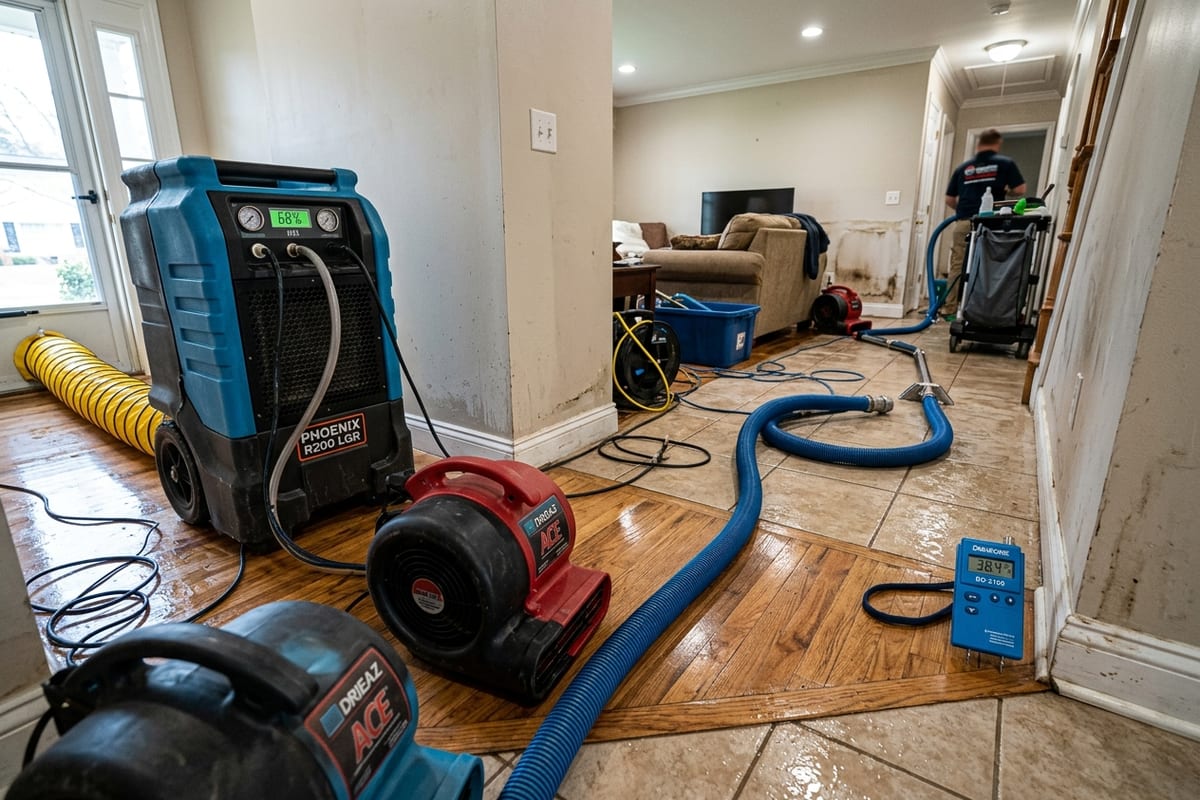
Professional water damage restoration stops progressive structural deterioration, extracts standing water with truck-mounted pumps, and dries internal wall cavities using industrial dehumidifiers within 72 hours to prevent hazardous mold growth.
 Local Protocol
Emergency Water Extraction→
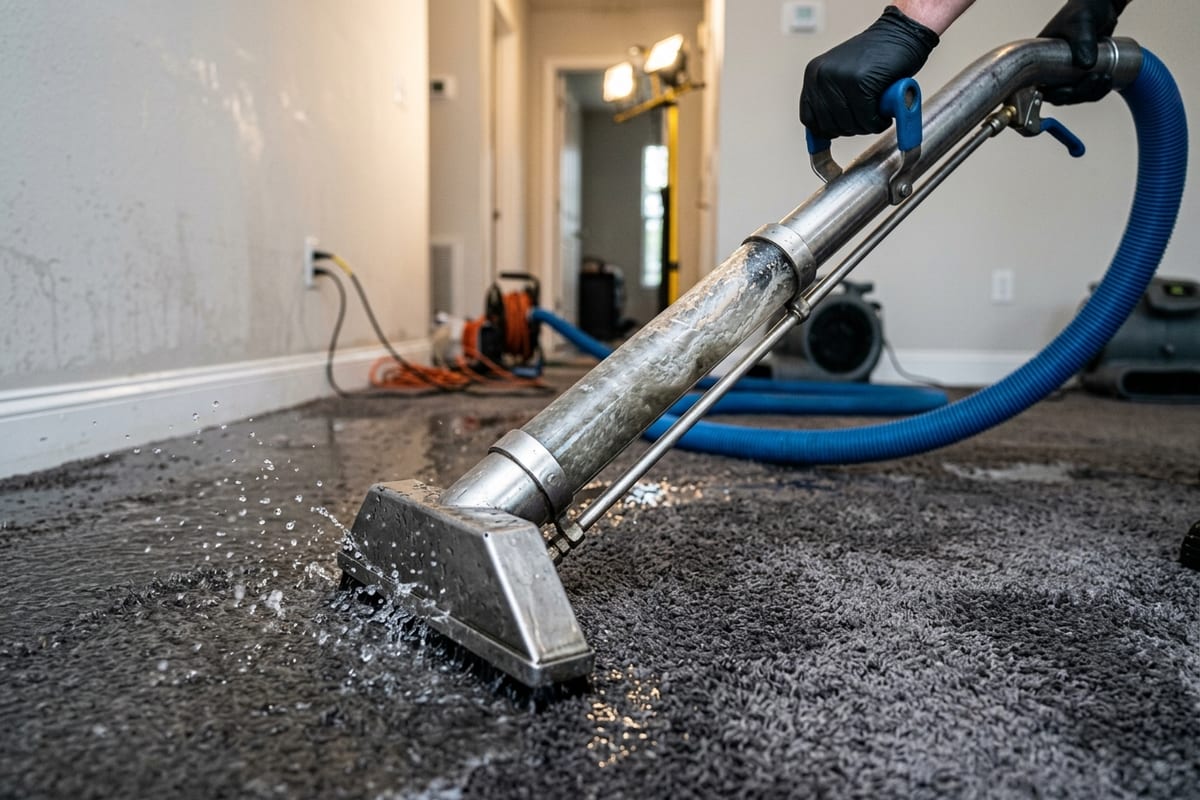
Emergency water extraction uses heavy-duty submersible pumps and truck-mounted vacuum units to physically extract hundreds of gallons of standing water per hour from flooded homes and businesses before structural framing absorbs it.
 Local Protocol
Burst & Frozen Pipe Cleanup→
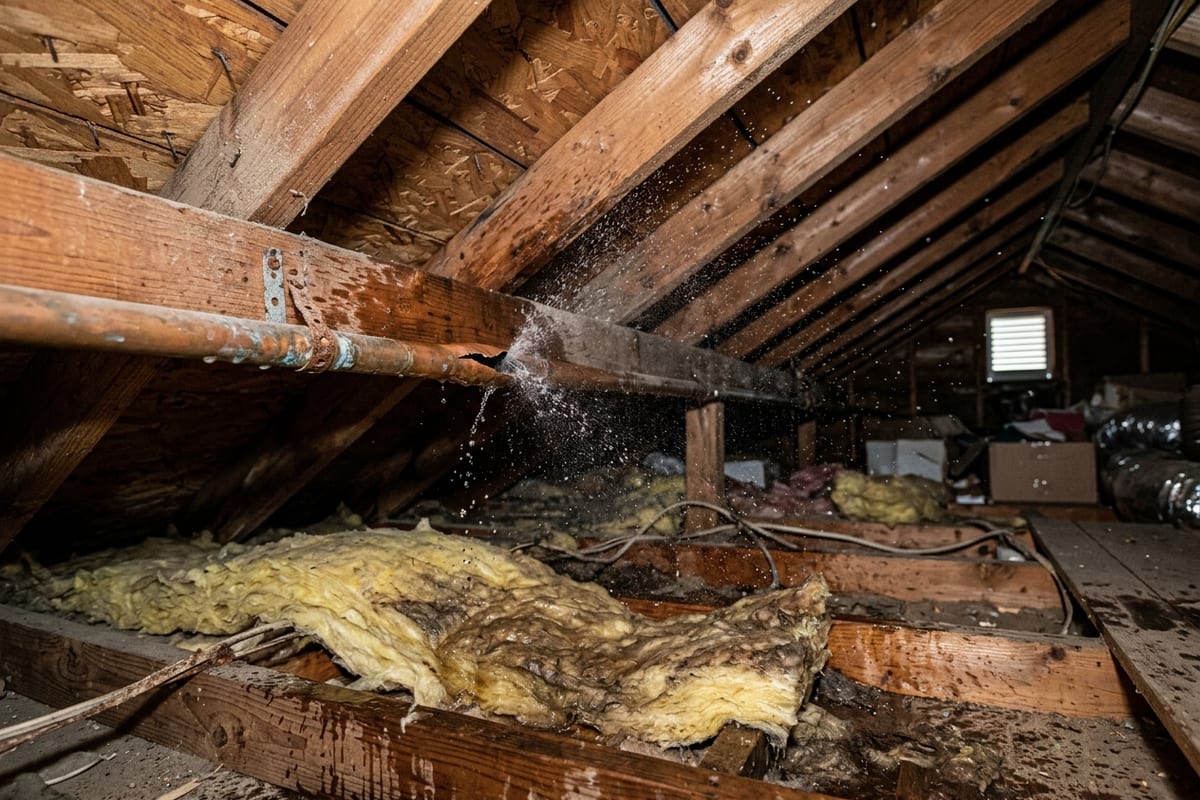
Burst pipe cleanup addresses high-pressure plumbing ruptures in attics, crawlspaces, and interior walls by immediately stopping water flow, extracting water cascading through ceilings, and drying framing to prevent structural rot.
 Local Protocol
Sewage Backup & Biohazard Cleanup→
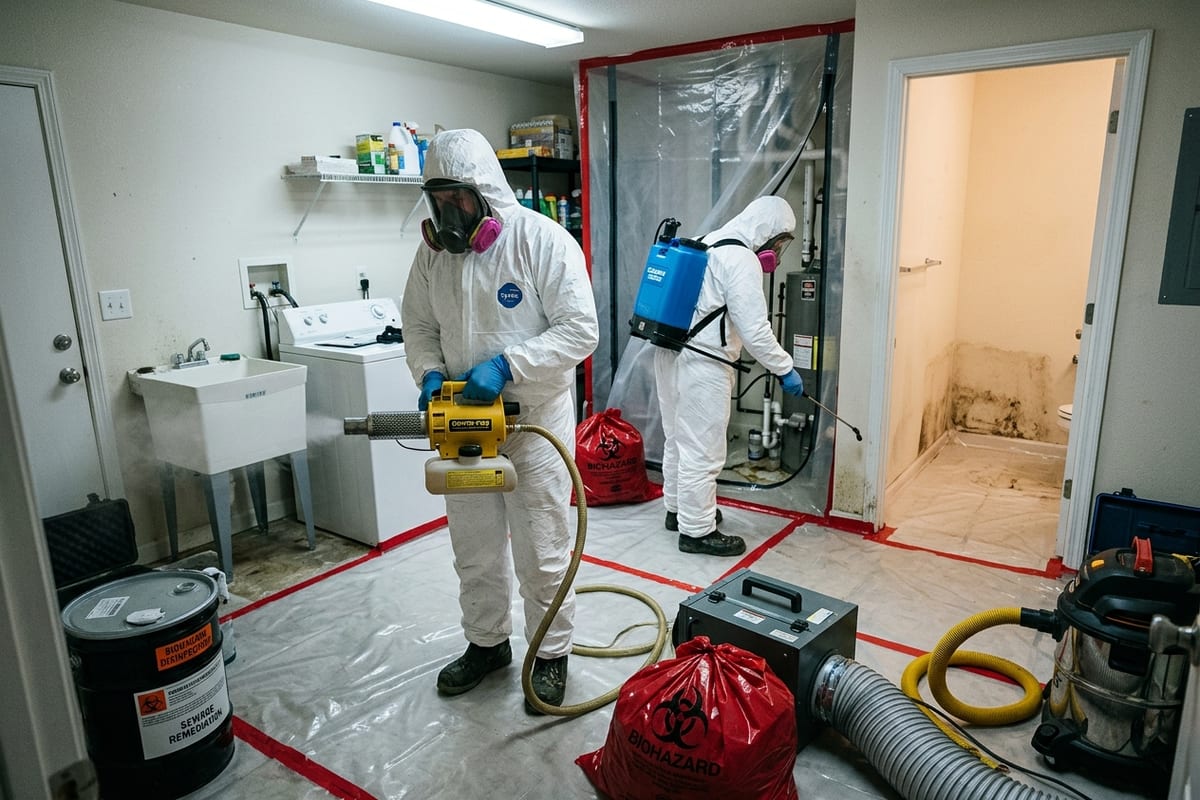
Sewage cleanup safely extracts hazardous Category 3 black water containing dangerous bacteria and pathogens, removes saturated porous building materials, and sanitizes contaminated surfaces with broad-spectrum disinfectants.
Check 45–60 Min Response Time for Your Detroit ZIP Code
WaterRestore Pro dispatches IICRC-certified emergency teams across Wayne County 24 hours a day, 365 days a year. Verify rapid on-site coverage for your postal code:
Check Your ZIP Code Coverage
Verify immediate 45–60 minute emergency water extraction dispatch across our 50-state nationwide coverage network.
Frequently Asked Questions in Detroit, MI
What is the protocol for sewer backups in Detroit basements?+
Sewer backups represent Category 3 black water carrying dangerous pathogens. Never walk through standing sewage. WaterRestore Pro extracts sewage with industrial vacuum units, removes contaminated porous materials, applies EPA-registered disinfectants, and runs HEPA air scrubbers.
How do freezing temperatures affect older Detroit brick homes?+
Uninsulated plumbing in exterior brick chases or unheated cellars freezes when temperatures drop below 15°F. When pipes thaw, pressurized water causes extensive drywall and floor damage. WaterRestore Pro provides 24/7 emergency water extraction and drying.
Does Michigan homeowners insurance cover basement drain backups?+
Coverage for municipal sewer or drain backups requires a specific Water Backup and Sump Discharge or Overflow endorsement. Sudden interior pipe bursts are covered by standard policies. We work directly with your insurer to document the exact loss cause.
Nearby Communities We Serve:
Standing Water in Your Home? Minutes Count.
Emergency water extraction units are on call 24 hours a day across all major metropolitan service areas. Call now for priority dispatch.