Water Damage Restoration in Grand Rapids, MI
Grand Rapids is Michigan's second-largest city and the commercial anchor of West Michigan, situated along the Grand River in Kent County. Properties throughout Heritage Hill, Eastown, Heartside, and West Grand face frequent water emergencies fueled by rapid spring snowmelt, riverine overflow surges along the Grand River basin, severe lake-effect winter freeze events, and aging municipal stormwater networks across historic residential neighborhoods.
Grand Rapids, MI Coverage Facts
- Jurisdiction
- Kent County
- Target Response Time
- 45 to 60 Minutes On-Site
- Disaster Coverage
- 24/7, 365 Days a Year
- Covered ZIP Codes
- 49503, 49504, 49505, 49506, 49507, 49508
Housing Architecture & Water Risks in Grand Rapids, MI
Housing features a dense stock of Victorian, Queen Anne, and early-20th-century craftsman homes in historic districts, alongside mid-century ranches in outer neighborhoods and modern downtown condominiums. Basements frequently feature stone masonry, concrete block, or poured concrete foundations that absorb subsurface groundwater during spring melt seasons, requiring high-volume extraction pumps, structural drying fans, and antimicrobial sanitization.
Key Local Restoration Issues in Grand Rapids
Grand River Spring Snowmelt Basin Flooding
Rapid spring warming combined with heavy rainfall over frozen ground causes the Grand River to swell, backing up storm sewers and inundating lower-level basements across central neighborhoods.
Lake-Effect Polar Blast Supply Line Freeze Bursts
Intense lake-effect snowstorms and sub-zero Arctic air masses freeze uninsulated water pipes in exterior wall cavities and crawl spaces, causing catastrophic pressurized bursts upon thawing.
High Water Table Sump Pump Overload
Spring runoff and saturated sandy-loam soils drive high volumes of groundwater into residential perimeter tiles, overwhelming primary sump pumps and flooding finished basements.
Insurance Claim Documentation & Billing Guidelines in Michigan
In Michigan, property water damage claims are regulated by the Department of Insurance and Financial Services (DIFS) under the Uniform Trade Practices Act (MCL 500.2006). Insurers must acknowledge claims within 30 days and pay covered losses within 30 days of receiving satisfactory proof of loss; claims not paid on time are subject to a mandatory 12% statutory penalty. Michigan property owners have the legal right to hire an independent, qualified restoration contractor of their choice. Due to prolonged sub-zero winter temperatures across both peninsulas, pipe burst claims are frequent and require explicit documentation that the building heating was maintained at 55°F or higher. Restoration crews document freeze rupture points, provide infrared moisture scans, and maintain daily psychrometric drying logs for direct carrier settlement. In Michigan, under Department of Insurance and Financial Services (DIFS) oversight, property insurance claims require comprehensive technical validation under MCL 500.2006. Restoration contractors provide daily psychrometric drying charts, infrared thermal imaging scans, and photographic evidence of sudden pipe freeze breaks. In winter mitigation events, technicians record that indoor heating was properly maintained. Itemized Xactimate documentation is submitted directly to insurance adjusters to support direct contractor billing and ensure compliance with Michigan prompt payment statutory requirements.
Policyholder Rights & Independent Contractor Selection in Michigan
Under Michigan insurance regulations, residential and commercial property owners maintain the full legal authority to hire any licensed, independent disaster restoration contractor of their choice. Insurance carriers and claims adjusters are prohibited from steering or mandating the use of preferred network vendors. WaterRestore Pro dispatches certified local mitigation specialists who adhere strictly to ANSI/IICRC S500 standards, recording daily psychrometric logs, moisture baselines, and thermal imaging scans. All repair scopes are compiled using standardized Xactimate line items and submitted directly to your insurance company, supporting direct carrier billing and protecting homeowners from upfront costs on covered peril claims.
Common Emergency Calls in Grand Rapids
Local ProtocolWater Damage Restoration→
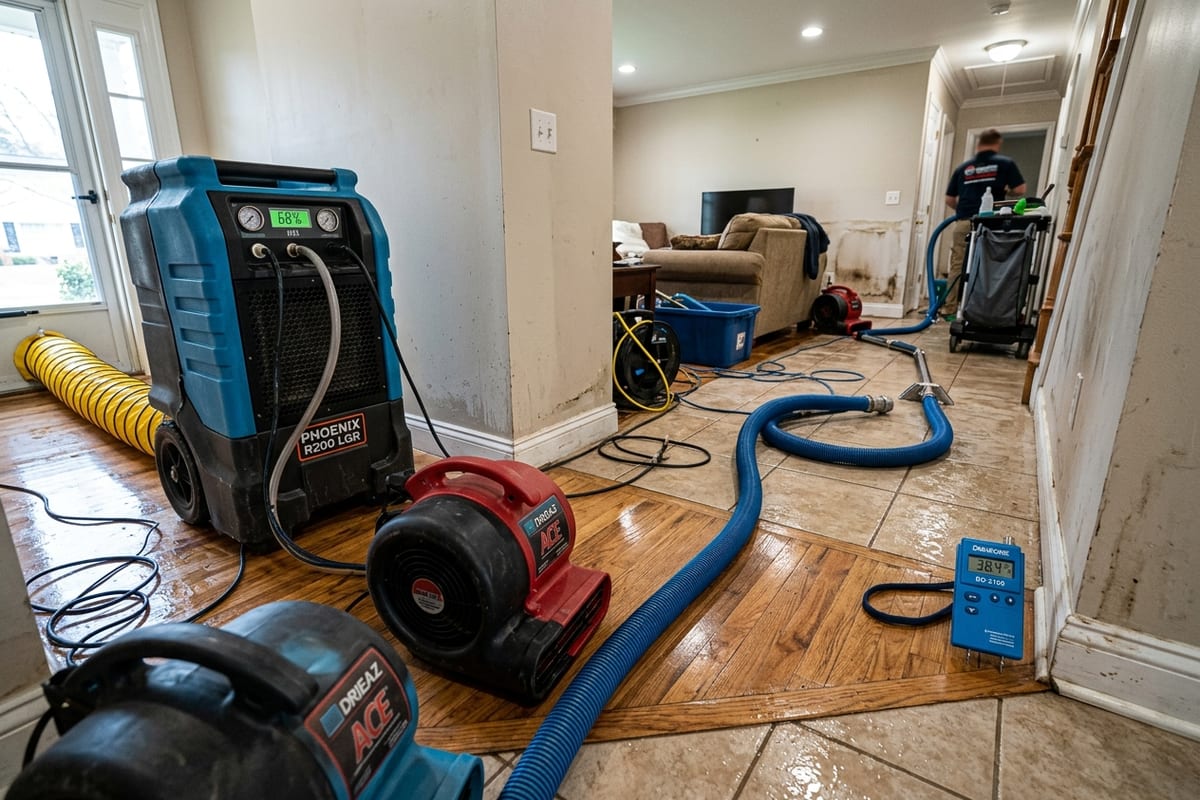
Professional water damage restoration stops progressive structural deterioration, extracts standing water with truck-mounted pumps, and dries internal wall cavities using industrial dehumidifiers within 72 hours to prevent hazardous mold growth.
 Local Protocol
Emergency Water Extraction→
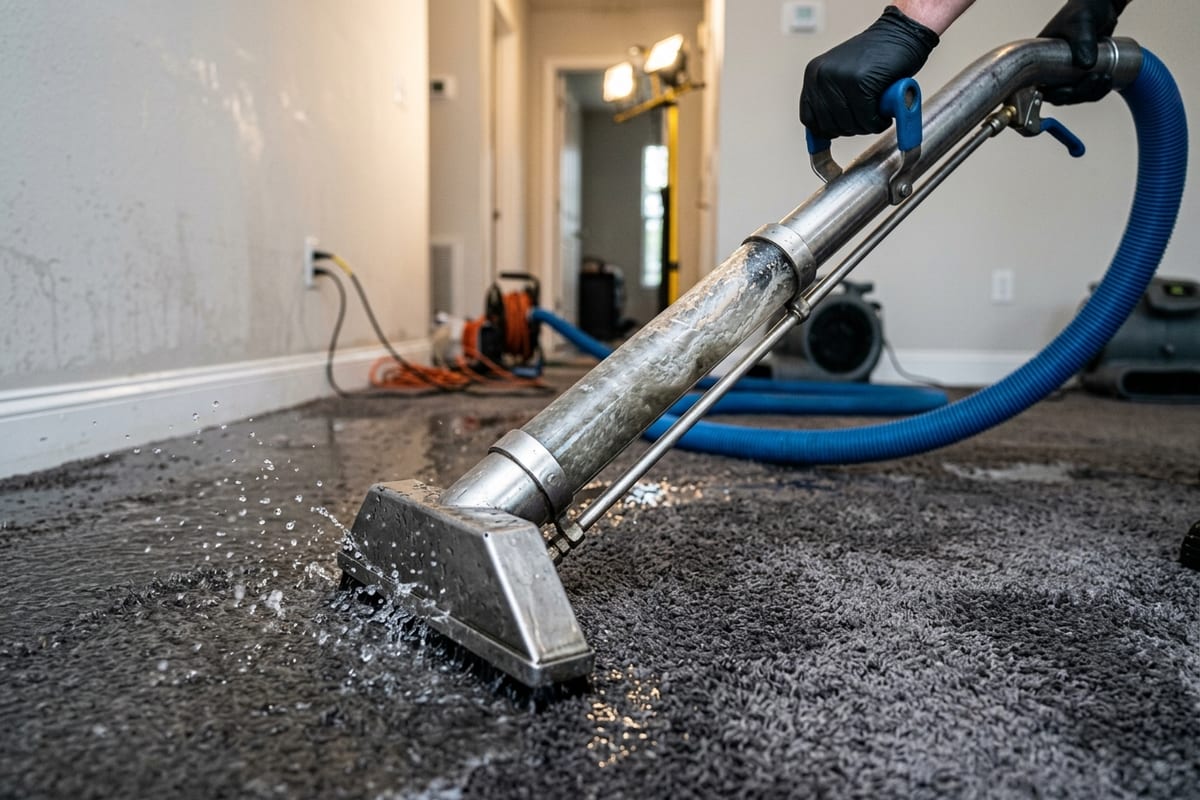
Emergency water extraction uses heavy-duty submersible pumps and truck-mounted vacuum units to physically extract hundreds of gallons of standing water per hour from flooded homes and businesses before structural framing absorbs it.
 Local Protocol
Burst & Frozen Pipe Cleanup→
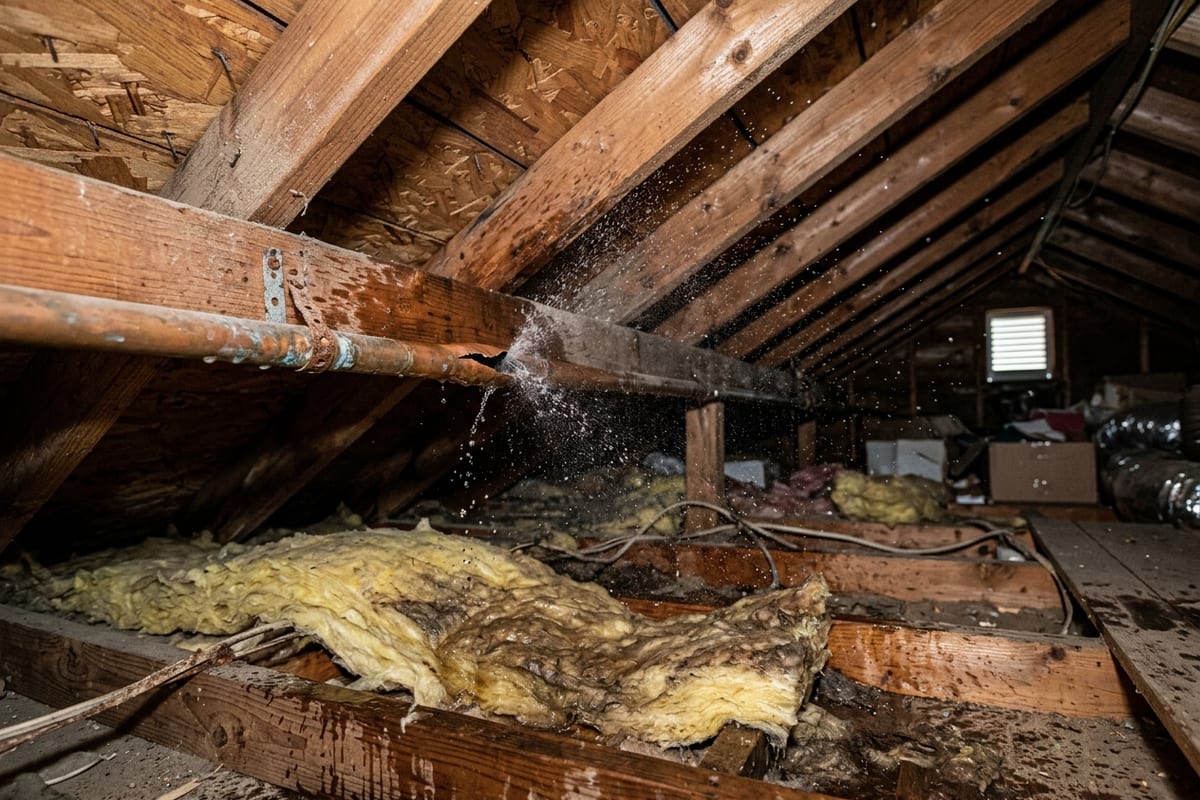
Burst pipe cleanup addresses high-pressure plumbing ruptures in attics, crawlspaces, and interior walls by immediately stopping water flow, extracting water cascading through ceilings, and drying framing to prevent structural rot.
 Local Protocol
Sewage Backup & Biohazard Cleanup→
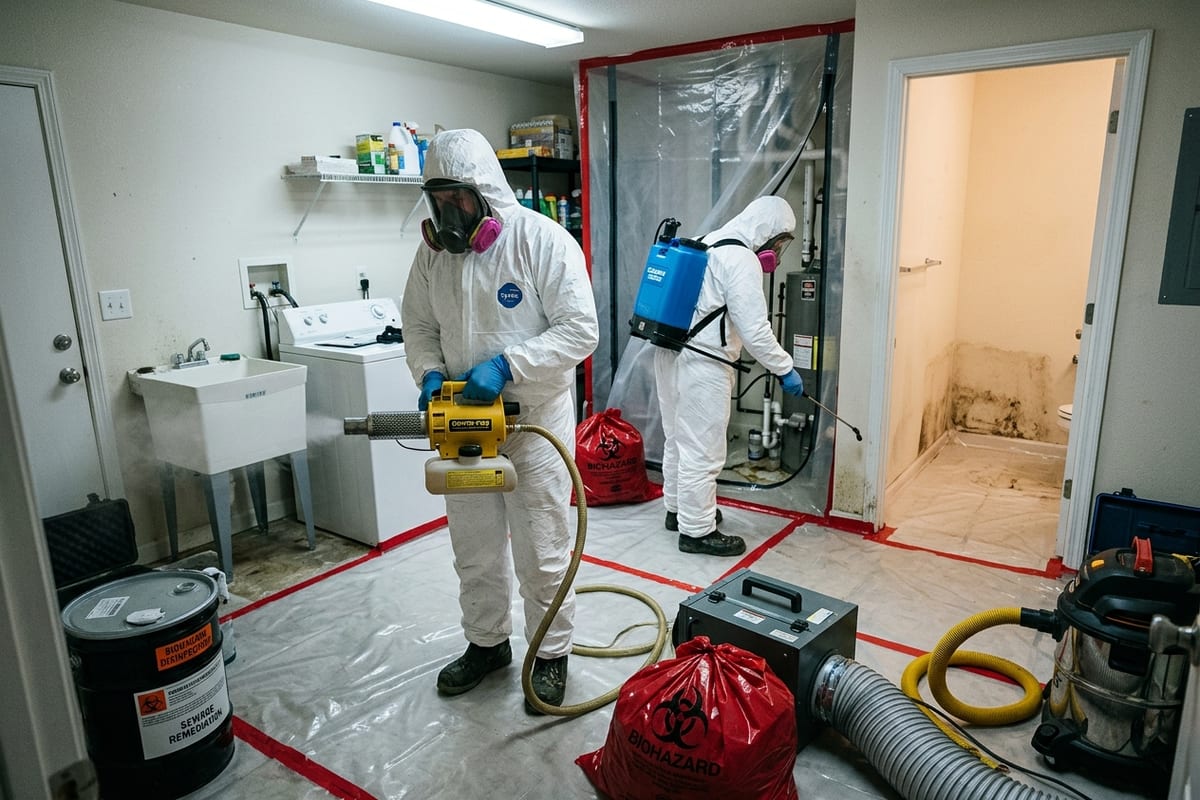
Sewage cleanup safely extracts hazardous Category 3 black water containing dangerous bacteria and pathogens, removes saturated porous building materials, and sanitizes contaminated surfaces with broad-spectrum disinfectants.
Check 45–60 Min Response Time for Your Grand Rapids ZIP Code
WaterRestore Pro dispatches IICRC-certified emergency teams across Kent County 24 hours a day, 365 days a year. Verify rapid on-site coverage for your postal code:
Check Your ZIP Code Coverage
Verify immediate 45–60 minute emergency water extraction dispatch across our 50-state nationwide coverage network.
Frequently Asked Questions in Grand Rapids, MI
How fast do emergency water restoration crews respond in Grand Rapids?+
Certified emergency response teams operate 24/7 across Kent County, reaching homes and commercial properties within 45 to 60 minutes.
Does Michigan homeowners insurance cover flooded basements from burst pipes?+
Yes. Standard homeowners insurance policies generally cover sudden and accidental water damage resulting from burst frozen pipes, including emergency extraction and structural drying.
Nearby Communities We Serve:
Standing Water in Your Home? Minutes Count.
Emergency water extraction units are on call 24 hours a day across all major metropolitan service areas. Call now for priority dispatch.