Water Damage Restoration in St. Paul, MN
Saint Paul is the historic state capital of Minnesota and the eastern anchor of the Twin Cities, perched on high limestone bluffs overlooking a dramatic bend in the Mississippi River. Renowned for its Victorian mansions along Summit Avenue, historic neighborhoods in Macalester-Groveland, Highland Park, and Como Park, properties encounter frequent water emergencies fueled by Mississippi River drainage overloads, severe roof ice dams, and winter plumbing freeze bursts.
St. Paul, MN Coverage Facts
- Jurisdiction
- Ramsey County
- Target Response Time
- 45 to 60 Minutes On-Site
- Disaster Coverage
- 24/7, 365 Days a Year
- Covered ZIP Codes
- 55101, 55102, 55104, 55105, 55106, 55107, 55108, 55116, 55117
Housing Architecture & Water Risks in St. Paul, MN
Residential inventory features magnificent Victorian residences, early 20th-century brick duplexes, and Craftsman bungalows built with full limestone block or poured concrete basements. Heavy winter snowfalls followed by sudden thaws create destructive ice dams along uninsulated roof eaves, driving water into interior plaster walls. Severe winter cold fronts drop temperatures well below zero, causing uninsulated copper water pipes in basements and crawl spaces to freeze and burst, requiring high-power industrial extraction and structural drying.
Key Local Restoration Issues in St. Paul
Summit Hill Historic Victorian Roof Ice Dam Leaks
Heavy snow accumulation on complex roof pitches forms massive ice dams that force meltwater beneath slate and asphalt shingles into lath-and-plaster ceilings.
Sub-Zero Winter Plumbing Pipe Freeze Ruptures
Arctic cold fronts drop temperatures below minus fifteen degrees, freezing uninsulated domestic water pipes in exterior wall chases and stone cellars that rupture upon thawing.
Mississippi River Bluff Runoff & Basement Hydrostatic Seepage
Spring snowmelt cascading down Saint Paul's river bluffs saturates foundation soil, forcing groundwater through basement floor seams and cove joints.
Insurance Claim Documentation & Billing Guidelines in Minnesota
Minnesota property water damage claims operate under the Minnesota Department of Commerce pursuant to Minn. Stat. § 72A.201 (Unfair Claims Practices Act). Carriers must acknowledge claim communications within 10 business days and complete claim investigations within 30 business days. Minnesota law protects policyholder choice, allowing owners to hire any certified restoration contractor. Winter freeze ruptures require documentation proving heat was maintained; contractors provide itemized Xactimate scopes, freeze break photos, and psychrometric drying charts. Under Minnesota Department of Commerce oversight pursuant to Minn. Stat. § 72A.201, property water damage claims require thorough empirical verification. Contractors provide daily drying logs recording moisture content in framing joists, subflooring, and drywall assemblies, alongside thermal imaging surveys. Pipe freeze ruptures are photographed to verify sudden accidental failure. Itemized Xactimate scopes are submitted directly to insurance adjusters to support direct billing and prompt claim resolution.
Policyholder Rights & Independent Contractor Selection in Minnesota
Under Minnesota insurance regulations, residential and commercial property owners maintain the full legal authority to hire any licensed, independent disaster restoration contractor of their choice. Insurance carriers and claims adjusters are prohibited from steering or mandating the use of preferred network vendors. WaterRestore Pro dispatches certified local mitigation specialists who adhere strictly to ANSI/IICRC S500 standards, recording daily psychrometric logs, moisture baselines, and thermal imaging scans. All repair scopes are compiled using standardized Xactimate line items and submitted directly to your insurance company, supporting direct carrier billing and protecting homeowners from upfront costs on covered peril claims.
Common Emergency Calls in St. Paul
Local ProtocolWater Damage Restoration→
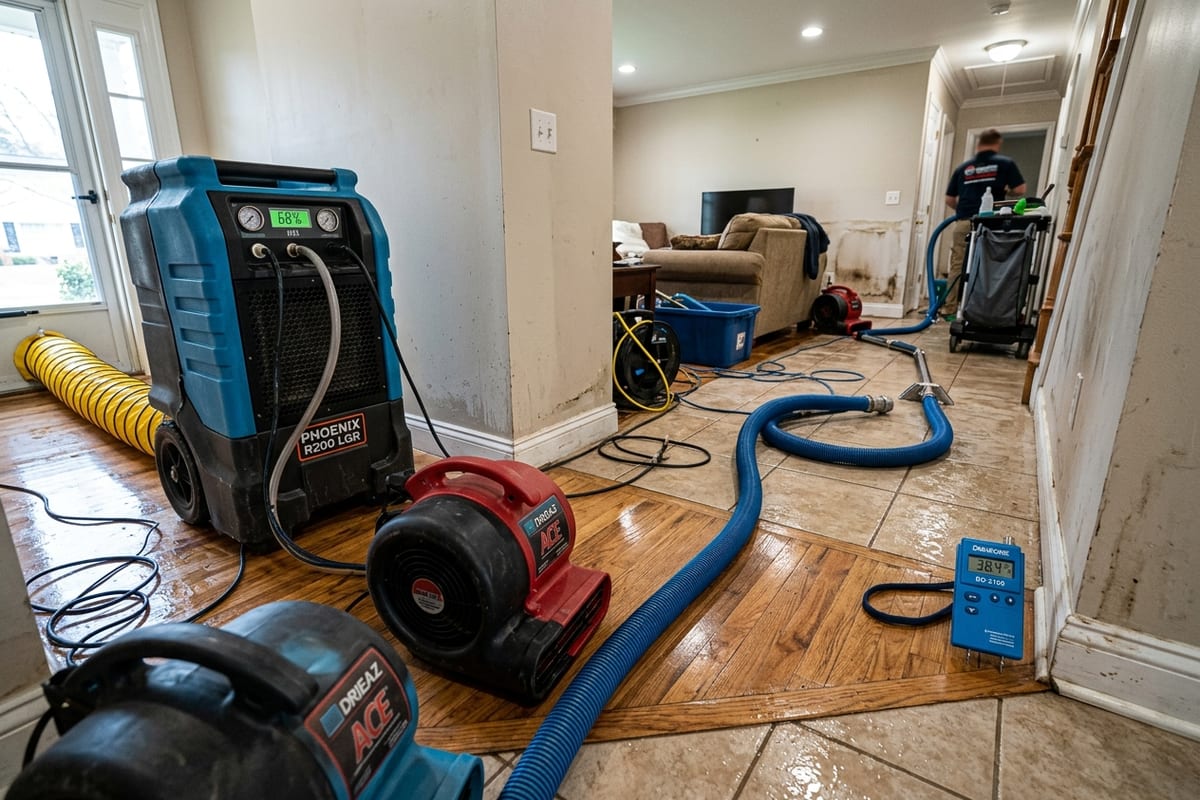
Professional water damage restoration stops progressive structural deterioration, extracts standing water with truck-mounted pumps, and dries internal wall cavities using industrial dehumidifiers within 72 hours to prevent hazardous mold growth.
 Local Protocol
Emergency Water Extraction→
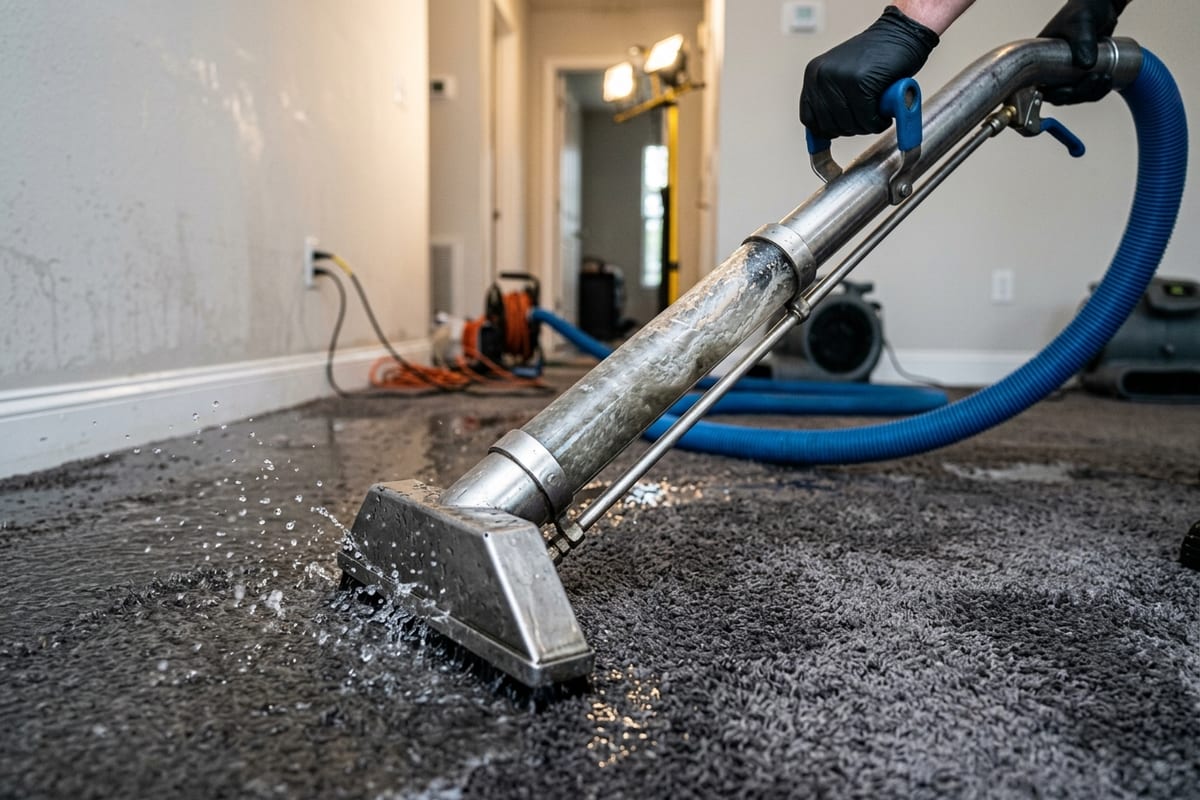
Emergency water extraction uses heavy-duty submersible pumps and truck-mounted vacuum units to physically extract hundreds of gallons of standing water per hour from flooded homes and businesses before structural framing absorbs it.
 Local Protocol
Burst & Frozen Pipe Cleanup→
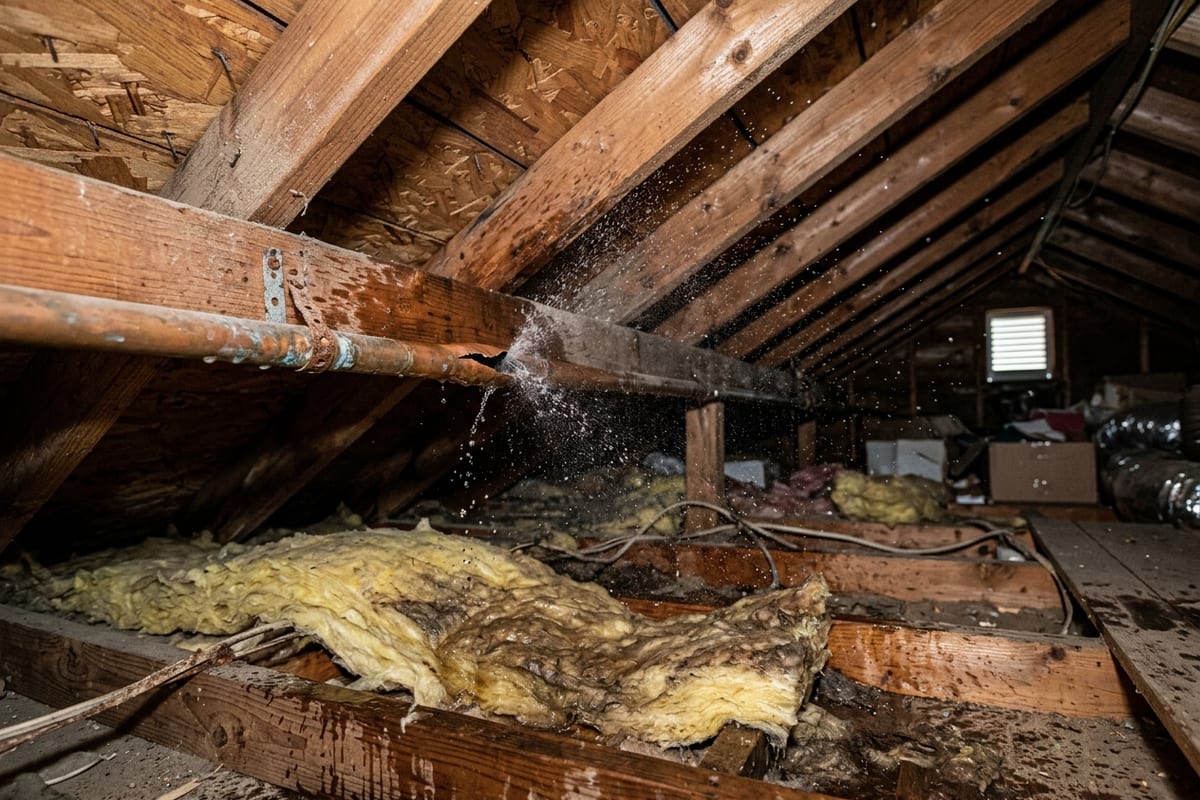
Burst pipe cleanup addresses high-pressure plumbing ruptures in attics, crawlspaces, and interior walls by immediately stopping water flow, extracting water cascading through ceilings, and drying framing to prevent structural rot.
 Local Protocol
Structural Drying & Dehumidification→
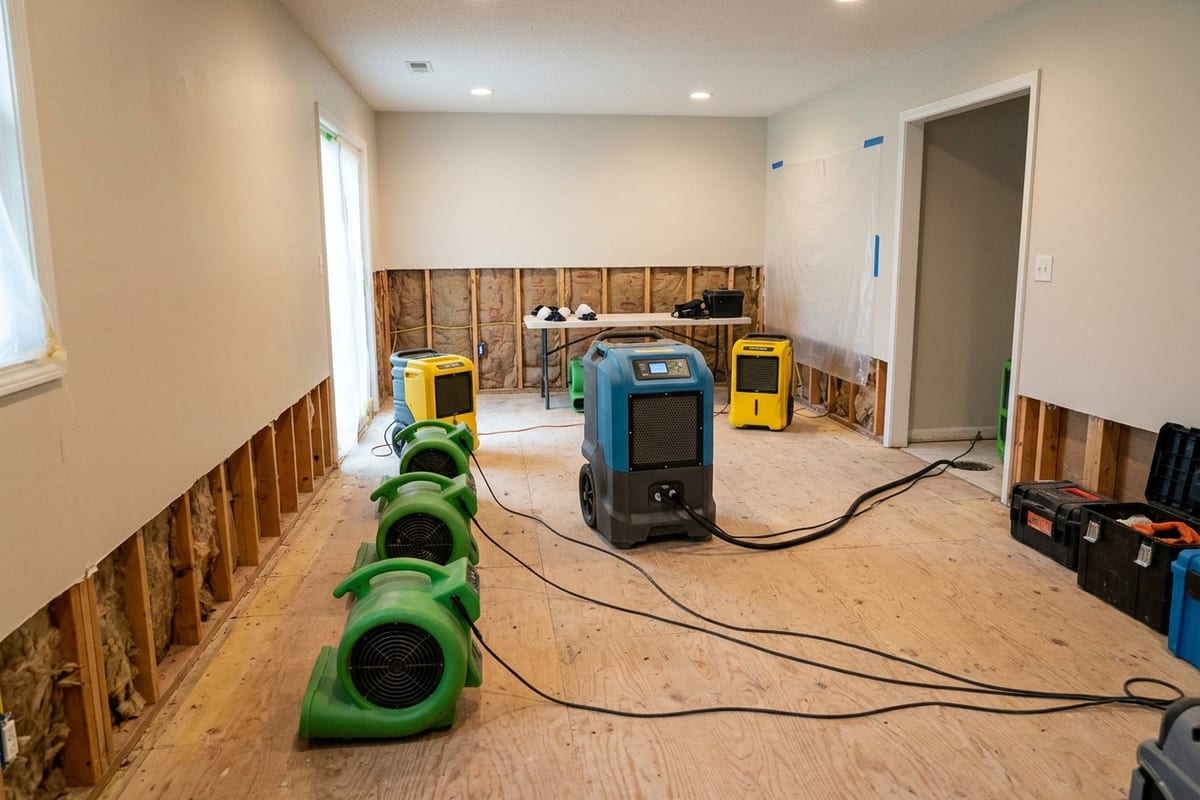
Structural drying uses industrial low-grain refrigerant (LGR) dehumidifiers, centrifugal air movers, and moisture sensors to draw bound moisture out of concrete foundations, wood framing, and subfloors to prevent permanent decay.
Check 45–60 Min Response Time for Your St. Paul ZIP Code
WaterRestore Pro dispatches IICRC-certified emergency teams across Ramsey County 24 hours a day, 365 days a year. Verify rapid on-site coverage for your postal code:
Check Your ZIP Code Coverage
Verify immediate 45–60 minute emergency water extraction dispatch across our 50-state nationwide coverage network.
Frequently Asked Questions in St. Paul, MN
How do technicians preserve historic plaster walls in Saint Paul?+
Technicians deploy gentle desiccant dehumidifiers, thermal imaging cameras, and low-velocity air movers to dry plaster without requiring destructive teardown.
How fast can emergency restoration crews reach Saint Paul properties?+
Disaster restoration teams operate 24/7 across Ramsey County, arriving on-site within 45 to 60 minutes.
Nearby Communities We Serve:
Standing Water in Your Home? Minutes Count.
Emergency water extraction units are on call 24 hours a day across all major metropolitan service areas. Call now for priority dispatch.