Water Damage Restoration in St. Louis, MO
St. Louis is Missouri's historic cultural and commercial anchor, situated on the western bank of the Mississippi River just south of the Missouri River confluence. Renowned for its iconic Gateway Arch, historic red-brick brick townhomes in Soulard and Lafayette Square, and expansive residences in the Central West End and Tower Grove, properties face severe water emergencies driven by Mississippi River flood stages, combined sewer surcharges, and sub-zero winter plumbing freezes.
St. Louis, MO Coverage Facts
- Jurisdiction
- St. Louis City (Independent City)
- Target Response Time
- 45 to 60 Minutes On-Site
- Disaster Coverage
- 24/7, 365 Days a Year
- Covered ZIP Codes
- 63101, 63103, 63104, 63108, 63109, 63110, 63112, 63116, 63118
Housing Architecture & Water Risks in St. Louis, MO
Housing stock consists of an extraordinary concentration of late 19th- and early 20th-century multi-family brick duplexes, historic masonry four-squares, and single-family Victorian homes built with deep limestone rubble or brick basements. The city's dense clay soils and proximity to the Mississippi River and River Des Peres drainage basin create substantial lateral hydrostatic pressure on basement walls during heavy convective downpours. Winter polar vortex cold snaps drop temperatures into the single digits, causing uninsulated water supply pipes in drafty brick chases and unheated basements to freeze and violently rupture, requiring immediate high-capacity truck-mounted water extraction, commercial LGR dehumidification, and structural wood framing desiccation compliant with IICRC S500 standards.
Key Local Restoration Issues in St. Louis
River Des Peres & Mississippi River Flash Flooding
Torrential convective summer rainstorms cause the River Des Peres watershed to rapidly swell, backing up municipal drainage and flooding finished basement cellars.
Sub-Zero Polar Vortex Domestic Supply Pipe Freeze Bursts
Prolonged winter cold snaps penetrate drafty exterior masonry chases, freezing uninsulated copper and galvanized supply lines that rupture violently upon thawing.
Historic Brick Cellar Lime-Mortar Groundwater Seepage
Heavy seasonal rains saturate local clay soils, exerting intense hydrostatic pressure that drives groundwater through century-old lime-mortar joints into lower levels.
Regional Climate & Weather Risks in St. Louis
Geology, Soil & Foundation Dynamics in St. Louis
Building Stock & Primary Dispatch Triggers in St. Louis
Historic brick masonry homes in Soulard and Lafayette Square, brick bungalows, mid-century ranches with full basements, and modern suburban master plans.
- •Hydrostatic pressure cracking brick and stone basement walls during heavy rains
- •Sump pump failures and floor drain backups during severe convective storms
- •Frozen supply pipes in unconditioned exterior wall cavities during winter freezes
- •Appliance and water heater supply line ruptures in residential properties
Local Water & Infrastructure Profile: St. Louis
Local Response & Property Access Protocols in St. Louis
Insurance Claim Documentation & Billing Guidelines in Missouri
Missouri insurance claims for water damage are overseen by the Missouri Department of Commerce and Insurance (DCI) pursuant to Mo. Rev. Stat. § 375.1007 and 20 CSR 100-1.020. Insurers are required to acknowledge claims within 10 working days and accept or deny coverage within 15 working days after receiving all documentation. Missouri property owners are entitled to choose their preferred restoration contractor. Restoration technicians document sudden failures such as burst supply lines or sewer backflows with calibrated moisture probes and itemized Xactimate estimates to ensure prompt claim resolution. Missouri Department of Commerce and Insurance (DCI) standards require objective technical documentation to support property damage claims under Mo. Rev. Stat. § 375.1007. Restoration technicians compile daily psychrometric logs, measuring moisture reduction in basement framing, subflooring, and drywall. Thermal imaging maps confirm the boundaries of moisture migration. Scopes are itemized in Xactimate and transmitted directly to insurance adjusters to facilitate direct billing and prompt claim resolution.
Policyholder Rights & Independent Contractor Selection in Missouri
Under Missouri insurance regulations, residential and commercial property owners maintain the full legal authority to hire any licensed, independent disaster restoration contractor of their choice. Insurance carriers and claims adjusters are prohibited from steering or mandating the use of preferred network vendors. WaterRestore Pro dispatches certified local mitigation specialists who adhere strictly to ANSI/IICRC S500 standards, recording daily psychrometric logs, moisture baselines, and thermal imaging scans. All repair scopes are compiled using standardized Xactimate line items and submitted directly to your insurance company, supporting direct carrier billing and protecting homeowners from upfront costs on covered peril claims.
Common Emergency Calls in St. Louis
Local ProtocolWater Damage Restoration→
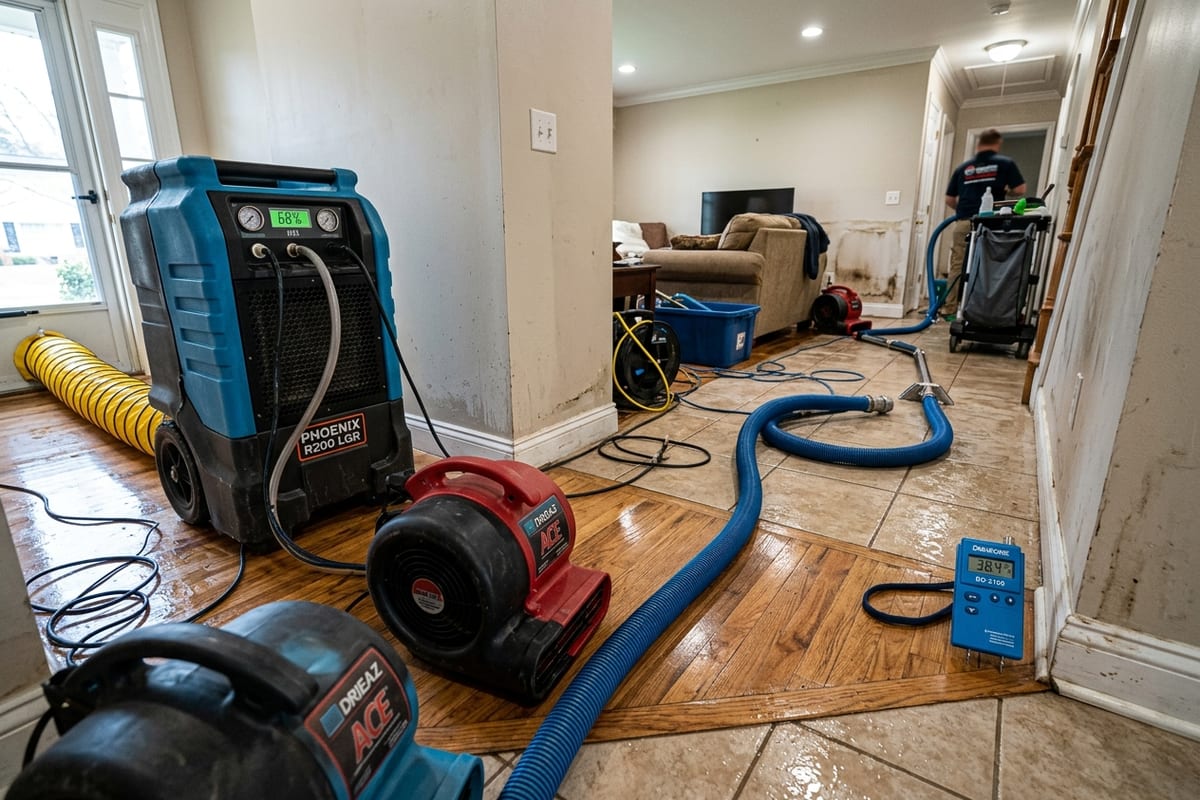
Professional water damage restoration stops progressive structural deterioration, extracts standing water with truck-mounted pumps, and dries internal wall cavities using industrial dehumidifiers within 72 hours to prevent hazardous mold growth.
 Local Protocol
Emergency Water Extraction→
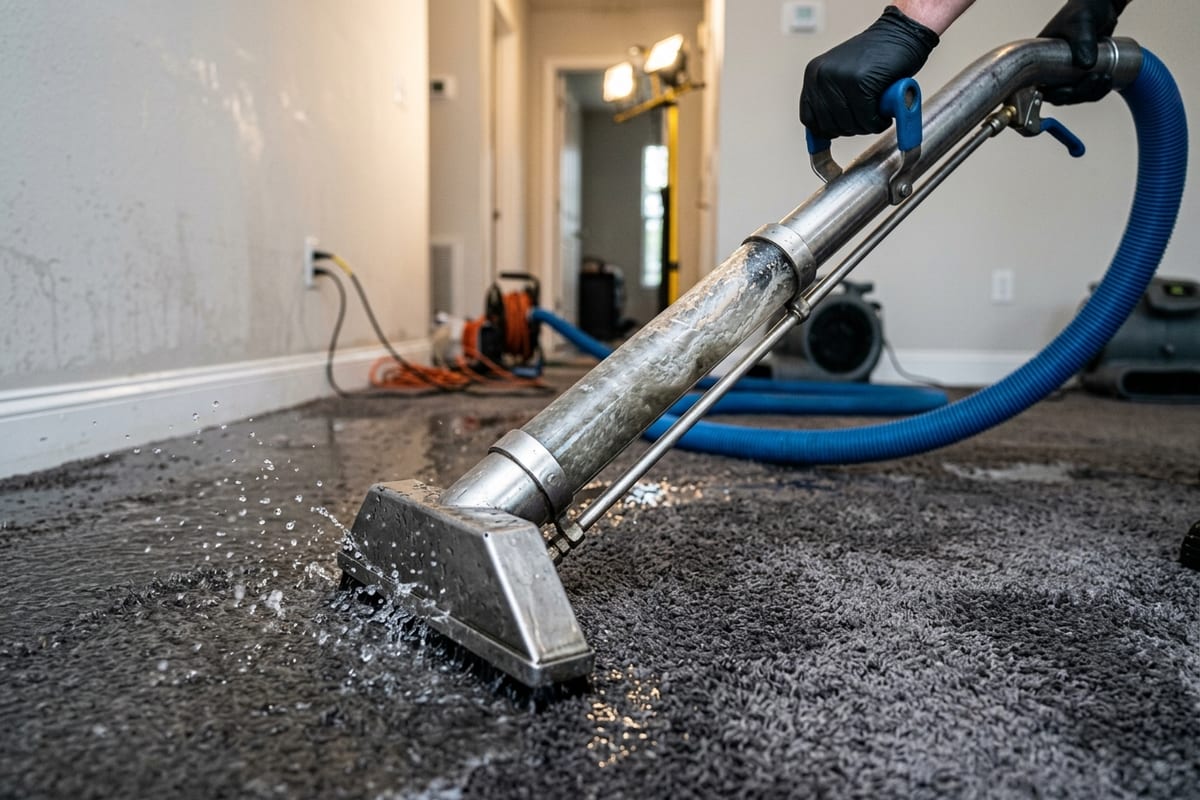
Emergency water extraction uses heavy-duty submersible pumps and truck-mounted vacuum units to physically extract hundreds of gallons of standing water per hour from flooded homes and businesses before structural framing absorbs it.
 Local Protocol
Burst & Frozen Pipe Cleanup→
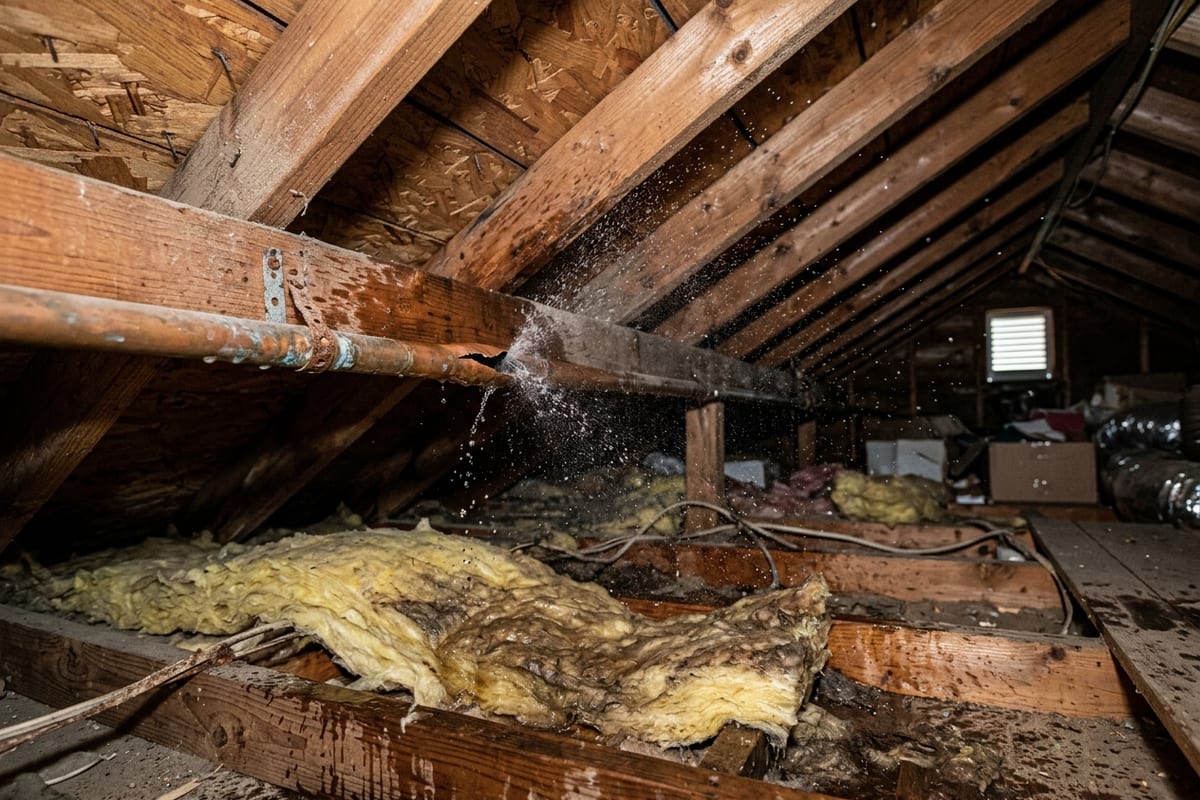
Burst pipe cleanup addresses high-pressure plumbing ruptures in attics, crawlspaces, and interior walls by immediately stopping water flow, extracting water cascading through ceilings, and drying framing to prevent structural rot.
 Local Protocol
Sewage Backup & Biohazard Cleanup→
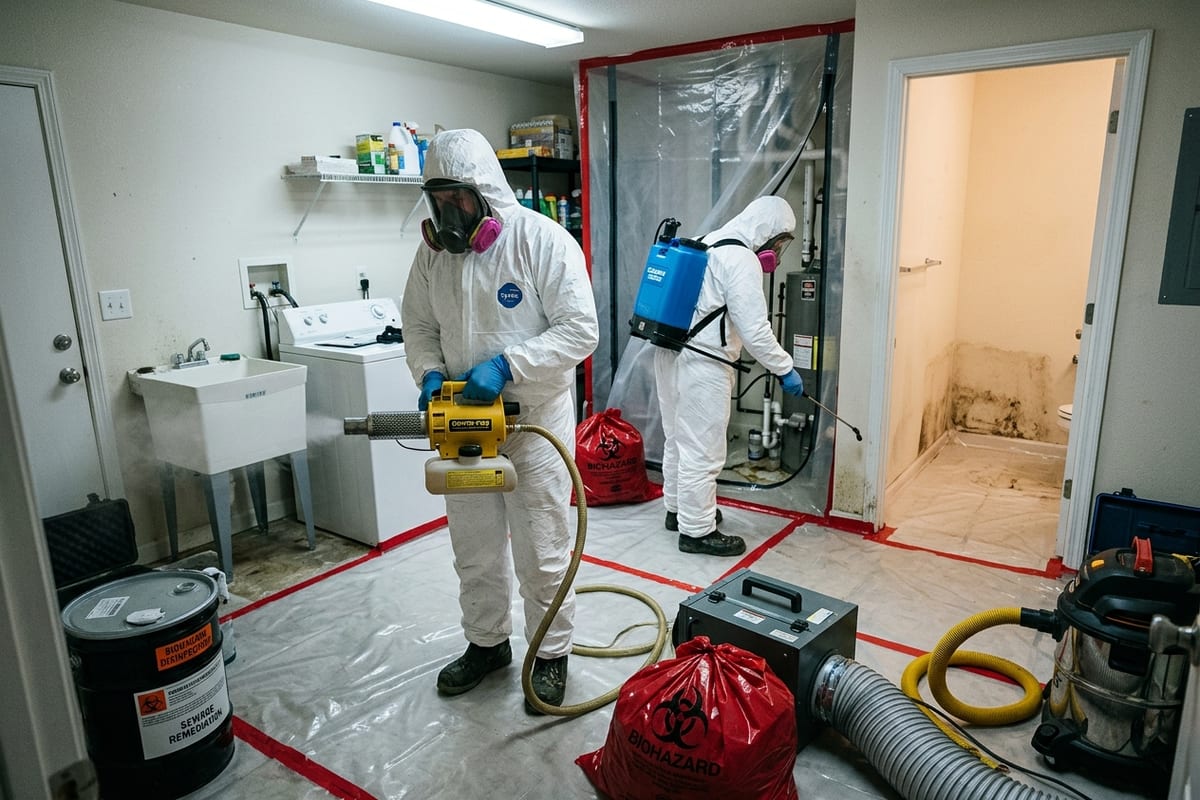
Sewage cleanup safely extracts hazardous Category 3 black water containing dangerous bacteria and pathogens, removes saturated porous building materials, and sanitizes contaminated surfaces with broad-spectrum disinfectants.
Check 45–60 Min Response Time for Your St. Louis ZIP Code
WaterRestore Pro dispatches IICRC-certified emergency teams across St. Louis City (Independent City) 24 hours a day, 365 days a year. Verify rapid on-site coverage for your postal code:
Check Your ZIP Code Coverage
Verify immediate 45–60 minute emergency water extraction dispatch across our 50-state nationwide coverage network.
Frequently Asked Questions in St. Louis, MO
How do you dry historic brick and stone basements in St. Louis?+
Historic masonry cellars in neighborhoods like Soulard cannot tolerate extreme heat or rapid desiccation. WaterRestore Pro balances airflow and humidity with commercial LGR dehumidifiers to extract moisture gradually without crumbling historic mortar.
What should St. Louis homeowners do if a sewer line backs up into the basement?+
Sewer backups contain dangerous biohazards (Category 3 black water). Disconnect electricity to basement circuits if safe, avoid contact with sewage, and call WaterRestore Pro immediately. We provide containment, extraction, and antimicrobial disinfection.
Does Missouri homeowners insurance cover water damage from frozen pipes?+
Yes, sudden freeze ruptures are covered under standard HO-3 policies provided the home was heated. WaterRestore Pro documents the loss with thermal imaging and submits certified Xactimate estimates directly to your carrier.
Nearby Communities We Serve:
Standing Water in Your Home? Minutes Count.
Emergency water extraction units are on call 24 hours a day across all major metropolitan service areas. Call now for priority dispatch.