Water Damage Restoration in Grand Forks, ND
Grand Forks is a major educational, healthcare, and research hub in the northern Red River Valley, home to the University of North Dakota (UND) and Grand Forks Air Force Base. Positioned at the confluence of the Red River of the North and the Red Lake River, Grand Forks features a mix of historic turn-of-the-century residences, university district rental properties, and contemporary developments along the southern corridor. Properties face acute water damage threats from historic Red River flood events, severe river ice damming, and extreme northern prairie winter freezes.
Grand Forks, ND Coverage Facts
- Jurisdiction
- Grand Forks County
- Target Response Time
- 45 to 60 Minutes On-Site
- Disaster Coverage
- 24/7, 365 Days a Year
- Covered ZIP Codes
- 58201, 58202, 58203
Housing Architecture & Water Risks in Grand Forks, ND
Grand Forks residential properties predominantly feature full poured concrete basements constructed to survive deep winter frost penetration. Much of the city was rebuilt or retrofitted with advanced floodproofing and check valves following the historic 1997 flood. However, older homes near downtown and the UND campus still possess aging clay sewer lines and vulnerable foundation cold joints. Sustained winter sub-zero temperatures dropping to -35°F cause rapid pipe freezing in unheated crawl spaces and exterior plumbing runs, while rapid spring meltwater overloads foundation perimeter drain tiles and sump pumps.
Key Local Restoration Issues in Grand Forks
Red River Basin Confluence Inundation
Spring runoff from the Red River and Red Lake River creates massive backwater pressure on municipal storm and sanitary sewer lines, triggering basement backups.
Arctic Freeze Pipe Ruptures in Student Housing & Residences
Severe sub-zero weather freezes uninsulated water lines in older homes, rental conversions, and student apartments, leading to sudden high-volume water losses.
Perimeter Drain Tile Siltation & Sump Pump Failures
Fine glacial lakebed silt infiltrates exterior foundation drain systems over time, reducing drainage efficiency and driving groundwater up through basement slabs.
Insurance Claim Documentation & Billing Guidelines in North Dakota
In North Dakota, water restoration insurance claims are overseen by the North Dakota Insurance Department under N.D.C.C. § 26.1-04-03. Carriers must acknowledge claim communications within 10 business days and process claims promptly. North Dakota property owners have the right to select an independent contractor. Crews provide thermal imaging of freeze ruptures and daily moisture logging for insurance reimbursement. North Dakota Insurance Department standards under N.D.C.C. § 26.1-04-03 require verifiable proof of loss for water damage mitigation. Technicians provide adjusters with initial thermal imaging scans, daily psychrometric drying logs, and calibrated moisture probe readings. Sudden pipe freezes and plumbing failures are photographed in detail. Invoices are prepared in Xactimate and billed directly to insurance carriers for prompt claim adjudication.
Policyholder Rights & Independent Contractor Selection in North Dakota
Under North Dakota insurance regulations, residential and commercial property owners maintain the full legal authority to hire any licensed, independent disaster restoration contractor of their choice. Insurance carriers and claims adjusters are prohibited from steering or mandating the use of preferred network vendors. WaterRestore Pro dispatches certified local mitigation specialists who adhere strictly to ANSI/IICRC S500 standards, recording daily psychrometric logs, moisture baselines, and thermal imaging scans. All repair scopes are compiled using standardized Xactimate line items and submitted directly to your insurance company, supporting direct carrier billing and protecting homeowners from upfront costs on covered peril claims.
Common Emergency Calls in Grand Forks
Local ProtocolWater Damage Restoration→
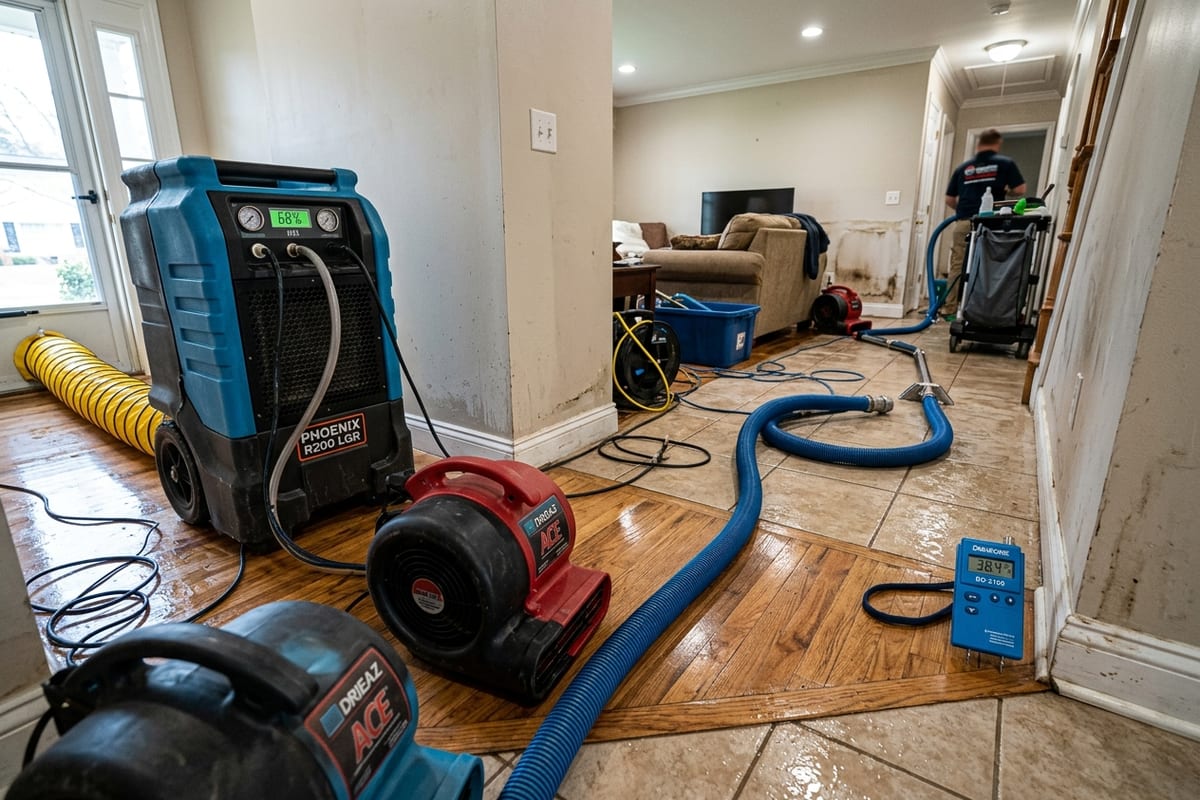
Professional water damage restoration stops progressive structural deterioration, extracts standing water with truck-mounted pumps, and dries internal wall cavities using industrial dehumidifiers within 72 hours to prevent hazardous mold growth.
 Local Protocol
Emergency Water Extraction→
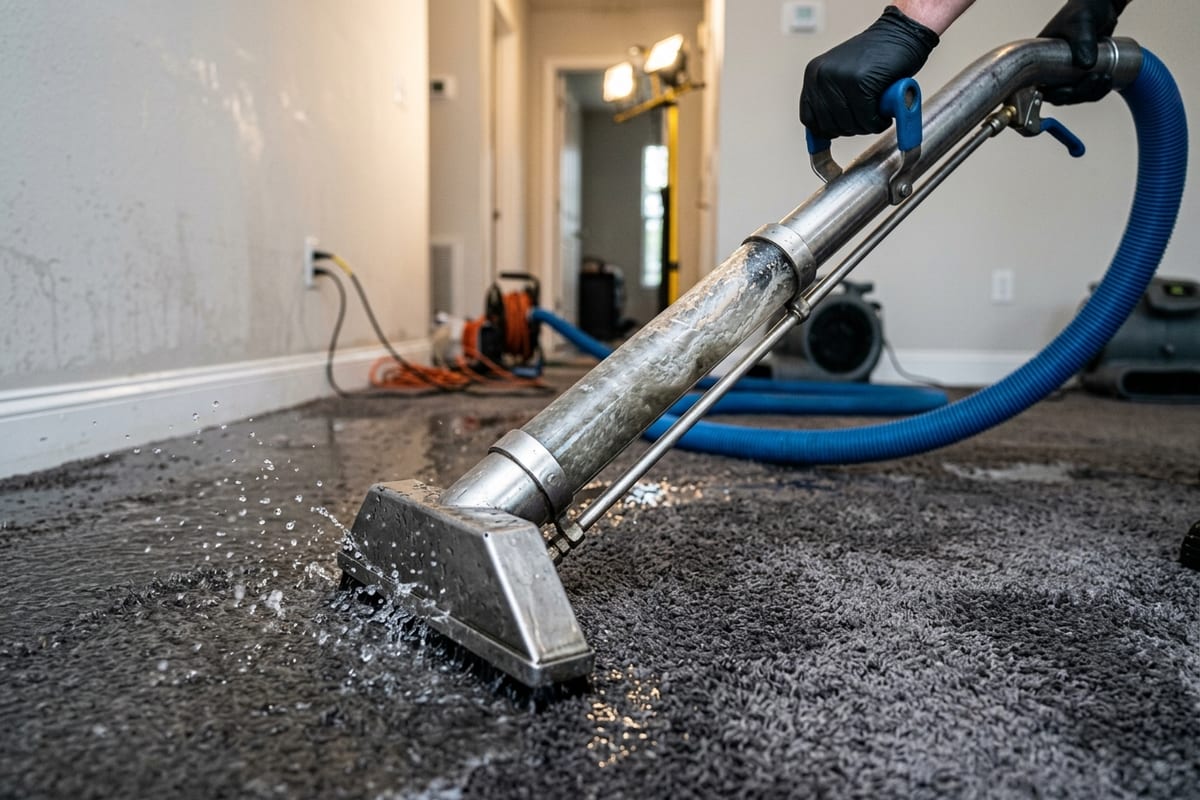
Emergency water extraction uses heavy-duty submersible pumps and truck-mounted vacuum units to physically extract hundreds of gallons of standing water per hour from flooded homes and businesses before structural framing absorbs it.
 Local Protocol
Burst & Frozen Pipe Cleanup→
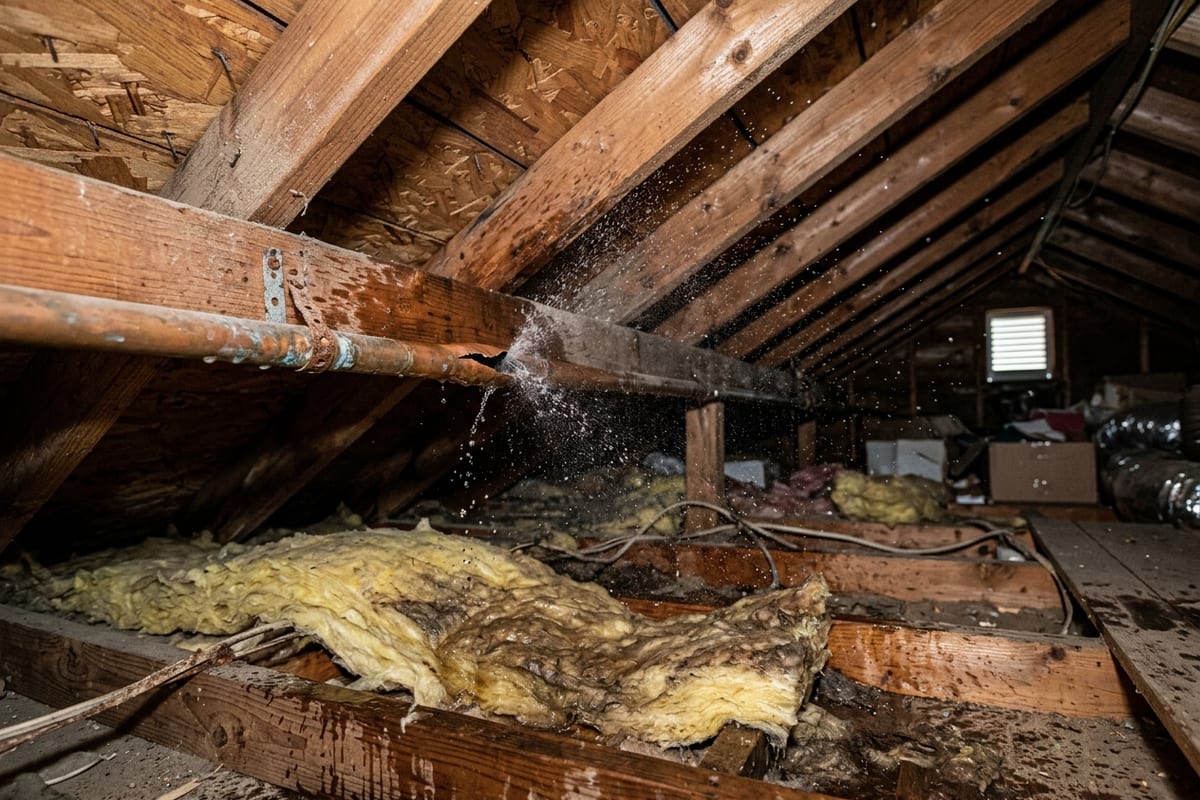
Burst pipe cleanup addresses high-pressure plumbing ruptures in attics, crawlspaces, and interior walls by immediately stopping water flow, extracting water cascading through ceilings, and drying framing to prevent structural rot.
Check 45–60 Min Response Time for Your Grand Forks ZIP Code
WaterRestore Pro dispatches IICRC-certified emergency teams across Grand Forks County 24 hours a day, 365 days a year. Verify rapid on-site coverage for your postal code:
Check Your ZIP Code Coverage
Verify immediate 45–60 minute emergency water extraction dispatch across our 50-state nationwide coverage network.
Frequently Asked Questions in Grand Forks, ND
What is the emergency response window for water damage in Grand Forks?+
Emergency water restoration crews are dispatched 24/7 across Grand Forks County, arriving within 45 to 60 minutes with industrial desiccant dehumidifiers and extractors.
How do freezing temperatures affect water damage mitigation in Grand Forks?+
When freezing pipes burst during sub-zero cold waves, restoration technicians must immediately install auxiliary indirect heating alongside commercial dehumidifiers to prevent structural freeze-up during the drying cycle.
Nearby Communities We Serve:
Standing Water in Your Home? Minutes Count.
Emergency water extraction units are on call 24 hours a day across all major metropolitan service areas. Call now for priority dispatch.