Water Damage Restoration in Grand Island, NE
Grand Island serves as the economic and agricultural hub of central Nebraska, positioned in the fertile Platte River valley and host to the annual Nebraska State Fair. Surrounded by irrigation canals and river channels, properties in Grand Island face substantial water threats from high river alluvial water tables, agricultural runoff surges, and severe sub-zero winter pipe freeze emergencies.
Grand Island, NE Coverage Facts
- Jurisdiction
- Hall County
- Target Response Time
- 45 to 60 Minutes On-Site
- Disaster Coverage
- 24/7, 365 Days a Year
- Covered ZIP Codes
- 68801, 68803
Housing Architecture & Water Risks in Grand Island, NE
Grand Island features a diverse mix of mid-century single-story ranches, historic Craftsman homes near downtown, and expanding residential subdivisions along the Highway 281 corridor. Due to the proximity of the Platte River and Wood River, the local water table is exceptionally shallow, often lying within just a few feet of the surface during spring snowmelt periods. As a result, residential basements experience intense continuous hydrostatic pressure, resulting in frequent sump pump failures, floor drain backups, and moisture seepage through masonry joints that requires industrial dehumidification.
Key Local Restoration Issues in Grand Island
Platte & Wood River High Alluvial Groundwater Hydrostatic Pressure
Spring runoff elevates valley water tables, putting immense hydrostatic pressure on basement concrete floors and causing persistent sump pump overloads.
Winter Sub-Zero Freeze Supply Line Blowouts
Sustained sub-zero Arctic cold waves freeze exposed residential plumbing lines in utility rooms, crawl spaces, and exterior walls, triggering massive indoor flooding.
Convective Summer Storm Street Flooding & Sewer Backups
Severe Great Plains thunderstorms overwhelm municipal storm drains, forcing contaminated storm and wastewater into residential basements.
Insurance Claim Documentation & Billing Guidelines in Nebraska
Nebraska water damage claims fall under the Nebraska Department of Insurance (NDOI) pursuant to Neb. Rev. Stat. § 44-1540. Carriers must acknowledge claims within 15 calendar days and accept or deny coverage within 30 days. Nebraska homeowners are entitled to select their own restoration contractor. Technicians provide photo documentation, moisture tracking logs, and itemized Xactimate billing to insurance carriers. Under Nebraska Department of Insurance (NDOI) oversight pursuant to Neb. Rev. Stat. § 44-1540, water mitigation claims require detailed technical drying records. Restoration specialists provide daily psychrometric logs, thermal imaging scans, and moisture probe baselines for basement framing and drywall. Winter freeze breaks are documented with high-resolution photos. Scopes are submitted in Xactimate directly to carriers for direct billing.
Policyholder Rights & Independent Contractor Selection in Nebraska
Under Nebraska insurance regulations, residential and commercial property owners maintain the full legal authority to hire any licensed, independent disaster restoration contractor of their choice. Insurance carriers and claims adjusters are prohibited from steering or mandating the use of preferred network vendors. WaterRestore Pro dispatches certified local mitigation specialists who adhere strictly to ANSI/IICRC S500 standards, recording daily psychrometric logs, moisture baselines, and thermal imaging scans. All repair scopes are compiled using standardized Xactimate line items and submitted directly to your insurance company, supporting direct carrier billing and protecting homeowners from upfront costs on covered peril claims.
Common Emergency Calls in Grand Island
Local ProtocolWater Damage Restoration→
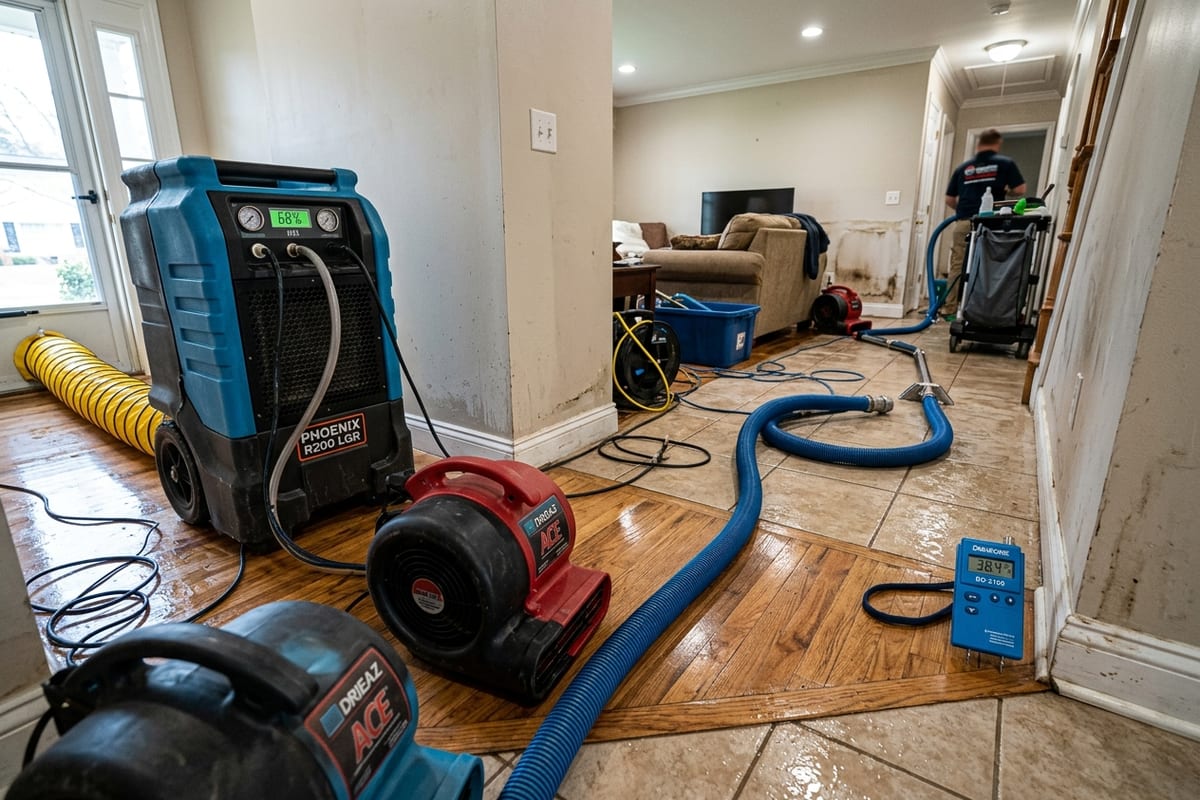
Professional water damage restoration stops progressive structural deterioration, extracts standing water with truck-mounted pumps, and dries internal wall cavities using industrial dehumidifiers within 72 hours to prevent hazardous mold growth.
 Local Protocol
Emergency Water Extraction→
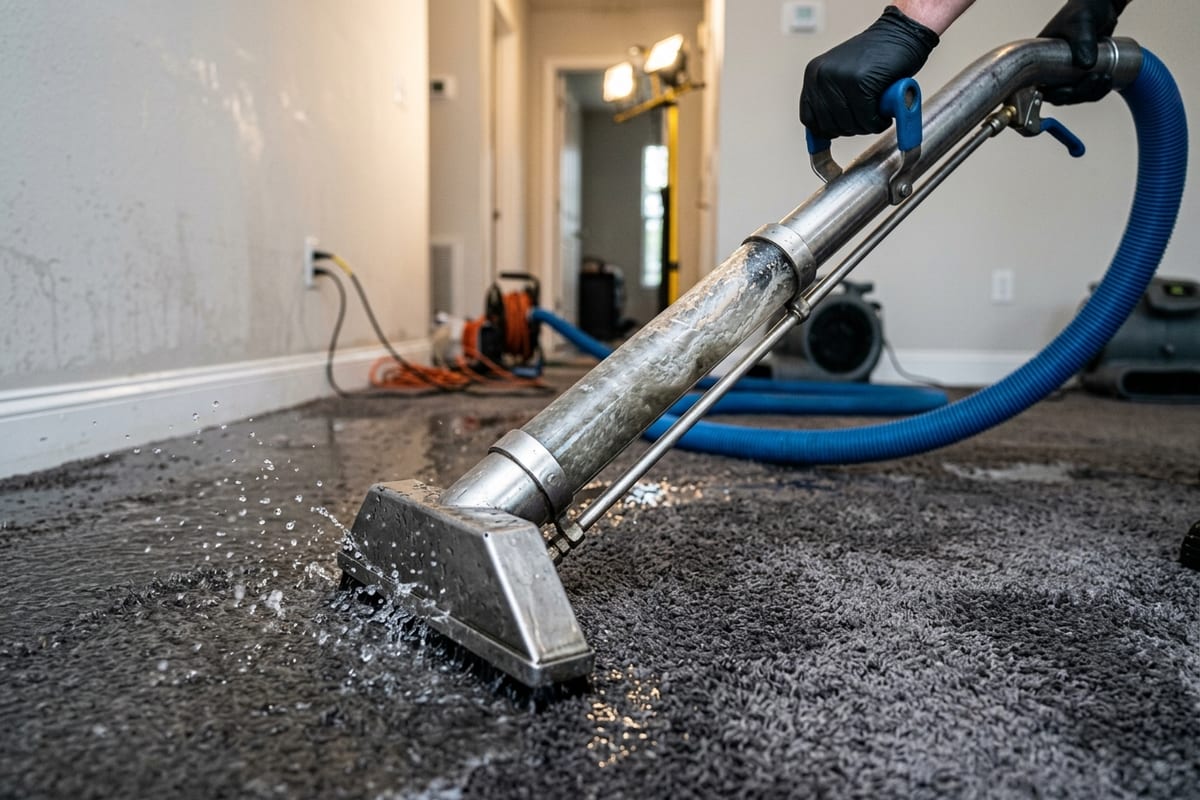
Emergency water extraction uses heavy-duty submersible pumps and truck-mounted vacuum units to physically extract hundreds of gallons of standing water per hour from flooded homes and businesses before structural framing absorbs it.
 Local Protocol
Burst & Frozen Pipe Cleanup→
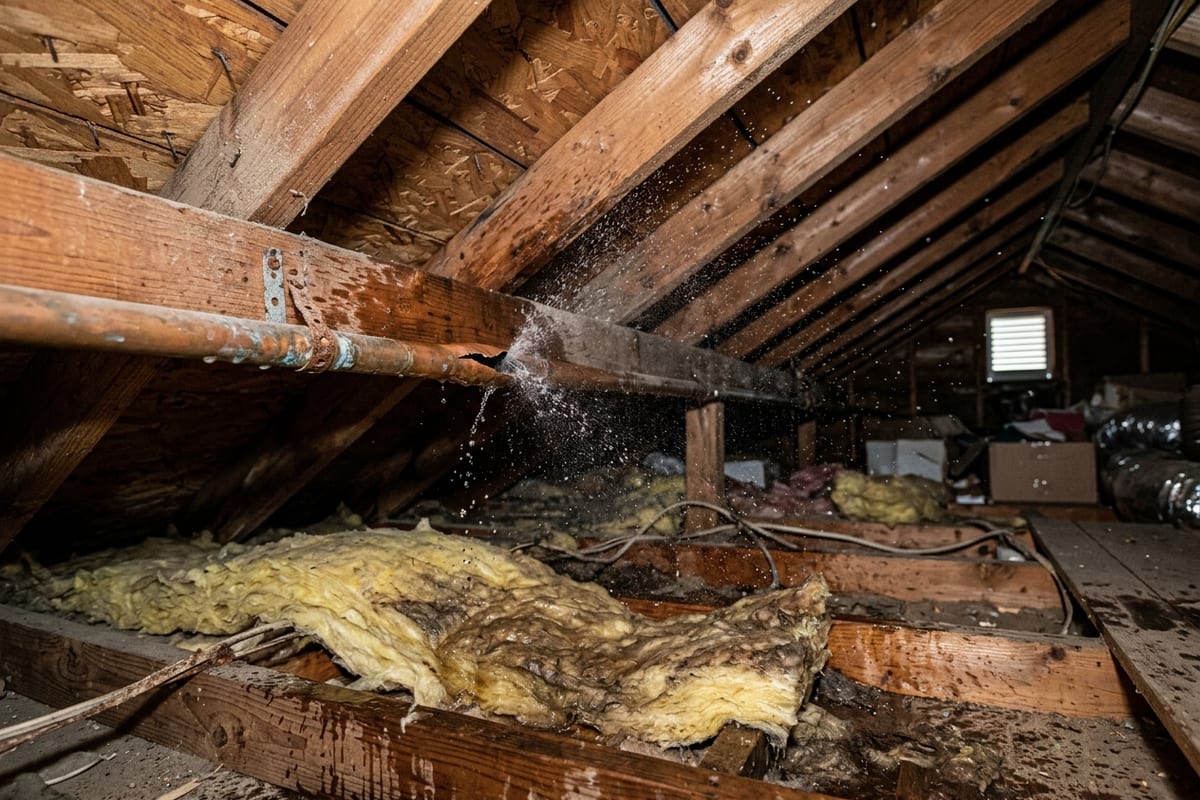
Burst pipe cleanup addresses high-pressure plumbing ruptures in attics, crawlspaces, and interior walls by immediately stopping water flow, extracting water cascading through ceilings, and drying framing to prevent structural rot.
 Local Protocol
Sewage Backup & Biohazard Cleanup→
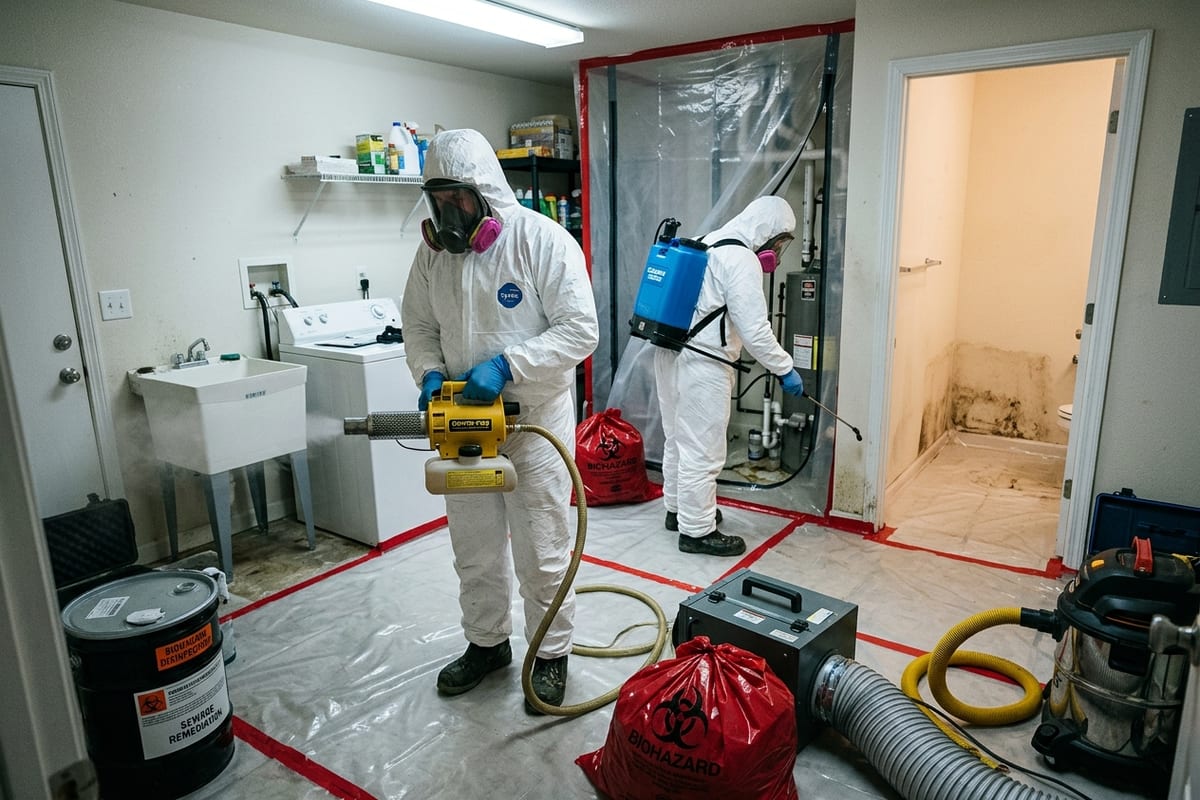
Sewage cleanup safely extracts hazardous Category 3 black water containing dangerous bacteria and pathogens, removes saturated porous building materials, and sanitizes contaminated surfaces with broad-spectrum disinfectants.
Check 45–60 Min Response Time for Your Grand Island ZIP Code
WaterRestore Pro dispatches IICRC-certified emergency teams across Hall County 24 hours a day, 365 days a year. Verify rapid on-site coverage for your postal code:
Check Your ZIP Code Coverage
Verify immediate 45–60 minute emergency water extraction dispatch across our 50-state nationwide coverage network.
Frequently Asked Questions in Grand Island, NE
How fast do emergency water restoration crews respond in Grand Island?+
Certified restoration technicians are stationed locally in Hall County, providing 24/7 emergency dispatch within 45 to 60 minutes.
Can damp basement walls in Grand Island cause hazardous mold growth?+
Yes, elevated basement moisture creates ideal conditions for mold colonization within 24 to 48 hours; rapid commercial dehumidification and antimicrobial treatments prevent microbial spread.
Nearby Communities We Serve:
Standing Water in Your Home? Minutes Count.
Emergency water extraction units are on call 24 hours a day across all major metropolitan service areas. Call now for priority dispatch.