Water Damage Restoration in Omaha, NE
Omaha is Nebraska's largest economic hub and cultural metropolis, anchored along the west bank of the Missouri River. Spanning historic riverside neighborhoods in the Old Market and Dundee to sprawling contemporary residential subdivisions across West Omaha, local properties face substantial moisture perils from Missouri River spring ice jams, Little Papillion Creek flash flooding, and extreme winter sub-zero pipe fractures.
Omaha, NE Coverage Facts
- Jurisdiction
- Douglas County
- Target Response Time
- 45 to 60 Minutes On-Site
- Disaster Coverage
- 24/7, 365 Days a Year
- Covered ZIP Codes
- 68102, 68104, 68105, 68114, 68124, 68134, 68154, 68164
Housing Architecture & Water Risks in Omaha, NE
Omaha's housing stock ranges from century-old Victorian, Tudor Revival, and Craftsman residences in the Gold Coast, Midtown, and Benson to 1960s split-levels in Central Omaha and modern master-planned multi-story homes in Millard and Elkhorn. Nearly all Omaha homes feature deep concrete block or poured foundation basements designed to resist deep winter ground freezing. However, the region's expansive loess clay soils expand and contract dramatically between wet springs and dry summers, exerting intense lateral hydrostatic pressure against subterranean basement walls that causes structural cracking, floor-seam seepage, and sump pump overloads. When sub-zero polar air masses stall over Douglas County, plumbing supply lines along unconditioned basement rim joists and exterior walls freeze rapidly, necessitating immediate structural desiccation and commercial LGR dehumidification.
Key Local Restoration Issues in Omaha
Little Papillion Creek & Missouri River Basin Inundation
Rapid spring snowmelt and severe convective thunderstorms overwhelm local drainage networks, causing severe basement floor backflows and foundation wall water penetration.
Sub-Zero Polar Vortex Domestic Supply Pipe Bursts
Prolonged winter temperatures plunging below -10°F freeze domestic copper and PEX plumbing lines along perimeter rim joists, triggering high-volume indoor flooding upon thawing.
Loess Prairie Clay Soil Shifting & Basement Hydrostatic Cracks
Heavy spring moisture causes deep clay soils to swell against masonry basement walls, pushing groundwater through foundation mortar joints and structural floor seams.
Regional Climate & Weather Risks in Omaha
Geology, Soil & Foundation Dynamics in Omaha
Building Stock & Primary Dispatch Triggers in Omaha
Historic brick and frame residences in Dundee, mid-century ranch homes with full basements, and sprawling modern multi-level suburban construction.
- •Severe winter pipe freezes bursting copper and PEX lines in exterior walls
- •Basement wall seepage and sump pump failures during spring snowmelt and rains
- •Missouri River tributary watershed flash flooding and urban sewer backups
- •Water heater and water softener failures in finished basement utility rooms
Local Water & Infrastructure Profile: Omaha
Local Response & Property Access Protocols in Omaha
Insurance Claim Documentation & Billing Guidelines in Nebraska
Nebraska water damage claims fall under the Nebraska Department of Insurance (NDOI) pursuant to Neb. Rev. Stat. § 44-1540. Carriers must acknowledge claims within 15 calendar days and accept or deny coverage within 30 days. Nebraska homeowners are entitled to select their own restoration contractor. Technicians provide photo documentation, moisture tracking logs, and itemized Xactimate billing to insurance carriers. Under Nebraska Department of Insurance (NDOI) oversight pursuant to Neb. Rev. Stat. § 44-1540, water mitigation claims require detailed technical drying records. Restoration specialists provide daily psychrometric logs, thermal imaging scans, and moisture probe baselines for basement framing and drywall. Winter freeze breaks are documented with high-resolution photos. Scopes are submitted in Xactimate directly to carriers for direct billing.
Policyholder Rights & Independent Contractor Selection in Nebraska
Under Nebraska insurance regulations, residential and commercial property owners maintain the full legal authority to hire any licensed, independent disaster restoration contractor of their choice. Insurance carriers and claims adjusters are prohibited from steering or mandating the use of preferred network vendors. WaterRestore Pro dispatches certified local mitigation specialists who adhere strictly to ANSI/IICRC S500 standards, recording daily psychrometric logs, moisture baselines, and thermal imaging scans. All repair scopes are compiled using standardized Xactimate line items and submitted directly to your insurance company, supporting direct carrier billing and protecting homeowners from upfront costs on covered peril claims.
Common Emergency Calls in Omaha
Local ProtocolWater Damage Restoration→
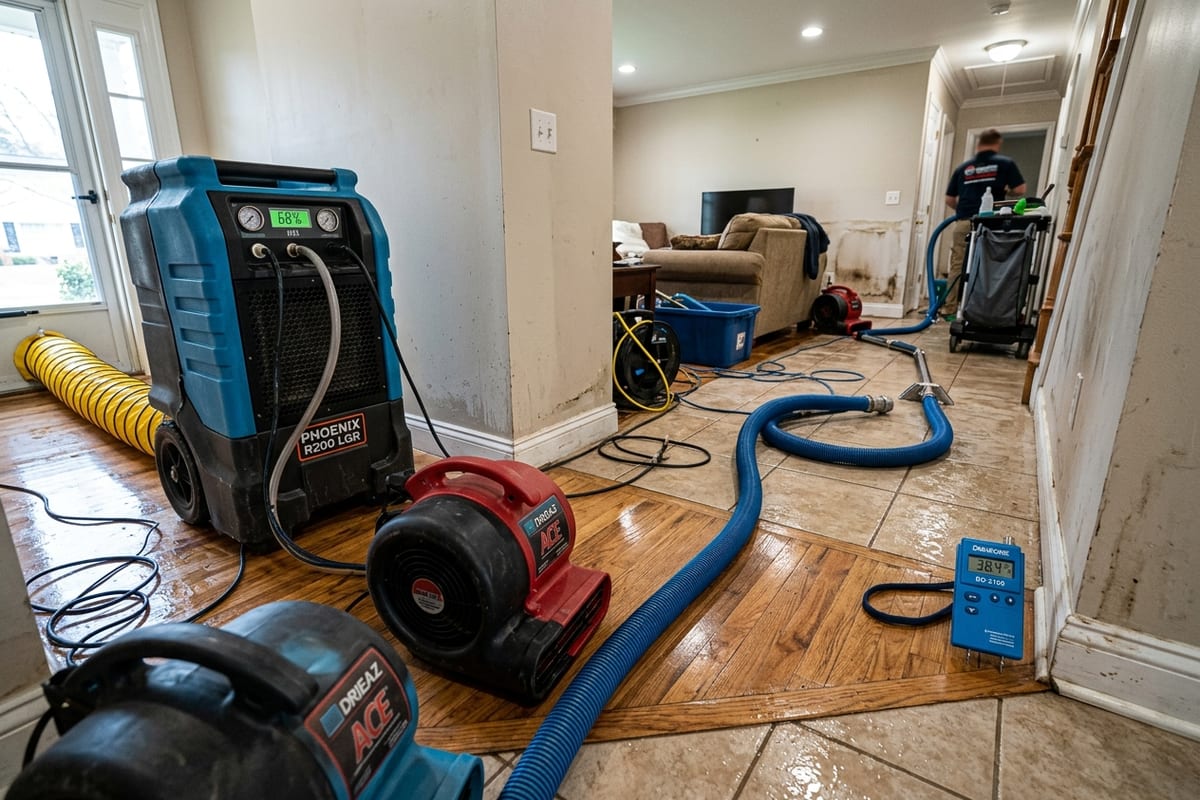
Professional water damage restoration stops progressive structural deterioration, extracts standing water with truck-mounted pumps, and dries internal wall cavities using industrial dehumidifiers within 72 hours to prevent hazardous mold growth.
 Local Protocol
Emergency Water Extraction→
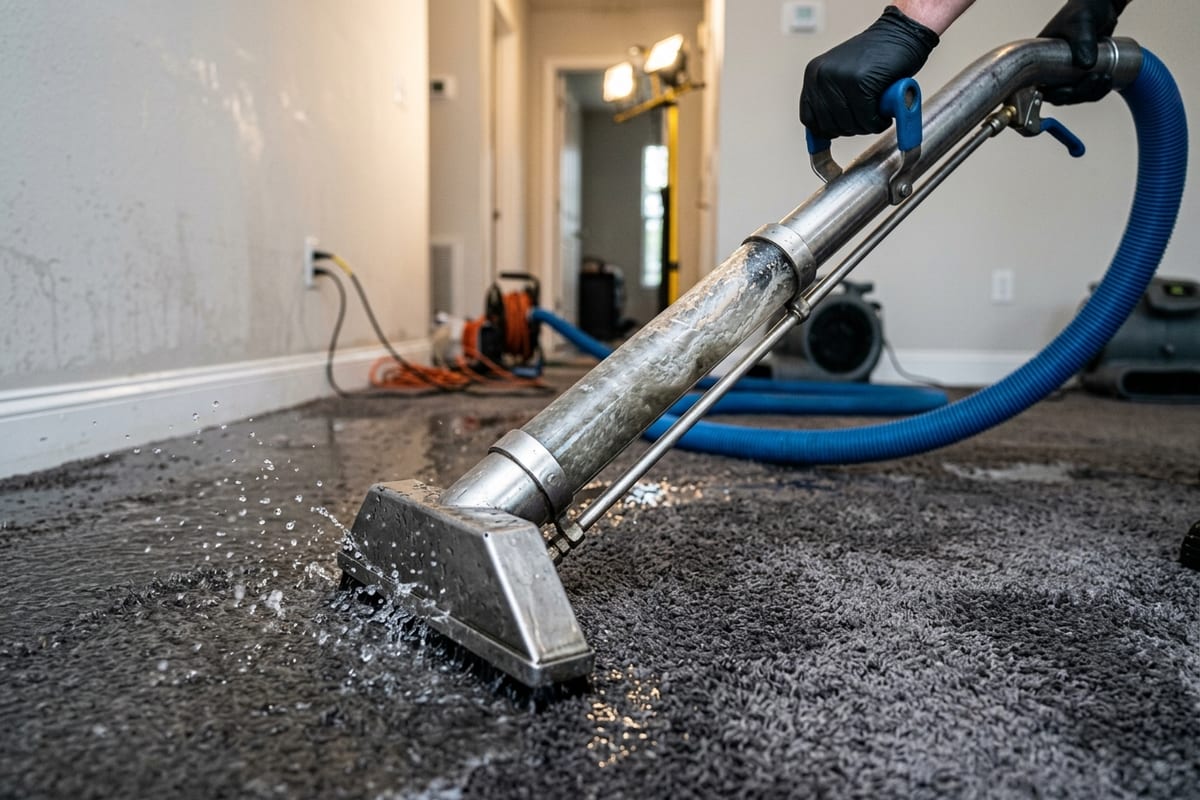
Emergency water extraction uses heavy-duty submersible pumps and truck-mounted vacuum units to physically extract hundreds of gallons of standing water per hour from flooded homes and businesses before structural framing absorbs it.
 Local Protocol
Burst & Frozen Pipe Cleanup→
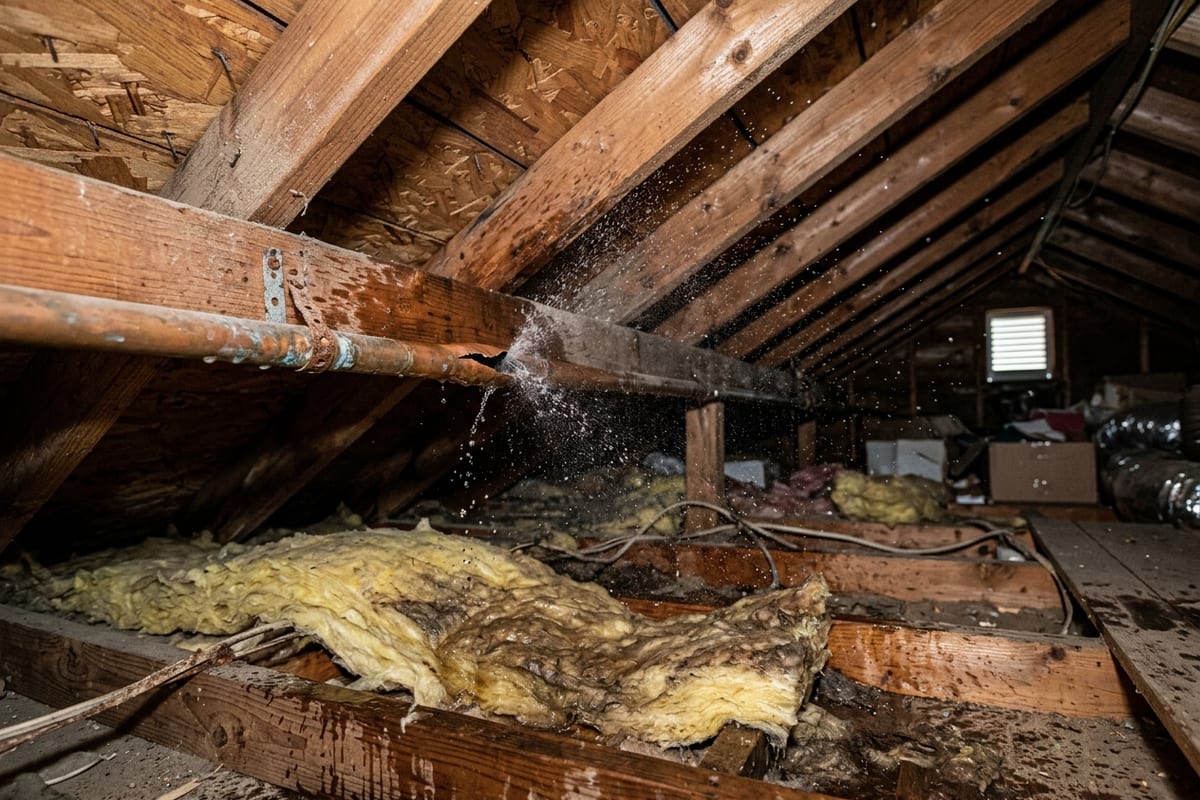
Burst pipe cleanup addresses high-pressure plumbing ruptures in attics, crawlspaces, and interior walls by immediately stopping water flow, extracting water cascading through ceilings, and drying framing to prevent structural rot.
Check 45–60 Min Response Time for Your Omaha ZIP Code
WaterRestore Pro dispatches IICRC-certified emergency teams across Douglas County 24 hours a day, 365 days a year. Verify rapid on-site coverage for your postal code:
Check Your ZIP Code Coverage
Verify immediate 45–60 minute emergency water extraction dispatch across our 50-state nationwide coverage network.
Frequently Asked Questions in Omaha, NE
How do you dry frozen pipe breaks in Omaha homes during sub-zero weather?+
When exterior walls reach sub-zero temperatures, water pipes freeze and split. Upon thawing, gallons of water flood living areas. WaterRestore Pro uses emergency heated extraction techniques and commercial LGR dehumidifiers to dry walls and floors even during severe winter weather.
What causes basement flooding during Omaha's spring snowmelts?+
Rapid melting of heavy winter snow combined with spring rains supersaturates loess soil, overwhelming perimeter footing drains and sump pumps. WaterRestore Pro deploys commercial submersible extraction units, sanitizes structural materials, and operates high-velocity air movers.
Does Nebraska homeowners insurance cover basement water damage?+
Sudden interior plumbing failures are covered by standard policies. Sump pump failure and surface water require specific endorsements. We provide certified moisture documentation to clearly verify covered peril causes for your adjuster.
Nearby Communities We Serve:
Standing Water in Your Home? Minutes Count.
Emergency water extraction units are on call 24 hours a day across all major metropolitan service areas. Call now for priority dispatch.