Water Damage Restoration in Las Cruces, NM
Las Cruces is New Mexico's second-largest city and the cultural jewel of the Mesilla Valley, framed by the dramatic jagged peaks of the Organ Mountains along the Rio Grande, home to New Mexico State University (NMSU). Featuring historic adobe architecture in Old Mesilla, established mid-century neighborhoods, and expanding foothill subdivisions, Las Cruces properties face acute water risks from summer monsoon flash floods, shifting caliche slab leaks, and irrigation canal surcharges.
Las Cruces, NM Coverage Facts
- Jurisdiction
- Doña Ana County
- Target Response Time
- 45 to 60 Minutes On-Site
- Disaster Coverage
- 24/7, 365 Days a Year
- Covered ZIP Codes
- 88001, 88005, 88007, 88011, 88012
Housing Architecture & Water Risks in Las Cruces, NM
Las Cruces features historic thick-walled adobe homes in Old Mesilla, mid-century brick ranches near NMSU, and modern master-planned stucco subdivisions in Sonoma Ranch and the East Mesa. Most homes are built on concrete slab foundations poured over dense, cementitious caliche subsoils. The city's geography between the Organ Mountains and the Rio Grande creates severe flash flood paths through desert arroyos during summer monsoon downpours. High-velocity surface runoff rushes down the East Mesa into residential areas, while caliche subsoils heave when wet and crack concrete slabs, rupturing under-slab water lines and causing hidden indoor flooding.
Key Local Restoration Issues in Las Cruces
Organ Mountain East Mesa Monsoon Flash Flooding
Intense monsoon cloudbursts rush down Organ Mountain canyons into East Mesa arroyos, overflowing streets and flooding residential living rooms.
Caliche Subsoil Ground Heave & Slab Plumbing Fractures
Hard caliche subsoils shift under moisture variations, causing concrete slab cracking and severing pressurized copper water supply lines.
Mesilla Valley Agricultural Canal Groundwater Infiltration
Irrigation canal filling elevates local water tables, pushing moisture through foundation perimeters in historic low-lying adobe homes.
Insurance Claim Documentation & Billing Guidelines in New Mexico
In New Mexico, water restoration insurance claims are regulated by the Office of Superintendent of Insurance (OSI) under NMSA 1978 § 59A-16-20 and 13.10.17 NMAC. Insurers must acknowledge claims within 15 calendar days and decide claims within 30 days of receiving proofs of loss. New Mexico policyholders have the right to hire an independent contractor. Teams supply thermal imaging moisture surveys and daily psychrometric logs for insurance settlement. New Mexico Office of Superintendent of Insurance (OSI) regulations under NMSA 1978 § 59A-16-20 govern the substantiation of property water claims. Certified crews supply daily psychrometric drying charts, thermal imaging moisture maps, and moisture probe baselines for all affected structural framing. Itemized Xactimate documentation is submitted directly to insurance adjusters to support direct carrier reimbursement and ensure fair settlement.
Policyholder Rights & Independent Contractor Selection in New Mexico
Under New Mexico insurance regulations, residential and commercial property owners maintain the full legal authority to hire any licensed, independent disaster restoration contractor of their choice. Insurance carriers and claims adjusters are prohibited from steering or mandating the use of preferred network vendors. WaterRestore Pro dispatches certified local mitigation specialists who adhere strictly to ANSI/IICRC S500 standards, recording daily psychrometric logs, moisture baselines, and thermal imaging scans. All repair scopes are compiled using standardized Xactimate line items and submitted directly to your insurance company, supporting direct carrier billing and protecting homeowners from upfront costs on covered peril claims.
Common Emergency Calls in Las Cruces
Local ProtocolWater Damage Restoration→
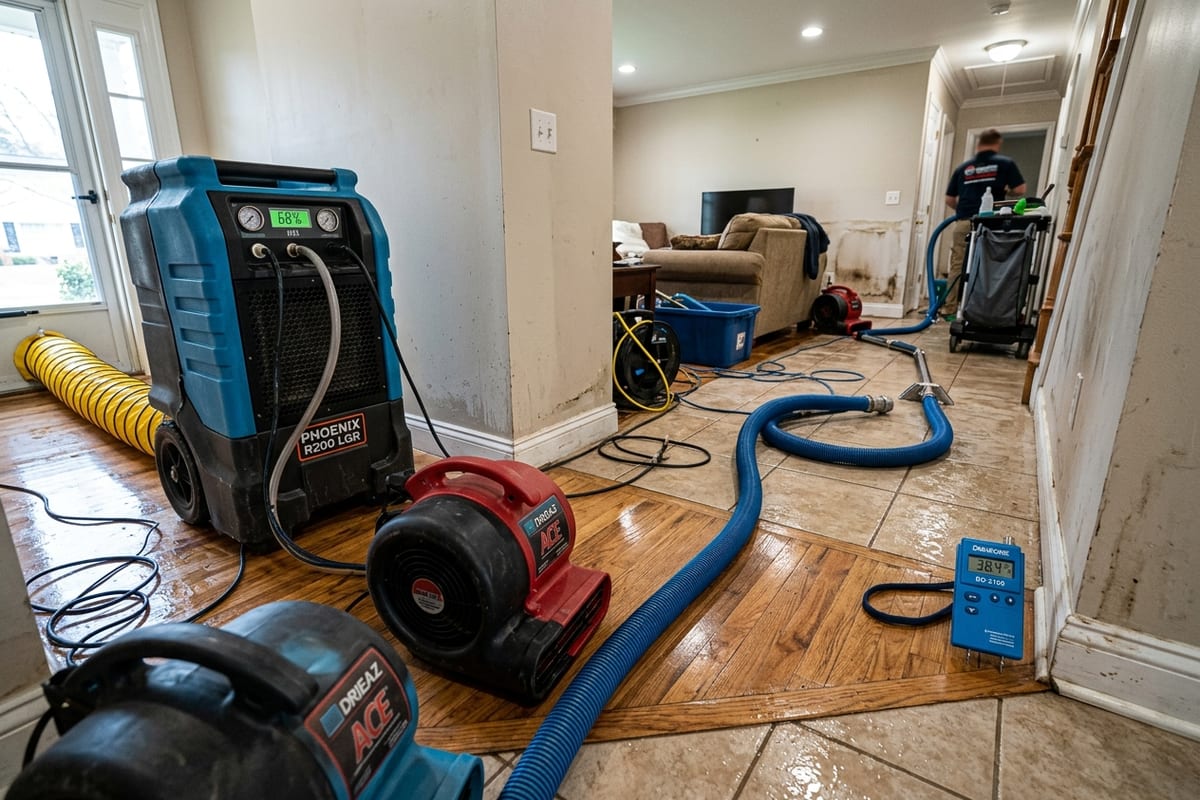
Professional water damage restoration stops progressive structural deterioration, extracts standing water with truck-mounted pumps, and dries internal wall cavities using industrial dehumidifiers within 72 hours to prevent hazardous mold growth.
 Local Protocol
Emergency Water Extraction→
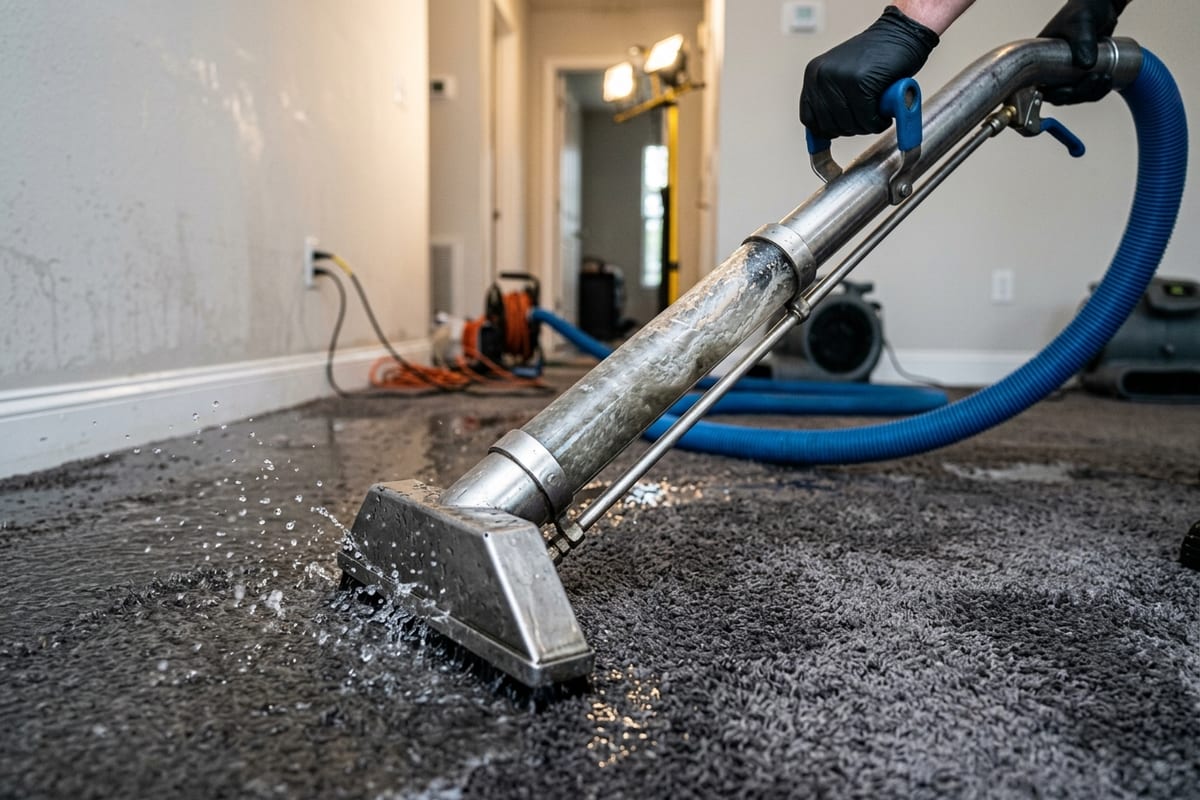
Emergency water extraction uses heavy-duty submersible pumps and truck-mounted vacuum units to physically extract hundreds of gallons of standing water per hour from flooded homes and businesses before structural framing absorbs it.
 Local Protocol
Slab Leak Water Damage Cleanup→
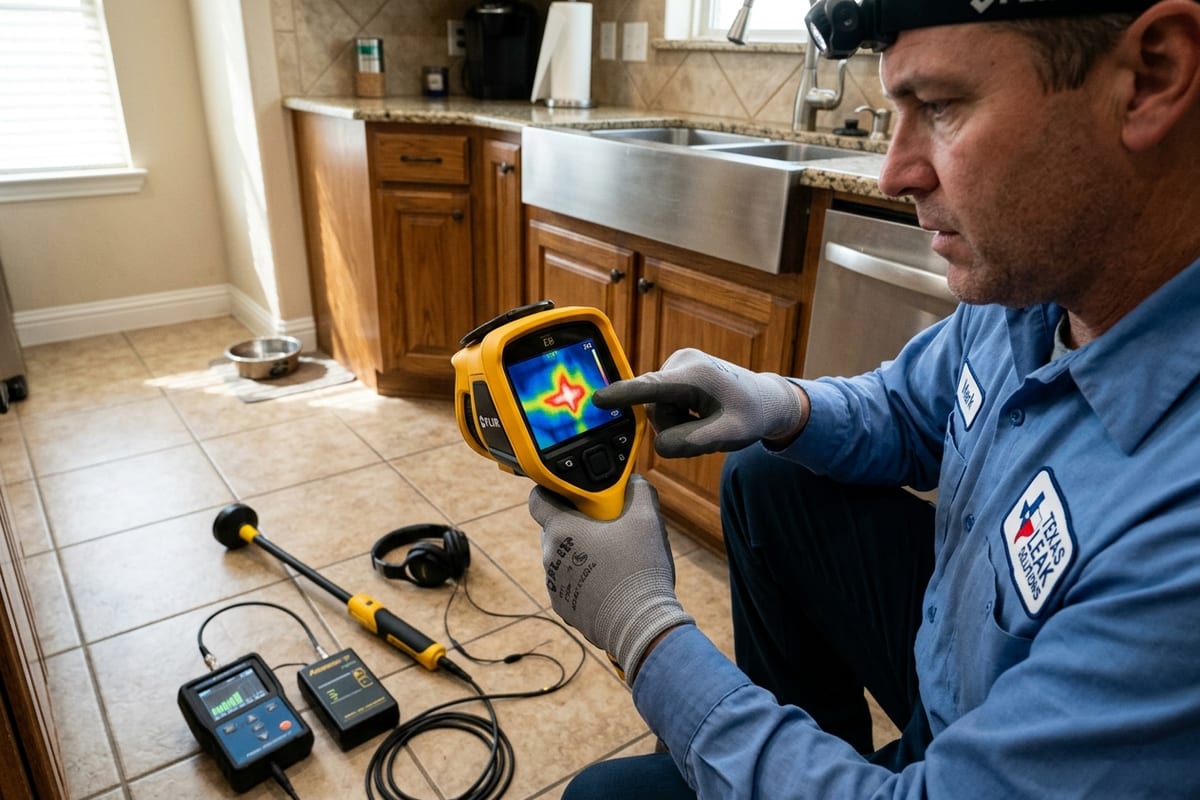
Slab leak water damage restoration extracts water migrating up through concrete foundation cracks into floors, baseboards, and walls, utilizing specialized desiccant dehumidifiers and drying mats to restore subfloor framing.
 Local Protocol
Mold Remediation & Removal→
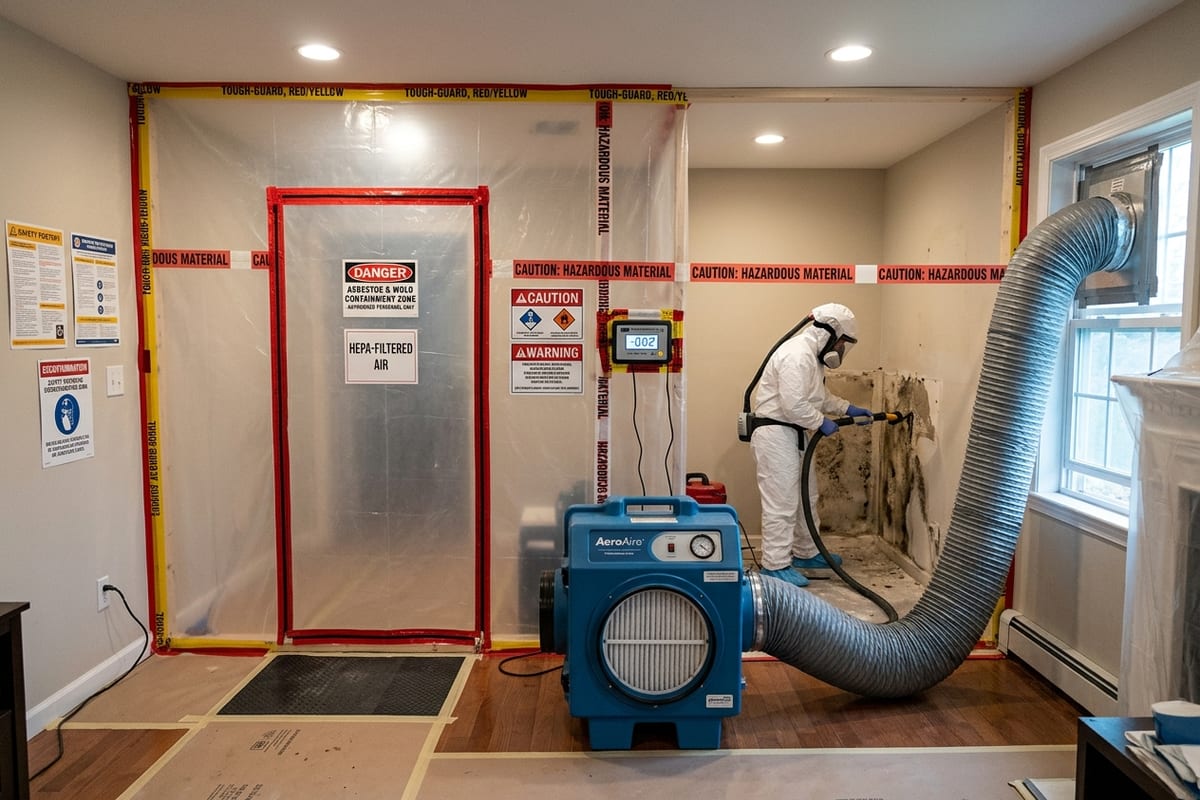
Certified mold remediation isolates active fungal colonies under negative air pressure, safely removes colonized building materials, and purifies indoor air with HEPA scrubbers to eliminate mycotoxins and prevent recurrence.
Check 45–60 Min Response Time for Your Las Cruces ZIP Code
WaterRestore Pro dispatches IICRC-certified emergency teams across Doña Ana County 24 hours a day, 365 days a year. Verify rapid on-site coverage for your postal code:
Check Your ZIP Code Coverage
Verify immediate 45–60 minute emergency water extraction dispatch across our 50-state nationwide coverage network.
Frequently Asked Questions in Las Cruces, NM
How quickly do emergency water extraction crews respond in Las Cruces?+
Certified emergency response teams operate 24 hours a day across Doña Ana County, arriving on-site within 45 to 60 minutes with high-volume extraction vehicles.
How do technicians dry saturated adobe and stucco in Las Cruces?+
Specialists use non-invasive moisture meters, infrared thermal cameras, and controlled low-grain refrigerant dehumidification to dry adobe walls without structural crumbling.
Nearby Communities We Serve:
Standing Water in Your Home? Minutes Count.
Emergency water extraction units are on call 24 hours a day across all major metropolitan service areas. Call now for priority dispatch.