Water Damage Restoration in Niagara Falls, NY
Niagara Falls is a world-famous city located on the Niagara River in Western New York, bordering Ontario, Canada. From historic residential neighborhoods near the river gorge to suburban communities in LaSalle and Hyde Park, the city is shaped by heavy river humidity, severe lake-effect winter storms off Lake Erie, and high regional groundwater tables that frequently cause basement flooding and burst pipe emergencies.
Niagara Falls, NY Coverage Facts
- Jurisdiction
- Niagara County
- Target Response Time
- 45 to 60 Minutes On-Site
- Disaster Coverage
- 24/7, 365 Days a Year
- Covered ZIP Codes
- 14301, 14302, 14303, 14304, 14305
Housing Architecture & Water Risks in Niagara Falls, NY
Residential inventory consists of early 20th-century bungalows, brick colonials, and mid-century ranches constructed over stone or concrete basements. Constant proximity to the Niagara River gorge maintains elevated ambient moisture levels and high groundwater tables that exert strong lateral hydrostatic pressure against foundation walls. Severe winter cold snaps drop temperatures into single digits, freezing exposed domestic water lines in unheated crawl spaces and exterior walls, requiring industrial extraction and high-capacity dehumidification.
Key Local Restoration Issues in Niagara Falls
Niagara River Watershed Groundwater Hydrostatic Seepage
Saturated soils near the river basin push water through basement floor cracks and mortar joints during heavy rainstorms, flooding basement utility rooms.
Severe Lake-Effect Blizzard Plumbing Freeze Bursts
Frigid Arctic winds blowing across Lake Erie and the Niagara Gorge freeze uninsulated copper pipes in drafty basements, causing catastrophic water leaks upon thawing.
Stormwater Drainage Overloads in Low-Elevation Neighborhoods
Heavy convective downpours overwhelm localized storm sewer lines, backing up surface water into sunken driveways and residential daylight basements.
Insurance Claim Documentation & Billing Guidelines in New York
New York property damage insurance claims operate under 11 NYCRR Part 216 (Regulation 64) administered by the New York State Department of Financial Services (DFS). Under New York regulatory standards, insurers are required to acknowledge notification of a claim within 15 calendar days and provide all relevant claim forms and instructions. Once a properly executed proof of loss and itemized mitigation report is submitted, carriers must accept or reject the claim within 15 business days. New York insurance law protects consumer autonomy, allowing residential and commercial property owners to choose their preferred restoration contractor without carrier penalty. Because New York's aging building infrastructure frequently presents multi-family plumbing risers, steam radiator leaks, and frozen exterior pipe runs, adjusters demand exhaustive proof that the moisture event was sudden and accidental. Professional restoration crews furnish comprehensive moisture mapping, FLIR infrared thermal inspections, itemized Xactimate breakdowns, and daily dry chamber readings to facilitate rapid carrier approval and direct insurance billing. Under New York State Department of Financial Services (DFS) 11 NYCRR Part 216 standards, claims adjusters require rigorous verification separating sudden accidental water discharge from pre-existing moisture or deferred maintenance. Restoration contractors assemble an itemized Xactimate mitigation package including pre-mitigation infrared thermal maps, daily psychrometric drying logs, and moisture meter readings taken from flooring, baseplates, and plaster assemblies. In multi-family pre-war buildings and commercial properties, vertical moisture migration along mechanical chases is thoroughly documented with high-resolution photography. Direct insurance billing is established to ensure prompt carrier settlement and minimize out-of-pocket disruption for New York homeowners and building managers.
Policyholder Rights & Independent Contractor Selection in New York
Under New York insurance regulations, residential and commercial property owners maintain the full legal authority to hire any licensed, independent disaster restoration contractor of their choice. Insurance carriers and claims adjusters are prohibited from steering or mandating the use of preferred network vendors. WaterRestore Pro dispatches certified local mitigation specialists who adhere strictly to ANSI/IICRC S500 standards, recording daily psychrometric logs, moisture baselines, and thermal imaging scans. All repair scopes are compiled using standardized Xactimate line items and submitted directly to your insurance company, supporting direct carrier billing and protecting homeowners from upfront costs on covered peril claims.
Common Emergency Calls in Niagara Falls
Local ProtocolWater Damage Restoration→
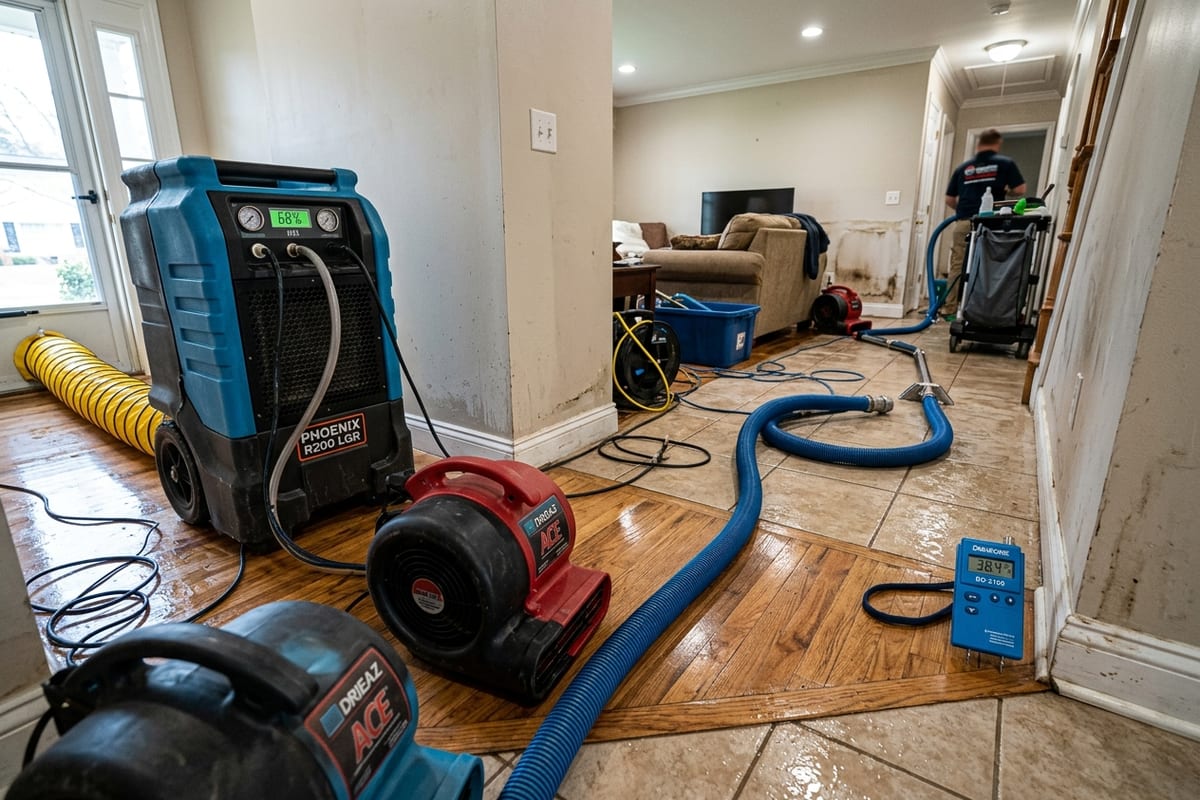
Professional water damage restoration stops progressive structural deterioration, extracts standing water with truck-mounted pumps, and dries internal wall cavities using industrial dehumidifiers within 72 hours to prevent hazardous mold growth.
 Local Protocol
Emergency Water Extraction→
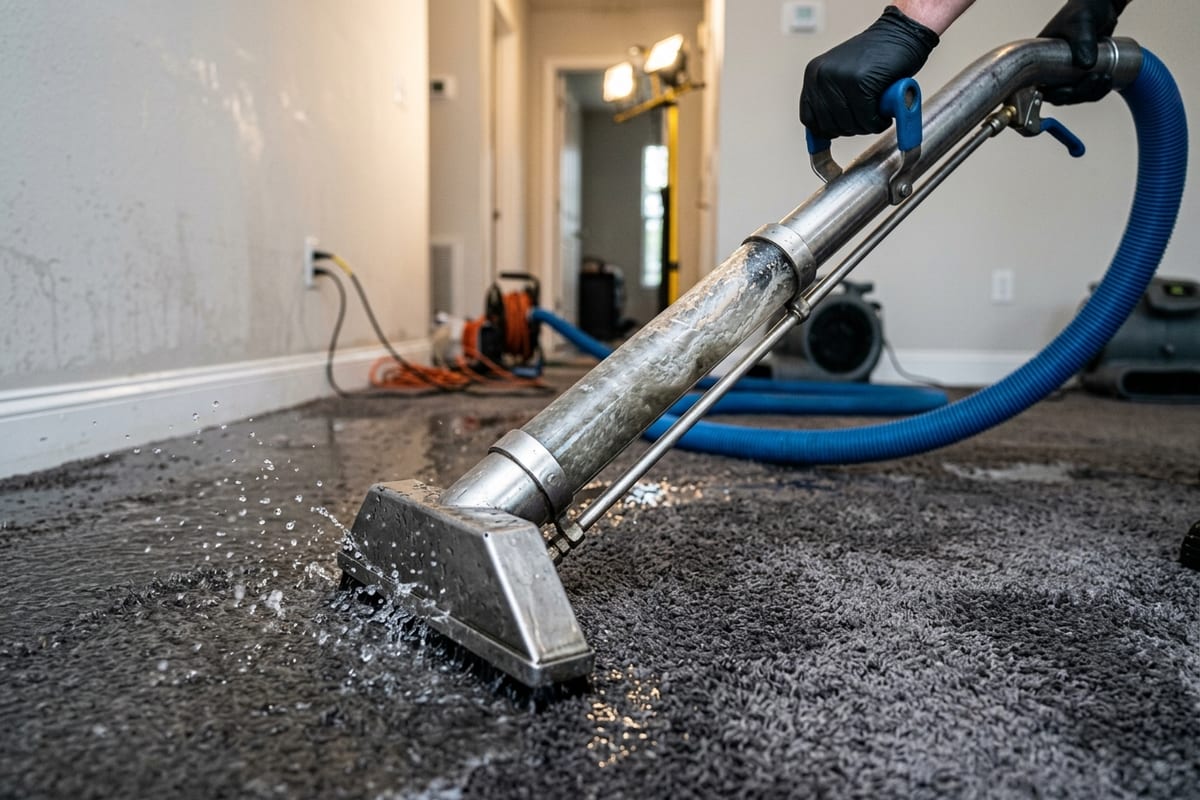
Emergency water extraction uses heavy-duty submersible pumps and truck-mounted vacuum units to physically extract hundreds of gallons of standing water per hour from flooded homes and businesses before structural framing absorbs it.
 Local Protocol
Burst & Frozen Pipe Cleanup→
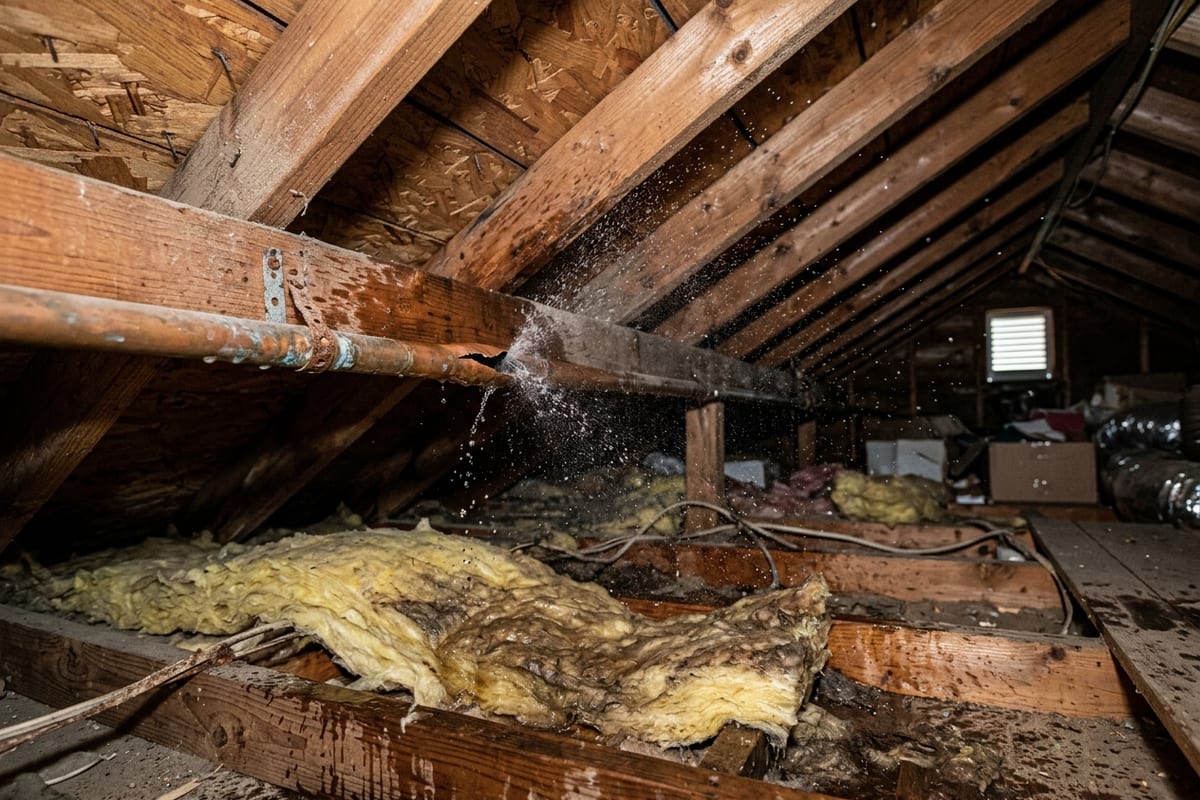
Burst pipe cleanup addresses high-pressure plumbing ruptures in attics, crawlspaces, and interior walls by immediately stopping water flow, extracting water cascading through ceilings, and drying framing to prevent structural rot.
 Local Protocol
Mold Remediation & Removal→
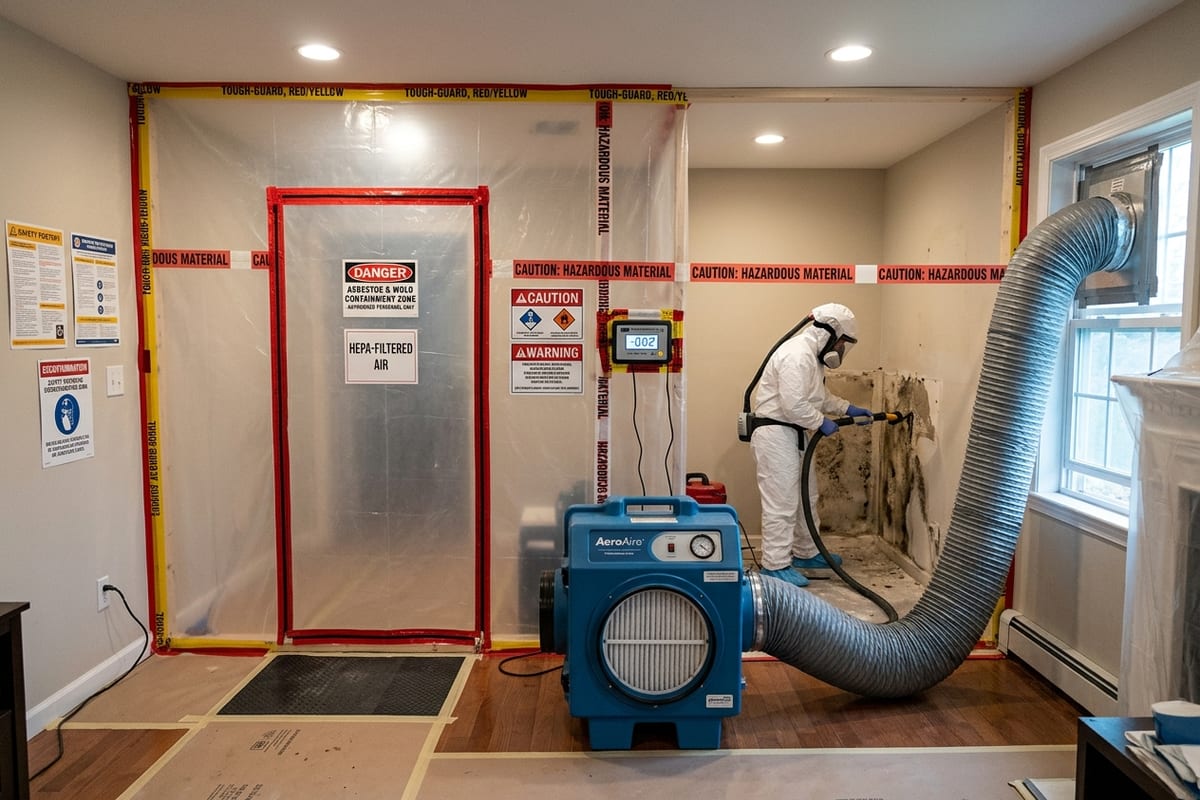
Certified mold remediation isolates active fungal colonies under negative air pressure, safely removes colonized building materials, and purifies indoor air with HEPA scrubbers to eliminate mycotoxins and prevent recurrence.
Check 45–60 Min Response Time for Your Niagara Falls ZIP Code
WaterRestore Pro dispatches IICRC-certified emergency teams across Niagara County 24 hours a day, 365 days a year. Verify rapid on-site coverage for your postal code:
Check Your ZIP Code Coverage
Verify immediate 45–60 minute emergency water extraction dispatch across our 50-state nationwide coverage network.
Frequently Asked Questions in Niagara Falls, NY
How fast can emergency restoration teams arrive in Niagara Falls?+
Certified emergency response teams are stationed locally throughout Niagara County and arrive on-site within 45 to 60 minutes 24 hours a day.
Can commercial dehumidifiers prevent mold after basement flooding in Niagara Falls?+
Yes. By maintaining indoor relative humidity below 50% and treating structural surfaces with EPA-registered antimicrobials, technicians halt mold growth before it starts.
Nearby Communities We Serve:
Standing Water in Your Home? Minutes Count.
Emergency water extraction units are on call 24 hours a day across all major metropolitan service areas. Call now for priority dispatch.