Water Damage Restoration in Cincinnati, OH
Cincinnati is a historic, culturally vibrant metropolis in southwestern Ohio situated along the north bank of the Ohio River in Hamilton County. Renowned for its stunning 19th-century Italianate architecture in Over-the-Rhine, steep river bluffs in Mount Adams, and prestigious neighborhoods in Hyde Park, Cincinnati properties navigate rolling hillside drainage, river floodplains, and aging plumbing networks.
Cincinnati, OH Coverage Facts
- Jurisdiction
- Hamilton County
- Target Response Time
- 45 to 60 Minutes On-Site
- Disaster Coverage
- 24/7, 365 Days a Year
- Covered ZIP Codes
- 45202, 45208, 45209, 45219, 45220, 45226
Housing Architecture & Water Risks in Cincinnati, OH
Residential construction in Cincinnati includes historic 1880s–1920s brick townhomes in Over-the-Rhine, classic Tudor revivals in Hyde Park, and mid-century split-levels on terraced hillsides. Homes feature deep below-grade basements with limestone, sandstone, or concrete block foundation walls containing aging cast-iron sewer stacks and vintage copper domestic water lines.
Key Local Restoration Issues in Cincinnati
Ohio River Basin Severe Floodplain Inundation
Intense spring precipitation and regional snowmelt cause the Ohio River and Mill Creek to swell, surcharging municipal stormwater drainage and submerging low-lying residential basements under feet of floodwater.
Hillside Terraced Lateral Hydrostatic Foundation Pressure
Steep topography channels heavy groundwater down hillside slopes against residential foundations, exerting immense lateral pressure that causes structural block wall cracking and basement water seepage.
Winter Arctic Plunge Pipe Ruptures in Historic Masonry
Severe winter cold snaps freeze uninsulated domestic water lines routed through thick exterior masonry walls and drafty crawl spaces, causing catastrophic high-pressure pipe blowouts upon thawing.
Regional Climate & Weather Risks in Cincinnati
Geology, Soil & Foundation Dynamics in Cincinnati
Building Stock & Primary Dispatch Triggers in Cincinnati
Historic Italianate brick townhomes in Over-the-Rhine, early 20th-century brick colonials, mid-century ranch homes with walkout basements, and modern river-view construction.
- •Basement wall cracking and groundwater seepage caused by expanding clay soils
- •Sump pump failures and basement flooding during heavy spring rainstorms
- •Burst copper and galvanized pipes during severe winter cold snaps
- •Sewer backup through basement drains during intense urban storm runoff
Local Water & Infrastructure Profile: Cincinnati
Local Response & Property Access Protocols in Cincinnati
Insurance Claim Documentation & Billing Guidelines in Ohio
Ohio insurance claims for emergency water damage are governed by the Ohio Department of Insurance (ODI) under Ohio Administrative Code (OAC) 3901-1-54 (Unfair Property/Casualty Claims Settlement Practices). Insurers must acknowledge receipt of an emergency claim within 15 calendar days and decide claims within 21 days of receiving complete proof of loss. Ohio law grants homeowners complete discretion to select their preferred disaster mitigation contractor. Because Ohio winters bring severe freeze-thaw cycles and seasonal rainfall leads to rapid pipe freezing and sewer surcharge risks, thorough documentation is essential. Professional mitigation partners record pre-mitigation moisture levels, track daily grains-per-pound reduction using calibrated thermo-hygrometers, and supply itemized Xactimate estimates directly to insurance adjusters to document compliance with ANSI/IICRC S500 standard protocols. Ohio Department of Insurance (ODI) guidelines govern the prompt settlement of property claims under OAC 3901-1-54. Restoration contractors document water losses using infrared thermal imaging to establish the affected perimeter, followed by daily psychrometric readings that measure dehumidifier performance and structural drying rates. In Ohio homes with poured-concrete basements and crawlspaces, freeze rupture points and supply line failures are photographed in high detail. Claims are processed through standardized Xactimate software direct to the insurer, protecting homeowners from upfront expenses outside of standard policy deductibles.
Policyholder Rights & Independent Contractor Selection in Ohio
Under Ohio insurance regulations, residential and commercial property owners maintain the full legal authority to hire any licensed, independent disaster restoration contractor of their choice. Insurance carriers and claims adjusters are prohibited from steering or mandating the use of preferred network vendors. WaterRestore Pro dispatches certified local mitigation specialists who adhere strictly to ANSI/IICRC S500 standards, recording daily psychrometric logs, moisture baselines, and thermal imaging scans. All repair scopes are compiled using standardized Xactimate line items and submitted directly to your insurance company, supporting direct carrier billing and protecting homeowners from upfront costs on covered peril claims.
Common Emergency Calls in Cincinnati
Local ProtocolWater Damage Restoration→
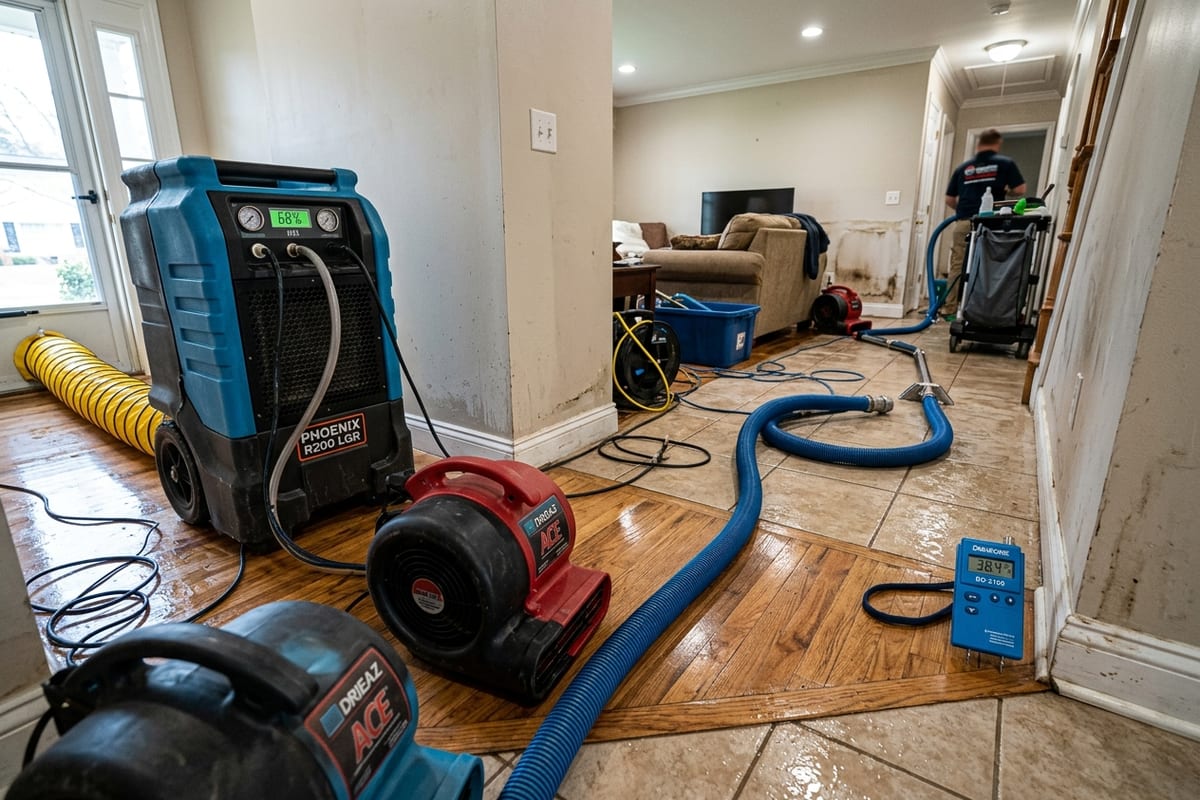
Professional water damage restoration stops progressive structural deterioration, extracts standing water with truck-mounted pumps, and dries internal wall cavities using industrial dehumidifiers within 72 hours to prevent hazardous mold growth.
 Local Protocol
Emergency Water Extraction→
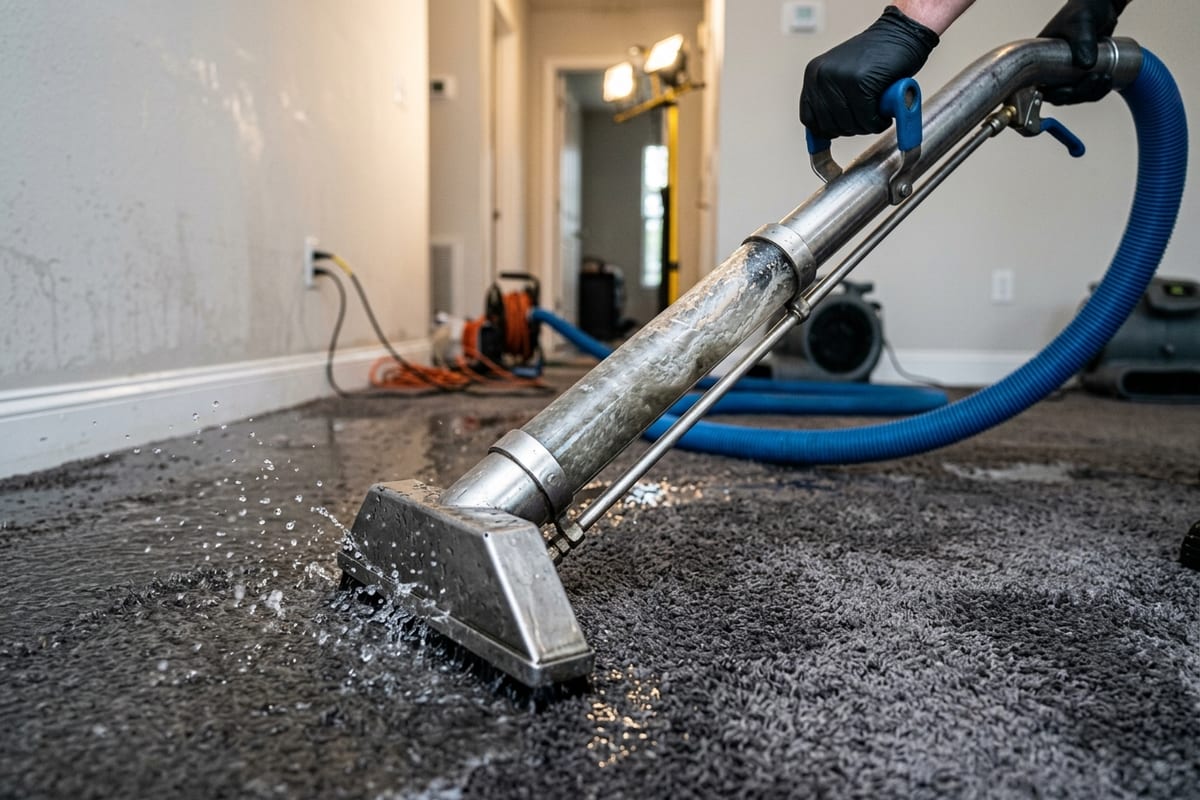
Emergency water extraction uses heavy-duty submersible pumps and truck-mounted vacuum units to physically extract hundreds of gallons of standing water per hour from flooded homes and businesses before structural framing absorbs it.
 Local Protocol
Burst & Frozen Pipe Cleanup→
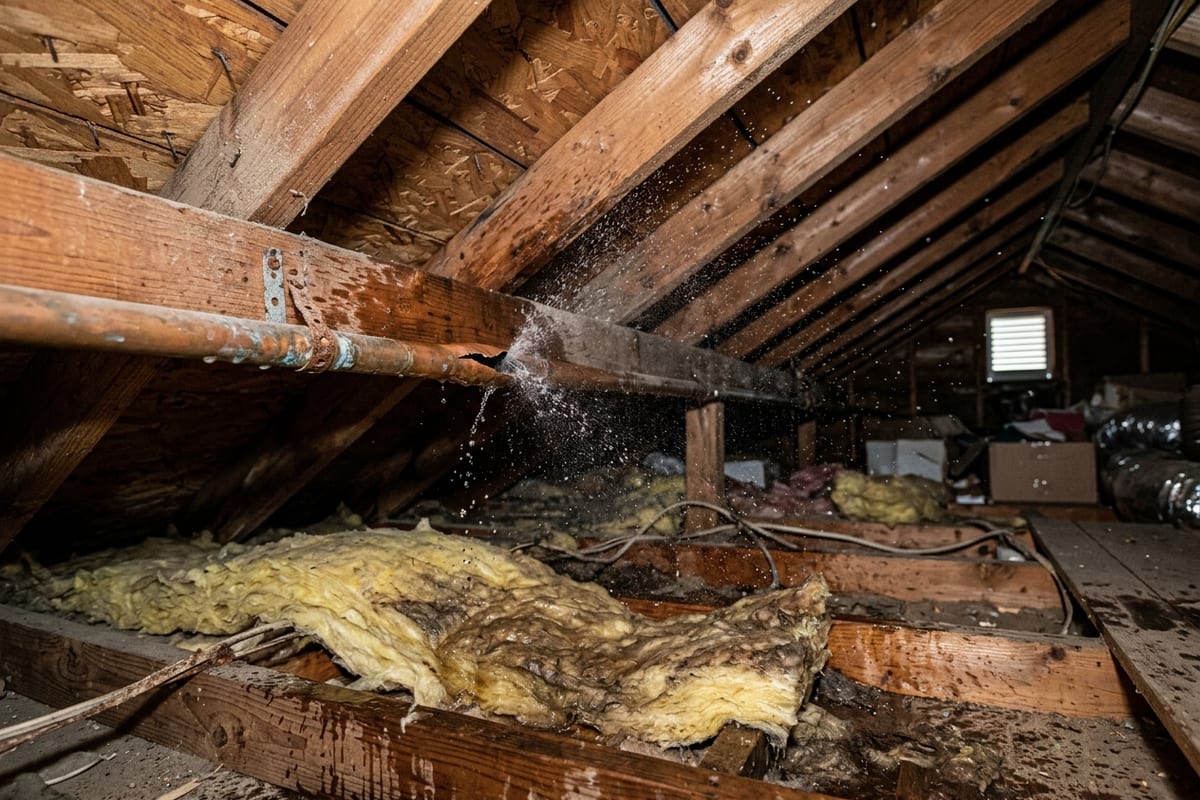
Burst pipe cleanup addresses high-pressure plumbing ruptures in attics, crawlspaces, and interior walls by immediately stopping water flow, extracting water cascading through ceilings, and drying framing to prevent structural rot.
 Local Protocol
Mold Remediation & Removal→
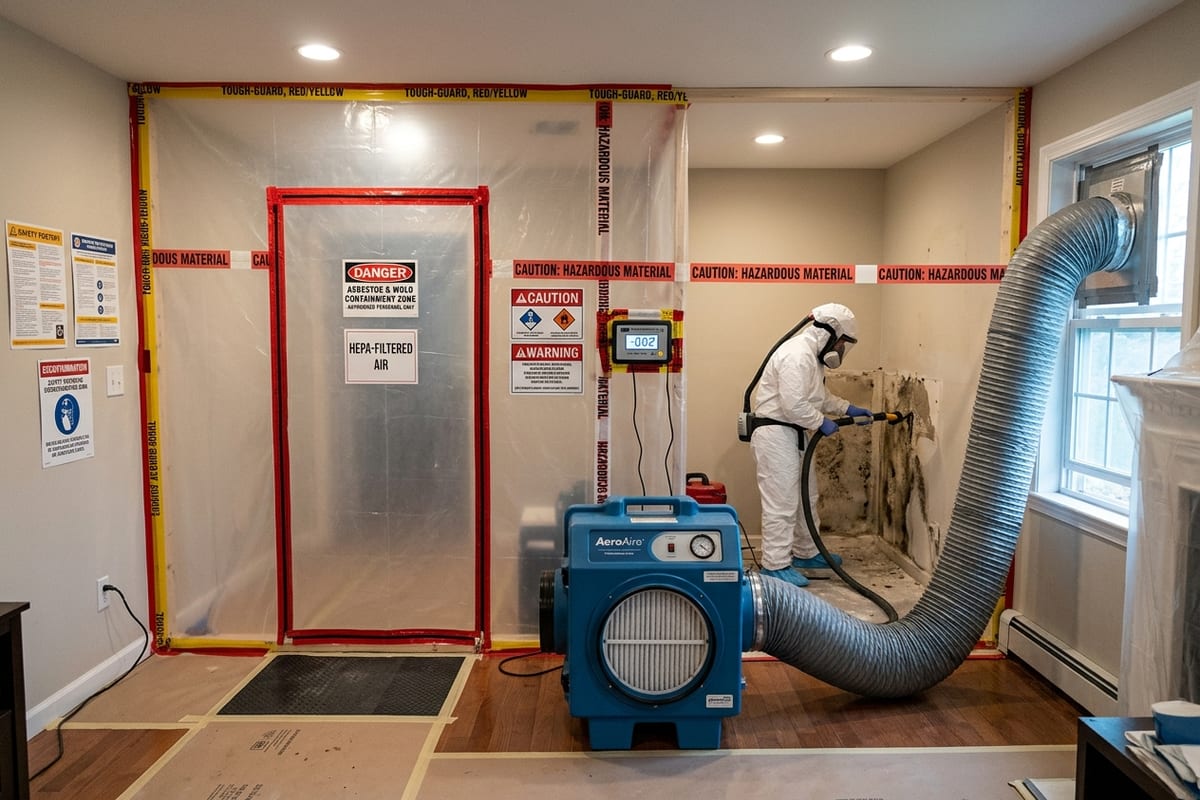
Certified mold remediation isolates active fungal colonies under negative air pressure, safely removes colonized building materials, and purifies indoor air with HEPA scrubbers to eliminate mycotoxins and prevent recurrence.
Check 45–60 Min Response Time for Your Cincinnati ZIP Code
WaterRestore Pro dispatches IICRC-certified emergency teams across Hamilton County 24 hours a day, 365 days a year. Verify rapid on-site coverage for your postal code:
Check Your ZIP Code Coverage
Verify immediate 45–60 minute emergency water extraction dispatch across our 50-state nationwide coverage network.
Frequently Asked Questions in Cincinnati, OH
How do you remediate water damage in historic Over-the-Rhine buildings?+
Italianate buildings in Over-the-Rhine have thick multi-wythe brick walls and historic timber joists. WaterRestore Pro uses non-destructive cavity drying and commercial desiccant dehumidifiers to draw moisture out of masonry without damaging historical materials.
What causes basement flooding during Cincinnati spring storms?+
Saturated clay soil swells against foundation walls, creating hydrostatic pressure that forces water through cracks and floor seams. WaterRestore Pro extracts water, sanitizes concrete, and runs high-capacity LGR dehumidifiers to dry framing.
Does Ohio homeowners insurance cover sewer backups in Hamilton County?+
Sewer backups require a specific Water Backup endorsement. Sudden interior pipe breaks are covered under standard policies. We work directly with your insurer to document the exact loss cause.
Nearby Communities We Serve:
Standing Water in Your Home? Minutes Count.
Emergency water extraction units are on call 24 hours a day across all major metropolitan service areas. Call now for priority dispatch.