Water Damage Restoration in Tulsa, OK
Tulsa is Oklahoma's second-largest city and the historic 'Oil Capital of the World', situated along the Arkansas River in the rolling Green Country hills of northeastern Oklahoma. Renowned for its world-class Art Deco downtown architecture, historic residential mansions in Maple Ridge and Gilcrease Hills, and vibrant neighborhoods across Brookside, Cherry Street, and Midtown, properties face acute water emergencies from Arkansas River crests, severe convective supercell downpours, and sub-zero winter plumbing freeze breaks.
Tulsa, OK Coverage Facts
- Jurisdiction
- Tulsa County
- Target Response Time
- 45 to 60 Minutes On-Site
- Disaster Coverage
- 24/7, 365 Days a Year
- Covered ZIP Codes
- 74103, 74104, 74105, 74114, 74119, 74120, 74133, 74136, 74137
Housing Architecture & Water Risks in Tulsa, OK
Tulsa's housing inventory features an exceptional collection of 1920s through 1940s brick Tudors, Craftsman bungalows, and colonial revival residences built with full or partial basements in Midtown, alongside sprawling post-war brick ranches and contemporary subdivisions built on concrete slabs across South Tulsa. Properties bordering the Arkansas River, Bird Creek, and Mingo Creek watersheds have a long history of severe flash flooding during heavy spring convective storms. In winter, Arctic cold fronts sweep across the Great Plains, plunging temperatures below zero and freezing uninsulated domestic water lines and fire suppression lines in drafty basements, exterior walls, and vented crawl spaces, requiring high-capacity truck-mounted water extraction, commercial LGR dehumidification, and structural wood framing desiccation compliant with IICRC S500 standards.
Key Local Restoration Issues in Tulsa
Arkansas River & Mingo Creek Flash Flooding
Intense spring thunderstorms cause Mingo Creek and the Arkansas River to surge, overwhelming stormwater retention basins and flooding residential basements.
Sub-Zero Polar Vortex Domestic Supply Pipe Freeze Bursts
Prolonged winter freezing weather penetrates uninsulated brick wall cavities and drafty basements, bursting domestic water supply lines upon thawing.
Green Country Clay Soil Foundation Slab Settling
Heavily saturated northeastern Oklahoma clay soils expand and contract, placing lateral friction on sub-slab plumbing lines and causing under-slab leaks.
Regional Climate & Weather Risks in Tulsa
Geology, Soil & Foundation Dynamics in Tulsa
Building Stock & Primary Dispatch Triggers in Tulsa
Historic Art Deco mansions, mid-century brick ranch homes on concrete slabs, and modern suburban single-family developments.
- •Under-slab plumbing line breaks caused by expansive clay soil movement
- •Roof penetrations and water entry from severe hail storms
- •Burst exterior plumbing and sprinkler lines during winter cold snaps
- •Water heater and washing machine supply hose failures
Local Water & Infrastructure Profile: Tulsa
Local Response & Property Access Protocols in Tulsa
Insurance Claim Documentation & Billing Guidelines in Oklahoma
Oklahoma emergency water mitigation claims fall under the Oklahoma Insurance Department (OID) pursuant to 36 O.S. § 1250.4 (Unfair Claims Settlement Practices Act). Insurers must acknowledge claims within 20 calendar days and accept or reject claims within 45 days of proof of loss receipt. Oklahoma property owners maintain the right to choose an independent restoration contractor. Teams provide moisture baselines, infrared thermal scans, and itemized billing directly to insurance carriers. Under Oklahoma Insurance Department (OID) oversight and 36 O.S. § 1250.4, emergency mitigation claims require verifiable technical drying records. Crews provide thermal imaging moisture maps, daily psychrometric logs, and calibrated moisture probe readings confirming that structural assemblies reach dry standards. Saturated insulation and damaged drywall are inventoried with high-resolution photos. Scopes are submitted directly to carriers via Xactimate for direct insurance billing.
Policyholder Rights & Independent Contractor Selection in Oklahoma
Under Oklahoma insurance regulations, residential and commercial property owners maintain the full legal authority to hire any licensed, independent disaster restoration contractor of their choice. Insurance carriers and claims adjusters are prohibited from steering or mandating the use of preferred network vendors. WaterRestore Pro dispatches certified local mitigation specialists who adhere strictly to ANSI/IICRC S500 standards, recording daily psychrometric logs, moisture baselines, and thermal imaging scans. All repair scopes are compiled using standardized Xactimate line items and submitted directly to your insurance company, supporting direct carrier billing and protecting homeowners from upfront costs on covered peril claims.
Common Emergency Calls in Tulsa
Local ProtocolWater Damage Restoration→
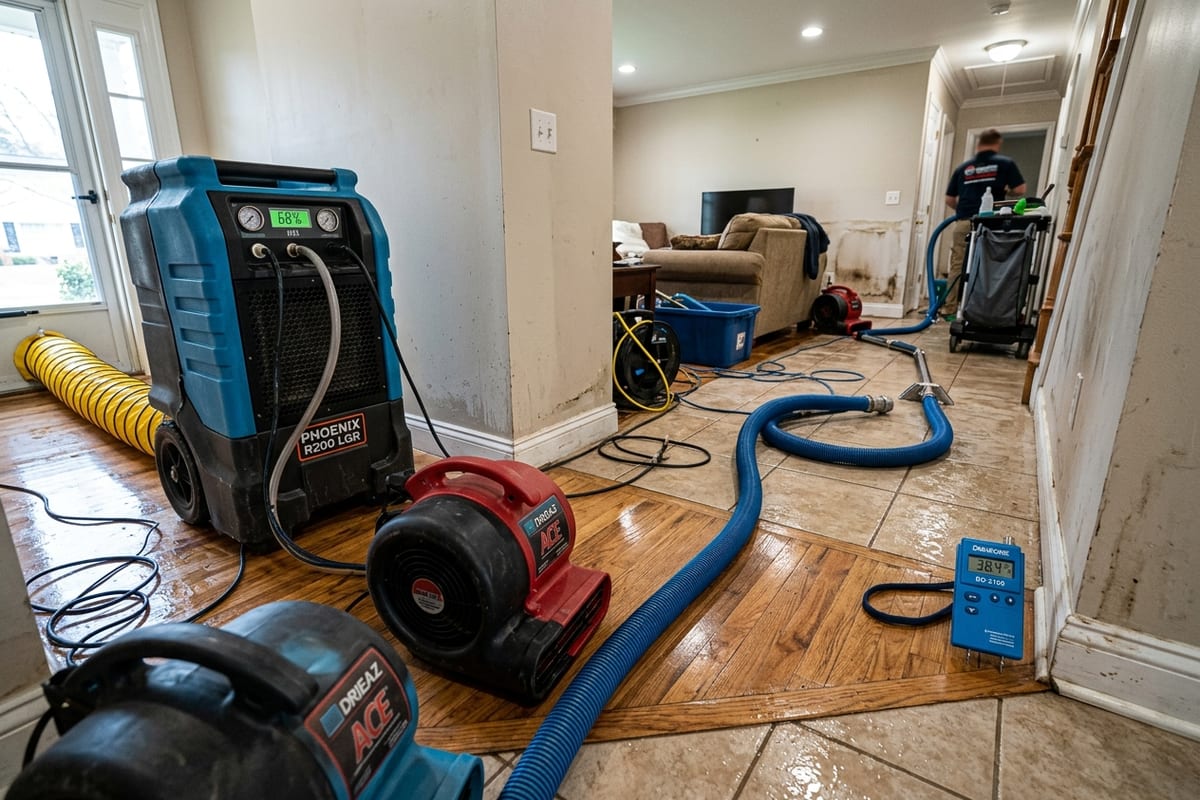
Professional water damage restoration stops progressive structural deterioration, extracts standing water with truck-mounted pumps, and dries internal wall cavities using industrial dehumidifiers within 72 hours to prevent hazardous mold growth.
 Local Protocol
Emergency Water Extraction→
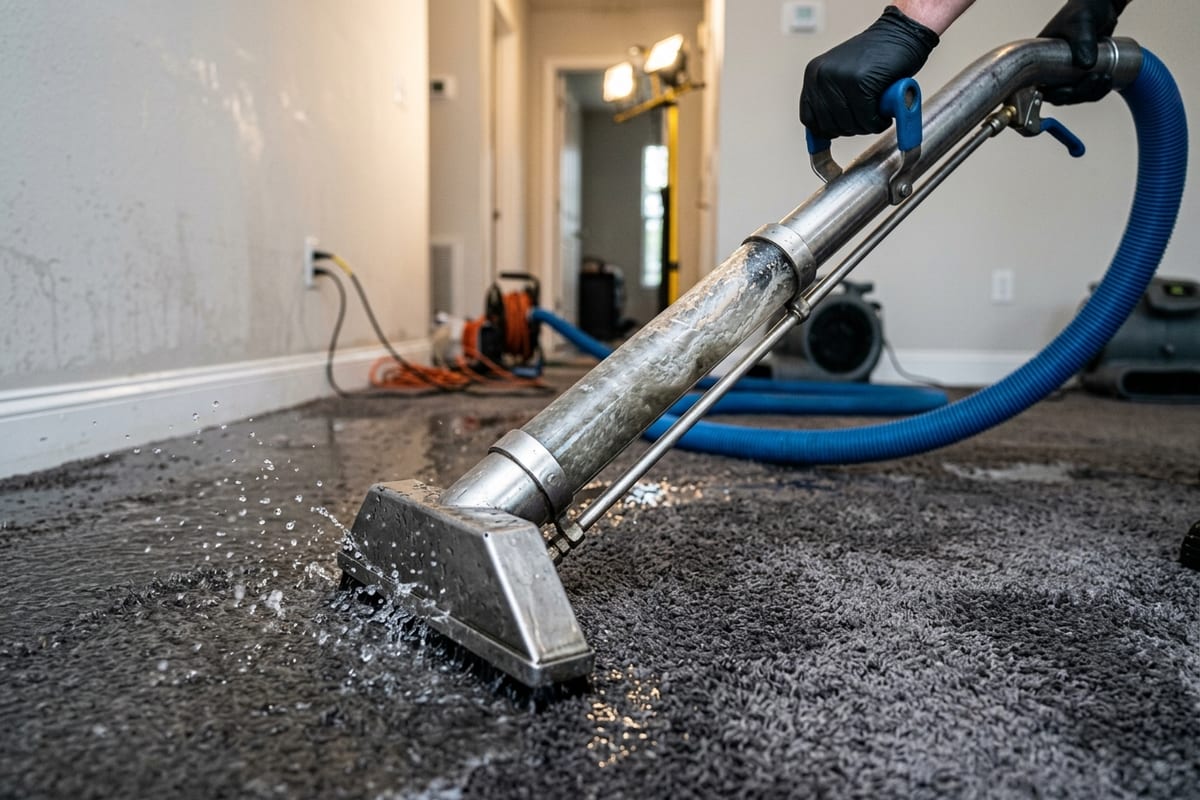
Emergency water extraction uses heavy-duty submersible pumps and truck-mounted vacuum units to physically extract hundreds of gallons of standing water per hour from flooded homes and businesses before structural framing absorbs it.
 Local Protocol
Burst & Frozen Pipe Cleanup→
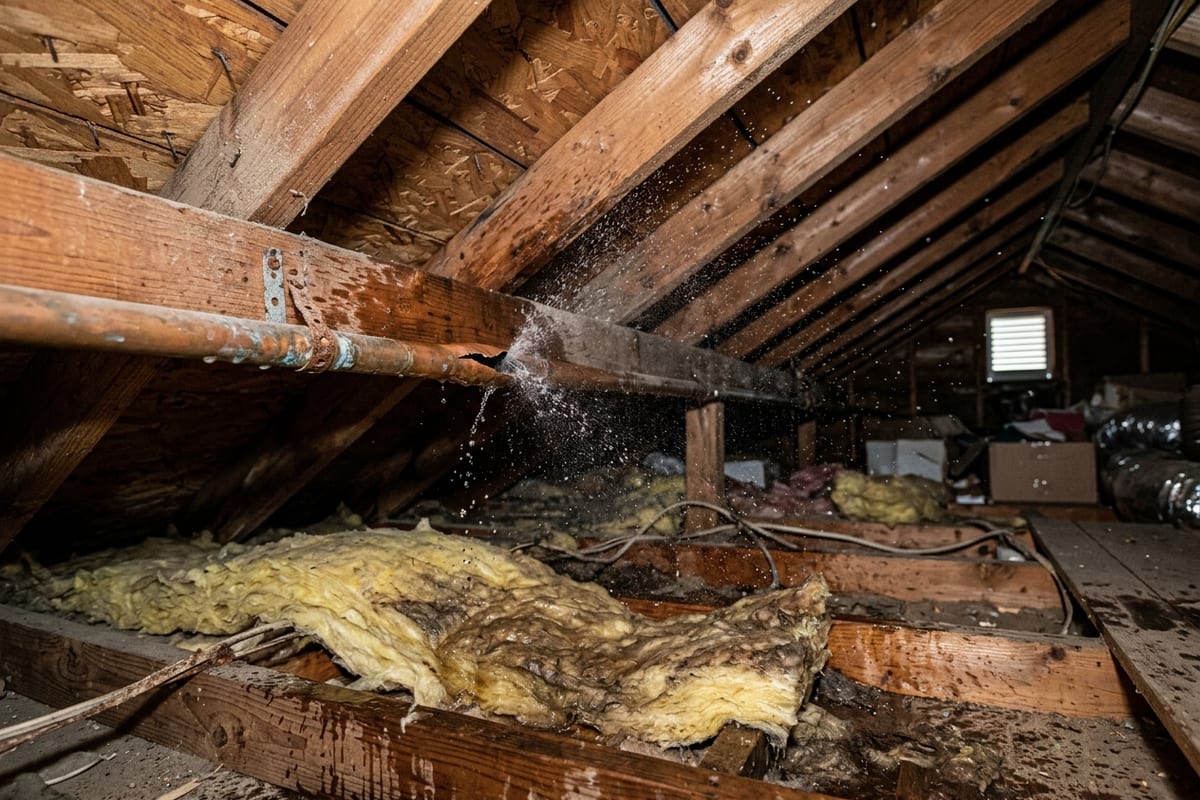
Burst pipe cleanup addresses high-pressure plumbing ruptures in attics, crawlspaces, and interior walls by immediately stopping water flow, extracting water cascading through ceilings, and drying framing to prevent structural rot.
 Local Protocol
Slab Leak Water Damage Cleanup→
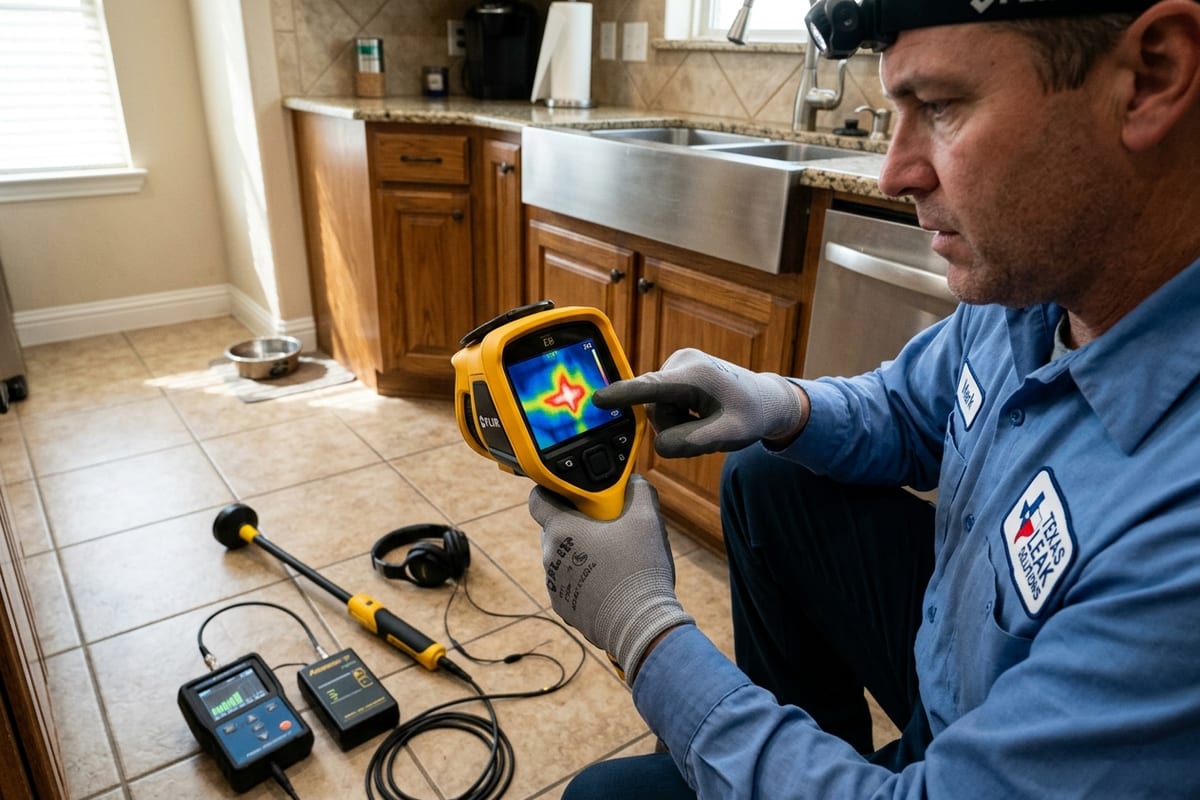
Slab leak water damage restoration extracts water migrating up through concrete foundation cracks into floors, baseboards, and walls, utilizing specialized desiccant dehumidifiers and drying mats to restore subfloor framing.
Check 45–60 Min Response Time for Your Tulsa ZIP Code
WaterRestore Pro dispatches IICRC-certified emergency teams across Tulsa County 24 hours a day, 365 days a year. Verify rapid on-site coverage for your postal code:
Check Your ZIP Code Coverage
Verify immediate 45–60 minute emergency water extraction dispatch across our 50-state nationwide coverage network.
Frequently Asked Questions in Tulsa, OK
How do you detect slab leaks in Tulsa homes?+
Expansive clay in Tulsa flexes concrete slabs and shears underlying copper pipes. Signs include warm floor spots, higher water bills, and foundation cracks. WaterRestore Pro uses acoustic ground sensors and thermal imaging to find the leak without tearing up flooring.
What emergency steps should be taken following storm roof damage in Tulsa?+
When hail or fallen branches breach a roof, WaterRestore Pro immediately coordinates emergency tarping to stop active rain entry. We extract standing water, remove saturated ceiling drywall, and run commercial LGR dehumidifiers to dry framing.
Does Oklahoma homeowners insurance cover water damage from a ruptured water heater?+
Yes, sudden and accidental water heater ruptures are covered under standard policies. WaterRestore Pro provides direct billing and documentation through Xactimate to ensure all drying and remediation costs are approved.
Nearby Communities We Serve:
Standing Water in Your Home? Minutes Count.
Emergency water extraction units are on call 24 hours a day across all major metropolitan service areas. Call now for priority dispatch.