Water Damage Restoration in Pittsburgh, PA
Pittsburgh, known as the Steel City, is built across the dramatic confluence of the Allegheny and Monongahela rivers forming the Ohio River. With steep river valley slopes, historic brick homes in Shadyside and Lawrenceville, and hillside communities in South Side and Mount Washington, local residences face intense moisture challenges from steep hillside storm runoff, aging combined sewers, and sub-zero winter pipe freeze ruptures.
Pittsburgh, PA Coverage Facts
- Jurisdiction
- Allegheny County
- Target Response Time
- 45 to 60 Minutes On-Site
- Disaster Coverage
- 24/7, 365 Days a Year
- Covered ZIP Codes
- 15201, 15203, 15206, 15211, 15213, 15217, 15222, 15224, 15232
Housing Architecture & Water Risks in Pittsburgh, PA
Homes predominantly date from the late 19th century to the mid-20th century, featuring brick and stone architecture with full below-grade basements built of concrete block, stone rubble, or poured concrete. The steep topography creates heavy lateral earth pressure and subterranean water channeling that drives moisture directly through foundation walls.
Key Local Restoration Issues in Pittsburgh
Hillside Hydrostatic Groundwater Pressure & Wall Bowing
Heavy rain cascading down Pittsburgh's steep river bluffs saturates clay and shale soils, generating intense lateral hydrostatic pressure that cracks concrete block basement walls and floods finished basements.
Three Rivers Basin Combined Sewer Backups
During heavy spring snowmelt and torrential summer storms, ALCOSAN combined sewer mains surcharge, forcing contaminated Category 3 blackwater back through basement floor drains and washing machine standpipes.
Sub-Zero Polar Vortex Pipe Freeze Ruptures
Appalachian winter cold snaps drop temperatures below zero, freezing uninsulated domestic water supply lines in drafty basements, exterior walls, and unheated crawl spaces, resulting in catastrophic burst pipes.
Regional Climate & Weather Risks in Pittsburgh
Geology, Soil & Foundation Dynamics in Pittsburgh
Building Stock & Primary Dispatch Triggers in Pittsburgh
Century-old brick rowhouses, Victorian stone homes on steep slopes, classic Pittsburgh duplexes with deep basements, and modern hillside infill.
- •Hillside groundwater seepage through century-old stone and brick foundations
- •Aging lead and cast-iron plumbing line joint failures in historic residences
- •Burst water supply lines during sudden mid-Atlantic winter freezes
- •Basement floor drain backups during intense Allegheny and Monongahela river storms
Local Water & Infrastructure Profile: Pittsburgh
Local Response & Property Access Protocols in Pittsburgh
Insurance Claim Documentation & Billing Guidelines in Pennsylvania
Water damage insurance claims in Pennsylvania are regulated by the Pennsylvania Insurance Department under the Unfair Insurance Practices Act (40 P.S. § 1171) and 31 Pa. Code § 146. Insurance carriers are required to acknowledge claim notifications within 10 working days and complete their initial investigation within 30 days of receiving completed proofs of loss. Under Pennsylvania regulations, consumers cannot be coerced into using preferred network vendors; property owners retain the explicit right to engage independent IICRC-certified mitigation contractors. Given Pennsylvania's extensive inventory of historic brick and stone foundations, adjusters scrutinize water claims to distinguish between covered sudden interior pipe breaks and non-covered foundation hydrostatic groundwater infiltration. Certified restoration contractors provide digital thermal moisture maps, daily psychrometric dry logs, and itemized scope documentation that demonstrate adherence to IICRC S500 desiccation protocols, supporting straightforward direct carrier billing. Under Pennsylvania Insurance Department (PID) standards and 31 Pa. Code § 146, insurance carriers require comprehensive verification of emergency mitigation procedures. Professional restoration partners provide daily drying logs tracking ambient temperatures, relative humidity, and grains per pound (GPP) in accordance with ANSI/IICRC S500. In historic stone and brick structures across Pennsylvania, non-invasive moisture meters verify that masonry walls and timber joists reach equilibrium moisture content (EMC) without structural degradation. Estimates are submitted directly to adjusters using standardized Xactimate line items, supporting direct carrier billing and zero upfront mitigation costs for covered claims.
Policyholder Rights & Independent Contractor Selection in Pennsylvania
Under Pennsylvania insurance regulations, residential and commercial property owners maintain the full legal authority to hire any licensed, independent disaster restoration contractor of their choice. Insurance carriers and claims adjusters are prohibited from steering or mandating the use of preferred network vendors. WaterRestore Pro dispatches certified local mitigation specialists who adhere strictly to ANSI/IICRC S500 standards, recording daily psychrometric logs, moisture baselines, and thermal imaging scans. All repair scopes are compiled using standardized Xactimate line items and submitted directly to your insurance company, supporting direct carrier billing and protecting homeowners from upfront costs on covered peril claims.
Common Emergency Calls in Pittsburgh
Local ProtocolWater Damage Restoration→
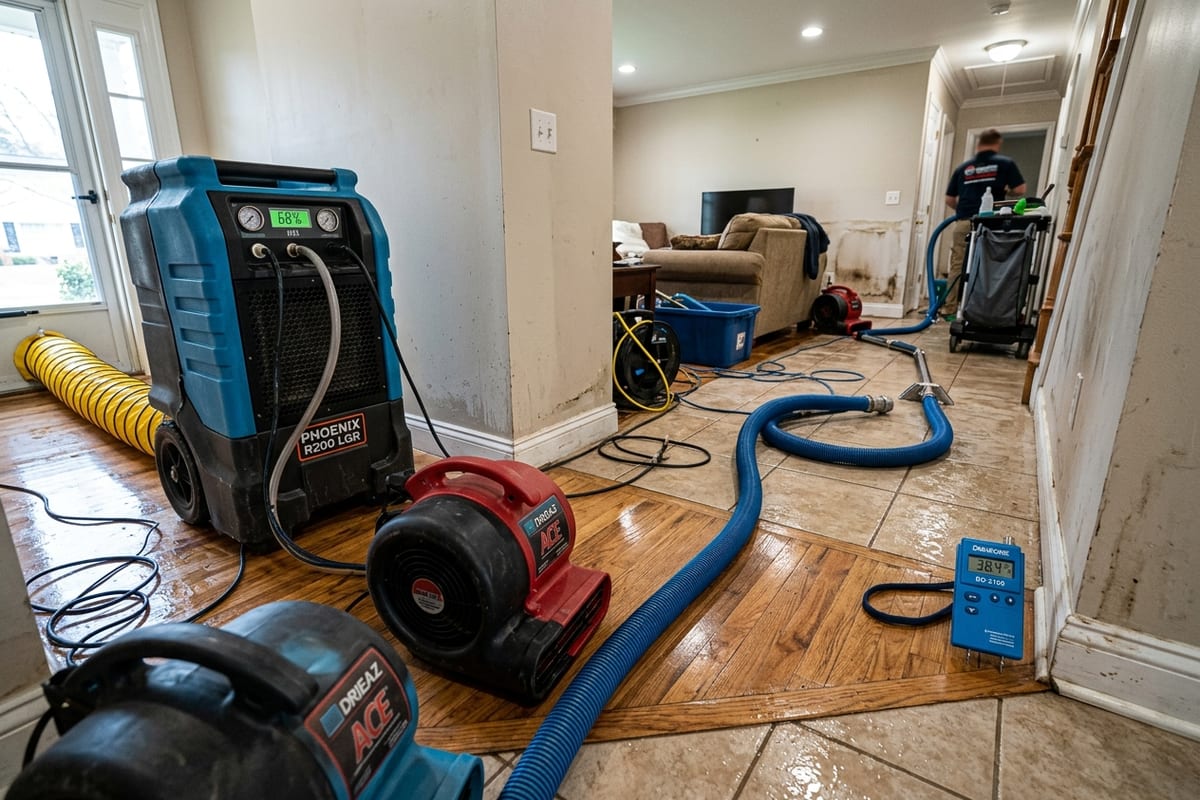
Professional water damage restoration stops progressive structural deterioration, extracts standing water with truck-mounted pumps, and dries internal wall cavities using industrial dehumidifiers within 72 hours to prevent hazardous mold growth.
 Local Protocol
Emergency Water Extraction→
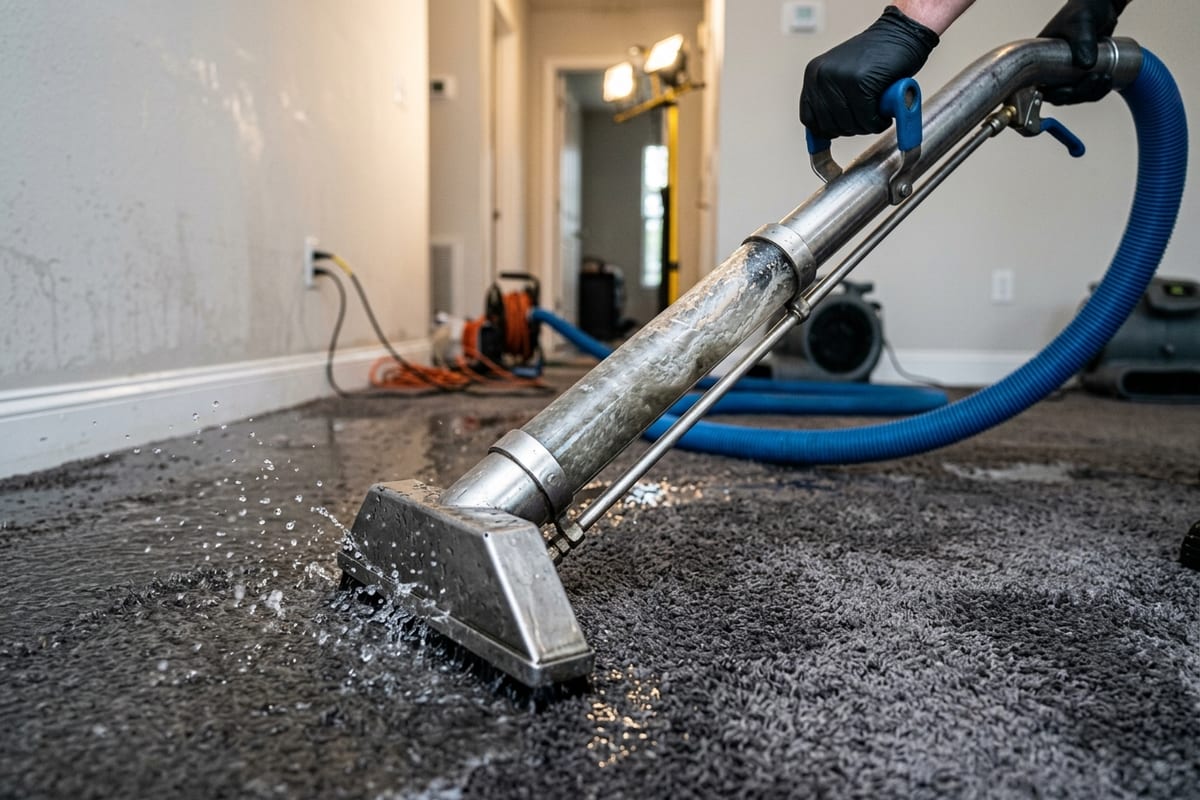
Emergency water extraction uses heavy-duty submersible pumps and truck-mounted vacuum units to physically extract hundreds of gallons of standing water per hour from flooded homes and businesses before structural framing absorbs it.
 Local Protocol
Burst & Frozen Pipe Cleanup→
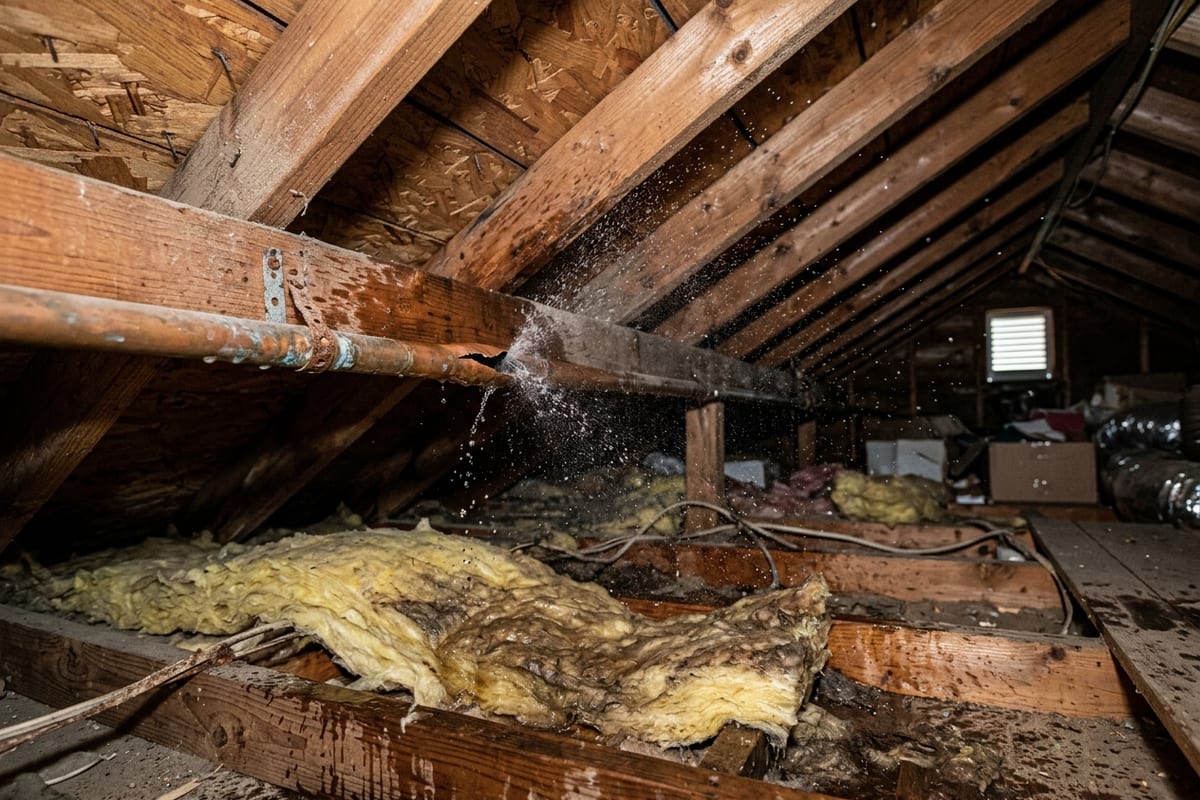
Burst pipe cleanup addresses high-pressure plumbing ruptures in attics, crawlspaces, and interior walls by immediately stopping water flow, extracting water cascading through ceilings, and drying framing to prevent structural rot.
 Local Protocol
Sewage Backup & Biohazard Cleanup→
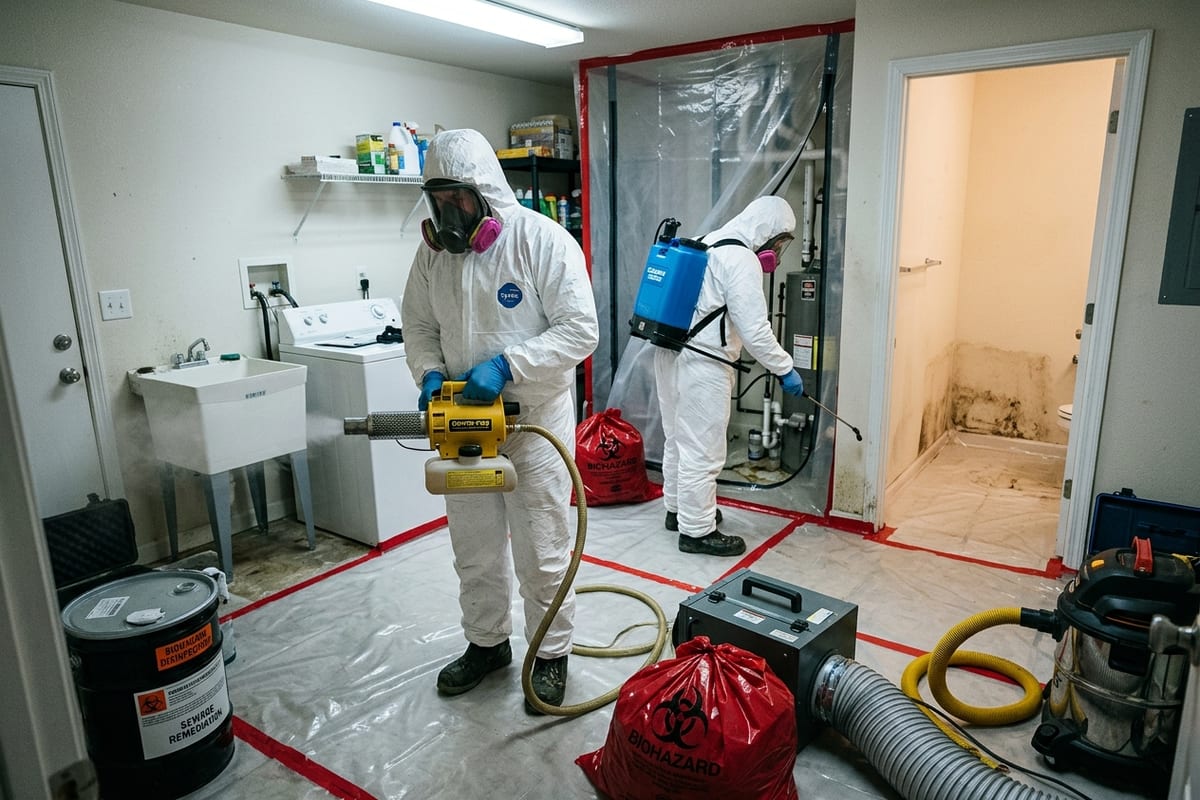
Sewage cleanup safely extracts hazardous Category 3 black water containing dangerous bacteria and pathogens, removes saturated porous building materials, and sanitizes contaminated surfaces with broad-spectrum disinfectants.
Check 45–60 Min Response Time for Your Pittsburgh ZIP Code
WaterRestore Pro dispatches IICRC-certified emergency teams across Allegheny County 24 hours a day, 365 days a year. Verify rapid on-site coverage for your postal code:
Check Your ZIP Code Coverage
Verify immediate 45–60 minute emergency water extraction dispatch across our 50-state nationwide coverage network.
Frequently Asked Questions in Pittsburgh, PA
How do you dry stone foundation basements in historic Pittsburgh homes?+
Historic stone foundations in neighborhoods like Lawrenceville and Shadyside require careful, controlled moisture removal to avoid crumbling old lime mortar. WaterRestore Pro uses industrial desiccant dehumidification and directional air movers to dry masonry safely.
What causes hillside water intrusion in Allegheny County properties?+
Water running down Pittsburgh's steep hillsides hits impermeable clay and shale, creating high hydrostatic pressure against foundation walls. WaterRestore Pro extracts standing water, sanitizes affected areas, and deploys structural drying equipment.
Does Pennsylvania homeowners insurance cover water damage from a ruptured water heater?+
Yes, sudden and accidental tank ruptures are covered under standard policies. WaterRestore Pro bills your insurance carrier directly, providing all required moisture logs and thermal imaging reports.
Nearby Communities We Serve:
Standing Water in Your Home? Minutes Count.
Emergency water extraction units are on call 24 hours a day across all major metropolitan service areas. Call now for priority dispatch.