Water Damage Restoration in Rapid City, SD
Rapid City, known as the 'Gateway to the Black Hills' and the 'City of Presidents,' is the regional medical, commercial, and tourism hub of western South Dakota, situated along Rapid Creek at the eastern base of the Black Hills mountain range. Combining historic downtown brick architecture with mid-century ranches on the foothills and modern residential developments in the Red Rocks and Sheridan Lake corridors, Rapid City properties encounter acute moisture risks from rapid mountain canyon flash floods, notoriously expansive Pierre shale soils, and severe high-altitude winter freezes.
Rapid City, SD Coverage Facts
- Jurisdiction
- Pennington County
- Target Response Time
- 45 to 60 Minutes On-Site
- Disaster Coverage
- 24/7, 365 Days a Year
- Covered ZIP Codes
- 57701, 57702, 57703
Housing Architecture & Water Risks in Rapid City, SD
Rapid City residential architecture ranges from historic early 20th-century residences near downtown to hillside walk-out ranches and modern split-levels nestled into Black Hills limestone and sandstone formations. Poured concrete and concrete block basements are universal to withstand the region's 42-to-48-inch winter frost line. Western Rapid City homes contend with mountain canyon stormwater runoff along Rapid Creek, while eastern and southern neighborhoods sit directly on expansive Pierre shale bentonite soils. These soils swell dramatically during wet spring conditions, exerting extreme lateral pressure against foundation walls, cracking concrete, and allowing groundwater to penetrate finished basements.
Key Local Restoration Issues in Rapid City
Rapid Creek Black Hills Canyon Flash Inundation
Intense convective rainstorms over the Black Hills funnel high-velocity runoff down Rapid Creek, threatening low-lying basements, crawl spaces, and parkways.
High-Altitude Sub-Zero Polar Vortex Pipe Freeze Bursts
Winter temperatures dropping to -25°F freeze domestic supply and fire suppression plumbing lines in exterior framing, unheated garages, and rim joists.
Expansive Pierre Shale Bentonite Foundation Fractures
Dense bentonite shale clay swells intensely when saturated, cracking concrete basement walls and allowing heavy spring groundwater ingress.
Insurance Claim Documentation & Billing Guidelines in South Dakota
South Dakota water damage claims are governed by the South Dakota Department of Labor and Regulation Division of Insurance under SDCL § 58-33-67. Insurers must acknowledge claims within 30 calendar days and complete investigations with reasonable promptness. South Dakota policyholders maintain the right to hire their preferred restoration contractor. Technicians document freeze breaks and provide psychrometric logs directly to adjusters. Under South Dakota Division of Insurance oversight pursuant to SDCL § 58-33-67, water mitigation claims require detailed technical drying records. Restoration specialists provide daily psychrometric logs, thermal imaging scans, and moisture probe baselines for basement framing and drywall. Winter freeze breaks are documented with high-resolution photos. Scopes are submitted in Xactimate directly to carriers for direct billing.
Policyholder Rights & Independent Contractor Selection in South Dakota
Under South Dakota insurance regulations, residential and commercial property owners maintain the full legal authority to hire any licensed, independent disaster restoration contractor of their choice. Insurance carriers and claims adjusters are prohibited from steering or mandating the use of preferred network vendors. WaterRestore Pro dispatches certified local mitigation specialists who adhere strictly to ANSI/IICRC S500 standards, recording daily psychrometric logs, moisture baselines, and thermal imaging scans. All repair scopes are compiled using standardized Xactimate line items and submitted directly to your insurance company, supporting direct carrier billing and protecting homeowners from upfront costs on covered peril claims.
Common Emergency Calls in Rapid City
Local ProtocolWater Damage Restoration→
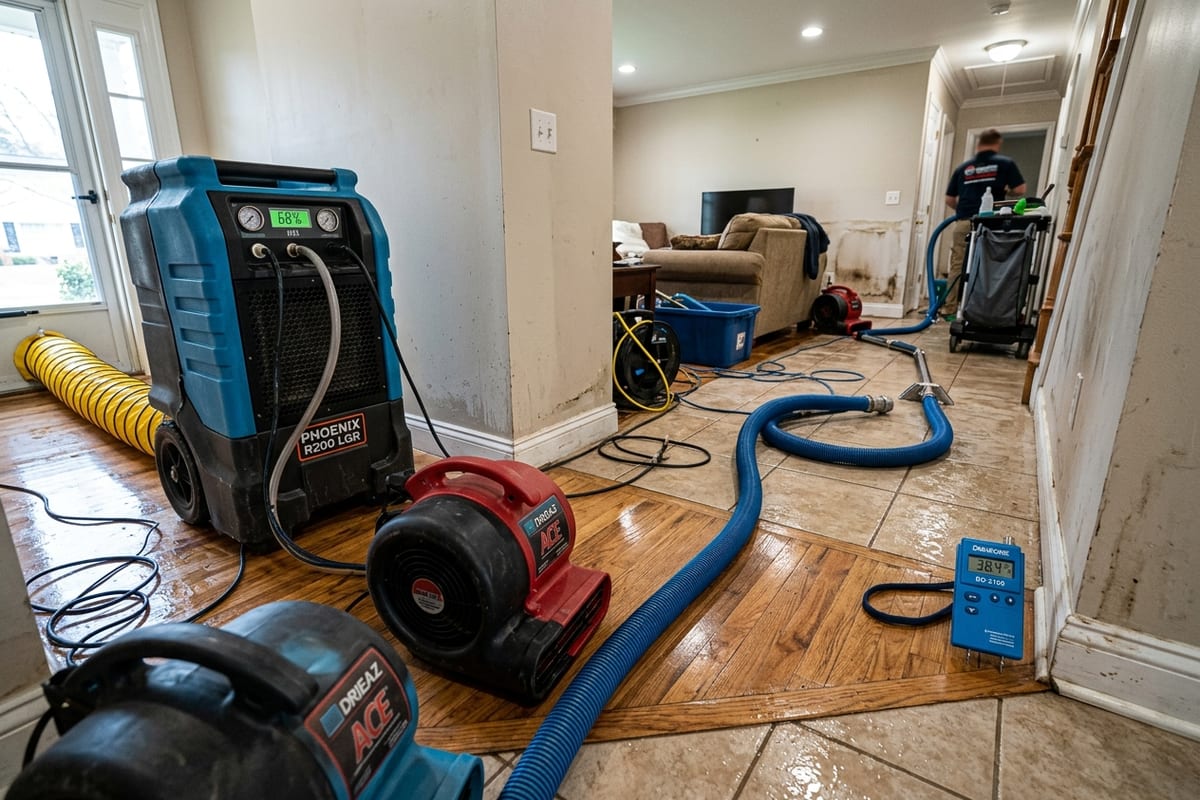
Professional water damage restoration stops progressive structural deterioration, extracts standing water with truck-mounted pumps, and dries internal wall cavities using industrial dehumidifiers within 72 hours to prevent hazardous mold growth.
 Local Protocol
Emergency Water Extraction→
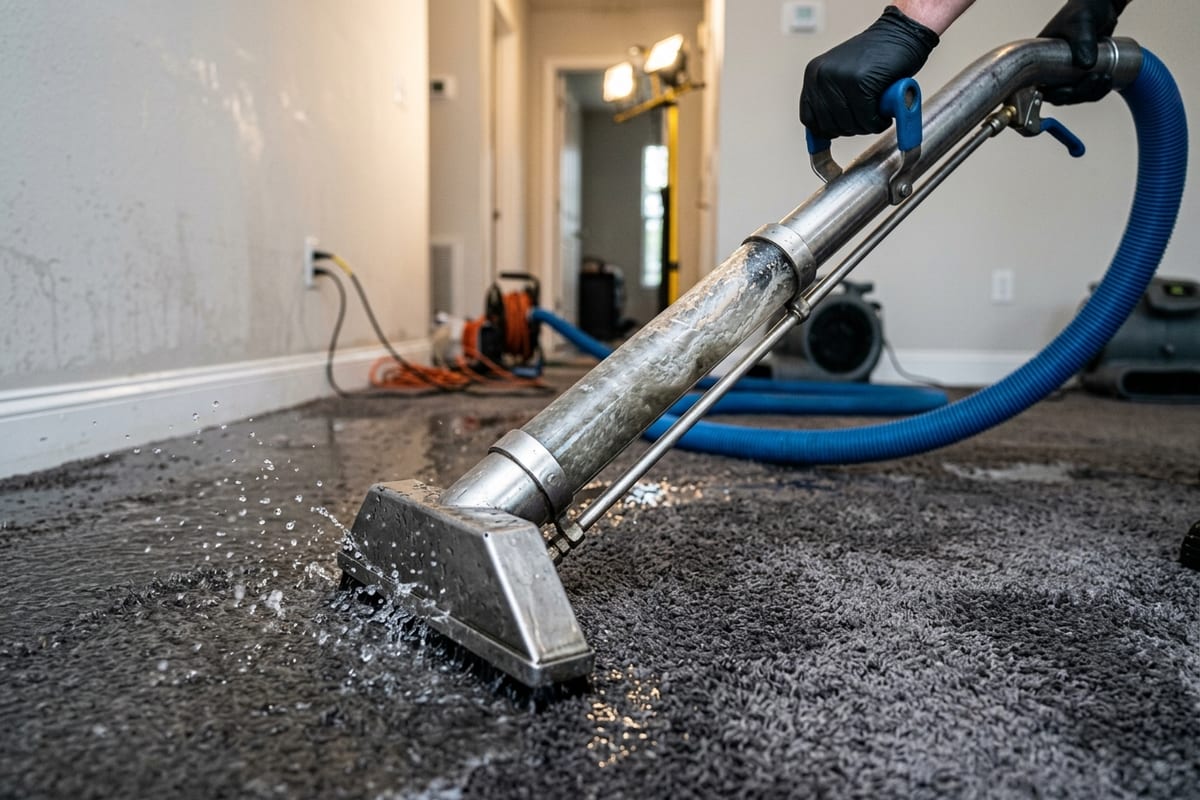
Emergency water extraction uses heavy-duty submersible pumps and truck-mounted vacuum units to physically extract hundreds of gallons of standing water per hour from flooded homes and businesses before structural framing absorbs it.
 Local Protocol
Burst & Frozen Pipe Cleanup→
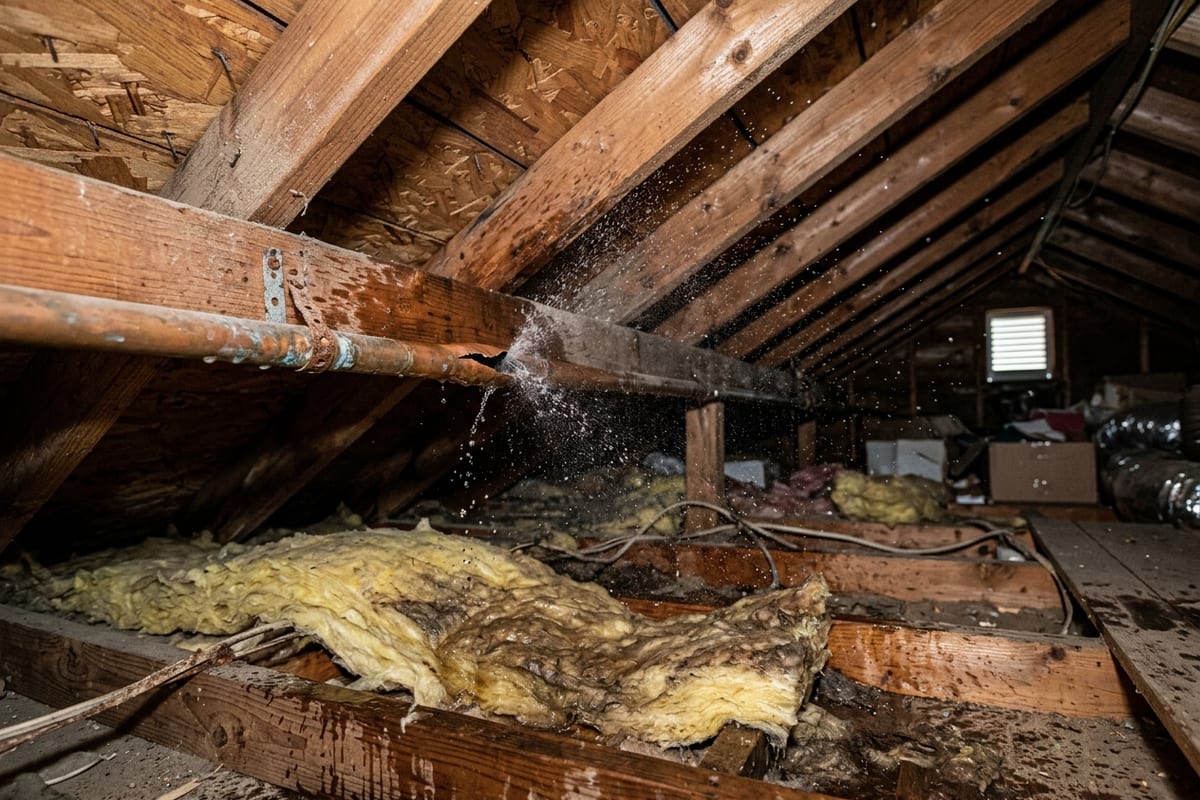
Burst pipe cleanup addresses high-pressure plumbing ruptures in attics, crawlspaces, and interior walls by immediately stopping water flow, extracting water cascading through ceilings, and drying framing to prevent structural rot.
Check 45–60 Min Response Time for Your Rapid City ZIP Code
WaterRestore Pro dispatches IICRC-certified emergency teams across Pennington County 24 hours a day, 365 days a year. Verify rapid on-site coverage for your postal code:
Check Your ZIP Code Coverage
Verify immediate 45–60 minute emergency water extraction dispatch across our 50-state nationwide coverage network.
Frequently Asked Questions in Rapid City, SD
How fast do emergency water mitigation crews respond in Rapid City?+
Certified emergency response teams operate 24 hours a day across Pennington County, arriving at Rapid City locations within 45 to 60 minutes with commercial extraction gear.
Why are foundation leaks so common in Rapid City homes?+
Rapid City's subsoil contains high concentrations of Pierre shale and bentonite clay, which expand powerfully against concrete basement walls when wet, creating cracks that allow groundwater to enter.
Nearby Communities We Serve:
Standing Water in Your Home? Minutes Count.
Emergency water extraction units are on call 24 hours a day across all major metropolitan service areas. Call now for priority dispatch.