Water Damage Restoration in Seattle, WA
Seattle is Washington's premier economic hub, renowned for iconic hilly geography nestled between Puget Sound and Lake Washington. Properties across historic Queen Anne, Capitol Hill, Ballard, and West Seattle encounter distinct water emergencies driven by continuous winter atmospheric river rainfall, saturated glacial till slopes, and aging municipal plumbing infrastructure.
Seattle, WA Coverage Facts
- Jurisdiction
- King County
- Target Response Time
- 45 to 60 Minutes On-Site
- Disaster Coverage
- 24/7, 365 Days a Year
- Covered ZIP Codes
- 98101, 98103, 98105, 98107, 98109, 98115, 98122, 98133
Housing Architecture & Water Risks in Seattle, WA
Housing stock encompasses historic 1900s craftsman bungalows and Victorians with post-and-pier crawl spaces alongside mid-century split-levels and modern multistory timber-framed townhouses. Elevated marine ambient humidity slows natural building evaporation, requiring rapid deployment of commercial low-grain refrigerant dehumidifiers, thermal imaging cameras, and negative-pressure subfloor drying equipment.
Key Local Restoration Issues in Seattle
Glacial Till Slope Hydrostatic Seepage
Prolonged Pacific storms saturate steep hillside terrain, forcing groundwater through porous foundation concrete walls and causing chronic moisture intrusion in daylight basements and terraced foundation living spaces.
Post-and-Pier Crawl Space Moisture Saturation
Unconditioned crawl spaces beneath older craftsman homes trap persistent dampness, rotting structural subflooring joists and promoting accelerated fungal mold growth when bathroom water supply lines rupture.
Aging Vitrified Clay Sanitary Lateral Backups
Historic residential clay sewer lines suffer from aggressive tree root intrusion and rainwater inundation, causing hazardous Category 3 blackwater backups through basement floor drains during winter deluges.
Regional Climate & Weather Risks in Seattle
Geology, Soil & Foundation Dynamics in Seattle
Building Stock & Primary Dispatch Triggers in Seattle
Craftsman bungalows with daylight basements, mid-century split-levels with crawlspaces, modern rain-screen contemporary construction, and timber-frame homes.
- •Perched water table seepage into daylight and walkout basements
- •Crawlspace standing water and mold proliferation from prolonged wet soil
- •Gutters and downspout backups from pine needles and moss debris
- •Supply line freeze ruptures during sudden arctic cold air spills through the Cascades
Local Water & Infrastructure Profile: Seattle
Local Response & Property Access Protocols in Seattle
Insurance Claim Documentation & Billing Guidelines in Washington
Washington state water mitigation claims are governed by the Office of the Insurance Commissioner (OIC) under WAC 284-30-330 through 284-30-380. Insurance carriers must acknowledge notice of a claim within 10 working days and complete claim investigations within 30 days after receiving proof of loss. Washington regulations prohibit unfair claims practices, ensuring policyholders can choose any certified disaster restoration contractor. Given the Pacific Northwest's extended wet seasons, mitigation teams emphasize continuous industrial dehumidification to prevent mold colonisation, generating comprehensive daily moisture logs, atmospheric readings, and itemized Xactimate invoices that meet standard carrier submission standards. Washington Office of the Insurance Commissioner (OIC) regulations under WAC 284-30 mandate detailed and transparent claim records. Mitigation contractors compile daily atmospheric psychrometric logs, tracking grains per pound (GPP) and relative humidity to prove continuous drying progress in the Pacific Northwest's humid coastal climate. Moisture meter readings across wood framing and drywall verify that materials reach dry standards before containment removal. Standardized Xactimate billing is routed directly to insurance carriers to ensure prompt settlement under Washington fair claims standards.
Policyholder Rights & Independent Contractor Selection in Washington
Under Washington insurance regulations, residential and commercial property owners maintain the full legal authority to hire any licensed, independent disaster restoration contractor of their choice. Insurance carriers and claims adjusters are prohibited from steering or mandating the use of preferred network vendors. WaterRestore Pro dispatches certified local mitigation specialists who adhere strictly to ANSI/IICRC S500 standards, recording daily psychrometric logs, moisture baselines, and thermal imaging scans. All repair scopes are compiled using standardized Xactimate line items and submitted directly to your insurance company, supporting direct carrier billing and protecting homeowners from upfront costs on covered peril claims.
Common Emergency Calls in Seattle
Local ProtocolWater Damage Restoration→
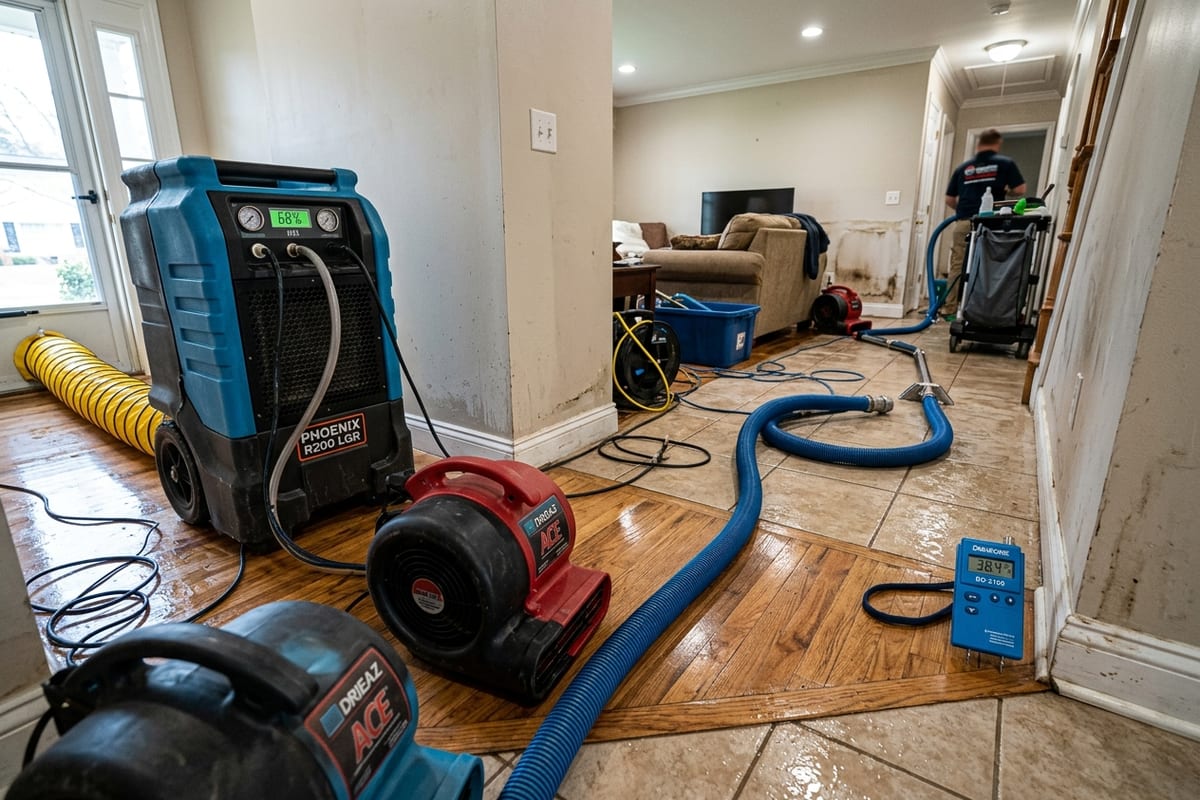
Professional water damage restoration stops progressive structural deterioration, extracts standing water with truck-mounted pumps, and dries internal wall cavities using industrial dehumidifiers within 72 hours to prevent hazardous mold growth.
 Local Protocol
Emergency Water Extraction→
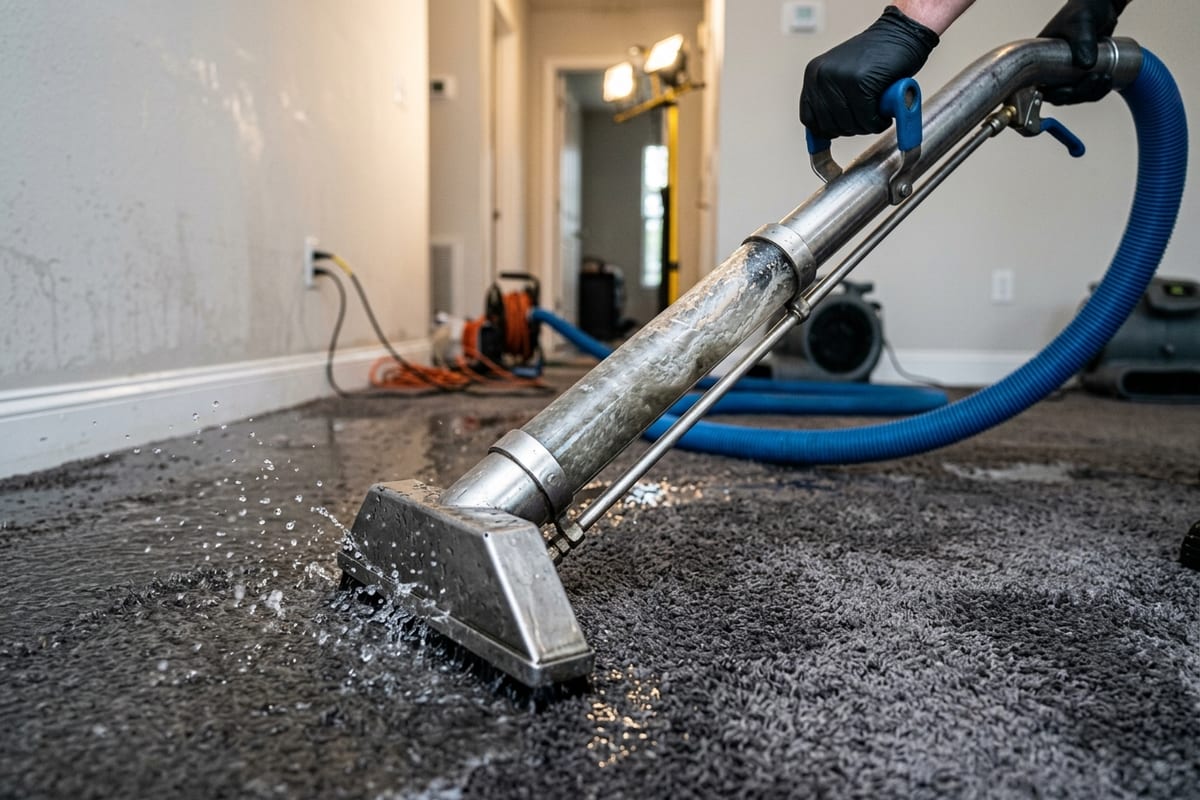
Emergency water extraction uses heavy-duty submersible pumps and truck-mounted vacuum units to physically extract hundreds of gallons of standing water per hour from flooded homes and businesses before structural framing absorbs it.
 Local Protocol
Burst & Frozen Pipe Cleanup→
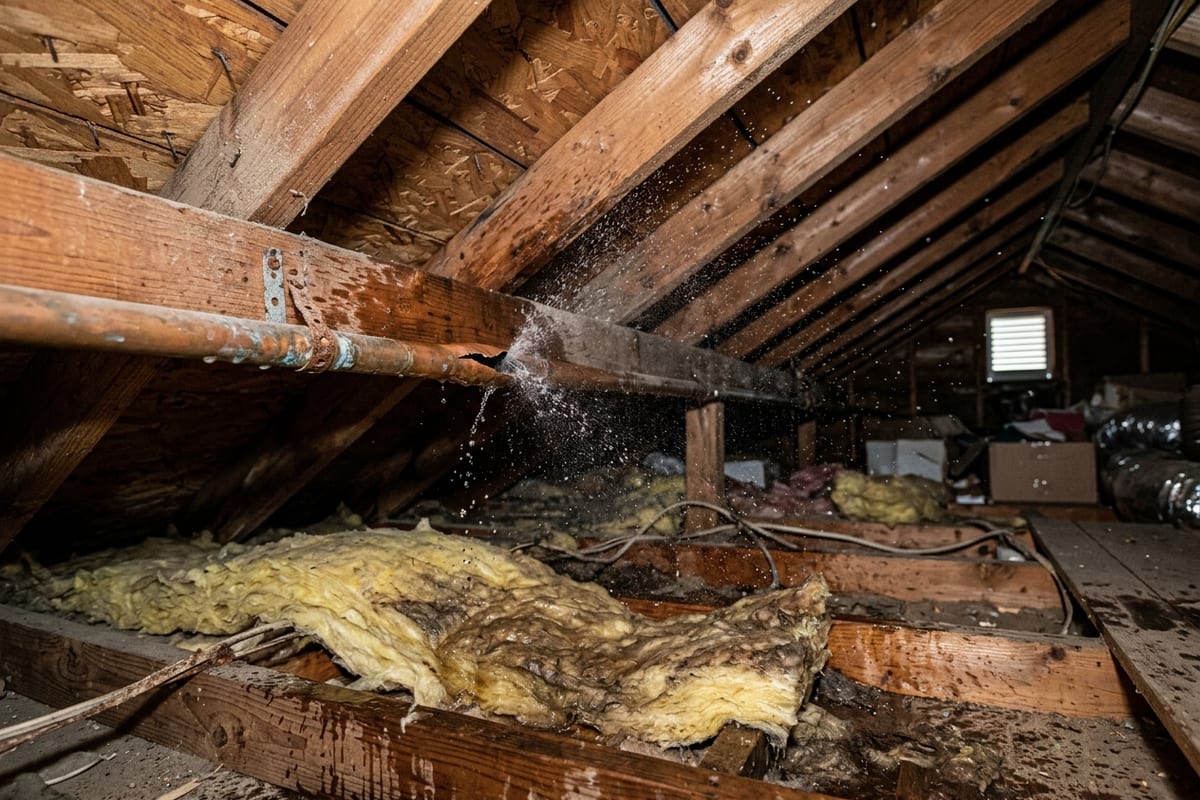
Burst pipe cleanup addresses high-pressure plumbing ruptures in attics, crawlspaces, and interior walls by immediately stopping water flow, extracting water cascading through ceilings, and drying framing to prevent structural rot.
 Local Protocol
Mold Remediation & Removal→
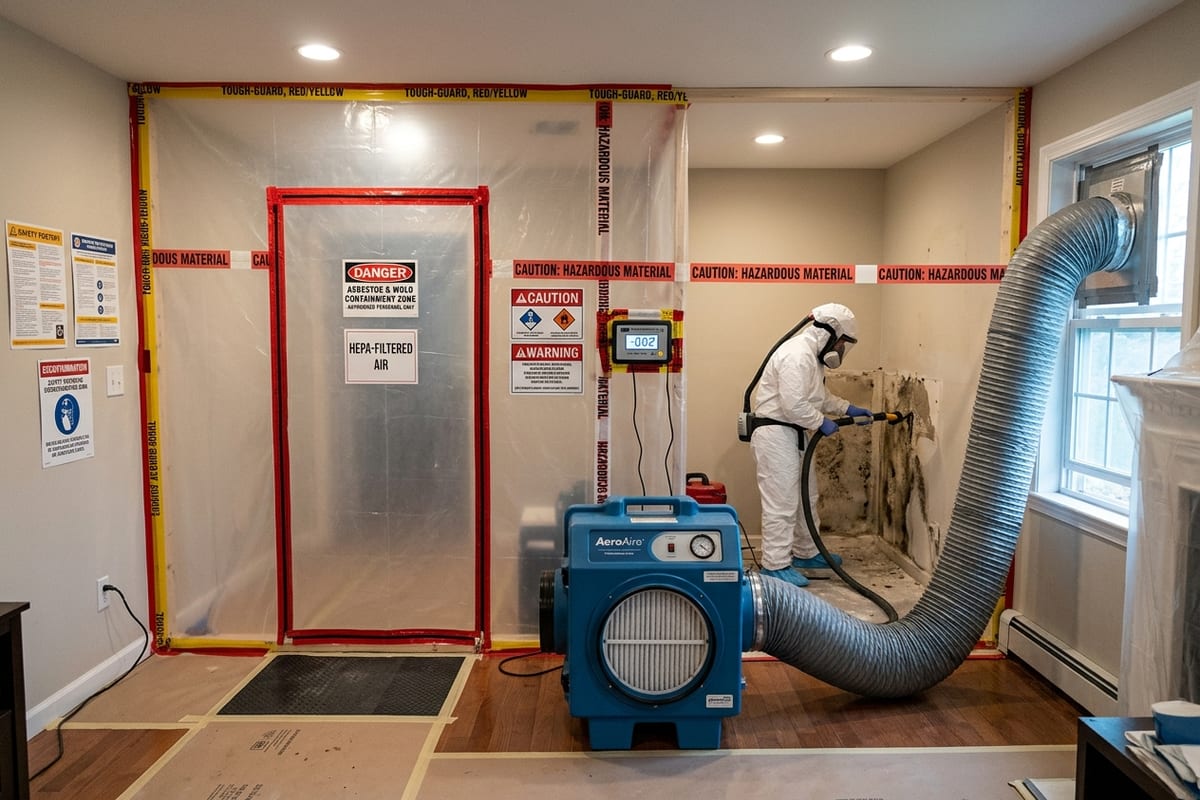
Certified mold remediation isolates active fungal colonies under negative air pressure, safely removes colonized building materials, and purifies indoor air with HEPA scrubbers to eliminate mycotoxins and prevent recurrence.
Check 45–60 Min Response Time for Your Seattle ZIP Code
WaterRestore Pro dispatches IICRC-certified emergency teams across King County 24 hours a day, 365 days a year. Verify rapid on-site coverage for your postal code:
Check Your ZIP Code Coverage
Verify immediate 45–60 minute emergency water extraction dispatch across our 50-state nationwide coverage network.
Frequently Asked Questions in Seattle, WA
How do you remediate crawlspace moisture in Seattle homes?+
Prolonged Pacific Northwest rains saturate the soil beneath crawlspaces, causing humidity levels above 70% where wood-destroying fungi thrive. WaterRestore Pro pumps out standing water, treats framing with botanical antimicrobials, installs heavy 20-mil puncture-resistant vapor barriers, and operates continuous drying fans.
How do daylight basements in hilly Seattle neighborhoods flood?+
Subsurface groundwater flows downhill through permeable glacial sand until it hits impermeable Seattle clay. This creates a perched water table that forces water through foundation cracks. We provide emergency extraction, hydrostatic pressure mitigation, and deep structural wall drying.
What should Seattle homeowners do if mold is discovered during water drying?+
Under IICRC S520 guidelines, visible mold must be contained with negative air HEPA filtration before high-velocity fans are positioned, preventing spore dispersal. WaterRestore Pro is fully certified in both water mitigation and structural mold remediation.
Nearby Communities We Serve:
Standing Water in Your Home? Minutes Count.
Emergency water extraction units are on call 24 hours a day across all major metropolitan service areas. Call now for priority dispatch.