Water Damage Restoration in Spokane, WA
Spokane is Eastern Washington's largest urban center, located along the Spokane River near the Idaho border. Featuring historic South Hill estates, mid-century ranch homes in Shadle Park, and modern suburban tracts, properties face harsh inland winter freezes, river basin runoff, and high-pressure burst pipe emergencies that threaten finished basements.
Spokane, WA Coverage Facts
- Jurisdiction
- Spokane County
- Target Response Time
- 45 to 60 Minutes On-Site
- Disaster Coverage
- 24/7, 365 Days a Year
- Covered ZIP Codes
- 99201, 99203, 99205, 99207, 99208, 99218, 99223
Housing Architecture & Water Risks in Spokane, WA
Homes range from early-20th-century brick residences on raised stone foundations to post-war split-levels and contemporary developments with deep poured concrete basements. Inland freezing temperatures routinely drop below zero, demanding vigilant pipe insulation, high-capacity water pumping, and heavy industrial drying systems to prevent permanent structural rot.
Key Local Restoration Issues in Spokane
Sub-Zero Inland Winter Freeze Ruptures
Prolonged Arctic cold snaps drop temperatures well below zero, freezing domestic water lines in unheated basements, crawl spaces, and exterior walls, triggering catastrophic ceiling and floor collapses upon thawing.
Spokane River Alluvial Basin Groundwater Infiltration
Spring mountain snowmelt swells the Spokane River watershed, elevating local water tables and driving high-pressure seepage through basement foundation walls and overtopping residential sump basins.
Aging Cast-Iron Waste Line Freezing & Fractures
Older South Hill homes retain vintage cast-iron sewer stacks that contract and crack during rapid winter temperature drops, spilling wastewater into finished basement family rooms.
Insurance Claim Documentation & Billing Guidelines in Washington
Washington state water mitigation claims are governed by the Office of the Insurance Commissioner (OIC) under WAC 284-30-330 through 284-30-380. Insurance carriers must acknowledge notice of a claim within 10 working days and complete claim investigations within 30 days after receiving proof of loss. Washington regulations prohibit unfair claims practices, ensuring policyholders can choose any certified disaster restoration contractor. Given the Pacific Northwest's extended wet seasons, mitigation teams emphasize continuous industrial dehumidification to prevent mold colonisation, generating comprehensive daily moisture logs, atmospheric readings, and itemized Xactimate invoices that meet standard carrier submission standards. Washington Office of the Insurance Commissioner (OIC) regulations under WAC 284-30 mandate detailed and transparent claim records. Mitigation contractors compile daily atmospheric psychrometric logs, tracking grains per pound (GPP) and relative humidity to prove continuous drying progress in the Pacific Northwest's humid coastal climate. Moisture meter readings across wood framing and drywall verify that materials reach dry standards before containment removal. Standardized Xactimate billing is routed directly to insurance carriers to ensure prompt settlement under Washington fair claims standards.
Policyholder Rights & Independent Contractor Selection in Washington
Under Washington insurance regulations, residential and commercial property owners maintain the full legal authority to hire any licensed, independent disaster restoration contractor of their choice. Insurance carriers and claims adjusters are prohibited from steering or mandating the use of preferred network vendors. WaterRestore Pro dispatches certified local mitigation specialists who adhere strictly to ANSI/IICRC S500 standards, recording daily psychrometric logs, moisture baselines, and thermal imaging scans. All repair scopes are compiled using standardized Xactimate line items and submitted directly to your insurance company, supporting direct carrier billing and protecting homeowners from upfront costs on covered peril claims.
Common Emergency Calls in Spokane
Local ProtocolWater Damage Restoration→
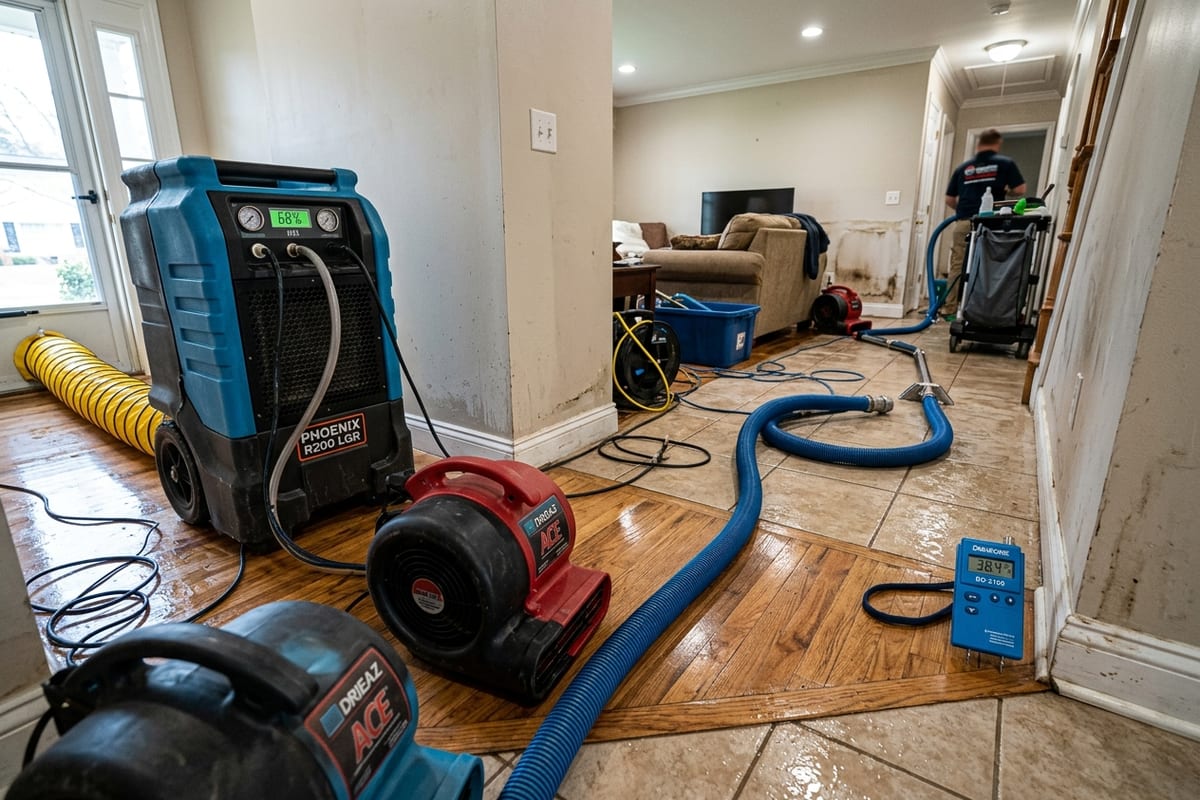
Professional water damage restoration stops progressive structural deterioration, extracts standing water with truck-mounted pumps, and dries internal wall cavities using industrial dehumidifiers within 72 hours to prevent hazardous mold growth.
 Local Protocol
Emergency Water Extraction→
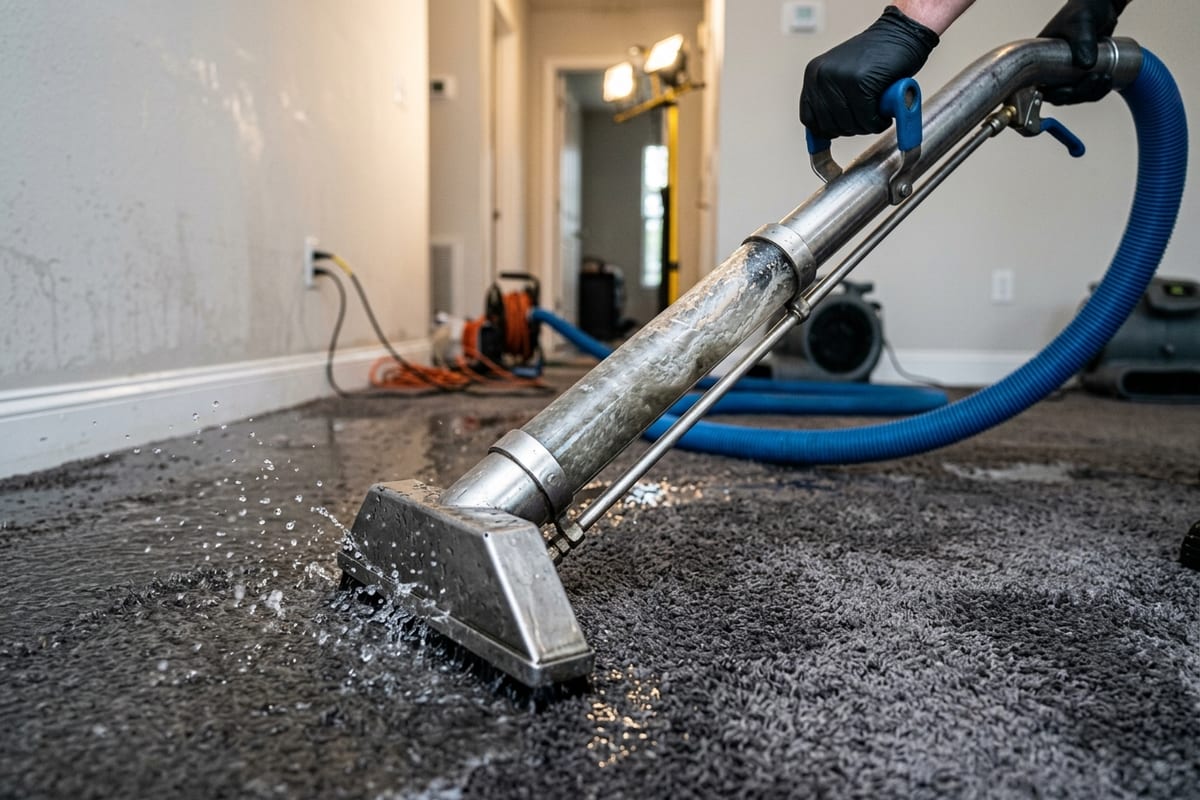
Emergency water extraction uses heavy-duty submersible pumps and truck-mounted vacuum units to physically extract hundreds of gallons of standing water per hour from flooded homes and businesses before structural framing absorbs it.
 Local Protocol
Burst & Frozen Pipe Cleanup→
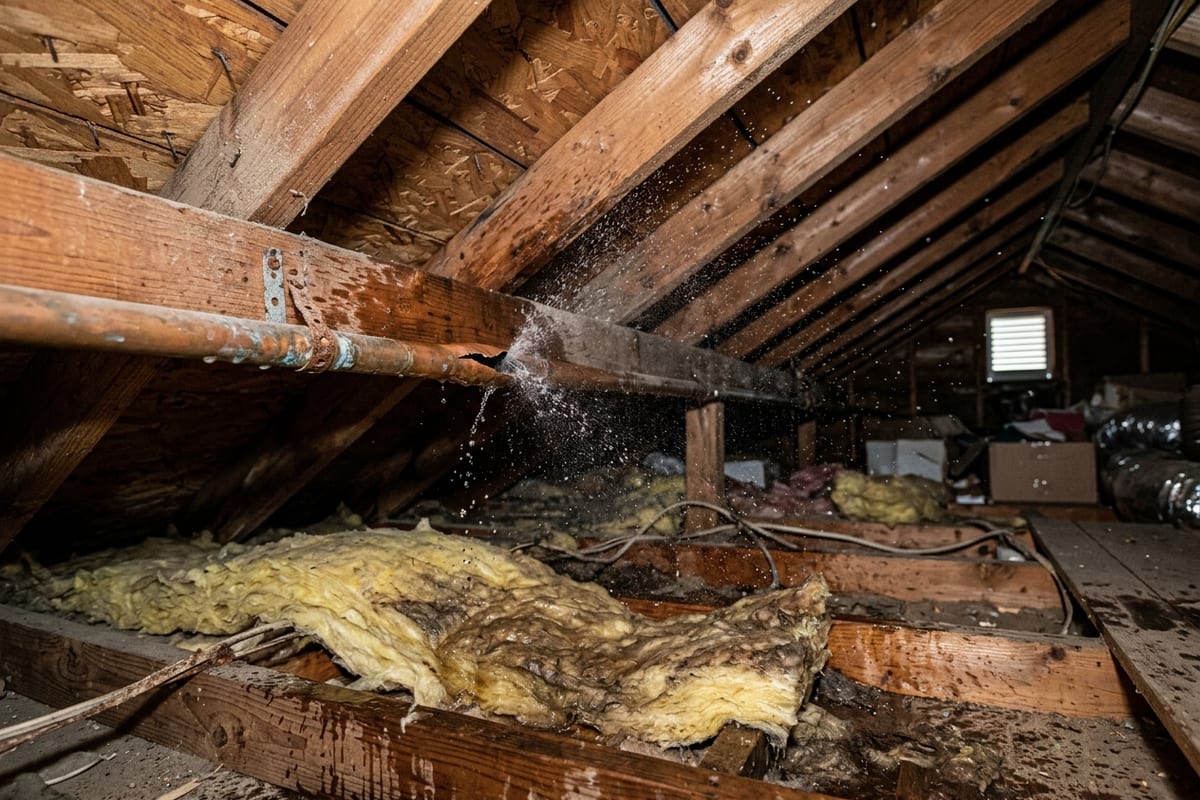
Burst pipe cleanup addresses high-pressure plumbing ruptures in attics, crawlspaces, and interior walls by immediately stopping water flow, extracting water cascading through ceilings, and drying framing to prevent structural rot.
 Local Protocol
Sewage Backup & Biohazard Cleanup→
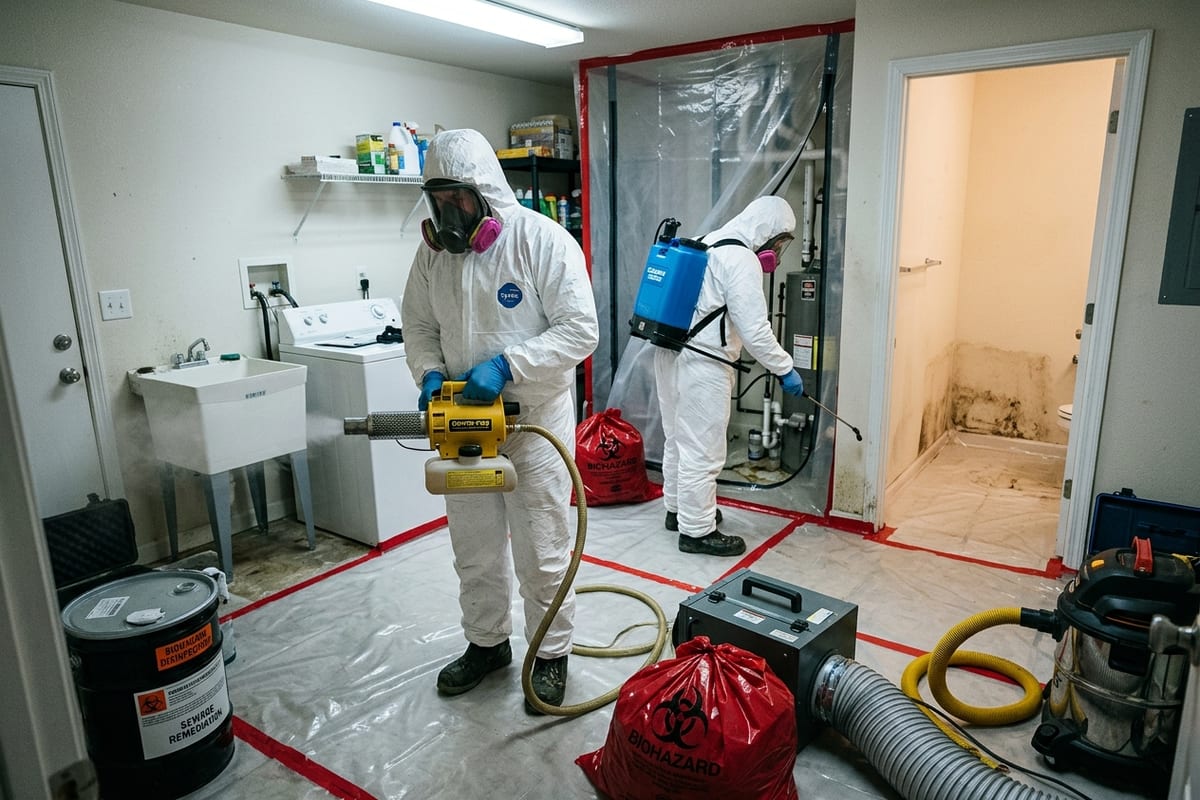
Sewage cleanup safely extracts hazardous Category 3 black water containing dangerous bacteria and pathogens, removes saturated porous building materials, and sanitizes contaminated surfaces with broad-spectrum disinfectants.
Check 45–60 Min Response Time for Your Spokane ZIP Code
WaterRestore Pro dispatches IICRC-certified emergency teams across Spokane County 24 hours a day, 365 days a year. Verify rapid on-site coverage for your postal code:
Check Your ZIP Code Coverage
Verify immediate 45–60 minute emergency water extraction dispatch across our 50-state nationwide coverage network.
Frequently Asked Questions in Spokane, WA
What should Spokane homeowners do immediately when a winter pipe bursts?+
Immediately locate and shut off the main water shutoff valve, turn off power to the flooded rooms at the electrical panel, and call WaterRestore Pro for 24/7 emergency water extraction.
How fast do emergency mitigation units arrive in Spokane?+
Crews arrive within 45 to 60 minutes across Spokane County 24 hours a day, 7 days a week, fully equipped with high-vacuum extraction units.
Nearby Communities We Serve:
Standing Water in Your Home? Minutes Count.
Emergency water extraction units are on call 24 hours a day across all major metropolitan service areas. Call now for priority dispatch.