Water Damage Restoration in Milwaukee, WI
Milwaukee is Wisconsin's largest city and the cultural anchor of Lake Michigan's western shore, positioned at the confluence of the Milwaukee, Menomonee, and Kinnickinnic rivers. Renowned for its iconic Cream City brick architecture, historic German duplexes in Bay View and Riverwest, and lakefront estates on the East Side, Milwaukee properties face severe water emergencies driven by Lake Michigan squalls, three-river basin flood crests, and sub-zero Arctic freeze snaps.
Milwaukee, WI Coverage Facts
- Jurisdiction
- Milwaukee County
- Target Response Time
- 45 to 60 Minutes On-Site
- Disaster Coverage
- 24/7, 365 Days a Year
- Covered ZIP Codes
- 53202, 53203, 53204, 53207, 53208, 53211, 53212, 53215, 53217
Housing Architecture & Water Risks in Milwaukee, WI
Housing stock consists of an extraordinary inventory of 19th-century Cream City brick four-squares, classic Polish flats, and Victorian frame residences built with deep stone rubble or concrete block basements. Heavy lake-effect snowfalls followed by rapid winter warming compress foundation perimeters with immense hydrostatic snowmelt pressure. When sub-zero polar vortex blasts sweep across Lake Michigan, uninsulated domestic supply lines in drafty basements, unconditioned exterior wall chases, and cantilevered crawl spaces freeze and violently rupture, requiring immediate high-capacity truck-mounted water extraction, commercial LGR dehumidification, and structural wood framing desiccation compliant with IICRC S500 standards.
Key Local Restoration Issues in Milwaukee
Three Rivers Confluence & Combined Sewer Surcharges
Torrential downpours rapidly overload the Milwaukee, Menomonee, and Kinnickinnic river basins, forcing contaminated Category 3 sewage back through residential basement floor drains.
Sub-Zero Polar Vortex Domestic Supply Pipe Freeze Bursts
Prolonged winter cold snaps dipping to minus twenty degrees freeze copper and galvanized supply lines in drafty Cream City brick chases that rupture violently upon thawing.
Lake Michigan Lakefront Snowmelt Hydrostatic Basement Seepage
Massive winter snow accumulations followed by sudden warming events saturate coastal soils, exerting intense hydrostatic pressure that drives water through stone rubble foundation walls.
Regional Climate & Weather Risks in Milwaukee
Geology, Soil & Foundation Dynamics in Milwaukee
Building Stock & Primary Dispatch Triggers in Milwaukee
Historic Polish flat duplexes, Cream City brick buildings, mid-century ranch homes with full basements, and modern lakefront condominiums.
- •Severe winter pipe freezes bursting copper and PEX lines in exterior walls
- •Basement flooding from combined sewer backups during heavy lake-effect rains
- •Sump pump failures and power outages during severe spring thunderstorms
- •Ice dam melt infiltration behind eaves and exterior wall drywall
Local Water & Infrastructure Profile: Milwaukee
Local Response & Property Access Protocols in Milwaukee
Insurance Claim Documentation & Billing Guidelines in Wisconsin
Wisconsin water mitigation insurance claims are governed by the Office of the Commissioner of Insurance (OCI) under Wis. Stat. § 628.46 and Wis. Admin. Code Ins § 6.11. Insurers must pay claims within 30 days of receiving proof of loss, with overdue payments incurring a mandatory 7.5% annual interest penalty. Policyholders in Wisconsin have the right to select an independent restoration contractor. Given severe upper Midwest freeze seasons, crews provide thermal imaging evidence of freeze breaks and daily moisture logging to ensure carrier approval. Wisconsin Office of the Commissioner of Insurance (OCI) regulations under Wis. Stat. § 628.46 require timely and verifiable claim documentation. Restoration specialists provide daily psychrometric charts tracking grains per pound (GPP) and temperature to confirm structural desiccation. Winter freeze breaks are documented with photographs establishing that indoor heat was maintained. Detailed Xactimate estimates are submitted directly to carriers to support direct insurance billing under Wisconsin prompt payment statutes.
Policyholder Rights & Independent Contractor Selection in Wisconsin
Under Wisconsin insurance regulations, residential and commercial property owners maintain the full legal authority to hire any licensed, independent disaster restoration contractor of their choice. Insurance carriers and claims adjusters are prohibited from steering or mandating the use of preferred network vendors. WaterRestore Pro dispatches certified local mitigation specialists who adhere strictly to ANSI/IICRC S500 standards, recording daily psychrometric logs, moisture baselines, and thermal imaging scans. All repair scopes are compiled using standardized Xactimate line items and submitted directly to your insurance company, supporting direct carrier billing and protecting homeowners from upfront costs on covered peril claims.
Common Emergency Calls in Milwaukee
Local ProtocolWater Damage Restoration→
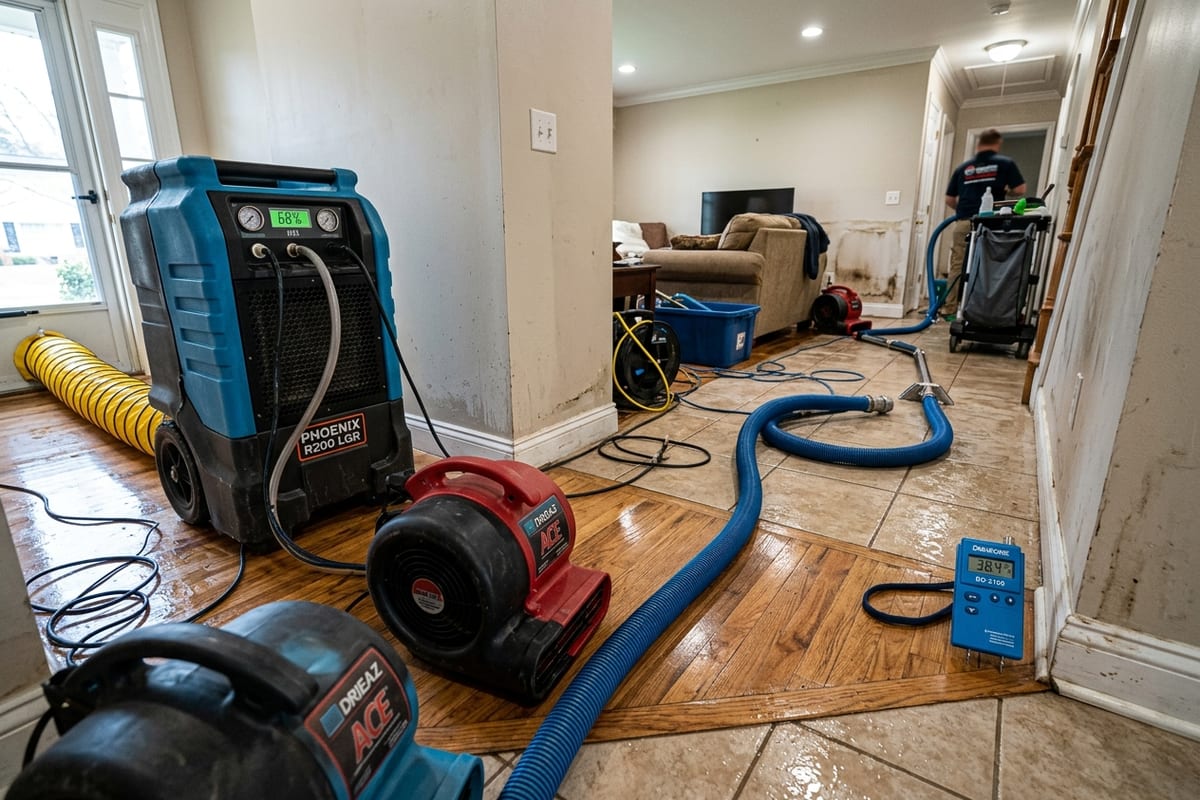
Professional water damage restoration stops progressive structural deterioration, extracts standing water with truck-mounted pumps, and dries internal wall cavities using industrial dehumidifiers within 72 hours to prevent hazardous mold growth.
 Local Protocol
Emergency Water Extraction→
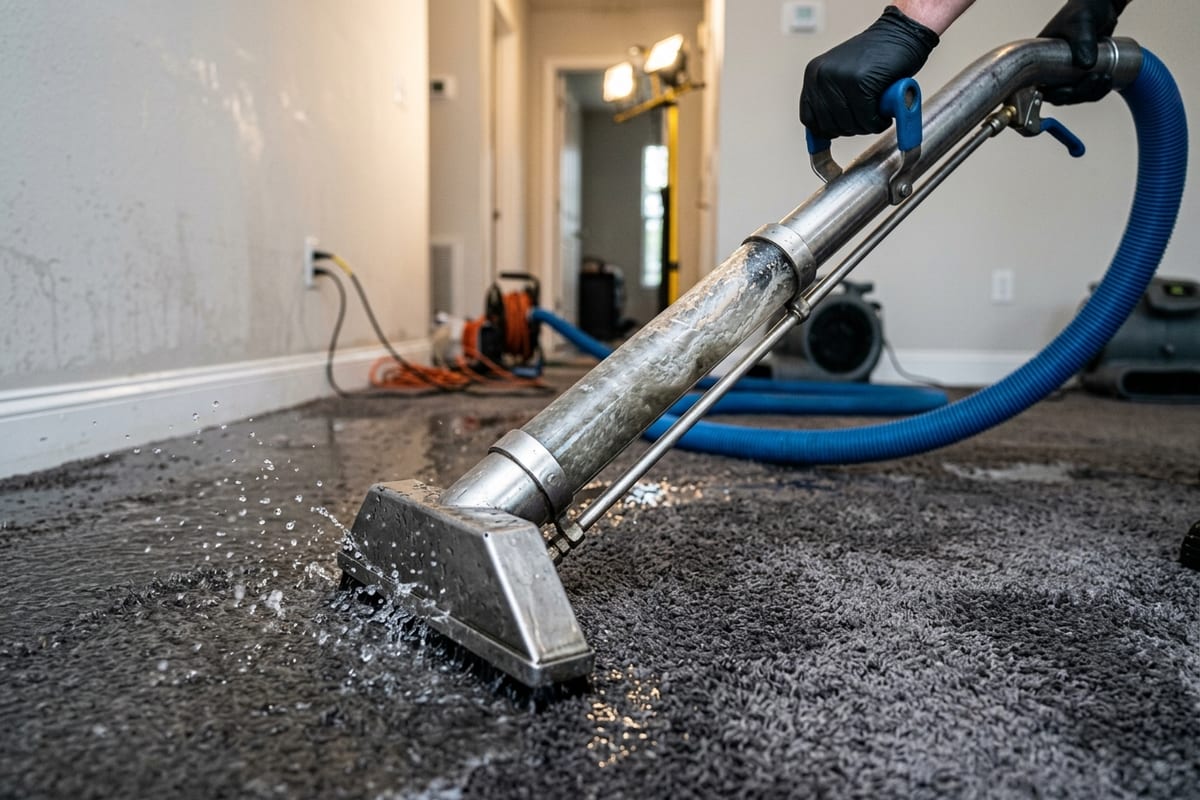
Emergency water extraction uses heavy-duty submersible pumps and truck-mounted vacuum units to physically extract hundreds of gallons of standing water per hour from flooded homes and businesses before structural framing absorbs it.
 Local Protocol
Burst & Frozen Pipe Cleanup→
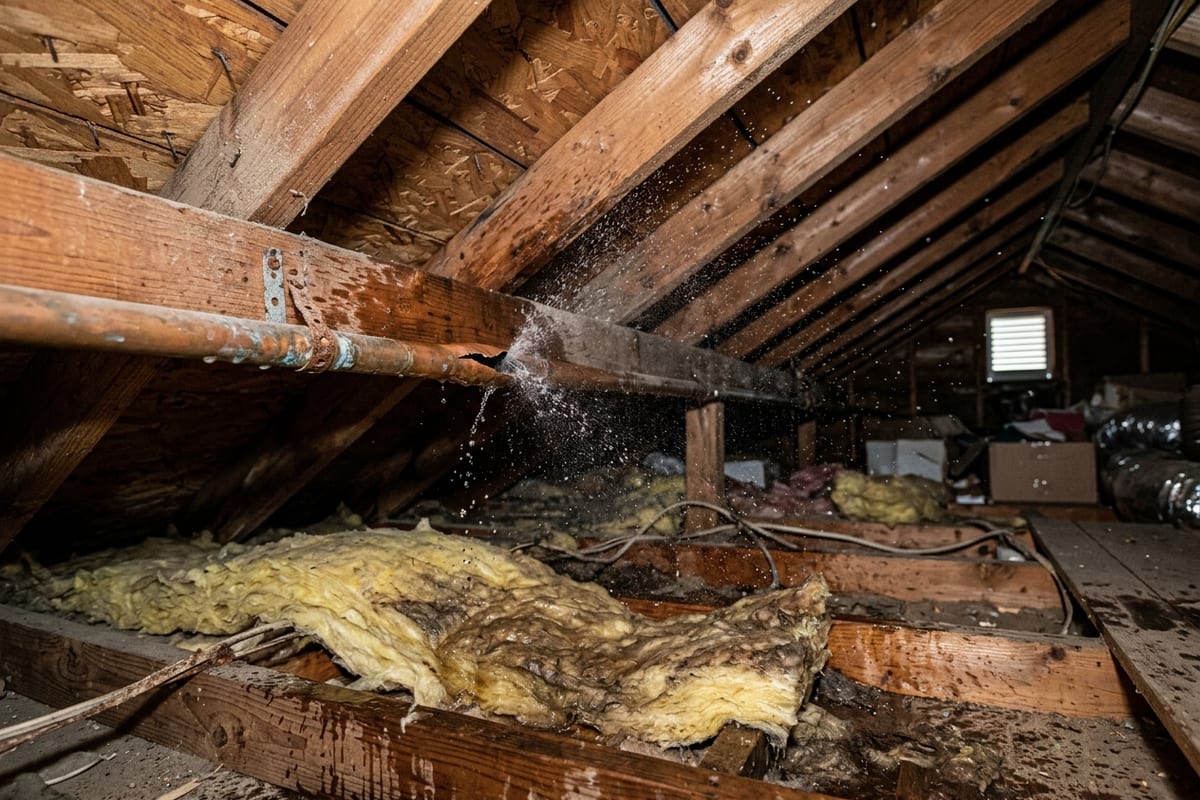
Burst pipe cleanup addresses high-pressure plumbing ruptures in attics, crawlspaces, and interior walls by immediately stopping water flow, extracting water cascading through ceilings, and drying framing to prevent structural rot.
 Local Protocol
Sewage Backup & Biohazard Cleanup→
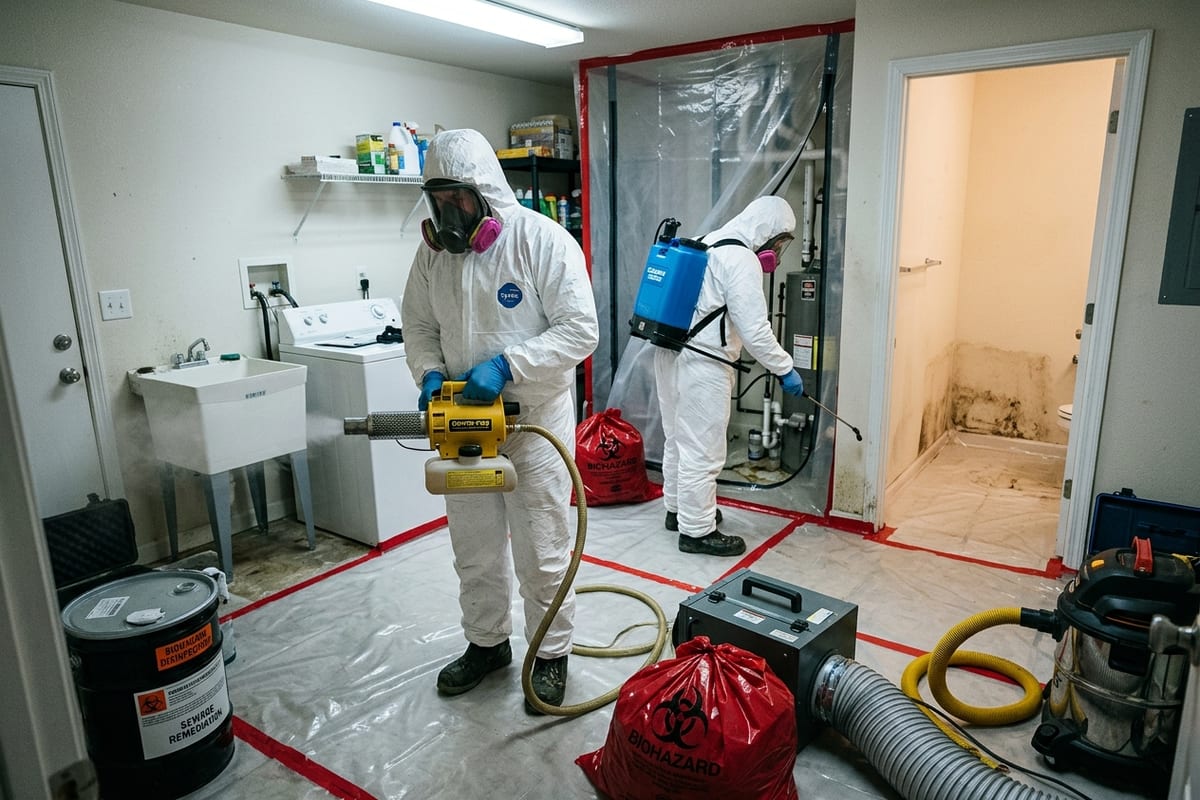
Sewage cleanup safely extracts hazardous Category 3 black water containing dangerous bacteria and pathogens, removes saturated porous building materials, and sanitizes contaminated surfaces with broad-spectrum disinfectants.
Check 45–60 Min Response Time for Your Milwaukee ZIP Code
WaterRestore Pro dispatches IICRC-certified emergency teams across Milwaukee County 24 hours a day, 365 days a year. Verify rapid on-site coverage for your postal code:
Check Your ZIP Code Coverage
Verify immediate 45–60 minute emergency water extraction dispatch across our 50-state nationwide coverage network.
Frequently Asked Questions in Milwaukee, WI
How do you dry wet Cream City brick after a water loss in Milwaukee?+
Cream City brick is made from local lacustrine clay containing high magnesium and calcium, making it unusually porous. Standard air movers are insufficient. WaterRestore Pro deploys specialized desiccant dehumidifiers to draw deep moisture out of the brick without causing surface spalling.
What precautions should Milwaukee property owners take during sub-zero polar vortex events?+
Keep cabinet doors open under sinks on exterior walls, let faucets drip slightly, and maintain thermostat settings at 65°F or above. If a freeze rupture occurs, call WaterRestore Pro immediately for rapid water shutoff assistance, extraction, and structural drying.
Does Wisconsin homeowners insurance cover basement sewer backups?+
Sewer backups require a specific endorsement for Water Backup and Sump Overflow. Sudden interior pipe breaks are covered under standard policies. We provide detailed photo and moisture evidence to substantiate your claim.
Nearby Communities We Serve:
Standing Water in Your Home? Minutes Count.
Emergency water extraction units are on call 24 hours a day across all major metropolitan service areas. Call now for priority dispatch.