Water Damage Restoration in Cheyenne, WY
Cheyenne is Wyoming's state capital and largest city, situated on the high windswept plains of southeastern Wyoming at an elevation of 6,087 feet near the junction of Crow Creek and Dry Creek. Spanning historic late 19th-century Victorian and brick residences near the State Capitol to post-war ranches and expanding suburban communities in North Cheyenne and Saddle Ridge, Cheyenne properties face unique moisture hazards from Crow Creek spring flash floods, intense high-altitude winter freezes, and sustained high-plains winds that accelerate structural heat loss and frozen pipe disasters.
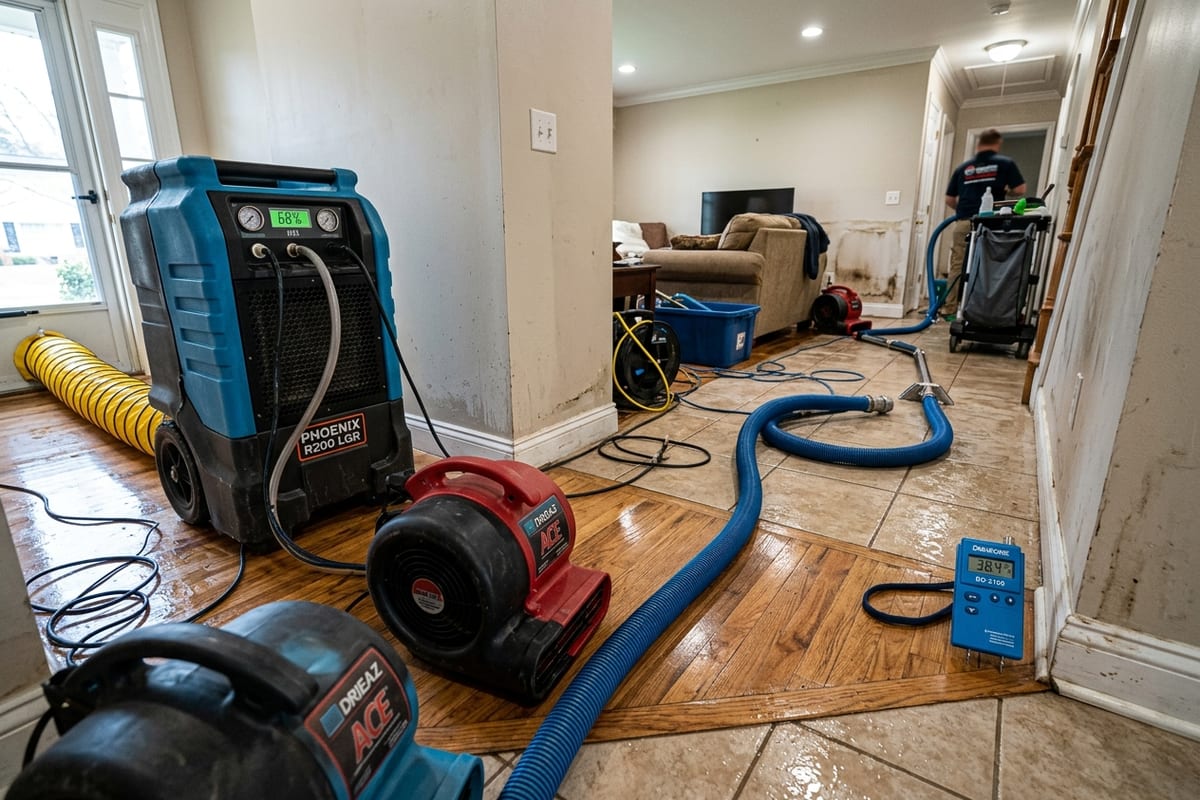
Cheyenne, WY Coverage Facts
- Jurisdiction
- Laramie County
- Target Response Time
- 45 to 60 Minutes On-Site
- Disaster Coverage
- 24/7, 365 Days a Year
- Covered ZIP Codes
- 82001, 82007, 82009
Housing Architecture & Water Risks in Cheyenne, WY
Cheyenne residential architecture consists of historic turn-of-the-century homes with stone or brick foundations, mid-century daylight ranches, and contemporary single-family developments. Poured concrete and concrete block basements are universal to place footings below the local 42-to-48-inch winter frost line. The high plains experience sustained 40-to-60-mph winds during winter, forcing cold air into uninsulated rim joists and exterior wall cavities, freezing domestic water lines. In spring and early summer, intense convective hailstorms and torrential rain downpours overwhelm Crow Creek drainage channels, backing storm runoff into residential window wells and basement foundations.
Key Local Restoration Issues in Cheyenne
Crow Creek Convective Storm Flash Inundation
Severe high-plains thunderstorms drop torrential rain and hail, overwhelming Crow Creek drainage channels and flooding lower-level basements and window wells.
High-Altitude Polar Vortex Pipe Freeze Ruptures
Wind-driven winter cold snaps dropping below -25°F freeze domestic supply and fire protection plumbing in exterior wall chases and unheated basements.
Attic Ice Damming from Wind-Blown Prairie Snowpack
Heavy drifting snow accumulates on residential roofs, melting from interior heat loss and freezing at cold eaves, forcing water into ceiling drywall.
Insurance Claim Documentation & Billing Guidelines in Wyoming
In Wyoming, property water mitigation claims are governed by the Wyoming Department of Insurance under Wyo. Stat. Ann. § 26-13-124. Carriers must acknowledge claims within 20 calendar days and resolve claims without unreasonable delay. Wyoming property owners have the right to select an independent restoration firm. Technicians provide thermal imaging evidence and daily psychrometric drying logs to adjusters. Wyoming Department of Insurance regulations under Wyo. Stat. Ann. § 26-13-124 require objective and detailed proof of loss for water mitigation claims. Certified crews supply daily psychrometric drying charts, thermal imaging moisture maps, and moisture probe baselines for all affected structural framing. Standardized Xactimate estimates are billed directly to insurance carriers to ensure rapid claim resolution.
Policyholder Rights & Independent Contractor Selection in Wyoming
Under Wyoming insurance regulations, residential and commercial property owners maintain the full legal authority to hire any licensed, independent disaster restoration contractor of their choice. Insurance carriers and claims adjusters are prohibited from steering or mandating the use of preferred network vendors. WaterRestore Pro dispatches certified local mitigation specialists who adhere strictly to ANSI/IICRC S500 standards, recording daily psychrometric logs, moisture baselines, and thermal imaging scans. All repair scopes are compiled using standardized Xactimate line items and submitted directly to your insurance company, supporting direct carrier billing and protecting homeowners from upfront costs on covered peril claims.
Common Emergency Calls in Cheyenne
Local ProtocolWater Damage Restoration→
Professional water damage restoration stops progressive structural deterioration, extracts standing water with truck-mounted pumps, and dries internal wall cavities using industrial dehumidifiers within 72 hours to prevent hazardous mold growth.
 Local Protocol
Emergency Water Extraction→
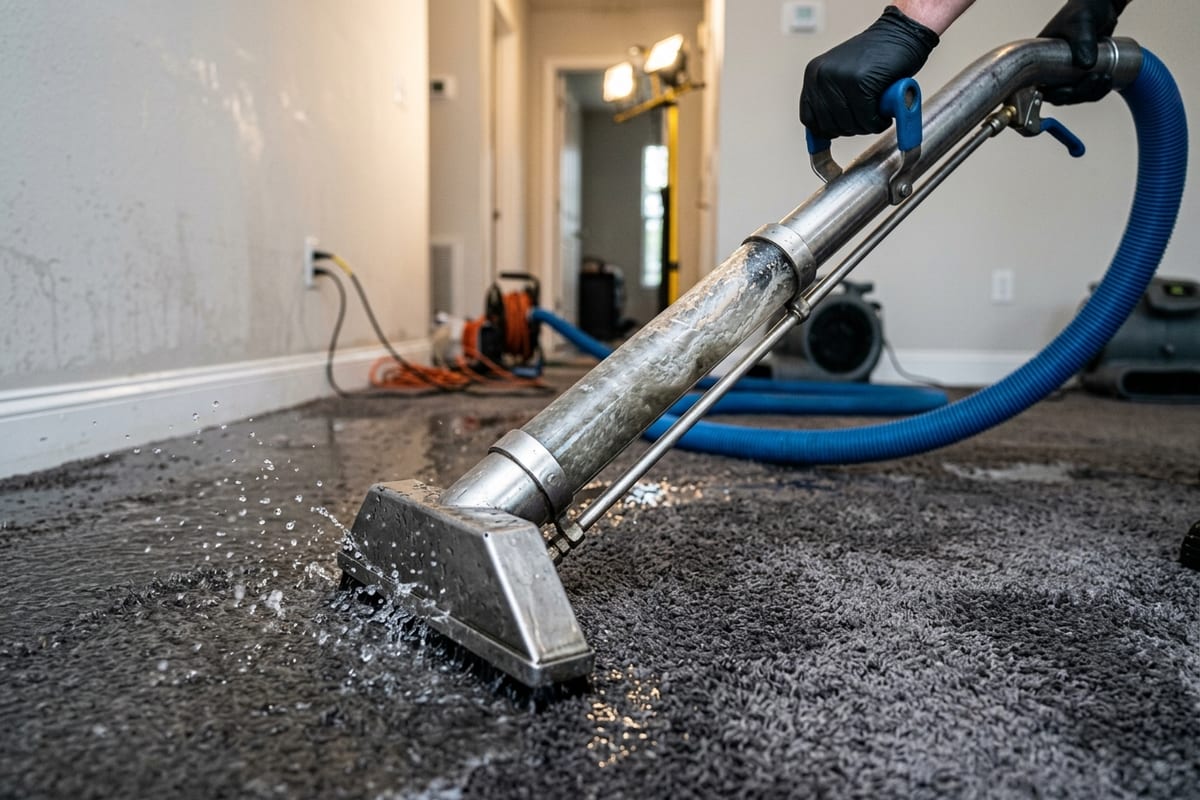
Emergency water extraction uses heavy-duty submersible pumps and truck-mounted vacuum units to physically extract hundreds of gallons of standing water per hour from flooded homes and businesses before structural framing absorbs it.
 Local Protocol
Burst & Frozen Pipe Cleanup→
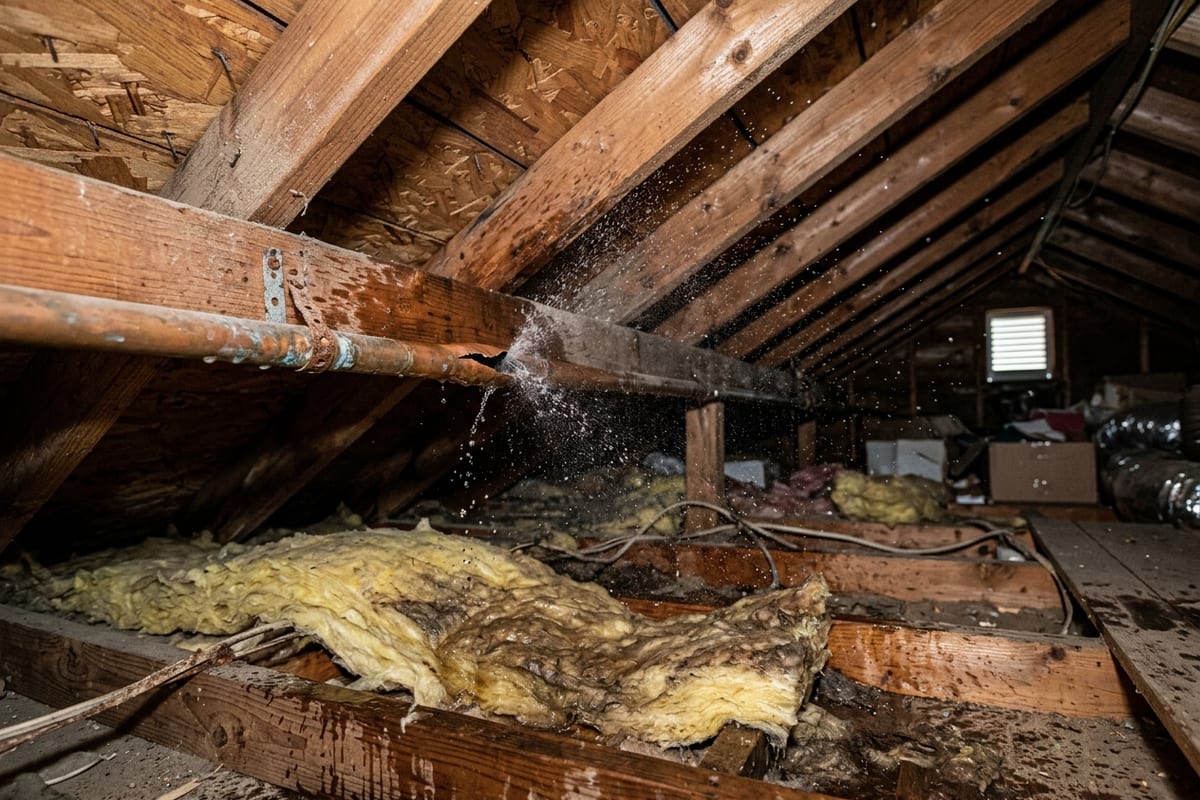
Burst pipe cleanup addresses high-pressure plumbing ruptures in attics, crawlspaces, and interior walls by immediately stopping water flow, extracting water cascading through ceilings, and drying framing to prevent structural rot.
Check 45–60 Min Response Time for Your Cheyenne ZIP Code
WaterRestore Pro dispatches IICRC-certified emergency teams across Laramie County 24 hours a day, 365 days a year. Verify rapid on-site coverage for your postal code:
Check Your ZIP Code Coverage
Verify immediate 45–60 minute emergency water extraction dispatch across our 50-state nationwide coverage network.
Frequently Asked Questions in Cheyenne, WY
How fast do emergency water restoration teams arrive in Cheyenne?+
Certified emergency response teams operate 24 hours a day across Laramie County, typically arriving on-site within 45 to 60 minutes with commercial extraction gear.
Why do pipes freeze so frequently in Cheyenne homes?+
Cheyenne's 6,000-foot elevation, prolonged sub-zero winter temperatures, and persistent 40+ mph winds strip heat rapidly from exterior walls, freezing pipes that lack adequate thermal insulation.
Nearby Communities We Serve:
Standing Water in Your Home? Minutes Count.
Emergency water extraction units are on call 24 hours a day across all major metropolitan service areas. Call now for priority dispatch.