Water Damage Restoration in Pasadena, CA
Pasadena is internationally renowned for its architectural heritage, from iconic Craftsman homes in the Arroyo Seco to stately historic estates in Oak Knoll and mid-century residences in Hastings Ranch. Nestled against the San Gabriel Mountains, Pasadena experiences intense seasonal runoff, expansive clay soils, and unique historic preservation guidelines during disaster restoration.
Pasadena, CA Coverage Facts
- Jurisdiction
- Los Angeles County
- Target Response Time
- 45 to 60 Minutes On-Site
- Disaster Coverage
- 24/7, 365 Days a Year
- Covered ZIP Codes
- 91101, 91103, 91104, 91105, 91106, 91107
Housing Architecture & Water Risks in Pasadena, CA
Historic homes predominantly feature raised pier-and-beam foundations with extensive wooden substructures, uninsulated crawl spaces, and delicate plaster walls. Modern additions and suburban tracts feature post-war concrete slabs that are susceptible to shifting soils and pressurized under-slab supply pipe shearing that require advanced acoustic electronic leak detection.
Key Local Restoration Issues in Pasadena
Arroyo Watershed Inundation & Foundation Dampness
Storm runoff funneling from the San Gabriel Mountains through the Arroyo Seco basin raises local water tables, saturating residential crawl space soils and causing chronic wooden sill plate rot and mold proliferation.
Vintage Plaster Wall & Lath Water Saturation
When roof breaches or upstairs plumbing failures occur in historic Craftsman homes, heavy plaster and wood lath walls absorb massive water volumes, requiring specialized low-grain desiccant drying to prevent historic wall collapse.
Raymond Fault Soil Settling & Slab Leaks
Subterranean movement along the Raymond Fault fractures aging copper service lines embedded beneath concrete foundations, releasing continuous pressurized hot or cold water into sub-slab gravel beds.
Insurance Claim Documentation & Billing Guidelines in California
In California, homeowner and commercial water damage insurance claims are governed by the California Insurance Code § 790.03 and the Fair Claims Settlement Practices Regulations (10 CCR § 2695). The California Department of Insurance (CDI) mandates that insurers acknowledge claim notices within 15 calendar days and complete their coverage determinations within 40 calendar days of receiving proof of claim. California law strictly prohibits insurer steering: policyholders have the absolute right to hire any qualified, licensed California C-33 or general building restoration contractor and cannot be compelled to use a carrier-affiliated franchise. Restoration documentation in California requires rigorous adherence to ANSI/IICRC S500 standards, including moisture psychrometric readings (ambient temperature, relative humidity, and grains per pound), moisture probe baselines for drywall and subflooring, and continuous dry logging to verify desiccation before structural closure. Because California HO-3 policies distinguish between sudden plumbing failures and ground surface water intrusion, emergency mitigation teams itemize the specific failure origin (e.g., pressurized supply line rupture, angle stop failure) with high-resolution photographic evidence to expedite claim settlement. The California Department of Insurance (CDI) requires objective, scientifically verifiable loss documentation before carrier disbursements are authorized. In compliance with 10 CCR § 2695 and IICRC S500 desiccation protocols, mitigation contractors compile daily psychrometric logs detailing grains-per-pound extraction rates, thermo-hygrometer readings, and continuous moisture baselines. For Southern and Northern California properties built over concrete slabs or post-and-beam foundations, non-destructive moisture meters verify that structural framing reaches the dry standard prior to wall reinstallation. Mitigation teams coordinate directly with insurance adjusters using standardized Xactimate line items, providing photo inventories of unsalvageable contents and moisture maps to facilitate direct insurance payment while safeguarding policyholders under California anti-steering statutes.
Policyholder Rights & Independent Contractor Selection in California
Under California insurance regulations, residential and commercial property owners maintain the full legal authority to hire any licensed, independent disaster restoration contractor of their choice. Insurance carriers and claims adjusters are prohibited from steering or mandating the use of preferred network vendors. WaterRestore Pro dispatches certified local mitigation specialists who adhere strictly to ANSI/IICRC S500 standards, recording daily psychrometric logs, moisture baselines, and thermal imaging scans. All repair scopes are compiled using standardized Xactimate line items and submitted directly to your insurance company, supporting direct carrier billing and protecting homeowners from upfront costs on covered peril claims.
Common Emergency Calls in Pasadena
Local ProtocolWater Damage Restoration→
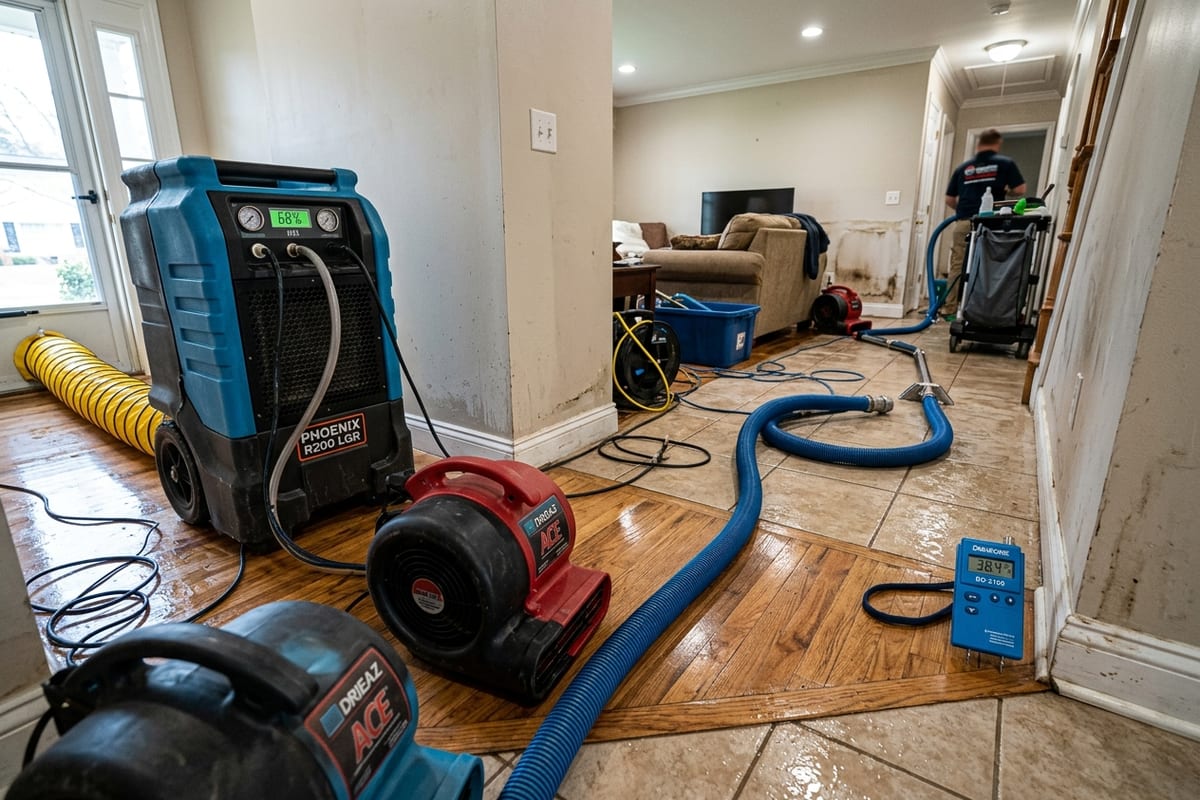
Professional water damage restoration stops progressive structural deterioration, extracts standing water with truck-mounted pumps, and dries internal wall cavities using industrial dehumidifiers within 72 hours to prevent hazardous mold growth.
 Local Protocol
Emergency Water Extraction→
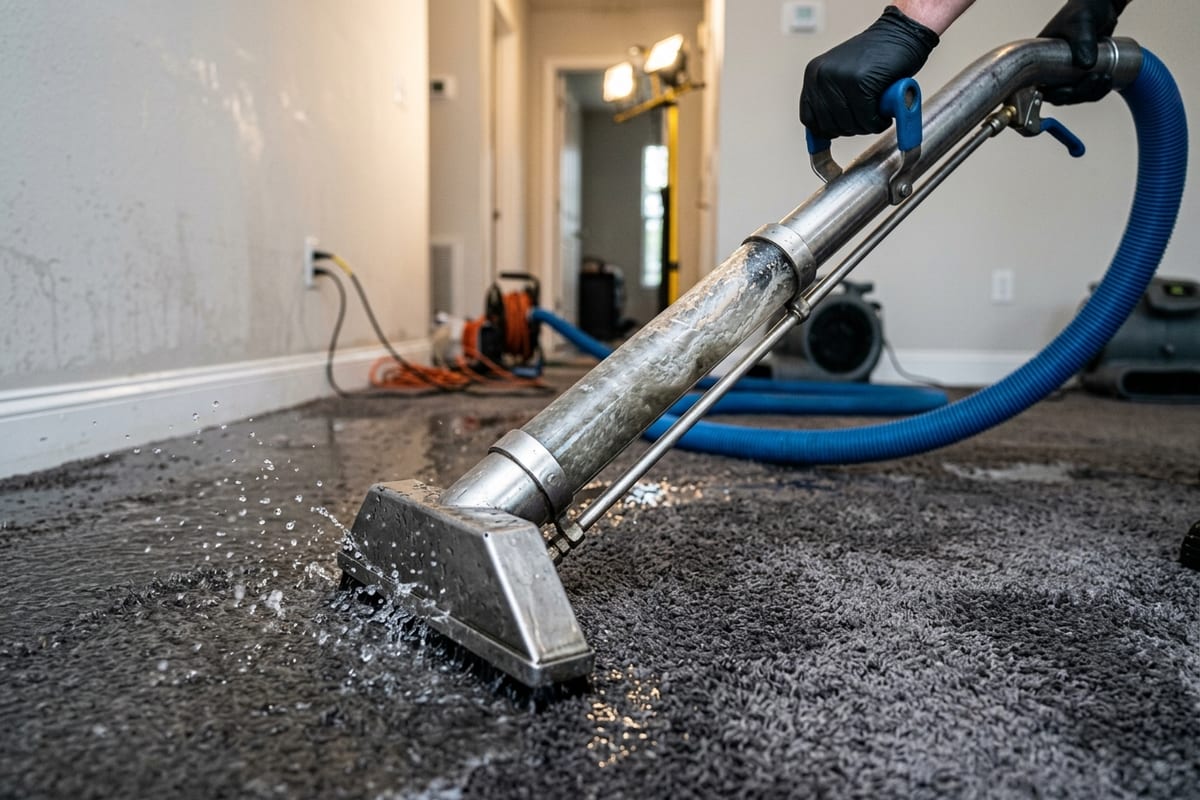
Emergency water extraction uses heavy-duty submersible pumps and truck-mounted vacuum units to physically extract hundreds of gallons of standing water per hour from flooded homes and businesses before structural framing absorbs it.
 Local Protocol
Burst & Frozen Pipe Cleanup→
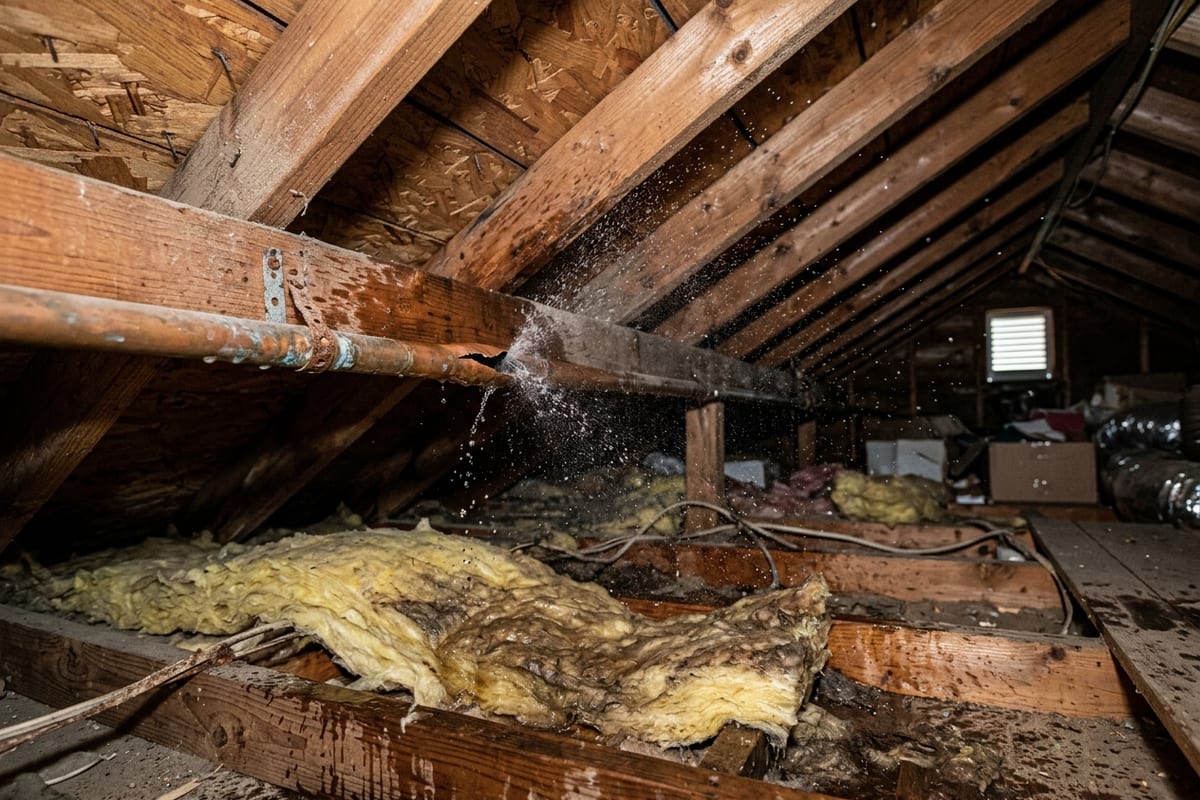
Burst pipe cleanup addresses high-pressure plumbing ruptures in attics, crawlspaces, and interior walls by immediately stopping water flow, extracting water cascading through ceilings, and drying framing to prevent structural rot.
 Local Protocol
Mold Remediation & Removal→
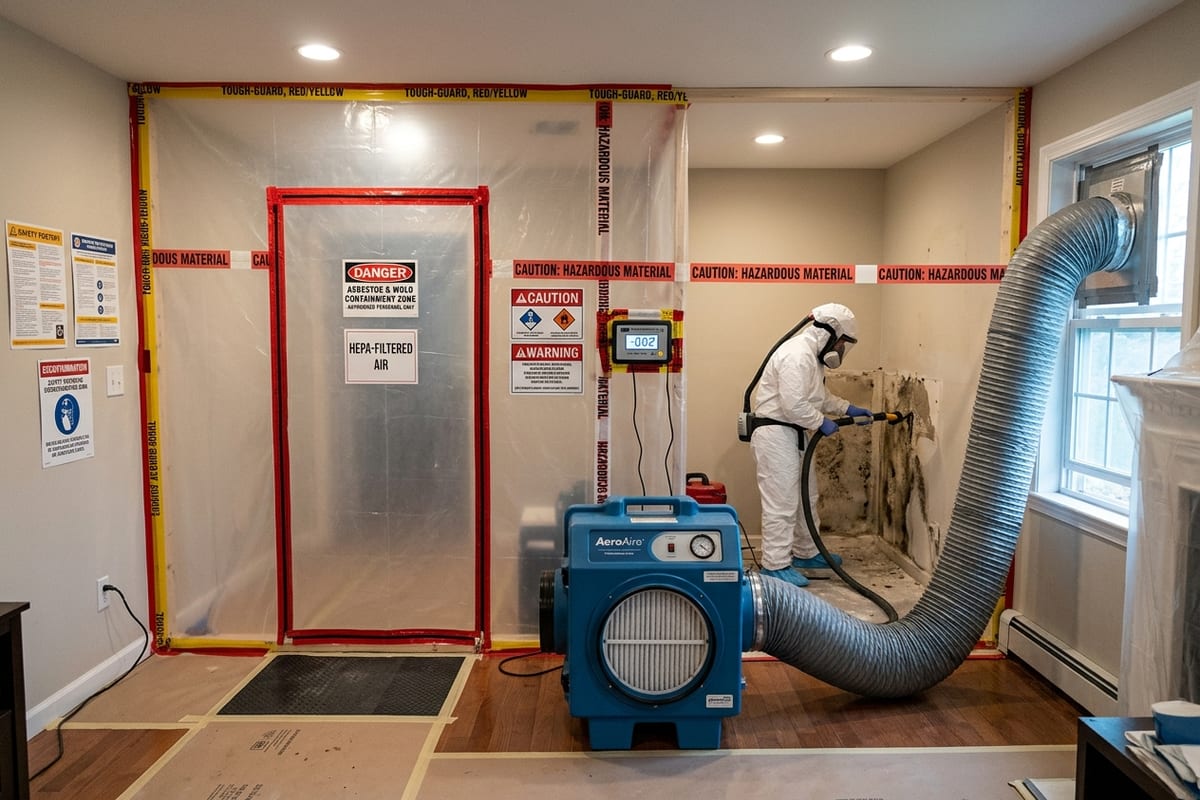
Certified mold remediation isolates active fungal colonies under negative air pressure, safely removes colonized building materials, and purifies indoor air with HEPA scrubbers to eliminate mycotoxins and prevent recurrence.
Check 45–60 Min Response Time for Your Pasadena ZIP Code
WaterRestore Pro dispatches IICRC-certified emergency teams across Los Angeles County 24 hours a day, 365 days a year. Verify rapid on-site coverage for your postal code:
Check Your ZIP Code Coverage
Verify immediate 45–60 minute emergency water extraction dispatch across our 50-state nationwide coverage network.
Frequently Asked Questions in Pasadena, CA
Can historic plaster walls in Pasadena Craftsman homes be saved after water damage?+
Yes. When response is initiated within 24 to 48 hours, controlled directional dehumidification with low-grain refrigerant systems and cavity-drying equipment can successfully dry traditional plaster and wood lath without requiring destructive tear-out.
What steps are taken to prevent mold in Pasadena crawl spaces?+
Crews pump standing water, remove saturated organic debris, apply EPA-registered botanical antimicrobials to structural floor joists, and place high-volume axial air movers and dehumidifiers to restore crawl space moisture levels below 15%.
Nearby Communities We Serve:
Standing Water in Your Home? Minutes Count.
Emergency water extraction units are on call 24 hours a day across all major metropolitan service areas. Call now for priority dispatch.