Water Damage Restoration in Colorado Springs, CO
Colorado Springs sits at the base of Pikes Peak in El Paso County, characterized by scenic foothill topography, historic craftsman neighborhoods in the Old North End, and expansive master-planned communities in Briargate and Powers. Properties face water damage risks from steep mountain runoff along Monument Creek and Fountain Creek, decomposed granite soil erosion, and severe winter pipe freeze ruptures.
Colorado Springs, CO Coverage Facts
- Jurisdiction
- El Paso County
- Target Response Time
- 45 to 60 Minutes On-Site
- Disaster Coverage
- 24/7, 365 Days a Year
- Covered ZIP Codes
- 80903, 80904, 80906, 80907, 80909, 80918, 80920, 80922
Housing Architecture & Water Risks in Colorado Springs, CO
Homes range from historic turn-of-the-century residences with stone foundations to post-war ranches and modern multi-story executive homes with full walk-out basements. Hillside properties often feature stepped foundation designs that experience substantial lateral hydrostatic pressure during mountain thunderstorms, demanding rapid industrial extraction.
Key Local Restoration Issues in Colorado Springs
Pikes Peak Foothill Flash Runoff Inundation
Intense convective summer storms over Pikes Peak send high-velocity runoff cascading down mountain drainages, overtopping residential retention basins and flooding walk-out basements and daylight windows.
High-Altitude Severe Winter Pipe Freezes
At 6,000 feet elevation, sub-zero winter temperatures and heavy winds penetrate exterior siding and unheated crawl spaces, freezing domestic plumbing lines that burst violently when thawing.
Monument Creek Sump Pit Inflow Surcharges
Snowmelt and summer convective storms swell Monument Creek, elevating local groundwater tables and forcing water through concrete basement foundations and overtopping residential sump basins.
Regional Climate & Weather Risks in Colorado Springs
Geology, Soil & Foundation Dynamics in Colorado Springs
Building Stock & Primary Dispatch Triggers in Colorado Springs
Foothill custom homes, mid-century ranch houses with walkout basements, and modern master-planned developments.
- •Pierre shale soil expansion cracking basement walls and causing groundwater seepage
- •Sudden freeze ruptures in exterior plumbing lines during severe mountain cold snaps
- •Hail breaches puncturing roof decking and allowing torrential water entry
- •Sump pump mechanical failures during heavy summer afternoon thunderstorms
Local Water & Infrastructure Profile: Colorado Springs
Local Response & Property Access Protocols in Colorado Springs
Insurance Claim Documentation & Billing Guidelines in Colorado
Colorado insurance claims for water damage are overseen by the Department of Regulatory Agencies (DORA) Division of Insurance pursuant to C.R.S. § 10-3-1104 and § 10-3-1115/1116 (Unreasonable Delay or Denial of Benefits). Carriers must acknowledge claims within 15 calendar days and decide coverage within 60 days of receiving complete documentation. Colorado statutes protect policyholders against bad-faith claim handling and uphold their right to select an independent restoration contractor. In Colorado's high-altitude climate, rapid psychrometric adjustments and accurate thermal imaging are required to document moisture migration in crawl spaces and basements following sudden snowmelt or frozen plumbing failures. Under Colorado Division of Insurance (DORA) standards and C.R.S. § 10-3-1115, water mitigation documentation must satisfy rigorous evidentiary requirements. Because Colorado's high-altitude atmosphere alters psychrometric calculations, technicians record calibrated barometric pressure, temperature, and GPP readings daily. Saturated framing and basement slabs are monitored with digital moisture probes until baseline levels are achieved. Scopes are submitted in Xactimate directly to carriers, facilitating direct insurance billing and protecting Colorado homeowners from unreasonable claim delays.
Policyholder Rights & Independent Contractor Selection in Colorado
Under Colorado insurance regulations, residential and commercial property owners maintain the full legal authority to hire any licensed, independent disaster restoration contractor of their choice. Insurance carriers and claims adjusters are prohibited from steering or mandating the use of preferred network vendors. WaterRestore Pro dispatches certified local mitigation specialists who adhere strictly to ANSI/IICRC S500 standards, recording daily psychrometric logs, moisture baselines, and thermal imaging scans. All repair scopes are compiled using standardized Xactimate line items and submitted directly to your insurance company, supporting direct carrier billing and protecting homeowners from upfront costs on covered peril claims.
Common Emergency Calls in Colorado Springs
Local ProtocolWater Damage Restoration→
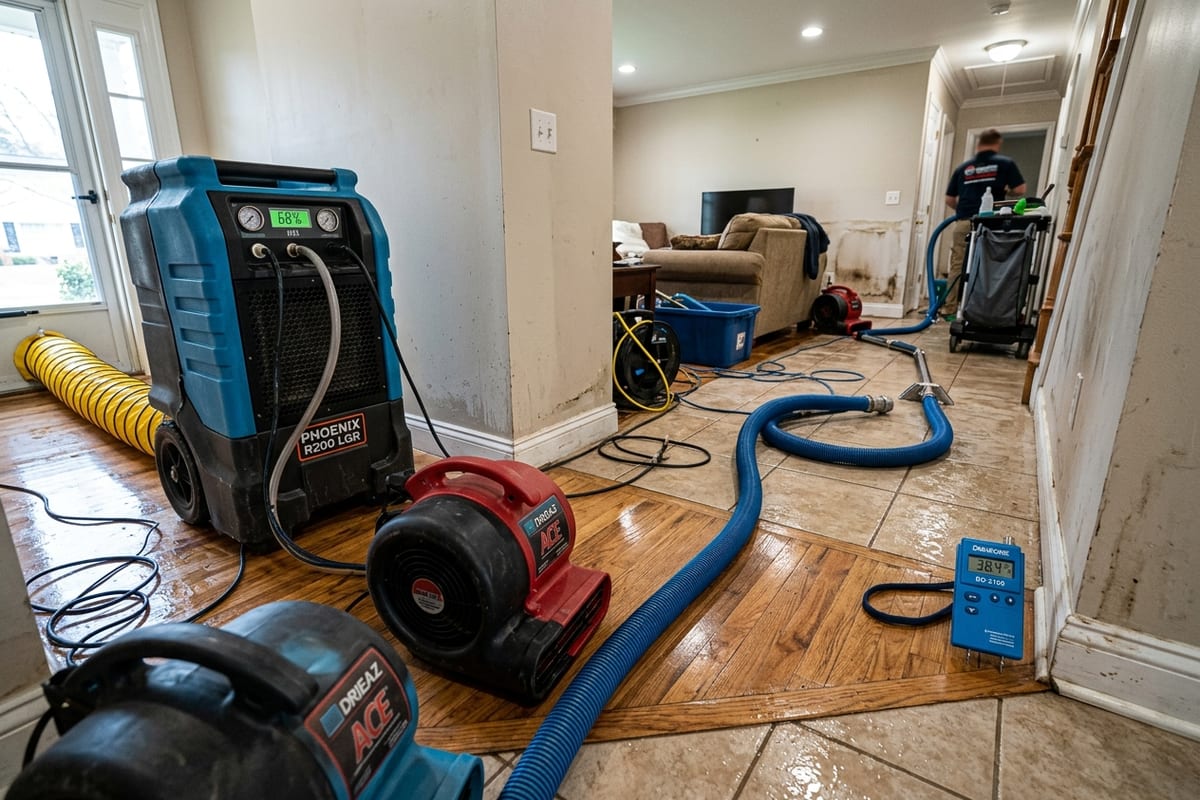
Professional water damage restoration stops progressive structural deterioration, extracts standing water with truck-mounted pumps, and dries internal wall cavities using industrial dehumidifiers within 72 hours to prevent hazardous mold growth.
 Local Protocol
Emergency Water Extraction→
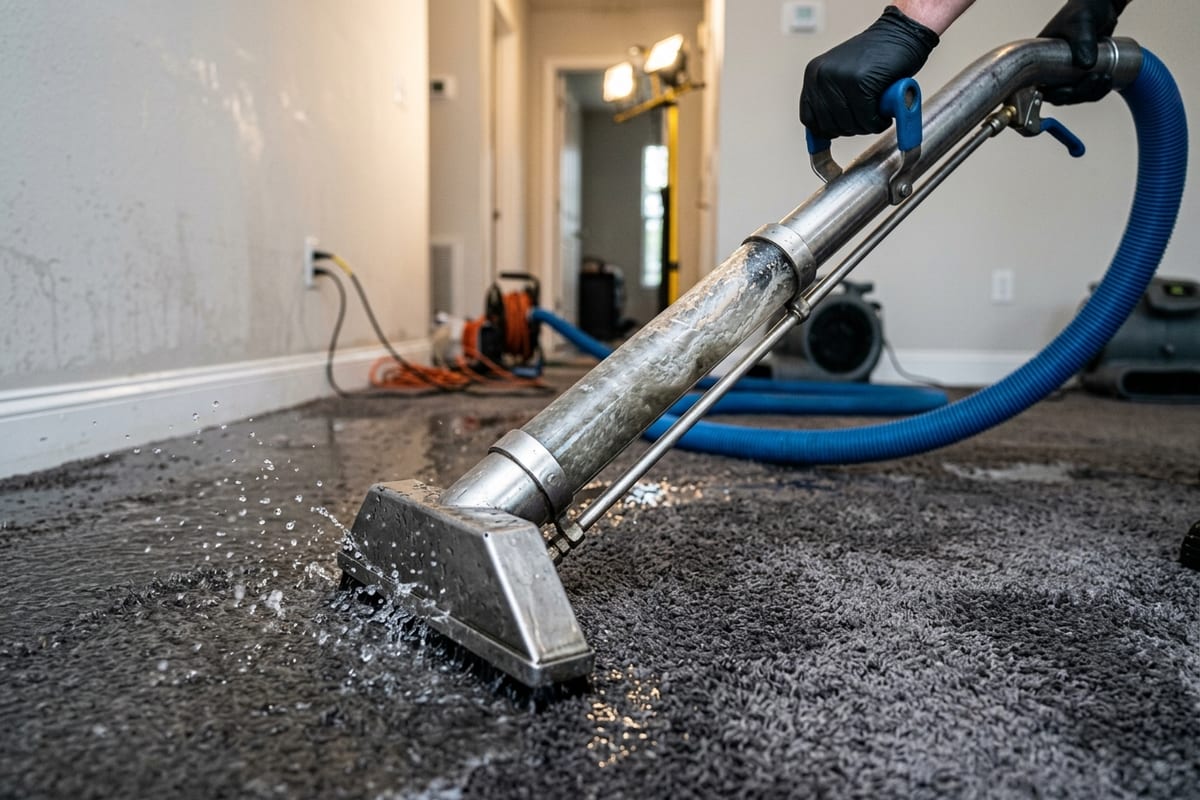
Emergency water extraction uses heavy-duty submersible pumps and truck-mounted vacuum units to physically extract hundreds of gallons of standing water per hour from flooded homes and businesses before structural framing absorbs it.
 Local Protocol
Burst & Frozen Pipe Cleanup→
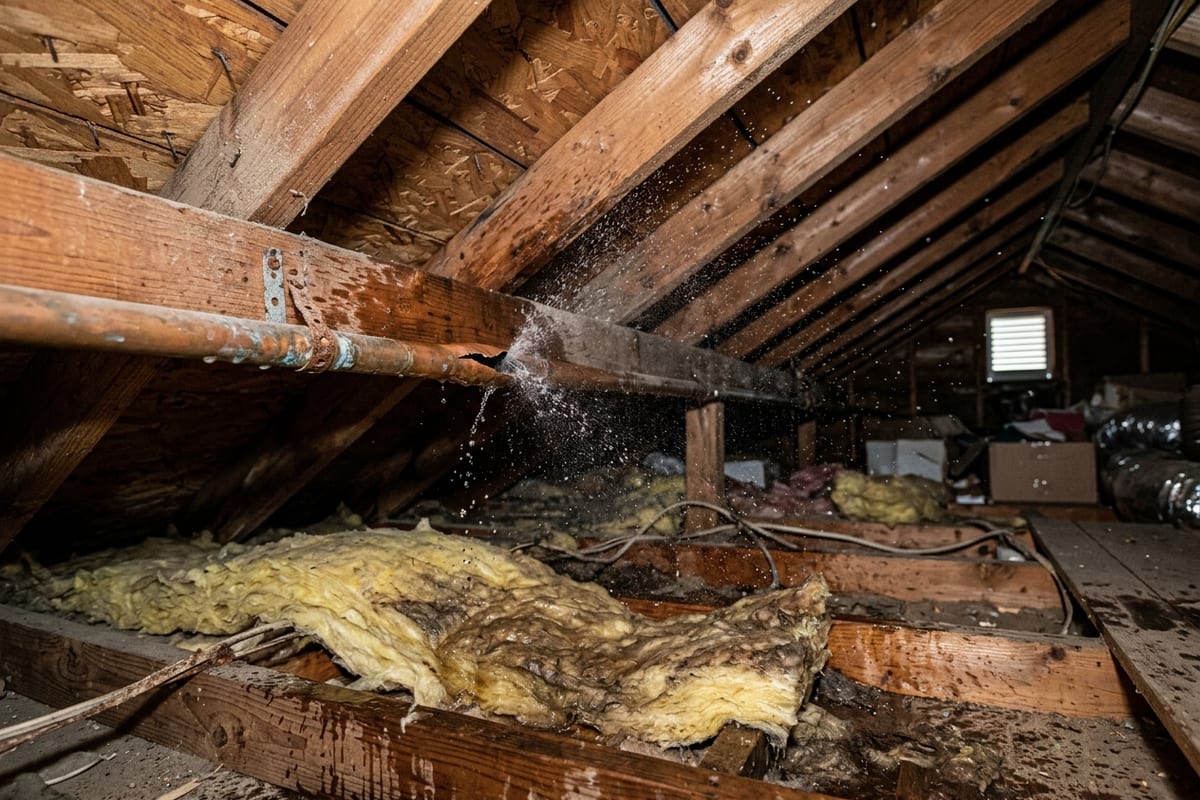
Burst pipe cleanup addresses high-pressure plumbing ruptures in attics, crawlspaces, and interior walls by immediately stopping water flow, extracting water cascading through ceilings, and drying framing to prevent structural rot.
 Local Protocol
Mold Remediation & Removal→
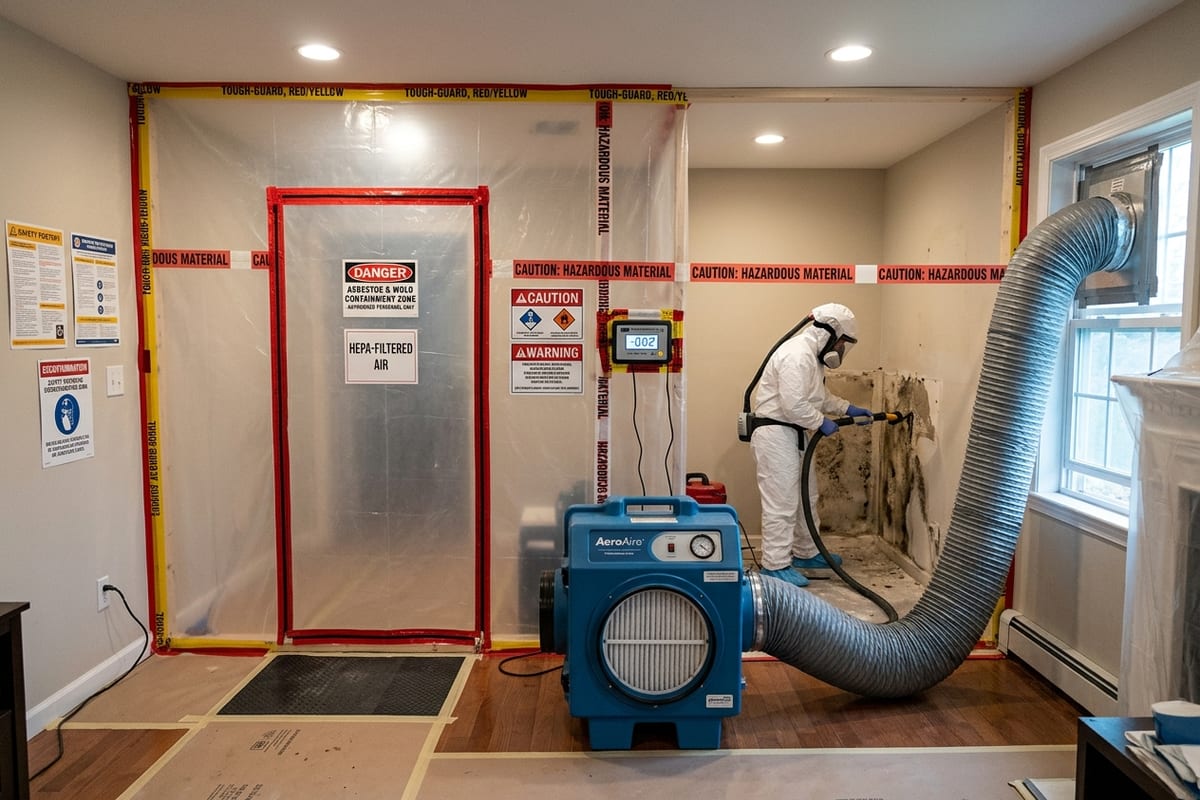
Certified mold remediation isolates active fungal colonies under negative air pressure, safely removes colonized building materials, and purifies indoor air with HEPA scrubbers to eliminate mycotoxins and prevent recurrence.
Check 45–60 Min Response Time for Your Colorado Springs ZIP Code
WaterRestore Pro dispatches IICRC-certified emergency teams across El Paso County 24 hours a day, 365 days a year. Verify rapid on-site coverage for your postal code:
Check Your ZIP Code Coverage
Verify immediate 45–60 minute emergency water extraction dispatch across our 50-state nationwide coverage network.
Frequently Asked Questions in Colorado Springs, CO
Why is water mitigation urgent for homes built on Pierre shale in Colorado Springs?+
Pierre shale along the foothills expands dramatically when wet, exerting immense lateral pressure that can crack basement walls and heave concrete slabs. WaterRestore Pro extracts water immediately to prevent moisture from reaching foundation subsoils.
How does high altitude affect structural drying in Colorado Springs?+
At 6,000 feet, low atmospheric pressure causes surface moisture to evaporate rapidly, creating a false impression of dryness while deep studs and sill plates remain saturated. WaterRestore Pro uses calibrated penetrating moisture meters to ensure full psychrometric drying.
Does Colorado insurance cover hail-related interior water damage?+
Yes, when hail damages roof membranes or siding and allows rain to enter, resulting interior water damage is covered. WaterRestore Pro provides emergency roof tarping, water extraction, and structural drying.
Nearby Communities We Serve:
Standing Water in Your Home? Minutes Count.
Emergency water extraction units are on call 24 hours a day across all major metropolitan service areas. Call now for priority dispatch.