Water Damage Restoration in Council Bluffs, IA
Council Bluffs is western Iowa's historic railroad and river hub, situated along the eastern bank of the Missouri River directly across from Omaha, Nebraska. Nestled against the dramatic wind-blown Loess Hills and featuring historic brick neighborhoods around Haymarket District and modern subdivisions in Valley View, properties face severe water loss hazards from Missouri River flood stages, Loess soil erosion, and winter freeze ruptures.
Council Bluffs, IA Coverage Facts
- Jurisdiction
- Pottawattamie County
- Target Response Time
- 45 to 60 Minutes On-Site
- Disaster Coverage
- 24/7, 365 Days a Year
- Covered ZIP Codes
- 51501, 51503
Housing Architecture & Water Risks in Council Bluffs, IA
Residential properties in Council Bluffs consist of late 19th-century Victorian brick homes, mid-century ranches, and contemporary single-family homes built on full poured concrete or block basements. Properties situated along the Missouri River floodplain rely on massive municipal levee systems during major spring snowmelt runoff from the upper Missouri River basin. Loess Hills silt soils are highly susceptible to sudden saturation and collapse during heavy downpours, channeling surface water directly into basement window wells and foundation cold joints.
Key Local Restoration Issues in Council Bluffs
Missouri River Basin Spring Snowmelt Surcharges
Upper Missouri River basin snowmelt causes the river to crest, elevating local groundwater tables and putting pressure on residential basement walls.
Loess Hills Highly Saturated Soil Foundation Seepage
Porous loess silt soils rapidly saturate during torrential rains, channeling water directly into basement window wells and foundation cracks.
Winter Sub-Zero Freeze Uninsulated Plumbing Bursts
Prolonged winter freezes drop temperatures below zero, freezing uninsulated domestic water supply lines in exterior walls and drafty basements.
Common Emergency Calls in Council Bluffs
Local ProtocolWater Damage Restoration→
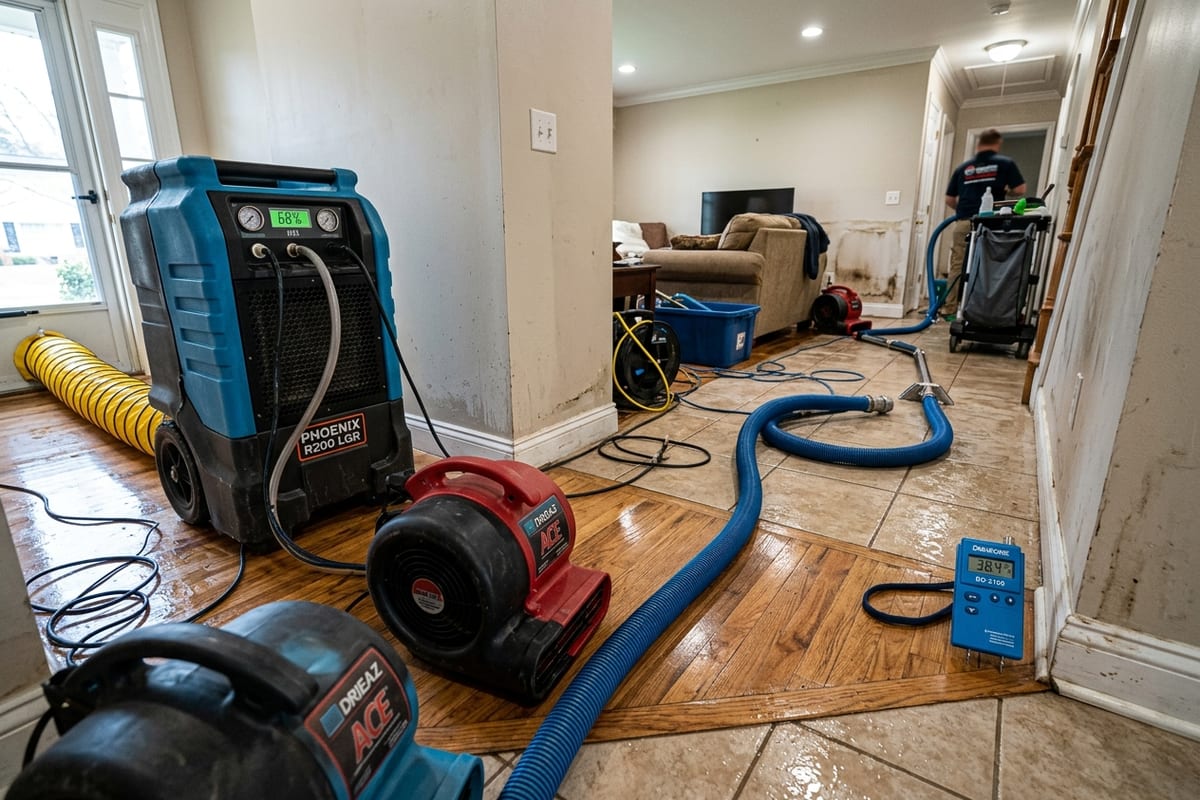
Professional water damage restoration stops progressive structural deterioration, extracts standing water with truck-mounted pumps, and dries internal wall cavities using industrial dehumidifiers within 72 hours to prevent hazardous mold growth.
 Local Protocol
Emergency Water Extraction→
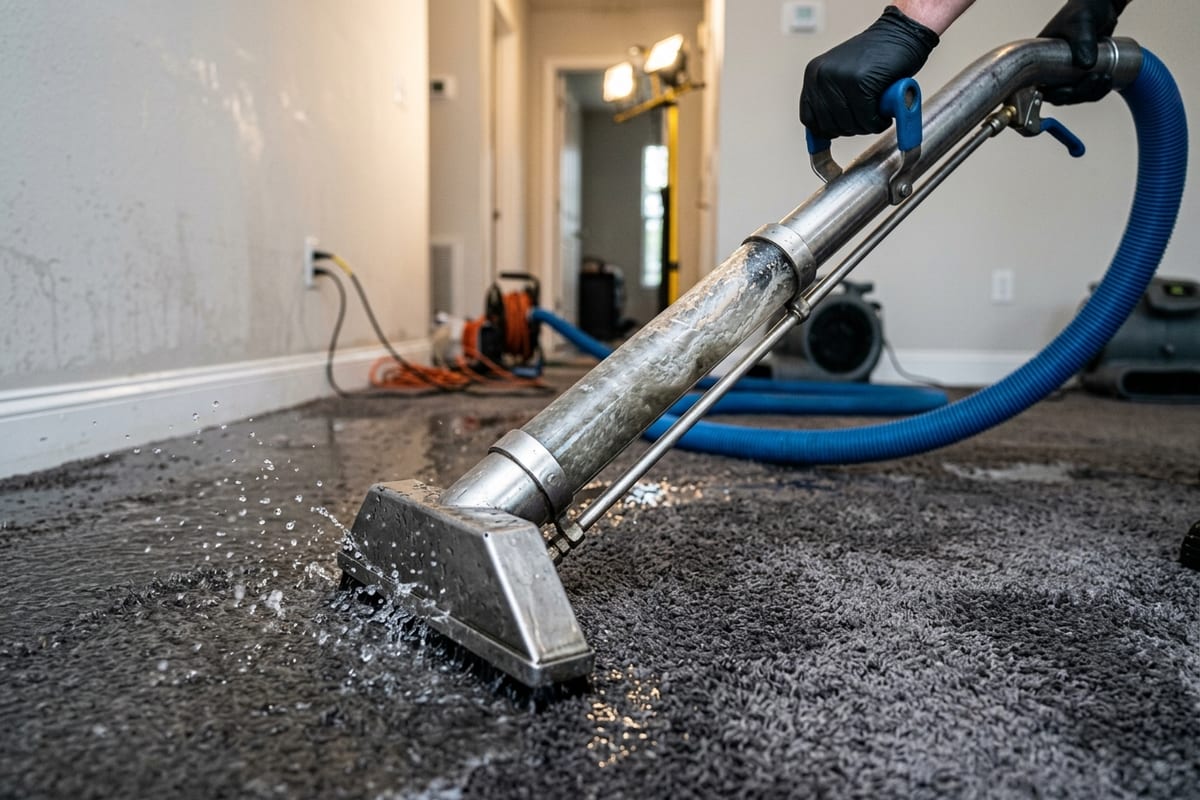
Emergency water extraction uses heavy-duty submersible pumps and truck-mounted vacuum units to physically extract hundreds of gallons of standing water per hour from flooded homes and businesses before structural framing absorbs it.
 Local Protocol
Burst & Frozen Pipe Cleanup→
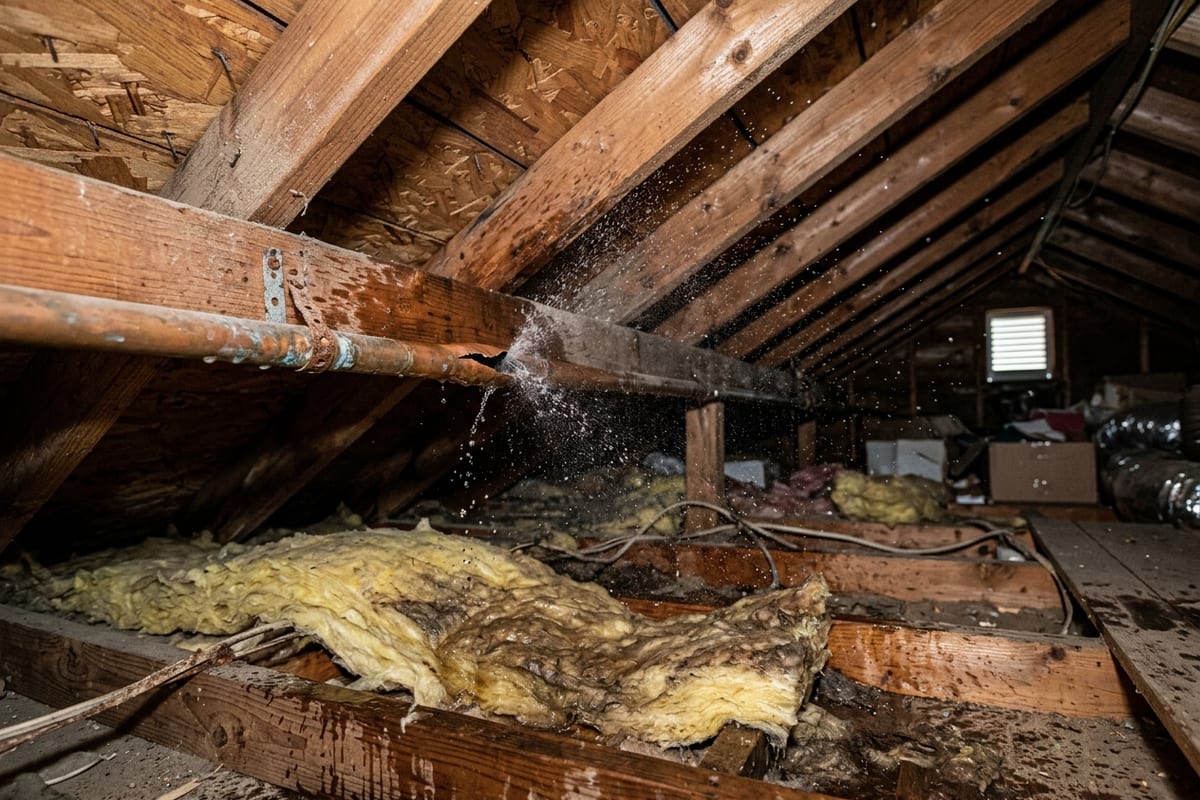
Burst pipe cleanup addresses high-pressure plumbing ruptures in attics, crawlspaces, and interior walls by immediately stopping water flow, extracting water cascading through ceilings, and drying framing to prevent structural rot.
 Local Protocol
Mold Remediation & Removal→
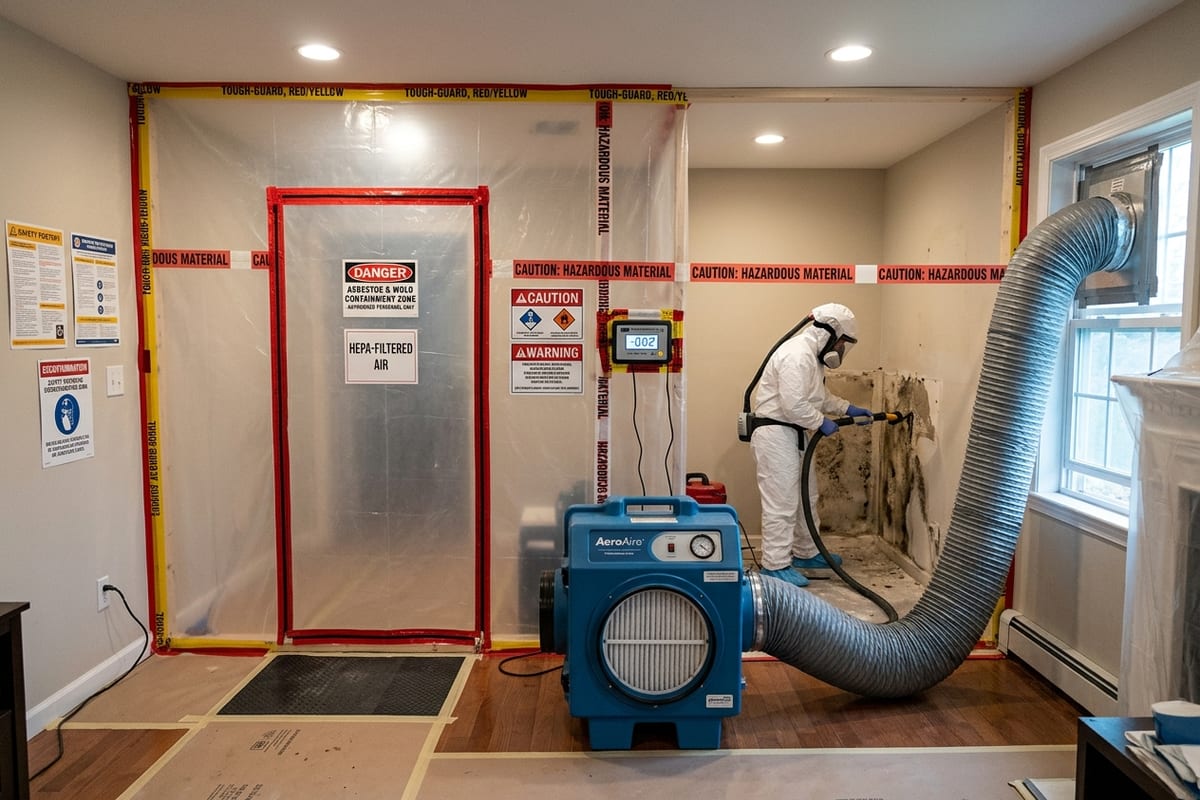
Certified mold remediation isolates active fungal colonies under negative air pressure, safely removes colonized building materials, and purifies indoor air with HEPA scrubbers to eliminate mycotoxins and prevent recurrence.
Check 45–60 Min Response Time for Your Council Bluffs ZIP Code
WaterRestore Pro dispatches IICRC-certified emergency teams across Pottawattamie County 24 hours a day, 365 days a year. Verify rapid on-site coverage for your postal code:
Check Your ZIP Code Coverage
Verify immediate 45–60 minute emergency water extraction dispatch across our 50-state nationwide coverage network.
Frequently Asked Questions in Council Bluffs, IA
What is the emergency response time in Council Bluffs?+
Emergency restoration crews operate 24 hours a day across Pottawattamie County, arriving on-site within 45 to 60 minutes.
How do technicians dry finished basements in Council Bluffs homes?+
Technicians extract standing water, remove wet baseboards, deploy commercial LGR dehumidifiers, and circulate warm dry air under negative pressure.
Nearby Communities We Serve:
Standing Water in Your Home? Minutes Count.
Emergency water extraction units are on call 24 hours a day across all major metropolitan service areas. Call now for priority dispatch.