How to File a Water Damage Insurance Claim
To successfully file a property water damage claim, report the loss to your carrier immediately, clearly state the failure was sudden and accidental, preserve all damaged plumbing parts, take detailed photo logs, and hire an independent IICRC certified restoration company for documentation.
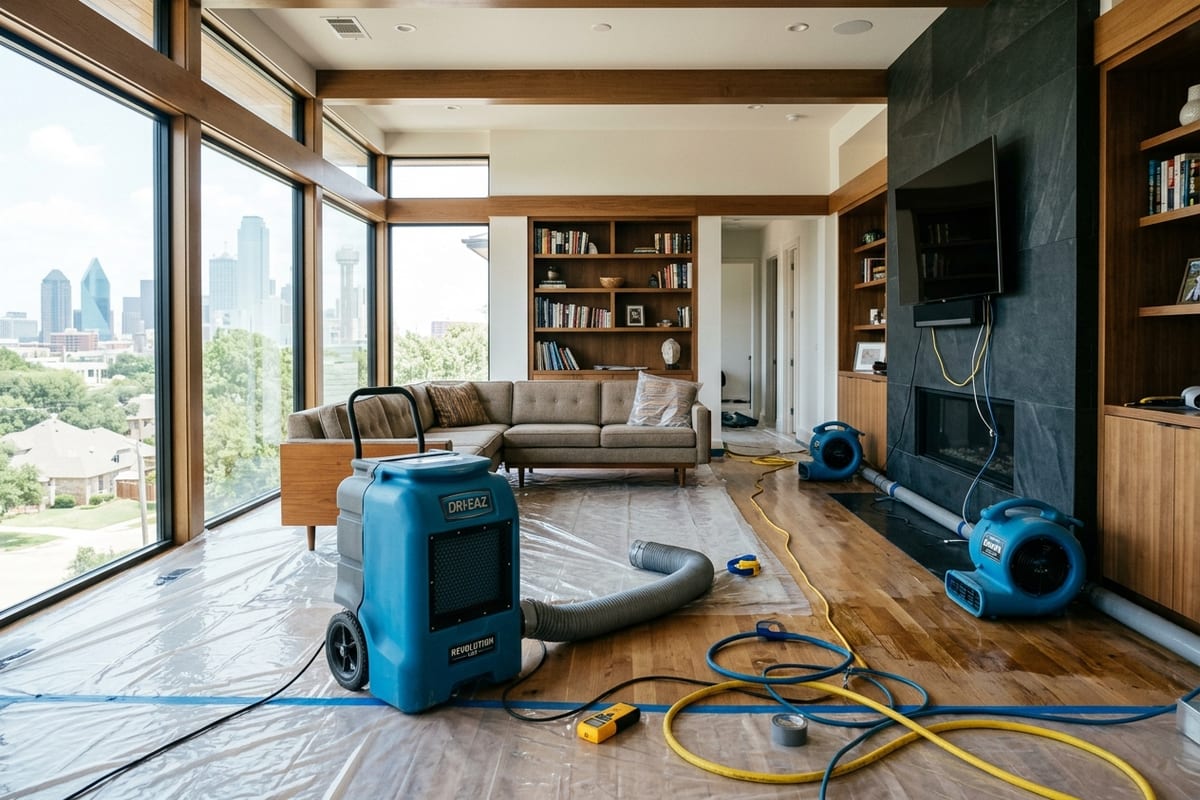
HO-3 Policy Coverage Basics
The standard residential insurance policy is the HO-3 Special Form. Under this policy, water damage is covered if the discharge is 'sudden and accidental'—such as an attic frozen pipe burst, water heater rupture, or supply line blowout.
Damage caused by 'gradual or repeated seepage' (such as a slow shower pan leak or unaddressed roof leak lasting weeks or months) is almost universally excluded under standard policy language.
Your Policy Obligation: Duty to Mitigate
Every property insurance policy includes a mandatory 'Duty to Mitigate' clause. This legal clause requires the property owner to take immediate reasonable steps to stop further water intrusion and extract standing water.
Failing to call an emergency mitigation company promptly allows mold to bloom and wood to rot; adjusters can legally deny claims or reduce payouts if they determine secondary damage resulted from homeowner neglect.
Preserving Evidence for the Adjuster
Never allow a plumber or contractor to throw away the broken pipe, ruptured supply hose, or failed water heater valve before the insurance claims adjuster inspects it.
Place the failed plumbing component in a plastic container. This physical item proves the exact mechanical failure that triggered the claim and enables potential subrogation against appliance manufacturers.
How Restoration Professionals Support Your Claim
Professional disaster restoration companies use Xactimate, the standardized pricing software used by 95% of insurance adjusters and carriers nationwide.
WaterRestore Pro's certified partners provide daily atmospheric psychrometric logs, infrared thermal imaging scans, moisture meter maps, and itemized line-item billing, eliminating claim disputes and accelerating insurance approval.
Frequently Asked Questions
Do I have to use the restoration company recommended by my insurance company?+
No. Under state insurance codes, policyholders have the absolute legal right to choose any licensed, independent restoration and mitigation contractor they prefer. You are never obligated to use the insurance company's preferred vendor.
Does insurance pay for the broken plumbing pipe itself?+
Typically, homeowners insurance pays for all the resulting water damage, extraction, drying, tear-out, and drywall reconstruction, but excludes the cost of the actual copper or PEX fitting that broke. Plumbing repairs are generally considered regular homeowner maintenance.
Standing Water in Your Home? Minutes Count.
Emergency water extraction units are on call 24 hours a day across all major metropolitan service areas. Call now for priority dispatch.